YouTube hype will meaningfully affect Pokémon card prices this year, but not uniformly or predictably. The past eighteen months have shown us that a single high-profile pull or celebrity endorsement can spark 12–25% price swings in secondary markets, while broader community sentiment across platforms can sustain 40%+ increases in daily mentions that precede measurable value movement. The most dramatic recent example is Logan Paul’s sale of a rare Pikachu Illustrator card for $16 million in February 2026—a card he purchased for just over $5 million in 2021. That transaction alone, heavily publicized across YouTube and mainstream media, reinforced Pokémon cards as legitimate alternative assets and created a ripple effect across the market.
However, the hype-to-price equation is neither simple nor reliable. YouTube unboxers have turned card openings into entertainment spectacles, and creators like Logan Paul and Gary Vaynerchuk have legitimized Pokémon collecting in ways that genuinely move real money. But market analysts now warn that prices are heavily influenced by hype, and the “bubble” sentiment that dominated creator forecasts in mid-2025 suggests that not all YouTube signals should be treated as bullish indicators. Understanding how to read and weight YouTube-driven hype will matter more in 2026 than it did in 2024, when nearly any pull could drive prices upward.
Table of Contents
- How YouTube Unboxers and High-Profile Pulls Shape Card Valuations
- The Celebrity Legitimacy Effect and Why It’s Creating Market Instability
- Social Media Sentiment as a Price Leading Indicator
- Reading YouTube Signals Without Getting Caught in the Hype Trap
- The Bubble Risk and Contradiction in 2026 Forecasts
- How Different Product Categories React to Hype Differently
- What 2026 Could Hold for YouTube-Influenced Markets
- Conclusion
How YouTube Unboxers and High-Profile Pulls Shape Card Valuations
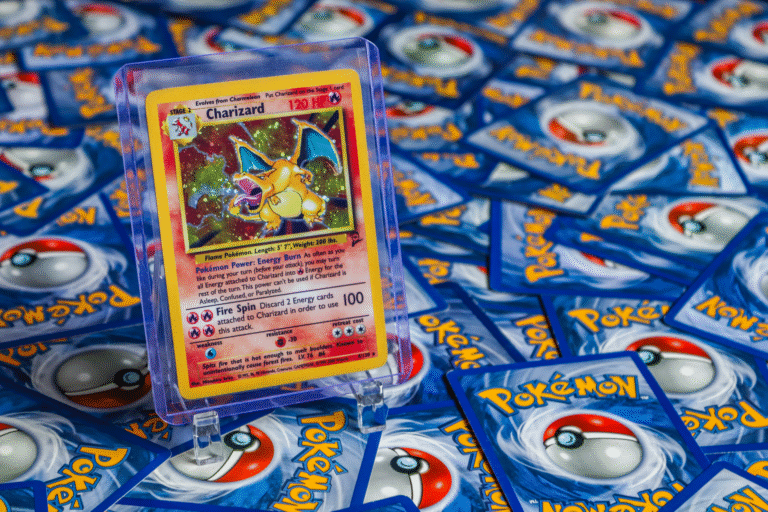
YouTube and TikTok unboxing content has become the primary driver of visible market enthusiasm, particularly for chase cards like alternate-art Pokémon and first-edition Base Set Charizard. When a creator opens a sealed product and lands a rare pull, the moment often circulates across social media within hours, renewing buyer interest and triggering price movement on secondary markets. A single high-profile pull can spark renewed enthusiasm for an entire set, lifting prices for all rare variants, not just the specific card pulled. This effect is real: Card Chill’s tracking of community sentiment from January 2026 onward found that 70% of instances where a chase card sustained 40%+ daily mentions across X and Reddit preceded 12–25% price movement on the secondary market. The volatility created by these moments, however, cuts both ways.
A series of unboxing videos showing poor pull rates or low-value cards can equally dampen enthusiasm and send prices downward, sometimes within the same week. Creators filming for YouTube operate on incentives different from professional market analysts—they prioritize entertainment value and audience retention, not portfolio soundness. When a creator chases a $500 card and fails to hit it on camera, the narrative of scarcity and difficulty becomes the story, potentially driving prices up. When the same creator lands the card on the second box, the narrative shifts to attainability, potentially dampening future demand. The same outcome produces opposite hype signals depending on the framing.

The Celebrity Legitimacy Effect and Why It’s Creating Market Instability
Logan Paul’s involvement in Pokémon cards has had an undeniable legitimizing effect on the hobby. His high-profile purchase and subsequent $16 million sale of the Pikachu Illustrator was covered by mainstream outlets like CNBC, reaching audiences far beyond traditional card collectors. This mainstream visibility expanded the buyer base significantly—people who would never have purchased a card three years ago now see Pokémon collecting as a real asset class. Gary Vaynerchuk’s endorsements have similarly positioned cards as alternative investments comparable to art or cryptocurrency. These celebrity validators have brought real capital into the market and created baseline floor demand that didn’t exist in 2020.
The downside is that celebrity-driven legitimacy creates false stability. When hype is anchored to specific personalities and their promotional activities, the market becomes vulnerable to shifts in those personalities’ focus or public perception. A regulatory issue, personal scandal, or simple market rotation away from cryptocurrency and alternative assets can deflate the celebrity effect overnight. Additionally, celebrity buyers and influencers operate with vastly larger capital bases than average collectors, creating price distortions at the high end that don’t reflect organic collector demand. The $16 million Pikachu sale, while genuine, represents a single transaction that may not be repeatable and potentially sets unrealistic expectations for other rare cards. Market analysts warn against overweighting these celebrity signals in valuation models—they’re attention-grabbing but not necessarily predictive of smaller collectors’ behavior or sustained demand.
Social Media Sentiment as a Price Leading Indicator
Community platforms like Reddit and X have become measurable price leading indicators. Card Chill’s analysis found that when mentions of a specific chase card spike 40%+ across these platforms simultaneously, 70% of the time that card sees 12–25% price movement on secondary markets within a week to two weeks. This relationship is strong enough that serious collectors now monitor social sentiment tools, not just traditional price trackers. A surge in organic discussion about a particular card or set often means informed collectors are acquiring, which signals incoming price movement before listing prices fully reflect it.
The limitation is that not all social sentiment is equal, and bot-driven amplification has become sophisticated enough to create false signals. Reddit discussions can be shaped by bag-holders trying to pump cards they own, while automated posts can inflate mention counts without reflecting genuine collector interest. YouTube algorithm changes also matter—a creator’s video can be pushed to millions of viewers regardless of organic enthusiasm, creating artificial spikes in mentions that don’t translate to meaningful demand. The lesson is to cross-reference social sentiment with actual transaction data (sold prices on platforms like TCGPlayer or eBay) rather than relying on mentions alone. A card with 10,000 mentions and 200 completed sales is a very different opportunity than a card with 50,000 mentions and 2,000 completed sales.

Reading YouTube Signals Without Getting Caught in the Hype Trap
The most practical guidance from market analysts is direct: make buying and selling decisions based on pop reports (supply data), sold prices, and supply-and-demand fundamentals, not YouTube thumbnails and Reddit posts. This doesn’t mean ignoring YouTube—creator activity does influence price—but it means treating YouTube signals as one input among several. A creator chasing a high-value card is entertainment first and market data second. The pull itself is real, but its applicability to your portfolio depends on your individual risk tolerance, the card’s supply, and your time horizon. One useful heuristic is to lag YouTube trends rather than chase them.
When a card is actively being hyped on major channels, much of the easy upside is already priced in. Prices paid by early-hype buyers are often at or near local peaks. The better opportunity often exists in cards that experienced YouTube hype six months prior and have stabilized at a lower level but retain collector demand. Conversely, cards that multiple creators are actively discussing create immediate liquidity risk—if sentiment swings, your exit will be harder. Walmart’s 200% surge in trading card sales from February 2024 to June 2025, with Pokémon sales increasing tenfold year-over-year, shows that hype does drive retail volume. But retail volume and collector-grade price appreciation are distinct phenomena, and confusing the two has cost collectors real money.
The Bubble Risk and Contradiction in 2026 Forecasts
This is where YouTube hype and expert caution collide. In May 2025, major YouTube creators forecasted continued declines through the rest of 2025 and into 2026, warning that “the bubble is starting to burst” with singles tumbling for the first time in months. Individual card values had risen 42% year-over-year through mid-2025, but that momentum had already begun to cool before these forecasts went public. Sealed products appreciated 27% on average—a gentler climb—suggesting that even within the Pokémon card market, different product categories behave differently. The warning embedded in these forecasts is stark: not all YouTube hype translates to sustained price growth.
The market expanded 1,350% since 2020, and spending on non-sports trading cards jumped 350% between 2020 and 2025. These are boom numbers, and booms eventually slow. If a significant portion of 2024–2025 demand came from speculative buyers chasing hype rather than collectors building long-term collections, the reversal will be painful. YouTube creators are incentivized to produce content around products while they’re hot, meaning they may continue hyping cards even after the market has begun to roll over. Relying on creator sentiment as your sole exit signal is a setup for holding overleveraged positions through a correction.

How Different Product Categories React to Hype Differently
Sealed Pokémon products and individual cards diverge sharply in their sensitivity to YouTube hype. Sealed booster boxes and vintage products appreciate more slowly (27% average year-over-year) because their supply is constrained by scarcity and their buyers are typically long-term holders or nostalgia-driven collectors. Individual chase cards, especially from recent sets, can swing wildly on YouTube attention.
A creator’s high-profile pull of an alternate-art card or secret rare can drive rapid appreciation for that specific card, while the booster box containing it appreciates at half that rate or less. This mismatch matters because sealed products are the “safer” hype-play—they benefit from visibility without the volatility of singles. If you’re going to play YouTube hype in 2026, sealed vintage or limited-print products typically offer better risk-adjusted returns than chasing the latest chase-card flavor of the week.
What 2026 Could Hold for YouTube-Influenced Markets
The outlook for 2026 is mixed. Celebrity involvement (Logan Paul, Gary Vaynerchuk) will likely remain, and high-profile sales will continue to generate headlines. YouTube unboxing will remain entertainment and market signal simultaneously. However, the market is maturing.
More collectors are now aware that hype-driven pricing is temporary, and retail saturation (Walmart’s tenfold year-over-year increase in Pokémon sales) means new supply is constantly entering the market. The creators who built their audiences during the 2021–2024 boom will continue to have influence, but that influence is no longer unilateral—they’re now competing with skeptical comment sections, creator-to-creator contradiction, and a collector base that has been burned by previous overheated rallies. If YouTube hype will move prices this year, it will do so most effectively for genuinely scarce products (vintage sealed, first editions, PSA 10 graded cards) rather than recently printed sets. The hype will create trading opportunities more than buy-and-hold opportunities. And the winners will be collectors who use YouTube as a sentiment gauge—something to monitor and cross-reference—rather than a trading trigger.
Conclusion
YouTube hype will affect Pokémon card prices in 2026, but its impact will be more nuanced and conditional than the hype-driven rallies of 2024. Celebrity endorsements and high-profile sales provide real market validation, and creator content continues to move sentiment and short-term pricing. However, the market is no longer in a phase where nearly all YouTube attention produces upside. The bubble warnings from mid-2025 were real, and the 42% individual card appreciation followed by forecasts of continued declines suggests the easy gains are already behind us. Hype will still move specific cards, but your returns will depend heavily on whether you’re playing hype as a short-term trade or caught in it as a long-term holder.
The practical path forward is to treat YouTube signals as one input among several: cross-reference community sentiment with sold prices, supply data, and demand fundamentals. Use YouTube hype to identify opportunities, not as the sole reason to buy or sell. And recognize that sealed products and vintage cards are less sensitive to trend reversals than chase cards from recent sets. If you engage with YouTube-influenced hype in 2026, do so intentionally, with clear exit criteria, and with awareness that the hype cycle is no longer universally bullish. The market has matured, and so should your approach to it.