
Pokémon’s first cards are increasingly viewed as original franchise artifacts because they represent the tangible birth of a cultural phenomenon, not merely as collectibles. When the 1st Edition Base Set Charizard—one of approximately 120 copies graded PSA 10 worldwide—sold for $550,000 at Heritage Auctions in December 2025, it wasn’t being valued purely as a card game piece. The buyer was acquiring an object that marked the exact moment a global entertainment empire began, a moment frozen in cardboard and ink from 1999. These cards function as artifact pieces because they were never designed to be investments or rare items.
They were mass-produced products intended for children to collect and play with, making the few exceptional specimens that survived in pristine condition genuinely scarce anchors to Pokémon’s foundational era. The distinction between a collectible and an artifact lies in historical significance and irreproducibility. First Edition Base Set cards possess both qualities: they cannot be reprinted in their original form (Pokémon has moved through generations of cards, sets, and printing standards), and they mark a specific, unrepeatable moment in entertainment history. A graded 1st Edition Blastoise that sold for approximately $88,000 on eBay in July 2025 wasn’t expensive because of superior card mechanics or gameplay value—it was expensive because it was there at the beginning, a physical record of when Pokémon established itself in the trading card market.
Table of Contents
- WHY ORIGINAL FIRST EDITION CARDS REPRESENT FRANCHISE GENESIS
- RECORD-BREAKING SALES THAT VALIDATE ARTIFACT STATUS
- SCARCITY AS THE FOUNDATION OF ARTIFACT VALUE
- AUTHENTICATION STANDARDS THAT PROTECT ARTIFACT INTEGRITY
- THE COUNTERFEITING CHALLENGE AND ONGOING RISKS
- TOURNAMENT PRIZE CARDS AND THE ULTRA-RARE TIER
- THE FUTURE OF POKÉMON CARD ARTIFACTS AND MARKET EVOLUTION
- Conclusion
- Frequently Asked Questions
WHY ORIGINAL FIRST EDITION CARDS REPRESENT FRANCHISE GENESIS
The 102 cards that comprised the 1st Edition base Set in 1999 function as artifacts in the way museum pieces do: they document an origin point. Unlike modern Pokémon cards, which benefit from decades of refinement in printing technology, card design, and brand recognition, the original Base Set cards were created by a team working from initial design concepts, emerging market data, and pure speculation about whether the trading card game would succeed. This experimental quality—evident in the card design choices, the illustration selections, and the early game mechanics—makes them historical documents as much as game pieces. A shadowless Charizard from this era, valued at $2,000 to $3,000 even in ungraded condition, commands respect because it represents the actual beginning of something that became global entertainment. The rarity aspect emerged accidentally rather than by design.
In 1999, Pokémon was a successful but unpredictable product launch. No one predicted that Base Set cards from the first few months of production would become exponentially more valuable than cards printed just months later. This accidental rarity is what elevates them to artifact status. The cards that survived in high grade are statistical outliers—children opened Base Set packs expecting to play with the cards, not preserve them. A psa 10 copy didn’t become precious through intentional scarcity marketing; it became precious because the vast majority of copies were used and wore down, making the survivors genuinely rare windows into how the product looked on store shelves in 1999.

RECORD-BREAKING SALES THAT VALIDATE ARTIFACT STATUS
The valuation of pokémon‘s first cards has reached levels typically reserved for rare art, memorabilia, and historical artifacts. The $550,000 sale of the 1st Edition Base Set Charizard PSA 10 in December 2025 placed it in conversation with authenticated sports memorabilia, signed first editions of famous books, and historical artifacts, not typical sports cards or gaming collectibles. This pricing level signals that the market has fundamentally shifted its perception of these cards from hobby items to irreplaceable historical objects. The rarity is real—approximately 120 PSA 10 copies exist worldwide—but the valuation exceeds what rarity alone would justify. What justifies the price is the convergence of rarity, historical importance, and cultural resonance.
Pricing data from 2025 and early 2026 reveals consistent appreciation at 15–25% annually for high-grade Base Set cards, a return rate typically associated with fine art and rare collectibles rather than trading cards. This market behavior indicates institutional recognition of these cards’ artifact status. However, a limitation exists here: not all first cards appreciate at this rate. Cards in lower grades (PSA 7 or below) appreciate more slowly, and promotional variants like the Pikachu Illustrator card—the rarest Pokémon card in existence with only a handful known, some selling for over £200,000—operate in a completely different market tier. The ultra-rare tournament prize cards like the Tropical Mega Battle second-place finisher (PSA 10), which sold for approximately $75,000, remind collectors that artifact status comes with sharp distinctions between common and extraordinary specimens.
SCARCITY AS THE FOUNDATION OF ARTIFACT VALUE
Artifact status requires genuine scarcity, and first edition Pokémon cards meet this criterion through both timing and survival rate. The 102 cards in the 1st Edition Base Set represent a closed pool—they cannot be reprinted with the same 1st Edition stamp, making them a finite resource that will only become scarcer as cards deteriorate. Unlike historical artifacts that museums carefully preserve, many of the original Base Set cards were damaged by the very activity they were designed for: being shuffled, played with, and traded among schoolchildren. This collision between intended use and unintended preservation gives surviving high-grade copies genuine artifact scarcity.
The survival rate issue creates a practical warning for collectors: most first edition cards from 1999 are no longer in collectible condition. The cards that did survive were often owned by collectors who recognized their potential early, or they survived by accident in unopened packs or binders that were stored properly. This means that attempting to locate a high-grade copy of any specific first edition card often requires months or years of searching. The shadowless versions and early printings are even scarcer than later 1st Edition printings, creating additional layers of rarity within the rarity. This scarcity is not uniform across the 102 cards—common cards like Zubat or Weedle are far more available than holographic cards like Charizard, even within the first edition designation.

AUTHENTICATION STANDARDS THAT PROTECT ARTIFACT INTEGRITY
For any object to function as an artifact, its authenticity must be verifiable and standardized. Pokémon cards depend entirely on PSA (Professional Sports Authenticator) and CGC (Certified Guaranty Company) grading services to establish both authenticity and market value. A 1st Edition Base Set Charizard in pristine condition but ungraded might sell for a fraction of its PSA 10 certified equivalent, illustrating how authentication creates the market infrastructure that elevates these cards to artifact status. The grading process examines centering, corners, edges, and surface quality on a 1–10 scale, and the numerical grade becomes the primary determinant of value. This standardization is critical because it allows collectors and investors to compare cards and prices with confidence.
One specific authentication feature distinguishes authentic early Pokémon cards from counterfeits: the presence of a black core layer visible along the edges of genuine cards. Counterfeiters often produce cards with white or no visible core layer, and this single physical characteristic has become an essential verification tool. However, a limitation of current authentication is that it cannot always distinguish between production variations within legitimate first edition printings. Some early Base Set cards have subtle printing differences—shadowless versions, miscut cards, and variations in ink quality—that legitimate PSA grading still captures, but which require deep knowledge to evaluate before grading. The grading services provide standardization and market trust, but they also create gatekeeping around card value, meaning ungraded cards, even if authentic, operate at a significant valuation disadvantage.
THE COUNTERFEITING CHALLENGE AND ONGOING RISKS
Artifact status brings both prestige and risk. As Pokémon first cards have reached record valuations, counterfeiting has become increasingly sophisticated. The market for fake 1st Edition Base Set cards is substantial because even a crude counterfeit Charizard can command hundreds of dollars from inexperienced buyers. Sophisticated counterfeits now include holographic patterns, correct cardstock thickness, and printing that closely mimics original production. This is a significant downside to investing in Pokémon cards as artifacts: authentication risk is permanent and evolving.
The emergence of grading services like PSA and CGC was directly driven by counterfeiting concerns. These services provide a sealed, authenticated product that is harder to tamper with than a raw card. However, authentication grade inflation has become a concern—some collectors argue that grading standards have shifted over time, meaning a card graded PSA 10 in 2005 may not meet the same standard for a PSA 10 grade in 2025. This creates a layer of complexity for artifact collectors that traditional artifacts (paintings, sculptures, historical documents) do not face. The most valuable first edition cards—particularly the Charizard and rare holos—now require authentication history research, not just current certification, to verify legitimacy.
TOURNAMENT PRIZE CARDS AND THE ULTRA-RARE TIER
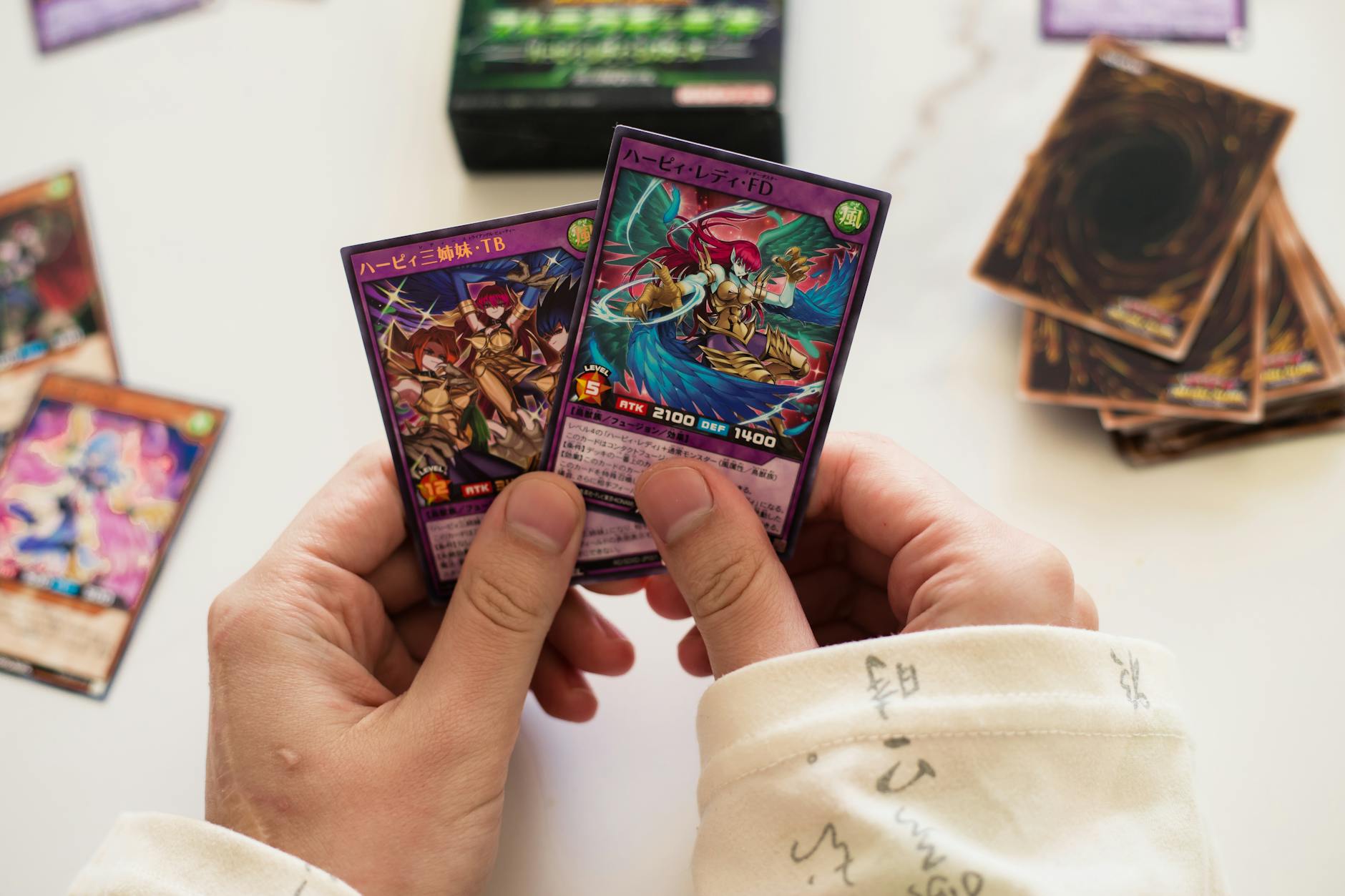
Within the broader category of first-era Pokémon cards exists a separate tier of artifacts: tournament prize cards and promotional variants. The Pikachu Illustrator card, created as a prize for a 1990s illustration contest, exists in only a handful of copies and represents the intersection of artifact rarity and cultural exclusivity. These cards were never distributed through retail channels—they were earned through specific competitive or creative achievement, making them fundamentally different from Base Set cards, which could theoretically be obtained by anyone with access to stores and money.
Tournament prize cards like the Tropical Mega Battle second-place finisher (PSA 10), which sold for approximately $75,000, illustrate how authenticity combines with historical specificity to create artifact premium pricing. These cards often include specific tournament information or limited production runs measured in dozens rather than thousands. For collectors seeking maximum artifact status—cards that represent not just the franchise beginning but specific, documented moments within Pokémon history—these tournament variants represent the upper echelon. The tradeoff, however, is availability: a collector with a $550,000 budget might acquire a high-grade Charizard, but the same budget cannot purchase certain tournament cards because they do not come to market with sufficient frequency.
THE FUTURE OF POKÉMON CARD ARTIFACTS AND MARKET EVOLUTION
The trajectory of Pokémon card valuations suggests institutional investment is beginning to recognize these cards as artifacts worthy of serious collection and preservation. Museums and major collectors are beginning to acquire significant pieces, treating them similarly to vintage sports memorabilia or historical entertainment collectibles. The 15–25% annual appreciation rates for high-grade Base Set cards indicate that the market still has room to recognize additional supply constraints and historical importance. As original Pokémon becomes more culturally distant (the franchise is now 25+ years old), the artifact status of first cards may deepen rather than diminish.
However, the market also faces headwinds. New Pokémon card releases continue annually, and younger generations of collectors may develop different priorities. The extreme valuations of cards like the $550,000 Charizard have created a bifurcated market where only elite specimens command extraordinary prices, while many first edition cards remain comparatively affordable. This fragmentation may actually strengthen artifact status for the truly exceptional cards while diminishing collectibility for lower-grade copies. For investors and collectors, understanding this distinction between artifact-tier cards and premium-but-not-exceptional cards will determine long-term collecting strategy.
Conclusion
Pokémon’s first cards function as original franchise artifacts because they represent an unrepeatable historical moment—the foundation of a global entertainment phenomenon—frozen in a physical, scarce medium. The record sale of a 1st Edition Base Set Charizard for $550,000, combined with consistent market appreciation and the physical scarcity of survivors in high grade, indicates that the market has recognized these cards as objects of historical and cultural significance, not merely gaming accessories. Authentication standards, scarcity metrics, and market behavior all align to elevate these cards beyond collectibles into artifact territory.
For collectors and investors, recognizing this status means understanding that the value of first edition Pokémon cards derives from irreproducibility, documented rarity, and cultural moment-capture. The cards that survived in pristine condition became artifacts through accident rather than design, but their current market position reflects conscious recognition of their importance to Pokémon history. Whether pursuing tournament variants like the Pikachu Illustrator or base set holos like the Charizard, the underlying logic remains the same: these cards preserved a moment when Pokémon emerged from concept into global culture, and that moment cannot be recreated.
Frequently Asked Questions
What makes a first edition Pokémon card different from a later printing?
First edition cards from 1999 carry a “1st Edition” stamp on the card, indicating they were from the initial print run. These cards are scarcer because later printings were produced in much larger quantities, and most first edition copies were damaged through use rather than preserved.
How do I verify if my card is authentic?
Authentic first edition cards display a black core layer visible along the edges. Professional authentication through PSA or CGC provides certified grading and authentication, though this comes with a fee. Avoid purchasing high-value cards without professional grading unless you have significant expertise.
Why did the 1st Edition Charizard sell for $550,000?
The combination of extreme rarity (approximately 120 PSA 10 copies exist worldwide), cultural significance (the Charizard is one of Pokémon’s most iconic cards), and historical importance (from the original 1999 release) created record-breaking valuation. The buyer was acquiring an artifact piece, not just a card.
Are all first edition cards a good investment?
High-grade copies of holographic cards and rare versions appreciate at 15–25% annually. However, non-holographic first edition cards appreciate more slowly, and significant investment is required to reach price points where that appreciation becomes meaningful in absolute terms.
What’s the rarest Pokémon card ever made?
The Pikachu Illustrator card, a tournament prize from the 1990s, is the rarest with only a handful of copies in existence. Some have sold for over £200,000, exceeding even the most expensive base set cards.
Should I get my cards professionally graded?
For first edition cards worth more than a few hundred dollars, professional grading through PSA or CGC is essential for both authentication and market value. Ungraded cards, even if authentic, typically sell for a significant discount.
You Might Also Like
- Why Pokémon’s First English Cards May Keep Gaining Value for Decades
- Why Future Collectors May Chase Base Set Pokémon Cards Like Historic Artifacts
- How First Edition Pokémon Cards Could Become the Crown Jewels of TCG Collecting