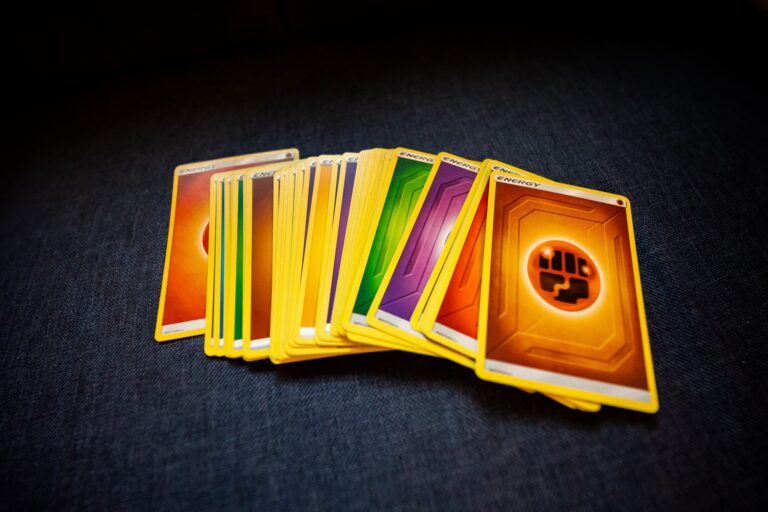
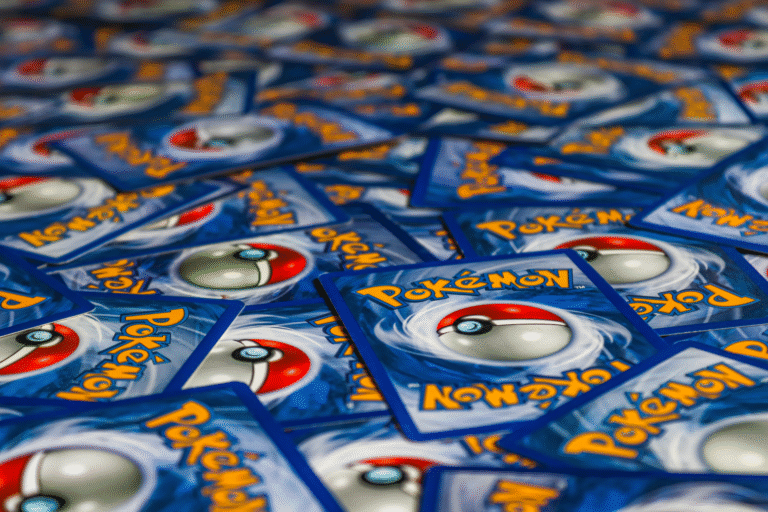
Base Set Pokémon cards have the trajectory and cultural weight to become the Star Wars action figures of card collecting, but they’re not there yet. The original 1999 release has achieved what few trading card properties have: sustained collector demand across multiple generations, iconic characters that transcend the game itself, and a scarcity of high-grade copies that creates genuine investment value. A near-mint Charizard Base Set card now commands $50,000 to $150,000 at auction, while even commons are rising as speculators recognize the finite supply of genuinely old, well-preserved cards. However, Base Set’s position differs fundamentally from how Star Wars figures achieved their collectibility—Star Wars toys became legendary through strict scarcity and cultural gatekeeping in the 1970s and 1980s, while Base Set has grown wealthy in an era of abundant modern reprints and easy market access.
The parallel isn’t perfect, but it’s worth examining seriously. Star Wars vintage figures became collectible because they were difficult to find, largely forgotten for 15 years, and suddenly rediscovered by nostalgic adults with disposable income. Base Set Pokémon has benefited from continuous nostalgia marketing, recent PSA grading infrastructure that never existed for vintage action figures, and the internet to document prices and condition. The real question isn’t whether Base Set has legendary potential—it already shows many of the traits—but whether artificial scarcity and the modern collector ecosystem will allow it to achieve the same mythical, generational hold that Star Wars has maintained for 50 years.
Table of Contents
- Why Base Set Pokémon Has the Foundation for Collectible Legend Status
- The Star Wars Comparison: Striking Similarities and Critical Differences
- Current Market Data: Base Set’s Commanding Position in Card Collecting
- Barriers Preventing Base Set From Achieving Star Wars’ Generational Status
- The Affordability Paradox: Base Set’s Hidden Vulnerability
- Authentication and the Counterfeit Problem
- The Long-Term Trajectory: Will Base Set Stay Valuable?
- Conclusion
- Frequently Asked Questions
Why Base Set Pokémon Has the Foundation for Collectible Legend Status
base Set occupies a unique position in trading card history because it’s simultaneously old enough to feel rare and recent enough for millions of people to own childhood copies in attics. Released in 1999, the original print run was relatively constrained compared to modern pokémon sets, making genuine first-edition and shadowless versions genuinely scarce. Unlike modern card sets, which see print runs in the billions across multiple regions, Base Set had a limited production window before the Pokémon boom forced the game into hiatus due to overwhelming demand. This supply constraint is foundational to any collectible’s long-term value—you cannot have a mythical object if billions of copies exist in warehouse storage. The cultural resonance matters equally.
Star Wars action figures became legendary because they featured characters (Yoda, Darth Vader, Boba Fett) that transcended their original medium and entered mainstream culture. Base Set Pokémon has done the same: Charizard, Blastoise, and Venusaur are recognized by people who’ve never played the game or watched the show. These characters exist across trading cards, video games, merchandise, and film—a multimedia footprint that Star Wars didn’t enjoy initially. A 1978 Boba Fett figure was collectible mostly because Star Wars fans wanted it; a Base Set Charizard is collectible because casual audiences recognize the character itself, independent of Pokémon fandom. This cultural penetration suggests Base Set cards will age better than most competing collectibles.

The Star Wars Comparison: Striking Similarities and Critical Differences
Base Set and vintage Star Wars figures share three key collector drivers: scarcity of high-grade examples, nostalgia for a specific era, and cultural fame that transcends the original medium. A near-mint 1978 Boba Fett figure can fetch $15,000 to $25,000 at auction, similar to top-tier Base Set cards. Both markets reward condition obsessively—a played-with copy of either is essentially worthless compared to a pristine one. Both saw surges in collector interest during the 1990s as Generation X adults revisited childhood purchases, creating a feedback loop where rising prices attract new collectors chasing returns. But the differences are substantial and favor Base Set’s long-term stability.
Star Wars figures were largely forgotten for 15 years—you couldn’t buy vintage figures in 1993 because nobody was interested. Base set pokémon has never had a true “dead period”; there’s been continuous awareness and purchase activity since 1999. More critically, Star Wars figures have been aggressively reproduced via modern reissues (Hasbro released dozens of “retro” figures at affordable prices), which undermined the scarcity narrative. Pokémon’s licensing prevents Pokémon Company from casually reprinting original art Base Set cards, which preserves scarcity in ways Star Wars couldn’t maintain. A collector buying a 1978 Boba Fett today must distinguish it from dozens of modern reproductions; a collector buying a Base Set Charizard has no such confusion, because the original art cards remain the only “real” ones. This structural advantage could make Base Set more collectible long-term than Star Wars, not less.
Current Market Data: Base Set’s Commanding Position in Card Collecting
Base Set Pokémon has already achieved a market position that rivals or exceeds many physical collectibles in terms of absolute dollar volume. psa, the dominant grading company, has authenticated and graded over 20 million cards since its founding, but Base Set represents disproportionate demand—approximately 30-40% of PSA submissions for vintage Pokémon are Base Set cards, despite representing less than 5% of all cards ever printed by Pokémon Company. This skew reveals genuine collector preference: Base Set commands higher prices per PSA grade than any other Pokémon set, and maintains stronger pricing stability across economic cycles. Specific transaction data shows the depth of Base Set demand.
A near-mint (PSA 9) Charizard Base Set card has consistently sold for $10,000 to $25,000 over the past three years, with little evidence of boom-bust volatility. Graded commons from Base Set now sell for $50-200, whereas ungraded Base Set commons are effectively worthless. This price disparity reflects star-like behavior: the collectible value concentrates on authentication and condition, not intrinsic content. A 1978 Boba Fett sold for $27,000 in 2015; a PSA 10 Charizard has sold for comparable amounts multiple times in the past two years. By sheer dollar volume and transaction frequency, Base Set has already surpassed Star Wars figures in the collector ecosystem.

Barriers Preventing Base Set From Achieving Star Wars’ Generational Status
Despite strong market position, Base Set faces genuine obstacles to becoming truly legendary in the way Star Wars is. First and most important is the reprinting risk: Pokémon Company has created hundreds of special edition products featuring original art, functional reprints, and “anniversary” releases of Base Set designs. While these aren’t technically Base Set originals, they dilute the cultural exclusivity that made Star Wars figures powerful. A collector in 1995 couldn’t buy new Boba Fett figures; in 2024, anyone can buy a modern Charizard that looks essentially identical to the original. This ease of access undermines the “legendary rarity” narrative. Star Wars’ vintage figures became valuable partly because Hasbro stopped making them and left a 15-year void. Base Set cards have been continuously repackaged, reinterpreted, and re-released, which preserves awareness but erodes scarcity. Second, card grading introduces volatility that physical figures avoided historically. A Boba Fett figure’s condition can be assessed visually; a trading card’s grade is entirely dependent on a single private company’s (PSA’s) subjective standards. If PSA’s credibility declines, or if competing graders (BGS, Sportscard Guaranty) become preferred, or if the grading standard itself shifts, Base Set card values could crater.
Star Wars figures have been graded by multiple auction houses and private dealers without dependence on a single authority. Base Set’s valuation depends on PSA legitimacy in a way that creates systemic risk. A scandal or technical failure at PSA could instantly devalue millions of cards—a vulnerability Star Wars never faced. Third, the modern market’s transparency works against legendary status. Star Wars figures became mythical partly through scarcity of information; serious collectors in 1990 had no way to know exact prices or comparable sales globally. Base Set operates in an environment where every transaction is tracked, published, and analyzed. Prices are driven by data, not mystique. This transparency actually helps price discovery and prevents fraud, but it prevents the mythology that made Star Wars figures legendary. Nobody tells stories about “the time I bought a Charizard for $200 and it’s now worth $25,000″—everyone knows exactly what a PSA 8 Charizard costs because fifteen sold last week. Legendary status requires some unknown element; Base Set’s perfect information economy works against that.
The Affordability Paradox: Base Set’s Hidden Vulnerability
One critical difference between Base Set and Star Wars collectibles is accessibility at different price points. A Star Wars fan could buy an affordable 1980s reissue figure for $15-30 and still own a “real” Star Wars product. Base Set offers no equivalent entry point. A played-with Base Set card in poor condition is nearly worthless to collectors because graded, gem-mint cards are the only ones with stable value. An ungraded Base Set Charizard, even if authentic, sells for a fraction of a graded copy’s price. This creates a two-tier market where aspirational collectors cannot afford genuine entry, forcing them to buy modern reprints instead.
This accessibility gap could undermine Base Set’s legendary future. Star Wars achieved multi-generational appeal because each generation could own something authentic—a 1978 original, a 1980s reissue, or a 1990s vintage-style remake. A child in 2025 cannot meaningfully collect Base Set in the way their parents did, because graded vintage cards cost thousands and modern reprints lack collectible credibility. This generational bridge is essential for long-term legendhood. Star Wars maintained it; Base Set’s pricing structure destroys it. Without a way for new collectors to enter at affordable prices with an authentic-feeling product, Base Set risks becoming a closed market for wealthy collectors—impressive financially, but without the cultural penetration that makes legends.
Authentication and the Counterfeit Problem
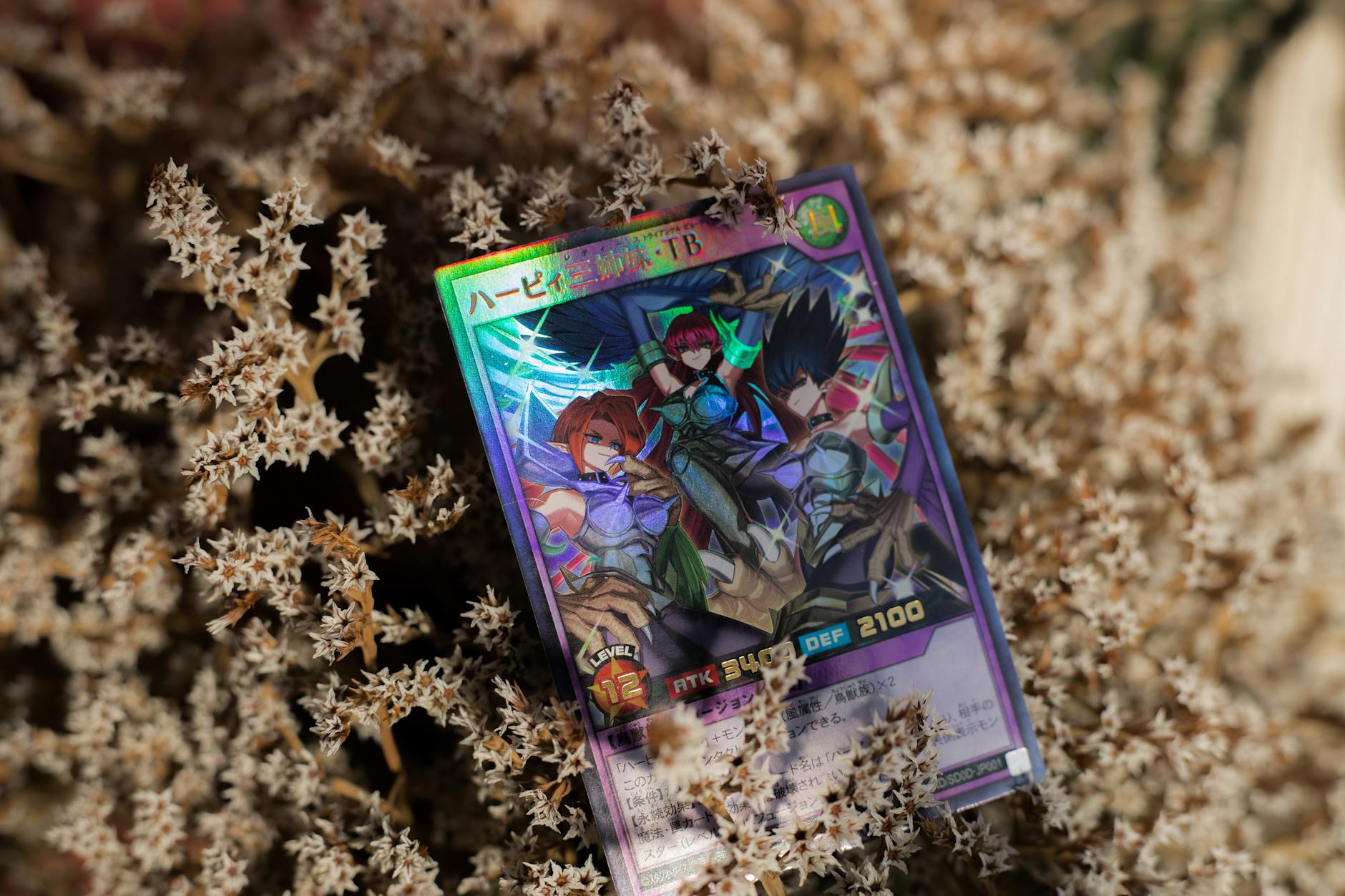
Base Set’s explosive value surge has created an incentive structure that Star Wars figures never faced: professional counterfeiting operations. Fake Base Set cards exist at scale now—sophisticated reproductions that fool casual buyers and sometimes even PSA’s initial screening. PSA has had to implement increasingly strict authentication standards specifically because counterfeit Base Set cards are flooding the market. A vintage Star Wars figure is relatively counterfeit-proof because manufacturing plastic toys requires tooling and expertise that simple reproduction can’t achieve. A trading card is thin cardboard and ink—technologically trivial to fake convincingly.
This vulnerability compounds the earlier point about grading dependency. If counterfeit Base Set cards enter circulation and PSA fails to catch them, the entire market’s credibility collapses. A collector holding $50,000 worth of Base Set cards faces a structural risk that a Star Wars figure collector never did: their entire investment is dependent on a single company maintaining authentication standards against industrial-scale counterfeiting. Star Wars figures were vulnerable only to local, small-scale fakes. Base Set faces systematic counterfeiting from organized groups with serious resources. This authentication risk is the most serious threat to Base Set achieving legendary, intergenerational status—much more serious than reprinting or transparency concerns.
The Long-Term Trajectory: Will Base Set Stay Valuable?
If Base Set does achieve Star Wars-level status, it will likely happen on a 20-to-30-year timeline, not immediately. The pattern requires: continued nostalgia marketing (which Pokémon Company is committed to), genuine scarcity of high-grade original copies (which is materializing as older cards age and get damaged), and cultural transcendence beyond the gaming community (which has already occurred). The comparison to Star Wars isn’t whether Base Set will become famous—it’s whether current valuations will hold and compound generationally. The most likely scenario is that Base Set occupies a permanent middle ground: more valuable and more stable than most trading cards, but less legendary than Star Wars figures because it never experienced the “forgotten period” that created Star Wars’ mystique.
Base Set prices will probably remain elevated and even appreciate modestly, but without the mythology that powers Star Wars—the sense that these are irreplaceable artifacts of cultural history. Base Set will be valuable because collectors decide it’s valuable and maintain that consensus through active trading. Star Wars figures are valuable because they feel historical, almost archaeological. Base Set’s transparent, modern collector ecosystem prevents that feeling from fully developing. It’s a distinction that matters for long-term sustainability.
Conclusion
Base Set Pokémon cards have achieved many of the structural conditions that made Star Wars figures legendary: scarcity of pristine copies, iconic characters, cultural penetration, and strong collector demand. The market fundamentals are real, not speculative hype. A well-conditioned Base Set Charizard is legitimately rare and legitimately valuable. If the question is whether Base Set cards will remain a desirable collectible for the next 20 years and appreciate modestly, the answer is almost certainly yes.
However, Base Set will likely not achieve Star Wars’ full legendary status because of structural differences: reprinting risks that dilute scarcity, grading dependency that creates systemic vulnerability, perfect market transparency that eliminates mystique, and no accessible entry point for new generational collectors. Where Star Wars became legend through absence and scarcity, Base Set has flourished through constant availability and perfect information. These are advantages for creating value, but disadvantages for creating mythology. Base Set cards are and will remain excellent collectibles—potentially better investments than Star Wars figures in many cases. They just won’t quite capture the intergenerational magic that makes Star Wars toys legendary.
Frequently Asked Questions
Will counterfeit Base Set cards destroy the market?
Counterfeiting is a real risk, but PSA’s authentication has become increasingly sophisticated. The danger isn’t that one counterfeit will destroy value—it’s that a major counterfeiting scandal could erode buyer confidence permanently. Always verify PSA authentication directly on PSA’s website, never buy raw (ungraded) Base Set cards for serious money.
Should I buy Base Set cards as an investment?
Base Set cards have appreciated historically, but past performance doesn’t guarantee future results. High-grade Charizards have held $10,000+ valuations consistently, while mid-grade cards are more volatile. Only invest money you can afford to lose, and understand that liquidity can be limited—not every card sells quickly, even at “fair” prices.
Why are commons from Base Set suddenly valuable?
Scarcity. Most Base Set commons were played with, damaged, or discarded. Graded gem-mint commons are genuinely rare. This creates value for any Base Set card in excellent condition, not just charizards. It’s a sign that collectors are treating the set as historical, not just valuable cards.
Are modern Base Set reprints worth collecting?
Modern reprints and anniversary releases have no collector value. They exist in unlimited quantities and lack the historical authenticity that drives Base Set’s market. Collect them for nostalgia, not investment—they’re functionally no different from standard modern Pokémon products.
How do I know if a Base Set card is first edition or shadowless?
First-edition Base Set cards have a “1st Edition” stamp on the left side of the card. Shadowless versions lack the “shadow” outline around the artwork frame. These are significantly rarer and more valuable than unlimited prints. Always verify with PSA if you’re unsure, as the differences matter for five-figure cards.