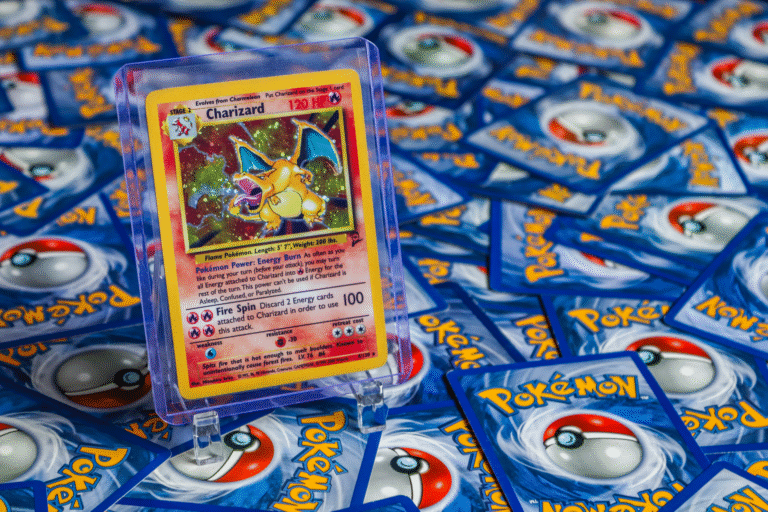
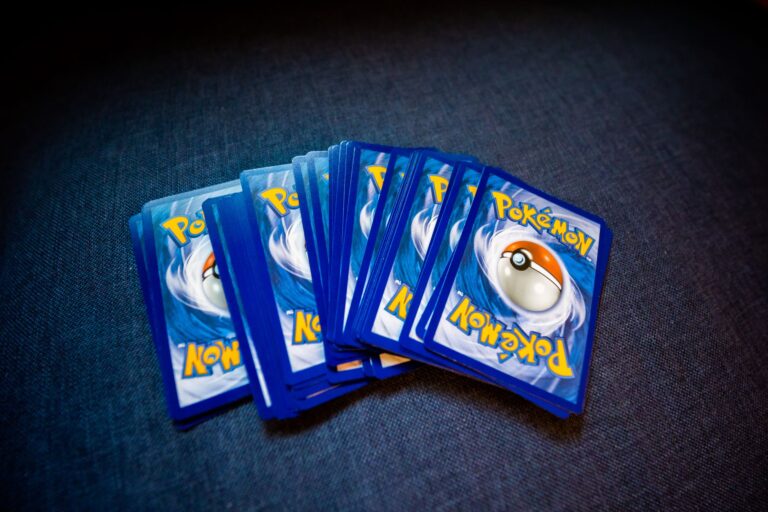
Pokémon’s 30th anniversary in 2026 has all the hallmarks of becoming the franchise’s most merchandise-saturated year ever, driven by a perfect storm of nostalgia cycles, new game releases, and deliberate corporate strategy to capitalize on aging millennial collectors with disposable income. Unlike the 25th anniversary in 2021, which occurred during pandemic card shortages and supply chain chaos, 2026 arrives with normalized production capacity, global retail distribution at full strength, and nearly two decades of proven product categories that didn’t exist in earlier celebration years. The 30-year milestone hits during a period when Pokémon Company International has demonstrated willingness to flood the market with anniversary-specific products—from premium TCG sets to collaborations with apparel brands, home goods, and even luxury watch makers—generating merchandise revenue streams that have become equally important to card sales themselves. The scale of this anniversary push is already visible through early 2026 announcements: exclusive card products with anniversary branding, limited-edition trainer collections, coordinated retail events across major chains, and partnerships with brands that rarely touch the Pokémon license.
This differs fundamentally from how previous anniversaries were managed. The 20th anniversary in 2016 focused primarily on TCG reprints and a single film. The 25th anniversary in 2021 suffered from immediate supply shortages that actually capped merchandise potential. The 30th arrives with lessons learned and infrastructure built specifically to sustain high-volume merch releases throughout the entire calendar year.
Table of Contents
- What Made Previous Pokémon Anniversaries Different?
- The Scale of Merch Categories Planned for 2026
- How Anniversary Collectibility Drives Card Demand
- The Market Impact on Graded Cards and Vintage Inventory
- Production Capacity and Supply Chain Realities
- Retail Exclusivity and Channel Strategy
- The Long-Term Market Trajectory After 2026
- Conclusion
- Frequently Asked Questions
What Made Previous Pokémon Anniversaries Different?
The franchise has celebrated major milestones before, but each had distinct constraints or advantages that shaped what actually reached collectors. The 20th anniversary in 2016 emphasized nostalgia boxes and special TCG sets, but merchandise was limited largely to official pokémon Company channels and a handful of retailers. Production was measured—intentionally so, since The Pokémon Company maintained a philosophy of controlled scarcity to preserve brand premium positioning. Contrast that with today’s environment: luxury department stores now stock Pokémon apparel at the same tier as mainstream fashion, and Target dedicates entire floor sections to Pokémon home goods year-round.
The 25th anniversary in 2021 demonstrated what happens when demand exceeds supply. Collectors camped outside retailers for Shining Fates boxes, secondary markets spiked to 200-300% of retail value, and The Pokémon Company faced criticism for undersupplying the very products they promoted. That year generated significant revenue, but the missed sales opportunities—products that sold out in hours that could have sold at consistent retail prices for months—taught the company a hard lesson about capacity planning. By 2025, facilities were already being expanded in response to those lessons, positioning 2026 to avoid repeating that constraint.

The Scale of Merch Categories Planned for 2026
The 30th anniversary merchandise lineup extends far beyond what previous anniversaries offered, touching categories that barely existed in gaming or entertainment licensing ten years ago. In addition to trading cards, The Pokémon Company has already previewed anniversary collections in: apparel (streetwear collaborations with established fashion labels), homeware (kitchen items, bedding, furniture), collectibles (statues, articulated figures), gaming peripherals (controllers, headsets, keyboards), and even non-traditional luxury goods. Each category targets a different segment—young collectors, adults seeking nostalgia, investors treating cards as alternative assets, and casual fans buying a single anniversary tee. However, there’s a significant limitation to watch: saturation risk.
When every retail category floods with the same anniversary branding, consumer attention fragments rather than consolidates. A collector walking into Target will see Pokémon anniversary merchandise across toys, apparel, home goods, and snacks simultaneously. The novelty factor diminishes when merchandise is unavoidable. Comparison to the “Pokémon Go” phenomenon in 2016 is instructive—initial merch sold instantly, but secondary-wave products languished on shelves as consumer interest normalized. The 30th anniversary risks similar dilution if The Pokémon Company doesn’t carefully manage release timing and exclusivity across categories.
How Anniversary Collectibility Drives Card Demand
Anniversary-exclusive trading card products typically feature special artwork, unique packaging, or cards with anniversary-specific stamps or variations that increase their collector appeal beyond standard releases. The 25th anniversary Pikachu VMAX Celebrations set became one of the most sought-after modern products, with certain boxes maintaining $80-120 values well above the $35-45 retail price. This year’s anniversary sets will likely follow the same trajectory—scarcity-driven collectibility that appeals both to players and to investors treating cards as stored value. For the card collecting community, this creates an extraction moment: anniversary products represent concentrated demand with defined endpoints, unlike ongoing standard sets.
The TCG portion of 30th anniversary merch will almost certainly include: anniversary-branded booster packs with exclusive card designs, premium collection boxes with limited artwork, potential special set releases (similar to Celebrations), and possibly ultra-premium products like vault collections that justify $200-300 price points. Looking at market data from 2021’s anniversary products, even moderately successful ones maintained 30-50% above-retail secondary values 12 months later. However, this assumes supply constraints. If The Pokémon Company produces unlimited quantities of anniversary products (attempting to prevent the 2021 shortage issue), collectibility premium erodes dramatically—cards become plentiful, and the investment thesis collapses.

The Market Impact on Graded Cards and Vintage Inventory
For collectors holding high-grade vintage cards, the 30th anniversary creates a dual-momentum scenario. Nostalgia and celebration momentum drive interest in Pokémon across all age groups, potentially broadening the market for vintage cards from the original 1999-2002 era. Grading companies are already seeing increased submissions as collectors prepare to sell or leverage their vintage holdings against the heightened market interest. However, new anniversary products also represent competition for collector spending. A collector deciding whether to purchase a PSA 8 Base Set Charizard for $4,000 or allocate that budget across multiple anniversary-exclusive boxes faces a direct opportunity cost.
The practical implication: 2026 is likely to see bifurcation in the vintage card market. Premium, investment-grade cards (PSA 8+) should benefit from increased collector interest and confidence. Mid-tier cards (PSA 5-7 range) may face margin pressure as newer collectors invest in accessible anniversary products instead. This creates an advantage for collectors trading upward—using anniversary product proceeds to fund purchases of higher-grade vintage inventory. The warning here is that this advantage is temporary and market-timing dependent. Waiting too long to sell anniversary merch risks the value collapse that typically occurs 6-9 months after anniversary windows close.
Production Capacity and Supply Chain Realities
The Pokémon Company learned hard lessons from 2021 about undersupplying anniversary products. Manufacturing investments announced in 2023-2024 specifically targeted increased card production and merchandise capacity. Major printing facilities in Japan and overseas were expanded or retooled to handle anniversary-scale demand. However, “increased capacity” doesn’t mean infinite supply—it means the company can produce at higher volumes while maintaining profitability and supply diversity across multiple product lines. One critical limitation: production prioritization.
Even with expanded facilities, The Pokémon Company cannot simultaneously maximize supply for standard sets, anniversary products, tournament products, international variants, and every merchandise category at peak demand. Retailers will likely experience selective stock-outs, where certain anniversary products remain available while others sell through quickly. This creates artificial scarcity that looks like demand, but actually reflects allocation decisions. The warning: don’t mistake available inventory for low demand. A product sitting on shelves might indicate the company overestimated demand, or it might indicate the product was deprioritized in favor of higher-margin items. Timing purchases based on perceived scarcity without understanding production strategy is a collector’s trap.

Retail Exclusivity and Channel Strategy
Different retailers will receive exclusive or timed-exclusive anniversary products, repeating a strategy that accelerated during the 2021 anniversary. Target secured exclusivity on certain Celebrations boxes. GameStop received different variants. Pokémon’s official website offered products unavailable elsewhere. For 2026, expect this fragmentation to intensify.
Walmart, Target, Best Buy, GameStop, international retailers, and the Pokémon Center online will each carry different anniversary products or variants. This strategy serves the company well—it drives traffic to multiple channels and prevents any single retailer from controlling supply or pricing. The collector consequence: completing a full 30th anniversary collection requires shopping at multiple retailers, often across international boundaries for certain exclusive items. A specific example comes from 2021: the Crown Zenith Pikachu VMAX (exclusive to certain regions and retailers) became a secondary market staple at 150-200% of retail value because not all collectors could access it through normal channels. The 30th anniversary will feature similar exclusivity dynamics. Plan for broader spending across channels and potentially higher total acquisition costs if pursuing comprehensive sets.
The Long-Term Market Trajectory After 2026
Historically, anniversary-driven peaks in card collecting flatten significantly 12-18 months after the celebration concludes. The 2016 20th anniversary saw declining demand by late 2017. The 2021 25th anniversary normalization occurred by mid-2023, though supply shortage recovery extended the elevated pricing longer than typical. By late 2027, the 30th anniversary window will have closed and standard-set focus will return. However, the merchandise volume associated with this anniversary may create lasting effects on the Pokémon collecting landscape.
If successful, it establishes a template—proving to The Pokémon Company that anniversaries can sustain merchandise-driven revenue alongside cards. The 35th anniversary in 2031 will likely follow an even more aggressive merch strategy. For collectors and investors, the critical insight is that 30th anniversary products will likely represent a peak valuation window, not a long-term hold. Anniversary exclusivity and limited production windows create the premium, not inherent utility or enduring demand. Products purchased at or near retail in 2026 will most likely depreciate toward or below retail by 2028, with exceptions only for the most sought-after or genuinely scarce items. Strategic selling during the hype window (2026-Q1 2027) preserves collector value better than holding until nostalgia fades.
Conclusion
Pokémon’s 30th anniversary in 2026 will almost certainly become the franchise’s biggest merchandise year in absolute terms—higher revenue, more product categories, broader retail distribution, and longer sustained demand than any previous anniversary celebration. The convergence of expanded production capacity, learned lessons from 2021’s supply shortages, and proven merchandise categories across apparel, home goods, cards, and collectibles creates an environment where The Pokémon Company can actually fulfill demand rather than be constrained by it. For collectors, this presents both opportunity and risk: unprecedented access to exclusive products, but also vulnerability to saturation that erodes collectibility premiums. The practical recommendation for collectors is to approach 2026 with strategic clarity—decide whether you’re collecting for personal enjoyment, investment return, or category completion before the anniversary rush begins.
Products purchased with an exit strategy (selling the highest-demand items during peak hype) tend to perform better financially than speculative holds. Vintage cards and high-grade graded stock will likely benefit from the broader collector engagement the anniversary generates. Focus resources there if capital is limited, rather than chasing every new anniversary product variant. The window will be long and broad, but the premium concentrated moment—when products are new, exclusive, and scarcity is perceived rather than proven—closes faster than most collectors anticipate.
Frequently Asked Questions
Will 30th anniversary products hold value like the 25th anniversary did?
Some will, most won’t. Anniversary products peaked in value 2-6 months after release in 2021. Only the rarest or most severely supply-constrained items (like regional exclusives or premium limited-print boxes) maintained significant premiums beyond that window. Plan to sell during the hype period rather than hold long-term, unless you’ve secured genuinely scarce variants.
Should I buy anniversary products at retail or wait for secondary market discounts?
Retail is optimal for products genuinely supply-constrained. Secondary market often offers 20-40% below retail if you wait 4-6 months, but this only applies to products that oversold or failed to capture demand. There’s no reliable way to predict which category each product falls into, so a hybrid approach works best—purchase your priority items at retail, wait on secondary-tier products for discounts.
Will vintage card prices increase because of 30th anniversary hype?
Yes, likely by 10-25% during 2026-2027, particularly for high-grade vintage stock (PSA 7+). Broader collector engagement generates sustained interest in classic cards. This is the best collateral benefit for long-term vintage collectors—you don’t need to pursue anniversary products to profit from the expanded market.
Is it worth grading cards specifically for the anniversary market?
Only if you’re grading cards already worth $50+, and only if turnaround time is fast enough to hit market during 2026. Grading costs ($10-30+ per card) and turnaround delays (4-8 weeks at best) may outpace the appreciation window. For lower-value cards, hold off on grading until after anniversary momentum passes.
What products should I prioritize if I can’t buy everything?
Priority order: (1) Anniversary-exclusive TCG products with unique artwork (highest collectibility premium), (2) Regional or retailer exclusives (genuine scarcity), (3) Ultra-premium boxes with multiple cards or collectibles (broadest appeal). Avoid overlapping categories—pick either anniversary apparel or anniversary home goods, not both.
Will The Pokémon Company continue anniversary merchandise strategy in 2031?
Almost certainly, and probably more aggressively. If 2026 succeeds financially, expect the 35th anniversary to include even more merchandise categories and longer lead-up planning. This is the company’s new playbook for major milestones.