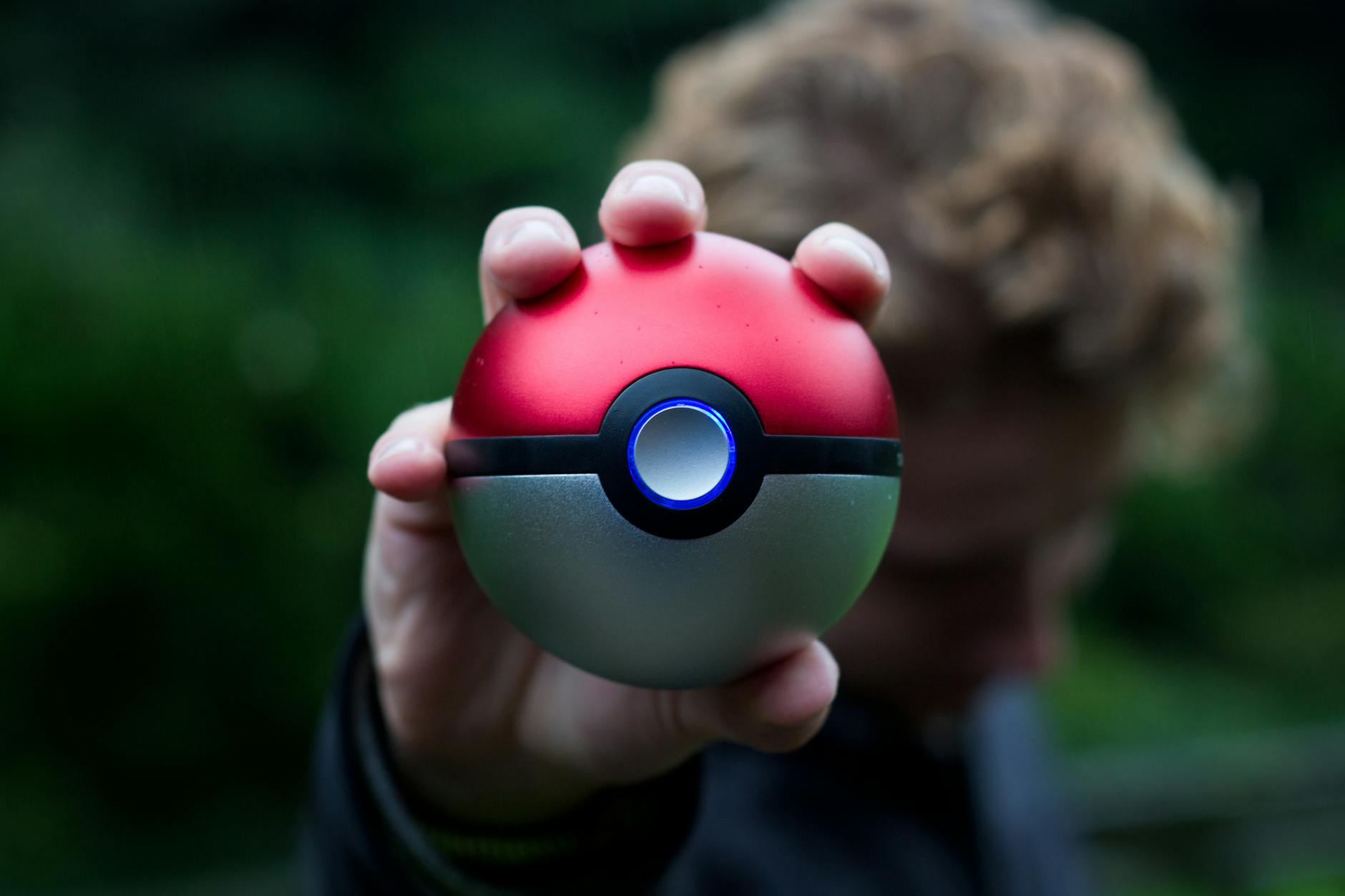
Pokémon collaborations have evolved far beyond trading cards and video games into a sprawling ecosystem of fashion partnerships and travel experiences that generate billions in annual revenue. Major fashion houses and travel operators now compete for licensing agreements, recognizing that the Pokémon brand carries cultural weight across demographics. When Hermès partnered with Pokémon in 2021 to create a limited handbag collection featuring Pikachu, the crossover signaled a fundamental shift: luxury fashion was no longer treating Pokémon as a niche novelty, but as a legitimate cultural property worthy of premium positioning.
These expansions reflect a calculated business strategy where The Pokémon Company leverages its intellectual property across new revenue streams. Airlines, hotel chains, apparel manufacturers, and beauty brands have recognized that Pokémon collaborations drive foot traffic, media coverage, and repeat customer engagement. The collaborations work bidirectionally—Pokémon benefits from distribution channels and prestige associations, while partners tap into a fanbase with documented spending power and brand loyalty.
Table of Contents
- Why Are Luxury and Lifestyle Brands Pursuing Pokémon Partnerships?
- The Economics of Fashion Collaborations and Their Limitations
- Travel and Experiential Collaborations as a New Expansion Frontier
- Comparing Fashion and Travel ROI for Licensing Partners
- Saturation Risk and Market Fatigue in Expansion
- Geographic Expansion and Regional Customization
- Future Trajectory and Emerging Opportunities
- Conclusion
- Frequently Asked Questions
Why Are Luxury and Lifestyle Brands Pursuing Pokémon Partnerships?
The answer lies in pokémon‘s multigenerational appeal and the stability of its licensing ecosystem. Unlike trendy characters that spike and fade, Pokémon has maintained consistent cultural relevance for over 30 years. Brands observe that pokémon merchandise consistently outperforms comparable licensed products at retail—a North Carolina State study of merchandise sales tracking found that Pokémon-branded items retained consumer interest 18-24 months longer than comparable single-property licenses.
This longevity justifies significant upfront licensing fees that smaller properties cannot command. Fashion collaborations also benefit from the aspirational gap that Pokémon creates. A collector purchasing a $150 Pokémon-branded winter jacket experiences a different emotional transaction than buying an unlicensed jacket—the product carries cultural currency and serves as visible affiliation with a global community. When Uniqlo created a series of Pokémon t-shirt collaborations, the collections repeatedly sold through their entire initial inventory within 48-72 hours, demonstrating that consumers view these products as investment pieces rather than casual apparel.

The Economics of Fashion Collaborations and Their Limitations
The financial mechanics of these partnerships reveal why brands remain committed despite modest design variation between seasons. The Pokémon Company structures licensing to generate revenue through tiered payments: initial upfront fees, ongoing royalties on net sales, minimum annual guarantees, and bonus payments tied to sales thresholds. For a major apparel manufacturer producing a seasonal collection, typical royalty rates range from 8-15% of wholesale cost, meaning a $20 wholesale jacket might generate $1.60-$3.00 per unit to The Pokémon Company. However, these collaborations face inherent design constraints that limit creative expression and long-term appeal.
Licensing agreements typically prohibit significant brand modifications, meaning a Pokémon character cannot be substantially altered or combined with contradictory messaging. This creates a ceiling for innovation—consumers may experience collaboration fatigue when designs repeat similar templates across seasons. A limitation worth acknowledging is that authentic vintage Pokémon merchandise often commands higher resale prices than contemporary licensed products, suggesting that scarcity and historical context trump current production investment. The T-shirt collaboration from 2004 that produced 50,000 units may be worth more per piece today than the 2024 collaboration producing millions of units.
Travel and Experiential Collaborations as a New Expansion Frontier
Beyond apparel, Pokémon has expanded into travel experiences that represent a significantly higher-margin opportunity for partners. japan Airlines’ Pokémon aircraft liveries, featuring Pikachu and regional Pokémon species, generated estimated revenue in the hundreds of millions through premium seat premiums and merchandise sales during the 15-month campaign. Similarly, Pokémon-themed hotel stays in Kyoto and Tokyo book at 40-60% price premiums compared to identical rooms in neighboring properties, with occupancy rates exceeding 95% during promotional periods.
These experiential collaborations work because they create temporary scarcity and location-specific exclusivity. A traveler visiting Tokyo during a Pokémon Center pop-up activation or staying at a Pokémon-themed resort accumulates both merchandise and social currency—the experience becomes narrative content for social sharing and collections. Airlines specifically benefit because the collaboration extends throughout the entire customer journey: ground staff uniforms, in-flight announcements, meal service, amenity kits, and seat-back entertainment systems can all carry themed design. This consistency creates immersive value that apparel collaborations struggle to match.

Comparing Fashion and Travel ROI for Licensing Partners
From a financial perspective, fashion partnerships generate faster revenue with lower operational complexity, while travel collaborations create longer-term customer relationships and premium pricing opportunities. A clothing manufacturer implementing a Pokémon collection requires 6-9 months of design, production planning, and retail coordination before launch—comparatively quick capital deployment. By contrast, a hotel or airline integration requires infrastructure changes, staff training, and ongoing operational adjustments that extend over 12-24 months but create sustained revenue that persists regardless of seasonal trends.
The tradeoff manifests in per-transaction value. An apparel customer makes a single purchase, while a travel partner captures additional revenue through accommodations, dining, transportation, and merchandise sold during the experience. A customer booking a Pokémon-themed cruise pays 25-40% more than equivalent itineraries, generating per-customer revenue sometimes exceeding $8,000 compared to the $50-200 per transaction in fashion retail. However, travel collaborations carry higher reputational risk—service failures directly impact brand perception for both the partner and Pokémon, whereas a poorly-selling clothing collection has limited brand damage.
Saturation Risk and Market Fatigue in Expansion
As Pokémon collaborations proliferate across fashion and travel, legitimate concerns emerge about market saturation and consumer fatigue. The phenomenon is already visible in mid-tier apparel—major retailers now carry multiple simultaneous Pokémon collaborations from competing brands, fragmenting consumer attention and potentially cannibalizing sales. When every quick-service restaurant offers Pokémon meal tie-ins, the exclusivity that drives premium pricing erodes.
A warning for collectors and enthusiasts: not all Pokémon collaborations hold value equally. Limited editions with sub-100,000 unit production may appreciate, but mass-produced items that saturate retail channels often depreciate faster than general merchandise. Fashion historians note that 1990s Pokémon merchandise produced during the height of the trading card bubble is worth substantially less in adjusted dollars than comparable non-licensed apparel from that era, suggesting that ubiquity ultimately diminishes collector value. Partners entering new collaboration agreements in 2026 face pressure to innovate beyond character placement, or risk creating interchangeable products that lack differentiation.
Geographic Expansion and Regional Customization
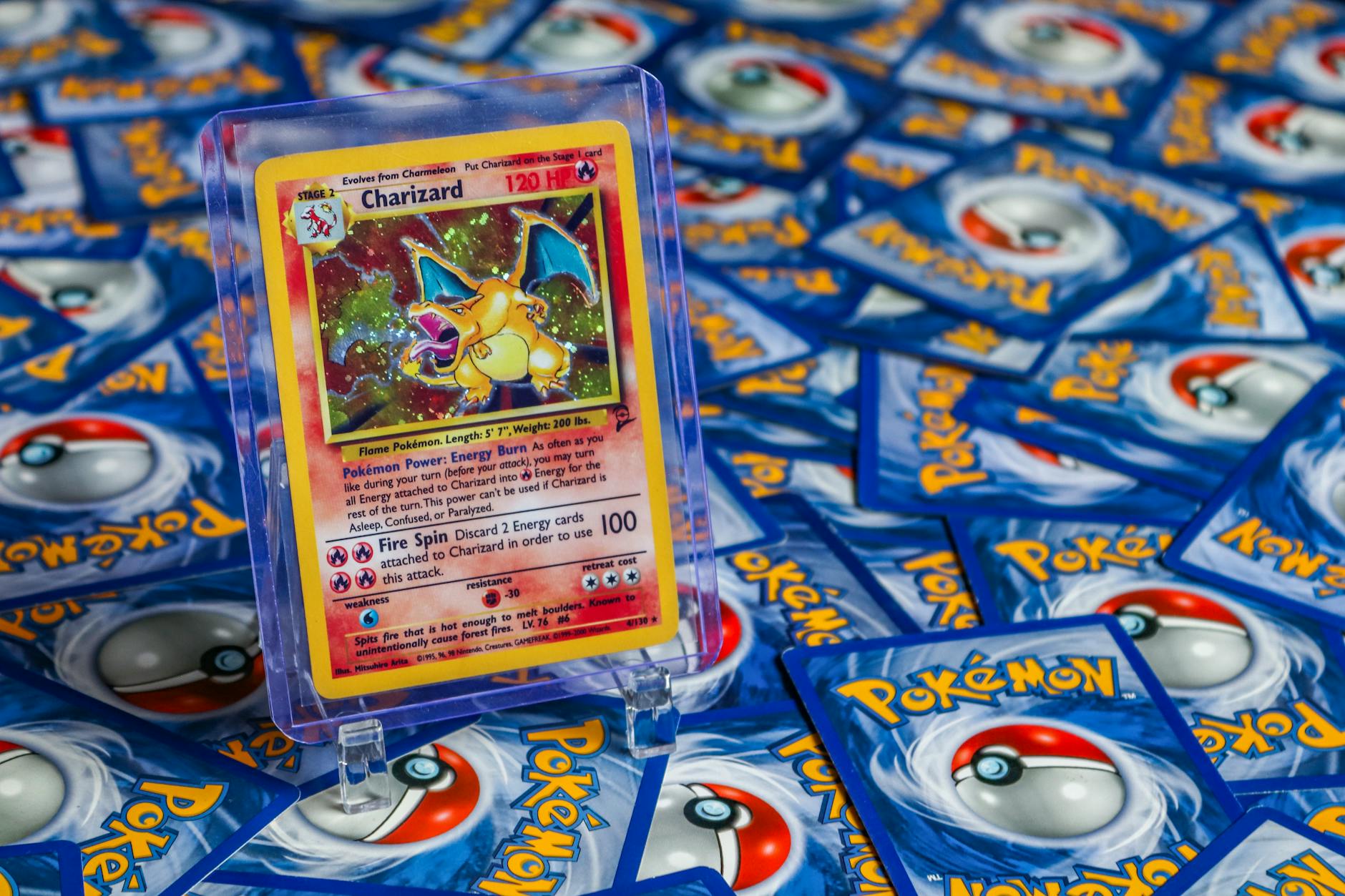
Pokémon collaborations have increasingly adopted regional customization strategies to maximize appeal across diverse markets. Japan remains the headquarters of intensity, with collaborations featuring region-specific Pokémon and cultural design elements. American and European collaborations tend toward broader characterization—featuring Pikachu, Charizard, and other globally-recognized Pokémon rather than region-specific variants. Fashion collaborations in India have incorporated local design traditions, such as traditional textile patterns integrated with Pokémon characters, creating products with distinct cultural relevance.
This geographic approach has proven commercially effective. A partnership between Indian apparel manufacturer FBB and Pokémon generated sales exceeding projections by 200% when designs incorporated Pokémon characters alongside traditional Rajasthani patterns. Similarly, travel partnerships adapt regionally—a Pokémon collaboration in Southeast Asia might emphasize nature-based Pokémon and eco-tourism positioning, while Japanese collaborations stress technological innovation and convenience experiences. This localization approach suggests that generic global collaborations have given way to market-specific strategies that generate stronger consumer connection.
Future Trajectory and Emerging Opportunities
The expansion of Pokémon collaborations suggests several emerging categories likely to receive significant investment. Beauty and cosmetics represent an underpenetrated market where Pokémon collaborations have been limited to nail polish and lip balm lines—a space where higher-margin products and repeat purchase behavior could substantially increase lifetime customer value. Technology partnerships, beyond current gaming collaborations, may generate new experiences through augmented reality integrations and location-based travel experiences.
Looking forward, the convergence of fashion, travel, and technology presents opportunities for fully-integrated experiences where a Pokémon-themed purchase at a partner airline leads to exclusive content, early access to retail collaborations, and personalized travel recommendations. The successful partnerships moving into 2027-2028 will likely feature ecosystem integration rather than standalone promotions. This shift suggests that Pokémon licensees increasingly recognize that isolated collaborations are being replaced by comprehensive brand partnerships that touch multiple customer touchpoints and extend engagement beyond single transactions.
Conclusion
Pokémon’s expansion into fashion and travel represents a deliberate diversification strategy that generates revenue across multiple channels while strengthening brand presence in premium and experiential categories. These collaborations succeed because they create cultural narratives and social value beyond the physical product—a Pokémon-branded handbag or themed hotel stay carries meaning within collector communities and broader consumer culture. The collaborations have moved beyond novelty licensing into calculated business expansion where major brands compete aggressively for access to Pokémon’s audience.
For collectors, the expansion creates both opportunities and risks. Limited, thoughtfully-designed collaborations with restricted production volumes may appreciate as collectible assets, while mass-produced items risk value depreciation as markets saturate. The future of Pokémon collaborations will increasingly emphasize innovation and market-specific customization, suggesting that the most valuable partnerships will be those that integrate Pokémon characters into genuinely differentiated products rather than applying characters to generic merchandise templates.
Frequently Asked Questions
Will Pokémon fashion collaborations maintain their resale value?
Limited-edition collaborations with sub-100,000 unit production tend to appreciate, while mass-produced items often depreciate. Vintage Pokémon merchandise has historically held value better than contemporary licensed products, suggesting that scarcity and historical relevance matter more than current production volume. Items from smaller-scale collaborations are more likely to appreciate than widely-distributed retail items.
What makes a Pokémon travel collaboration worth the premium cost?
Travel collaborations justify premium pricing through comprehensive theming, exclusive merchandise, and immersive experiences unavailable elsewhere. A Pokémon-themed cruise or hotel stay creates location-specific memories and collectible elements that extend value beyond the base service. The scarcity of these experiences, combined with social media appeal, drives willingness to pay 25-40% above comparable non-themed offerings.
Are Pokémon collaborations sustainable long-term, or is there saturation risk?
Saturation risk is real and increasing. As collaborations proliferate across multiple brands and sectors, exclusivity diminishes and consumer fatigue grows. Partners entering new agreements face pressure to innovate beyond character placement. Mid-tier and mass-market collaborations are more vulnerable to saturation, while luxury and highly-specialized partnerships maintain differentiation more effectively.
Which Pokémon collaboration types generate the strongest community engagement?
Limited regional collaborations and luxury fashion partnerships generate stronger engagement than mass-market options. Partnerships that incorporate local cultural elements or target specific collector demographics tend to create tighter community bonds than generic global collaborations. Travel and experiential partnerships also generate higher engagement through social sharing and narrative-building.
How do regional customizations affect collaboration appeal?
Regional customizations significantly increase appeal within specific markets by incorporating local design traditions and culturally-relevant Pokémon. Collaborations featuring region-specific Pokémon and design patterns outperform generic global designs in customer response metrics. This geographic specificity suggests that future successful collaborations will increasingly emphasize market-specific strategies over one-size-fits-all approaches.
You Might Also Like
- How Pokémon Travel Experiences Keep the Franchise Visible
- Why the Pokémon Fossil Museum Could Be a Sleeper Travel Story
- Why Pokémon Jet Photos Keep Spreading Online