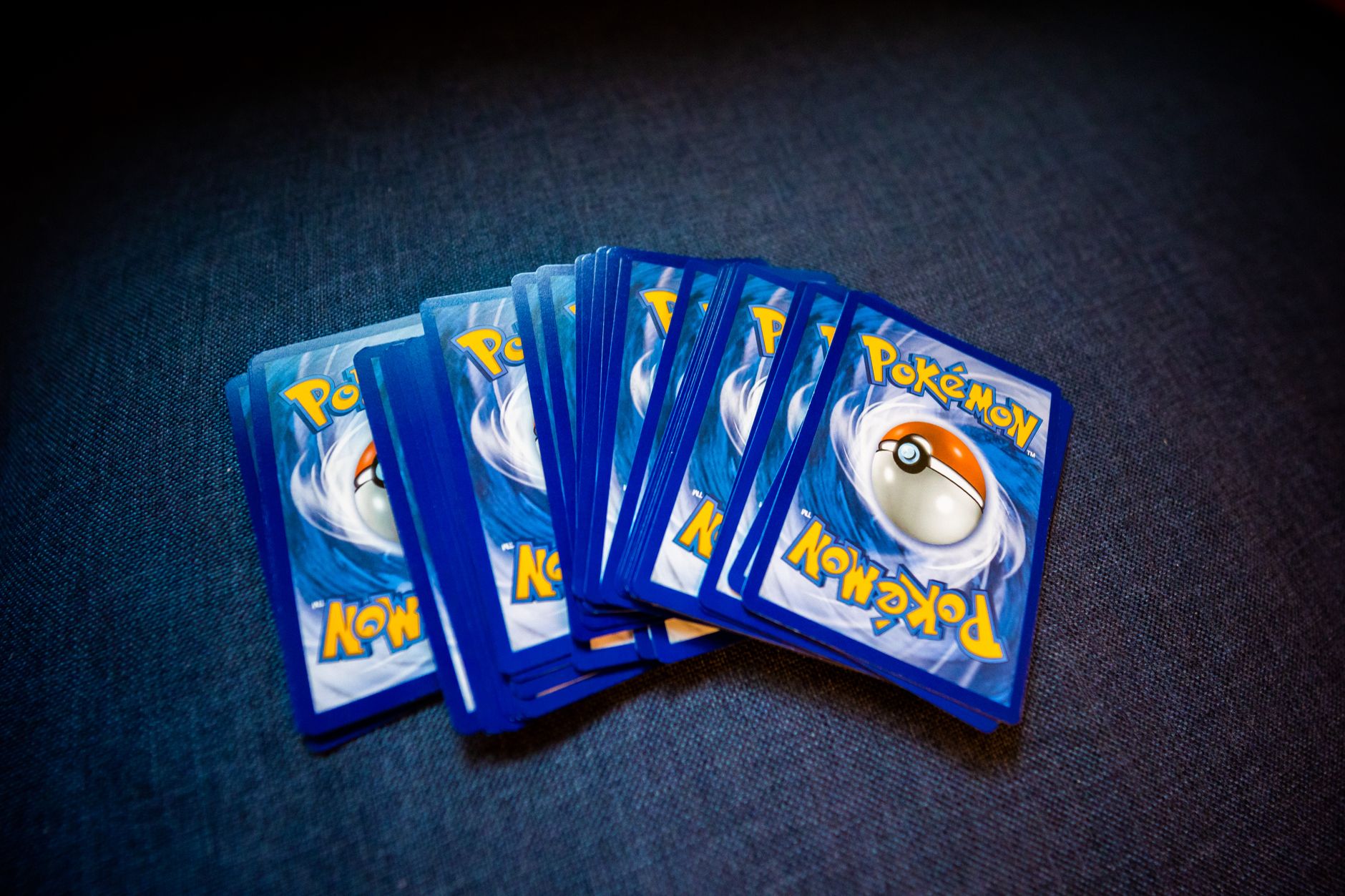
Yes, you can buy rare holographic Pokémon trading cards in mint condition online today, and the market is robust with options across multiple platforms. The most valuable holographic Pokémon card on record is a PSA 10 1st Edition Charizard Holo, which recorded a private sale for $700,000 in April 2026, demonstrating the astronomical prices these cards can command at the highest tier of rarity and condition.
For collectors with significant budgets, purchasing mint condition holographic cards has become increasingly accessible through established online marketplaces, though prices vary dramatically based on card type, edition, grading, and historical sales data. The online market for rare holographic Pokémon cards operates through a combination of general-purpose platforms and specialized dealers, each offering different levels of buyer protection and authenticity verification. Whether you’re seeking a Charizard, Blastoise, or Umbreon holographic card, the availability exists, but understanding condition standards, grading systems, and marketplace dynamics is essential before committing to a purchase.
Table of Contents
- What Makes Rare Holographic Pokémon Cards So Valuable?
- Understanding PSA Grading and Mint Condition Standards
- The Most Expensive Holographic Cards Currently on the Market
- Where to Buy Rare Holographic Pokémon Cards Online
- Risks and Considerations When Purchasing High-Value Cards
- Authentication and Verification Before You Buy
- Market Trends and Current Pricing Realities
- Frequently Asked Questions
What Makes Rare Holographic Pokémon Cards So Valuable?
holographic Pokémon cards represent a specific category within the trading card universe, distinguished by their visual appeal and production era. First Edition and shadowless printings from the original 1999-2000 release period command premium prices because they represent the earliest mass-produced holographic cards, with relatively limited quantities in perfect or near-perfect condition having survived decades of storage and handling. The rarity compounds when you layer in specific card characteristics—a Charizard has always been inherently desirable within the Pokémon community due to its cultural significance and visual design, which explains why a single 1st Edition Charizard Holo can reach stratospheric valuations.
Condition preservation is the primary value driver separating a $500 card from a $500,000 card. A Gem Mint Blastoise Holo sold for approximately $88,000 via eBay in July 2025, placing it among the top ten most expensive vintage Pokémon cards in current market conditions, whereas lower-graded versions of the same card might sell for hundreds or low thousands of dollars. The English Umbreon Gold Star achieved a record price of approximately $48,500 in late 2025, demonstrating that even cards outside the original base set can command extraordinary prices when condition meets demand. Print version, edition status, and centering all factor into whether a card remains in the $1,000 range or enters the five-figure territory.
Understanding PSA Grading and Mint Condition Standards
PSA (Professional Sports Authenticator) is the industry standard for grading Pokémon trading cards, and the grading scale directly correlates to market value. A PSA 10 represents a gem mint card with only minor imperfections visible under close inspection—slight wear, nearly perfect centering, sharp corners, and pristine surface quality. The difference between a PSA 10 and a PSA 9 (mint condition) can easily represent a 50 to 200 percent price difference depending on the card’s base value, meaning that condition is literally a primary value driver for holographic Pokémon cards in 2026. A card graded PSA 8 or lower drops into an entirely different market segment, where the same Charizard or Blastoise might sell for 10 to 20 percent of the PSA 10 equivalent’s price.
Mint condition cards are increasingly difficult to locate as older inventory surfaces from storage, because most cards produced in 1999 and 2000 experienced some degree of environmental degradation, play damage, or improper storage. Humidity, temperature fluctuations, light exposure, and contact with other cards all leave microscopic wear patterns that graders detect through their evaluation process. If you’re shopping online for mint condition holos, you should expect to pay substantially more for authenticated PSA 10 cards than for raw, ungraded cards, even if the ungraded card appears to be in excellent condition to the naked eye. The grading process itself costs $30 to $50 per card depending on turnaround time, so purchasing already-graded cards from sellers often represents a cost-effective alternative to submitting cards yourself.
The Most Expensive Holographic Cards Currently on the Market
The Charizard holds the title of most valuable holographic Pokémon card, with the $700,000 private sale representing an extreme outlier but establishing the ceiling for what collectors will pay. Below that tier, multiple other holographic cards regularly appear in five-figure sales, including the Blastoise ($88,000 in July 2025), various venusaur holos, and Machamp promos. The Umbreon Gold Star’s $48,500 valuation in late 2025 demonstrates that desirable Pokémon beyond the original three starters can command serious money, particularly if they have limited print runs or were part of exclusive set releases.
Finding these specific cards for sale online requires patience and access to multiple marketplaces simultaneously. A PSA 10 1st Edition Base Set Charizard is not a card that appears regularly on eBay or Amazon—most sales at that price point occur through private negotiations, specialized auction houses, or invitation-only dealer networks. Mid-tier high-value cards, such as PSA 9 or PSA 10 Blastoise holos or first edition Zapdos holos, do surface on online platforms more frequently, typically priced between $10,000 and $50,000 depending on specific grading marks and edition status. Collectors actively seeking these cards should monitor eBay’s Pokémon TCG Holo Rare category daily, set up saved searches on specialized card dealer websites, and establish relationships with dealers who can alert them when target cards become available.
Where to Buy Rare Holographic Pokémon Cards Online
eBay remains the largest marketplace for holographic Pokémon cards and offers an Authenticity Guarantee on trades over $250, providing buyer protection for high-value purchases. Amazon also carries holographic Pokémon cards, though the selection skews toward lower-value cards and current-era releases rather than vintage mint condition holos. Giant Sports Cards, a specialized dealer platform, caters specifically to card collectors and typically carries graded vintage inventory, offering more curatorial curation than general-purpose marketplaces but at premium pricing. Each platform has distinct advantages and limitations—eBay offers volume and competitive bidding dynamics, Amazon provides streamlined returns, and specialized dealers offer expert authentication but narrower selection.
When shopping online, expect price ranges to fluctuate based on current market sentiment, seasonal demand, and newly discovered inventory. A PSA 10 1st Edition non-Charizard holo from the base set typically sells between $2,000 and $8,000 on mainstream platforms, while PSA 9 versions occupy the $800 to $3,000 range. The seller’s reputation and return policy matter considerably—established dealers with thousands of positive ratings and clear return windows offer more security than one-time sellers or dealers without buyer protection policies. If you’re committing five figures or more to a single purchase, confirm the seller’s willingness to accept returns and their authentication guarantees in writing before proceeding.
Risks and Considerations When Purchasing High-Value Cards
Counterfeit holographic Pokémon cards circulate in significant volumes online, with sophistication ranging from obviously fake cards to high-quality reproductions that fool casual observers. Cards with counterfeit holographic patterns, printing irregularities, or weight discrepancies have been listed on mainstream marketplaces, which means that purchasing directly from unknown sellers carries genuine risk even with platform buyer protection. The most reliable safeguard is purchasing cards that are already graded by reputable authentication companies—PSA, BGS, or CGC—because the authentication and encapsulation process creates a barrier against counterfeits that raw cards do not provide. A raw, ungraded card sold for $5,000 or more, even if authenticated by the seller, carries more risk than a PSA-graded equivalent at double the price.
Price manipulation and market fluctuation also represent practical concerns for large purchases. The Pokémon card market experienced significant volatility during 2021 and 2022, with prices for vintage holos inflating 200-300 percent over months and subsequently correcting downward. While the current market has stabilized, the fundamental speculative nature of trading cards means that a $50,000 purchase today might represent a $40,000 card within six months if broader market sentiment shifts or new supply floods the marketplace. Collectors should purchase cards they intend to keep long-term rather than as financial investments, or accept that resale values carry inherent unpredictability. Additionally, online purchases create no physical inspection opportunity pre-purchase, meaning centering issues, print lines, or surface wear may only become apparent after a card arrives, so review seller photos exhaustively and confirm their return policy.
Authentication and Verification Before You Buy
Before finalizing any purchase over $1,000, independently verify the card’s grading if it’s PSA-graded by visiting PSA’s online database with the card’s authentication number. Counterfeits of the grading labels themselves exist, and cross-referencing a purported PSA 10 Charizard with PSA’s official database protects against slabbed fakes. Request high-resolution images that show the card from multiple angles, including close-ups of the holographic pattern, which carries extremely subtle characteristics that counterfeiters struggle to replicate perfectly.
Look for consistent pattern flow, appropriate chromatic shift, and no visible print inconsistencies within the holo pattern itself. Seller verification through marketplace reviews, social media presence, and dealer network participation indicates legitimacy. Established card dealers often maintain presence in collector forums, have long histories of transaction records, and allow returns without question because their reputation depends on authenticity guarantees. If a seller pressures you to purchase quickly, avoids detailed photo provision, or refuses returns, those are significant red flags regardless of the deal’s apparent value.
Market Trends and Current Pricing Realities
The holographic Pokémon card market in 2026 has cooled from its pandemic-era peaks but remains substantially elevated compared to pre-2020 pricing levels. High-grade vintage holos continue to appreciate in value, particularly first edition cards from the base and jungle sets, while shadowless and unlimited printings have shown more moderate price movement. Recent sales data shows that PSA 10 cards consistently command three to five times the price of PSA 9 equivalents, a ratio that has remained stable across the past 18 months. The market demonstrates sustained collector demand rather than speculative bubble dynamics, with prices driven by actual acquisition activity rather than artificial scarcity manipulation.
Available inventory for rare holos on mainstream platforms like eBay remains thin, with weeks occasionally passing between any PSA 10 base set holo listings. This low supply relative to collector demand suggests that current market prices have not yet reached a plateau. However, the discovery of vintage card collections in storage or estate sales periodically introduces significant new inventory, temporarily dampening prices before demand reabsorbs the supply. Collectors should monitor sales velocity and price trends on established tracking websites to understand whether they’re entering the market during a buyer’s or seller’s advantage.
Frequently Asked Questions
Can I buy a PSA 10 Charizard Holo online right now?
No. Authentic PSA 10 1st Edition Charizard Holos are extraordinarily rare—fewer than 100 exist in this grade globally—and do not regularly appear on retail platforms. They surface through private sales, invitation-only auctions, or specialized collector networks. Standard eBay and Amazon listings cannot provide access to this card tier.
What’s the cheapest rare holographic Pokémon card in mint condition I can buy online?
PSA 9 or PSA 10 holographic cards from the unlimited or shadowless printings typically range from $500 to $2,000, while 1st edition non-Charizard holos start around $800. Prices escalate steeply for rarer Pokémon like Blastoise or Venusaur.
How do I know if a card listed on eBay is authentic?
Prioritize pre-graded PSA, BGS, or CGC cards, verify the grading claim through the authentication company’s database using the card’s certification number, request multiple high-resolution photos, and review the seller’s transaction history and return policy thoroughly.
Does eBay’s Authenticity Guarantee protect purchases over $250?
Yes, eBay offers an Authenticity Guarantee for Pokémon TCG Holo Rare cards on transactions over $250, but the guarantee’s scope and payout limits should be confirmed directly with eBay before purchasing near this threshold.
Should I buy raw (ungraded) holographic cards online to save money?
Raw cards carry higher counterfeiting risk and lack the authentication verification that slabbed cards provide. If purchasing ungraded cards, factor in the $30-$50 submission cost to grade them, which often makes pre-graded cards more cost-effective overall.
Are there other retailers besides eBay, Amazon, and Giant Sports Cards?
Multiple specialized card dealers operate through dedicated websites, but they typically require established collector networks or referrals to access inventory. Local card shops occasionally stock high-grade holos, and auction houses periodically feature Pokémon lots, offering alternatives to mainstream online platforms.
You Might Also Like
- Rare Holographic Pokemon Trading Cards Mint Condition Buy Online Today
- Ungraded Holographic Pokemon Cards From Vintage Japanese Sets Now Available for Collectors
- Rare Trading Card Collector Valuation Guide Pricing Trends Assessment