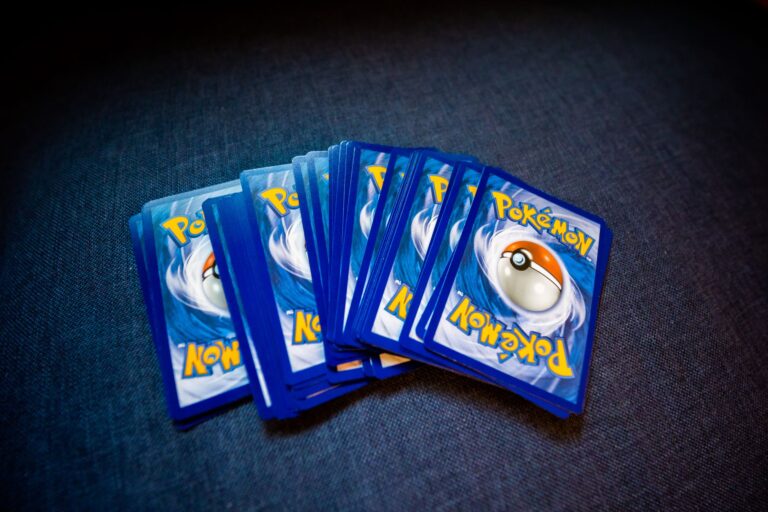
Pokémon anime casting announcements create global buzz because they signal new story arcs, character introductions, and interconnected game-anime narratives that immediately impact fan engagement and collector interest. The recent announcement of Ult, a new male character voiced by Natsumi Fujiwara for Pokémon Horizons: The Series, exemplifies this phenomenon—a single voice actor reveal generates discussion across social media, streaming platforms, and card collecting communities within hours. These casting decisions represent tangible proof that the anime is evolving, introducing characters who may eventually appear in trading card releases, which directly matters to collectors tracking character popularity and market value.
The scale of this buzz has expanded dramatically because casting announcements now function as industry signals. When a new character gets cast for the Wonder Voyage Arc launching May 22, 2026, collectors and anime fans don’t just see entertainment news—they see an indicator that this character may become a card collectible within 6-18 months. The live-action Pokémon series in development at Netflix with showrunner Joe Henderson, though casting-less at this stage, has already generated speculation about which characters might transition to live-action, affecting how fans and collectors assess the long-term cultural relevance of different character lineups.
Table of Contents
- Why Does Character Casting Drive Pokémon Anime Momentum Worldwide?
- How New Character Introductions Influence Card Collecting Behavior
- Netflix Distribution and Real-Time Global Fan Coordination
- Connecting Game Sales Momentum to Anime Visibility
- The Live-Action Dimension and Speculation Cycles
- Cross-Platform Character Development as Casting Indicator
- Future Casting Expectations and the Sustainability Question
- Conclusion
Why Does Character Casting Drive Pokémon Anime Momentum Worldwide?
Character casting drives momentum because pokémon‘s anime operates as a perpetual marketing engine for the broader franchise. When Pokémon Pokopia released on March 5, 2026, the game sold 2.2 million units within four days—a significant portion of those sales were influenced by concurrent anime visibility. New character announcements create narrative hooks that keep established fans invested while attracting viewers who might otherwise skip seasons. The Wonder Voyage Arc’s new female character with her Ditto companion represents a calculated introduction: Ditto is already collectible, already valuable to certain collector segments, and now has narrative prominence that amplifies demand.
The global dimension of this buzz reflects Netflix’s distribution infrastructure. Pokémon Horizons Season 3: Rising Hope debuted on Netflix in the US on January 6, 2026, while Season 2 arrived March 20, 2026. This staggered release model means casting announcements reach simultaneous audiences across continents, creating synchronized discussion peaks. Compare this to the pre-streaming era when anime seasons aired sequentially by region—casting announcements were localized events. Now a character reveal for the Japanese broadcast immediately triggers conversations in English-speaking collector forums, European fan communities, and Asian markets where Pokémon card premiums run highest.

How New Character Introductions Influence Card Collecting Behavior
The intersection of anime casting and card collecting creates real market dynamics, though collectors should understand the lag between announcement and product. A new character introduced in the May 2026 Wonder Voyage Arc episode might not appear as an official card until late 2026 or early 2027—that’s a 6-12 month delay that separates hype from actual collectible release. Collectors who anticipate this pipeline and position themselves ahead of the product announcement gain an advantage, but timing the market is speculative. The character Ult, for instance, is currently an anime-only entity; his card viability depends on whether The Pokémon Company decides he merits product development.
The new anime arc’s incorporation of elements from Pokémon GO, Pokémon UNITE, and Pokémon Sleep signals cross-platform character development. When a character appears across multiple games and the anime simultaneously, The Pokémon Company signals long-term investment in that character’s ecosystem. This multi-platform presence historically correlates with stronger card releases—characters with established gaming presence tend to receive more expansive card product lines. However, this isn’t automatic: the company regularly introduces characters that appear widely in anime but receive limited card representation, particularly if they fill narrative roles rather than protagonist positions.
Netflix Distribution and Real-Time Global Fan Coordination
Netflix’s simultaneous release strategy means casting announcements generate globally coordinated buzz that traditional television never achieved. When Season 3: Rising Hope aired on January 6, 2026, millions of viewers worldwide accessed the same content within days, enabling instant cross-region discussion. This simultaneity transforms casting into an event that transcends regional fan bases and creates unified market signals. A character’s popularity can be measured in real-time across multiple markets simultaneously, giving The Pokémon Company transparent data about which new character introductions resonate most strongly.
This global coordination creates advantages for engaged collectors but also disadvantages for those relying on regional insights. In previous decades, collectors could identify emerging character popularity through their local market behavior. Now, global enthusiasm visible within 48 hours of a Netflix release can drive international collector interest before local communities fully understand market implications. Collectors in markets with historically lower Pokémon TCG pricing sometimes experience rapid price normalization upward when global buzz reaches their regions, particularly if the new character aligns with existing collectible subthemes.

Connecting Game Sales Momentum to Anime Visibility
The relationship between game releases and anime casting is deliberately engineered by The Pokémon Company’s cross-media strategy. Pokémon Pokopia’s 2.2 million unit sales in four days coincided with sustained anime visibility, creating a feedback loop where game success justifies continued anime investment, which generates more casting announcements, which maintains fan engagement. For collectors specifically, this matters because high-profile game releases indicate The Pokémon Company’s confidence in associated characters and themes, predicting stronger TCG support.
However, game commercial success doesn’t guarantee TCG product quality or collector accessibility. Pokémon Pokopia’s strong sales suggest investment in that game’s character roster, but The Pokémon Company might choose to feature only high-profile characters in card releases, limiting representation across the full cast. Collectors betting on characters from commercially successful games should still monitor official TCG announcements rather than assuming all game characters receive equal card development.
The Live-Action Dimension and Speculation Cycles
The in-development Pokémon live-action series at Netflix, with Joe Henderson (showrunner behind Lucifer) attached to write and executive produce, introduces a new variable into casting buzz dynamics. Unlike the anime, which casts voice actors relatively quickly, live-action production requires casting human actors for Pokémon trainer roles and potentially for motion-capture or practical Pokémon interpretations. This process will generate sustained speculation cycles: character announcements, casting rumors, fan speculation about character designs, and eventual reveals. Each cycle generates renewed interest in associated collectibles.
The warning here is that live-action projects notoriously extend beyond initial timelines. No casting has been announced for this series despite its developmental status, meaning substantive casting news could arrive months or years from now. Collectors shouldn’t make purchasing decisions based on speculation about which characters might appear in a live-action adaptation with no confirmed timeline. Historical precedent with other franchises shows live-action reboots often include creative reinterpretations that disappoint fans invested in specific character lineups.

Cross-Platform Character Development as Casting Indicator
Characters appearing simultaneously in anime, trading cards, games, and merchandise represent The Pokémon Company’s top-tier investment tier. When the Wonder Voyage Arc incorporates mechanics from Pokémon GO, UNITE, and Sleep, it signals intentional cross-platform storytelling. This multi-platform presence historically predicts stronger and more frequent card releases.
Characters with this level of integration receive better art direction in card illustrations, higher rarity treatments, and more frequent reprints—all factors that matter to collectors assessing long-term value and accessibility. The Ditto companion in the new female character’s storyline exemplifies strategic cross-platform casting. Ditto is already established in cards, already collectible across decades of product, and now receives anime narrative reinforcement. This creates a ceiling effect for new demand—Ditto collectors already exist—but potentially increases demand from new viewers drawn to the character pairing.
Future Casting Expectations and the Sustainability Question
Pokémon’s anime casting model has reached a scale where announcements happen frequently enough that audiences are becoming desensitized to individual character reveals. The Wonder Voyage Arc and subsequent storylines will continue introducing new characters, each generating localized buzz, but the novelty of character casting itself is diminishing. Future casting announcements will need stronger hooks—unexpected voice actors, surprising character returns, or crossover casting—to maintain the global buzz phenomenon currently observed.
The long-term sustainability of this buzz depends on whether new characters convert from anime popularity to meaningful product presence. If the next three seasons of characters introduced via casting announcements fail to receive strong TCG support, collectors will increasingly discount anime announcements as ephemeral entertainment divorced from actual collectible opportunities. The Pokémon Company appears aware of this risk, as evidenced by coordinated game-anime-trading card development, but each casting cycle that doesn’t result in strong product support erodes collector faith in these announcements.
Conclusion
Pokémon anime casting creates global buzz because it signals narrative progress, cross-platform character investment, and potential trading card opportunities. The combination of Netflix’s simultaneous global releases, strategically timed game launches, and coordinated character development across multiple Pokémon media properties means casting announcements now function as industry signals that directly affect collector interest and purchasing behavior. New characters like Ult and the Wonder Voyage Arc’s female lead aren’t just entertainment additions—they’re indicators of The Pokémon Company’s strategic priorities.
For collectors, the key insight is that casting announcements should inform purchasing strategy, but shouldn’t drive it entirely. Monitor which newly cast characters receive subsequent product support, particularly in TCG releases. The lag between anime debut and card availability creates opportunities for collectors who anticipate this pipeline, but also risks for those who mistake temporary hype for sustained collectible value. The emerging live-action series and expanded multi-platform approach suggest casting announcements will continue generating buzz, but that buzz’s correlation to collector value depends on execution—not hype.