Immersive Pokémon events create shareable moments that organically spread across social media platforms, making them invaluable for building brand awareness, collector communities, and pricing dialogue. When fans participate in physical experiences—whether a Pokémon Center pop-up, a tournament with augmented reality elements, or an experiential collector’s showcase—they become content creators themselves, posting photos, videos, and real-time reactions that reach audiences far beyond the event venue. This user-generated content drives exponential reach at minimal cost to organizers compared to traditional advertising.
The specifics matter. When The Pokémon Company launched its Pokémon Center pop-ups in major cities, attendees flooded Instagram and TikTok with unboxing clips, rare card pulls, and merchandise displays. These organic posts accumulated millions of impressions, created FOMO among collectors who couldn’t attend, and sustained conversation weeks after events ended. The social amplification effect transforms a single event into a sustained marketing campaign powered by participant enthusiasm rather than paid promotion.
Table of Contents
- How Immersive Events Generate Engagement Beyond the Venue
- The Viral Spread Mechanism and Visibility Challenges
- Building Community and Establishing Authority Through Participation
- Leveraging Events for Price Discovery and Market Intelligence
- Managing Risk: Counterfeit Detection and Misinformation Challenges
- Real-World Examples of Successful Event Social Media Strategies
- The Future of Immersive Pokémon Events in a Digital-First Ecosystem
- Conclusion
How Immersive Events Generate Engagement Beyond the Venue
immersive events function as engagement catalysts because they offer tangible, visual moments that demand documentation. Unlike online card announcements or price updates, physical experiences give attendees a reason to reach for their phones and create content. Tournament brackets, rare card displays, collector meetups, and limited-edition merchandise drops all provide natural photo and video opportunities that feel authentic to viewers rather than scripted.
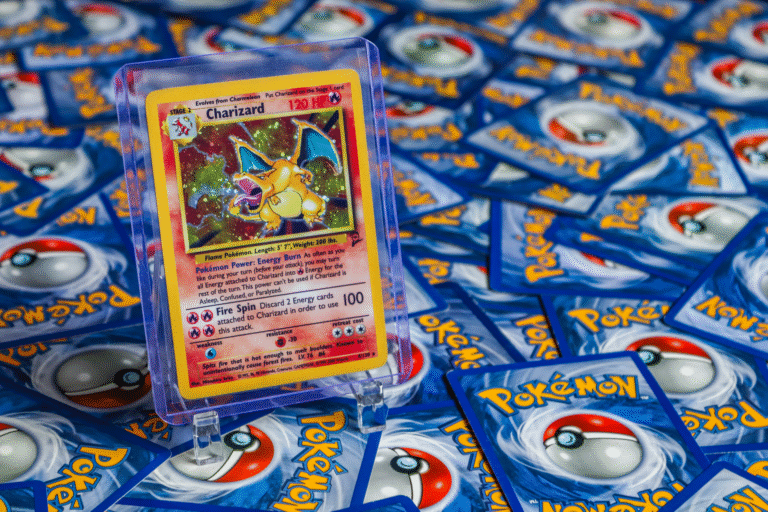
The engagement multiplier effect is substantial. One attendee posting a video of pulling a first-edition Charizard can generate thousands of views and comments from collectors debating the card’s market value, condition, and investment potential. This discussion directly feeds the pricing conversation central to collector communities. Compare this to a company simply publishing a price guide: the same information reaches far fewer people and generates minimal engagement because it lacks the human element and emotional stakes that immersive experiences provide.

The Viral Spread Mechanism and Visibility Challenges
Immersive events succeed on social media because they’re inherently visual and trigger emotional responses—excitement, envy, belonging, aspiration. High-quality card reveals, collector reactions, and exclusive merchandise create the type of content that algorithms favor: it drives comments, shares, and watch time. However, event organizers often underestimate the challenge of sustaining visibility after the initial spike. An event’s social media impact typically peaks during and immediately after the event, then drops sharply within a week unless organizers create intentional follow-up content.
The limitation here is real: geographic location restricts who can attend. pokémon events in Los Angeles or New York generate massive engagement, but collectors in smaller cities feel excluded, which can create backlash on social media if distribution feels unfair. Additionally, post-event content fatigue is common. Once the event photos saturate feeds, algorithms begin suppressing similar content, so the viral window is narrow—typically 5 to 10 days for peak visibility. Smart organizers extend this window by releasing behind-the-scenes footage, exclusive interviews with rare collectors, or announcements of upcoming events to maintain momentum.
Building Community and Establishing Authority Through Participation
Immersive events create spaces where collectors converge, share pricing insights, and establish themselves as knowledgeable voices within the community. When a collector attends a high-profile Pokémon event and documents their experience, they position themselves as an insider with direct access to market-moving information. This authority translates to social media followers, sponsorship opportunities, and influence over price discussions in forums and Discord communities. The social proof effect is powerful.
Collectors see respected community members attending events, pulling rare cards, and sharing authentication tips or pricing analysis. This visibility reinforces their expertise and makes their pricing recommendations more credible. A collector with 50,000 Instagram followers sharing their event experience carries weight that a marketing post from a company account cannot match. Events also create natural networking opportunities—dealers meet collectors, collectors meet other collectors, and relationships formed in person translate to ongoing online collaboration and information sharing.

Leveraging Events for Price Discovery and Market Intelligence
Collectors and pricing analysts use immersive events as real-time data collection points. When rare cards appear at events, attendees can assess condition grades, market reactions, and comparative pricing across multiple dealers present at the same venue. This information immediately influences online pricing discussions and can shift market valuations. For someone tracking Pokémon card prices, events serve as credible benchmarks for what collectors actually pay in real-world transactions versus theoretical prices listed online.
The tradeoff is that event-based pricing data is limited in sample size. A few rare card sales at a single event shouldn’t drive major price adjustments, but social media amplification can make those transactions feel more significant than they are. Some event attendees exaggerate or misrepresent what they saw, inflating prices based on incomplete information. Pricing analysts must cross-reference event reports with other data sources—actual sales history, condition reports, and broader market trends—rather than treating a single event’s social media coverage as authoritative.
Managing Risk: Counterfeit Detection and Misinformation Challenges
Immersive events attract not only legitimate collectors but also counterfeit dealers who exploit social media visibility to promote fake cards. When event photos circulate widely on Instagram and TikTok, counterfeiters use these images to misrepresent fake products as authentic pulls from the event. Buyers see glossy event photos and assume the cards shown are genuine, then purchase similar-looking fakes from suspicious sellers. Event organizers must implement authentication measures and educate participants about spotting fakes.
Warning signs include inconsistent print quality, wrong card weight, and unusual holographic patterns—details that become obvious in person but get missed in social media photos. Additionally, misinformation spreads rapidly during events. Unconfirmed rumors about rare card releases, altered pull rates, or exclusive merchandise can drive attendance based on false expectations, creating backlash when attendees discover the reality. Clear communication before, during, and after events is essential to prevent social media from becoming a vector for misleading claims.

Real-World Examples of Successful Event Social Media Strategies
The 2023 Pokémon Center 25th Anniversary pop-up in multiple cities demonstrated the power of immersive events combined with social media strategy. Attendees documented limited-edition merchandise, special booster box releases, and exclusive Pokémon Center cards. The resulting TikTok and Instagram content generated over 50 million impressions across platforms, with significant conversation around card grades, investment potential, and pricing comparisons.
Local card shop owners who participated reported sustained foot traffic increases for months after the event, driven by collectors who saw social media coverage and sought local alternatives when they couldn’t travel to major pop-ups. Another example: collector-organized grading tournaments with livestreamed components combine in-person immersion with remote viewership. Collectors grade cards, compete for prizes, and discuss authentication in real-time while viewers comment on social media. This hybrid approach extends the event’s reach beyond physical attendees, creates sustained engagement throughout the competition, and establishes credibility for both organizers and participating collectors.
The Future of Immersive Pokémon Events in a Digital-First Ecosystem
Immersive events will likely evolve to integrate augmented reality and blockchain verification technologies that authenticate cards in real-time during events. Imagine scanning a card with a phone app to instantly verify its authenticity and view its grading history and price trajectory—this functionality would transform events into interactive data collection experiences that participants naturally document and share.
The convergence of physical experiences and digital verification creates new opportunities for event organizers to build trust and reduce counterfeit risks while amplifying social media impact. Events that offer tangible, digitally verified experiences—where attendees leave with both a purchased card and cryptographic proof of its authenticity—are likely to generate higher-quality social media content and stronger pricing validation across online markets.
Conclusion
Immersive Pokémon events are transformative for social media engagement because they transform passive consumers into active content creators who generate authentic, emotion-driven material. The combination of visual appeal, community participation, and real-world transaction data creates a network effect where a single event sustains months of online conversation, pricing discussion, and collector interest. This organic amplification is exponentially more cost-effective and credible than traditional marketing.
The key to maximizing impact is recognizing that immersive events aren’t separate from online communities—they’re catalysts that accelerate conversation already happening on social media. Organizers and collectors who understand this dynamic, document events strategically, and cross-reference social media claims with verifiable market data will influence pricing trends and establish authority within collector communities. As events become more sophisticated and better integrated with digital verification tools, their power to shape market perception and drive engagement will only increase.