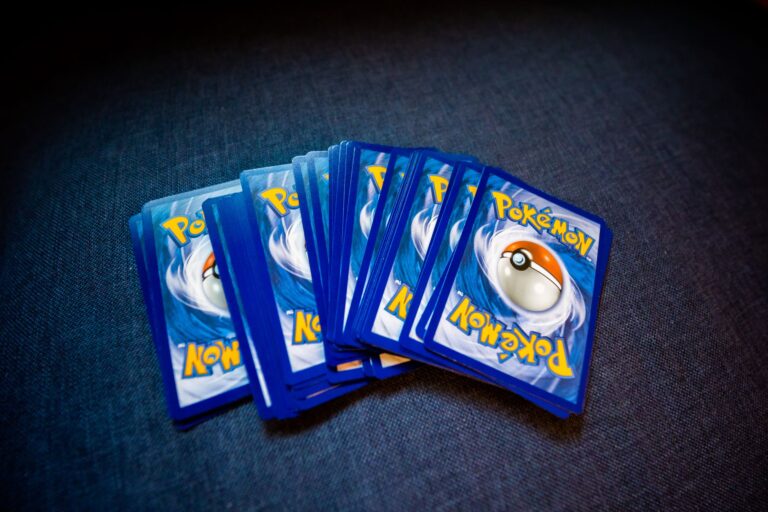
When Millennials reach their seventies and eighties, Pokémon Base Set cards will likely still have buyers—just not the ones you might expect. Generation Z and Generation Alpha will form the core demand, supplemented by institutional investors treating these cards as alternative assets, international collectors who never owned them in childhood, and a growing class of professional card traders who view the market with the same seriousness as fine art or vintage sports memorabilia.
The cards won’t vanish from the market; instead, they’ll follow the pattern of other vintage collectibles that survive their first generation of owners and find new audiences with different motivations for holding them. A PSA 9 Charizard from Base Set currently sells for $50,000 to $150,000 depending on centering and specific characteristics. When Millennials are old, that card—or its equivalent in condition and rarity—will still command significant money, but the person buying it might be a 45-year-old Gen Z collector who discovered Pokémon through mobile apps rather than physical cards, or an investment firm with a dedicated vintage collectibles portfolio.
Table of Contents
- Who Will Emerge As The Next Generation Of Pokémon Card Buyers?
- Investment Capital And The Professionalization Of The Collector Market
- The Role Of International Collectors And Cross-Border Demand
- Nostalgia Cycles And Reimagined Value Drivers
- Market Volatility And The Risks Of Over-Grading
- The Digital-Physical Collector Divide
- The Trajectory Of Value And Long-Term Sustainability
- Conclusion
Who Will Emerge As The Next Generation Of Pokémon Card Buyers?
Generation Z, born between 1997 and 2012, is already an active force in the Pokémon card market. Unlike Millennials, who largely stepped away from the hobby in their teens and only recently returned, Gen Z never fully abandoned it. They grew up with Pokémon GO, the TCG video game versions, and a continuous stream of new card releases. As Gen Z ages into their peak earning years, their buying power will increase substantially. Meanwhile, Generation Alpha—born from 2013 onward—represents untapped demand.
These children are growing up with even more integrated Pokémon media across platforms, making the physical card game a natural extension of their digital engagement. The limitation here is predictability. Generation Z’s buying patterns don’t necessarily mirror Millennials’ nostalgia-driven purchases. While Millennials returned to Base Set cards specifically because of childhood memories, Gen Z may have different preferences. They might favor Pokémon cards from their own childhood—Fossil, Jungle, Neo Genesis, or even later sets—rather than treating Base Set as sacred. This generational shift could redistribute demand across different eras of cards rather than concentrating it solely on the earliest sets.

Investment Capital And The Professionalization Of The Collector Market
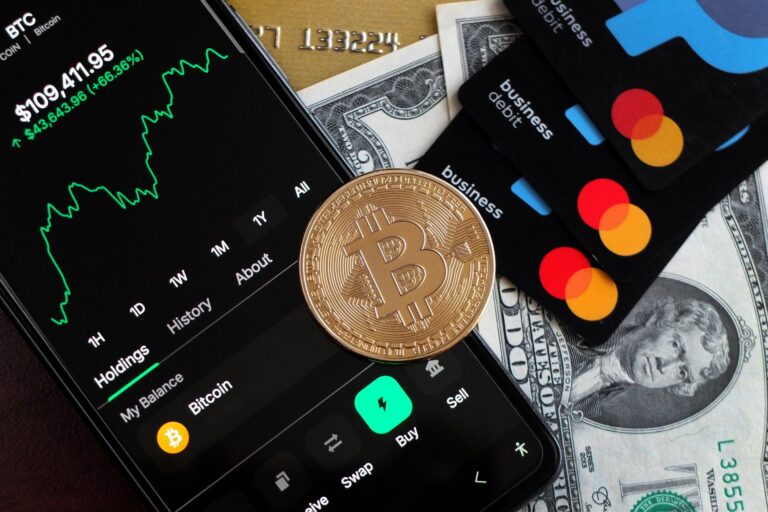
The Pokémon card market has already attracted institutional interest. Over the past five years, high-end Pokémon cards have been treated as investment vehicles comparable to sneakers, watches, and comic books. When Millennials age out as primary buyers, this institutional infrastructure will only deepen. Hedge funds and alternative investment platforms will have decades of price history and market data to justify allocating capital to vintage Pokémon cards. A portfolio of ten PSA 9 Base set holos might be held by a 60-year-old collector in 2060, but it could just as easily be owned by an investment firm managing collectibles for high-net-worth individuals.
One significant risk is market saturation and the potential for artificial value propping. The Pokémon card market has experienced periods of excessive speculation, particularly during 2020-2021. If too many Base Set cards are graded and held as investments rather than actively collected or played, the market could fragment. Buyers seeking playable cards or complete sets might struggle to find them because they’re locked in investment portfolios or storage vaults. This could depress demand or split the market into a premium “investment grade” tier and a secondary “player grade” tier with very different price trajectories.
The Role Of International Collectors And Cross-Border Demand
Pokémon’s global footprint is substantially larger than it was when Millennials were children. Markets in Japan, Europe, and Southeast Asia have robust collecting communities with their own price dynamics and preferences. Japanese collectors, in particular, have shown a strong preference for Japanese-language cards and specific regional variants. As Millennials age, the international collector base will likely grow more sophisticated and willing to pay premium prices for rare Western releases like the English Base Set.
A comparison worth noting: Japanese vintage Pokémon cards have appreciated differently than English cards, often commanding higher prices when supply is limited. When today’s older Millennials step back from the market, international demand could drive prices in unexpected directions. A card that’s common in North America might become rare and highly sought in Asia if circumstances shift. This unpredictability is a limitation for long-term collectors betting on stable value growth.

Nostalgia Cycles And Reimagined Value Drivers
Nostalgia is cyclical, not linear. Millennials rediscovered Pokémon cards partly through collective nostalgia, but that mechanism won’t work the same way for Gen Z or Gen Alpha. Instead, new value drivers will emerge. For Gen Alpha, Base Set cards might represent “historical artifacts from an earlier era of gaming”—valuable precisely because they’re old, mechanically different from modern cards, and tied to Pokémon’s foundational cultural moment. This is similar to how collectors value first-edition books or early video game cartridges, not necessarily because they personally used them, but because of their historical significance. The comparison to fine art is instructive.
A painting from 1850 doesn’t lose value because the artist’s contemporaries have died. It gains value through institutional recognition, scarcity, and the weight of history. Base Set cards could follow a similar trajectory, where their value is anchored in historical importance rather than in any single generation’s nostalgia. However, there’s a tradeoff: this requires that Pokémon itself remains culturally relevant. If the franchise fades significantly, even “historical artifacts” lose appeal. The bet, in other words, is that Pokémon will still matter when Millennials are old.
Market Volatility And The Risks Of Over-Grading
The Pokémon card market’s explosive growth has introduced new risks that will become more apparent as the market matures. Grading companies like PSA and Beckett have become crucial arbiters of value, but over-grading and market manipulation are real concerns. When a PSA 10 Base Set Charizard sells for $500,000, even small increments in grading standards have massive financial implications. Future buyers—particularly institutional ones—will be more skeptical and demanding about authenticity and condition assessment.
A warning: the current grading standards might not hold. If grading companies tighten their criteria in a decade, cards certified as PSA 9 today might be regraded as 8 or lower, instantly eroding their value. Additionally, counterfeiting has become sophisticated enough that even collectors and dealers struggle to distinguish fakes from authentic cards. When Millennials are old, the ability to verify authenticity will be crucial, and authentication technology will likely need to evolve. Buyers without access to advanced verification tools might face substantial risk.
The Digital-Physical Collector Divide
Pokémon’s universe increasingly includes digital collectibles and blockchain-based assets. When Gen Alpha reaches adulthood, collecting behavior could split between physical cards and digital assets. A future buyer might hold PSA-graded Base Set cards alongside digital Pokémon NFTs or in-game collectibles, treating them as part of an integrated portfolio. This doesn’t eliminate demand for physical cards, but it changes the psychology of why someone collects them.
Consider a 2055 scenario: a 30-year-old collector owns a PSA 9 Blastoise Base Set card, keeps it in a climate-controlled vault, and also holds digital variants through a blockchain platform. The physical card represents scarcity and tangibility; the digital version represents accessibility and liquid trading. Both drive value in different ways. Physical cards will likely remain the premium tier, but their role in the broader collecting ecosystem will shift.
The Trajectory Of Value And Long-Term Sustainability
The long-term picture for Base Set cards when Millennials are old depends on three factors: Pokémon’s continued cultural relevance, scarcity maintenance (avoiding reprints of the original Base Set), and institutional adoption. All three favor sustained value, though with caveats. Pokémon has already demonstrated staying power across multiple decades, and The Pokémon Company has been careful about reprinting decisions. The institutional adoption is accelerating, suggesting that investment vehicles will support demand even if casual collecting wanes.
However, the market will likely bifurcate. High-end cards (PSA 8+) will maintain and grow value as rare, certified assets. Mid-grade cards might stagnate or depreciate if supply exceeds demand from serious collectors. Near-mint and mint cards will always be scarce relative to lower grades, preserving their appeal. The real risk isn’t that Base Set cards become worthless—it’s that they become illiquid, held by investors unwilling to sell except at premium prices, making it difficult for new collectors to enter the market affordably.
Conclusion
Pokémon Base Set cards will have buyers when Millennials are old, but those buyers will likely have different motivations, different backgrounds, and different market expectations than today’s collectors. The buyers will include Gen Z and Gen Alpha collectors who discover the cards on their own terms, institutional investors treating cards as alternative assets, and international collectors who view Base Set English cards as rare Western artifacts. The market will be more sophisticated, more volatile, and more professionalized than it is today. For current Millennials holding Base Set cards, the takeaway is straightforward: value is likely to be sustained, though not guaranteed.
The cards represent real scarcity, historical significance, and durable demand from multiple demographic cohorts. The stronger play is to avoid relying on a single buyer profile or a single value driver. Cards that are both beautiful and historically important, held in excellent condition and properly authenticated, will outlast generational nostalgia cycles. The real uncertainty isn’t whether buyers will exist—it’s whether prices will match the optimistic projections some collectors are making today.