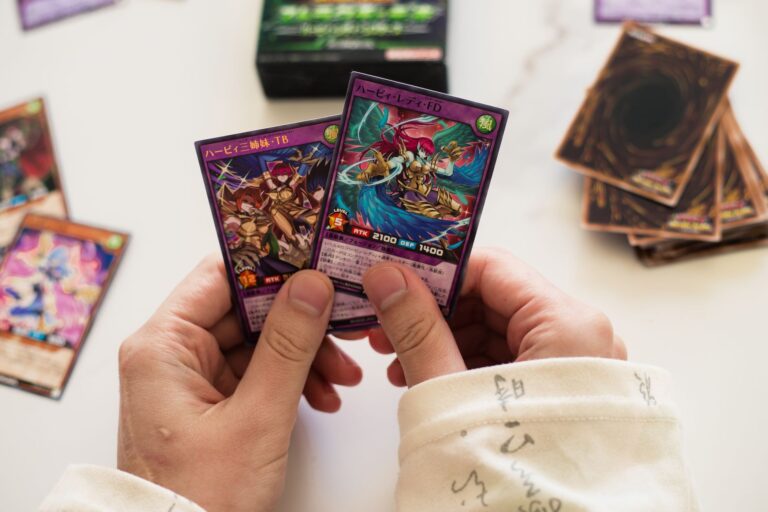
Before buying ungraded Pokemon cards, you need to understand that the raw card market operates differently from the graded market, with different pricing dynamics, different platforms, and different risk factors. While graded cards often command premium prices—sometimes 2 to 5 times what an ungraded card sells for—raw cards remain the foundation of the collecting hobby and continue to see significant value, especially for high-end pieces. In 2024, a 1999 First Edition Base Set Charizard sold for $350,100 ungraded at auction, proving that premium raw cards can command extraordinary prices without professional grading certification. The trading card market is booming.
The overall market was valued at $13 billion in 2024 and is projected to grow at an 8.5% compound annual growth rate, potentially exceeding $21 billion by 2034. Within this landscape, raw cards remain essential for collectors who prioritize building collections over speculation, who want to avoid grading fees, or who simply prefer to own cards without the cost and hassle of professional authentication. Understanding the raw card market means learning when to grade and when to stay raw, knowing which platforms offer the best prices, and recognizing which cards are worth investing in without certification. This guide covers everything you need to know.
Table of Contents
- How Much More Valuable Are Graded Cards Compared to Raw?
- The Hidden Cost of Grading—And Why It Matters
- Real-World Pricing: What Actually Happens When You Buy Raw
- When Should You Buy Raw Cards Instead of Graded?
- Common Pitfalls—Condition Assessment and Authenticity
- Building a Raw Pokemon Collection Strategy
- The Future of Raw Cards in a Growing Market
- Conclusion
How Much More Valuable Are Graded Cards Compared to Raw?
The premium for graded cards varies dramatically depending on the card’s original value and the grade achieved. For most trading card game collectibles, graded cards typically command 2 to 5 times the price of their raw equivalents, though this can stretch much higher for truly exceptional pieces. A psa 10 (Gem Mint) card can sell for 4 to 10 times the price of a raw version for high-demand items. However, these figures vary significantly based on the card’s condition and initial value.
Research shows a clear pattern: cards valued above $100 raw see value increases of 120 to 300 percent when graded PSA 10, while cards below $10 rarely exceed a 70 percent increase. In practical terms, a $200 raw card might jump to $600 when graded PSA 10, while a $5 raw card might only reach $8.50 after grading and certification. This disparity matters because grading costs between $20 and $65, depending on the service and card value, meaning low-value cards often lose money through the grading process.

The Hidden Cost of Grading—And Why It Matters
Professional grading isn’t cheap, and the economics matter more than many collectors realize. PSA, the most popular grading company, charges $32.99 for cards valued up to $500 and $64.99 for cards up to $1,000. CGC charges $20 per card, with CGC 10 grades typically selling at 80 to 90 percent of PSA 10 value. SGC 10s sell at only 60 to 75 percent of PSA 10 values, reflecting market perception of grading authority. These costs create a breakeven threshold. Industry experts recommend only grading raw cards worth at least $50 in their ungraded state, and only if they appear to be in excellent condition that justifies the time and cost.
A $40 raw card that grades PSA 9 will likely lose money after fees. A $200 raw card that grades PSA 8 might barely break even. This is why serious collectors carefully evaluate which cards deserve professional authentication and which should stay raw. The grading process also introduces risk. Cards can be damaged during transit, and a card that looks like a PSA 10 to you might grade as a PSA 8 or lower to professional graders. The financial loss in that scenario—paying $65 to have a $500 raw card potentially dropped to $150 value—is why many collectors prefer to hold raw cards, especially if they’re uncertain about the grade.
Real-World Pricing: What Actually Happens When You Buy Raw
The raw card market has its own ecosystem of pricing and value. When you purchase ungraded Pokemon cards, you’re buying based on condition assessment (which is subjective), rarity, and demand. TCGPlayer, the leading platform for buying raw Pokemon card singles, bases its Market Price metric on actual sales data, giving you a realistic sense of what cards are worth in ungraded form. Consider a practical example from sports cards, where the data is more publicly available: a Trae Young rookie card in raw condition sells for roughly one-sixth the price of a PSA 10 version of the same card. This 6x premium illustrates why many collectors send their best cards to be graded—but it also shows why selling raw versions of the same card makes sense for cards that don’t quite reach that top condition threshold.
In Pokemon specifically, high-demand base set cards and first editions command strong raw prices, but the premium for grading those same cards can be substantial enough to justify the cost if they grade highly. The market size for raw cards is growing too. Online marketplaces now account for 48 percent of global trading card sales, and demand has shifted dramatically toward entertainment-themed collections. Sports card demand surged 54 percent, while entertainment-themed card purchases rose 29 percent and demand for graded or limited-edition acquisitions increased 33 percent. This means the raw market is becoming more fragmented and specialized—there’s more competition for raw cards but also more buyers looking at different angles of the market.

When Should You Buy Raw Cards Instead of Graded?
Buy raw cards when you intend to actually collect and enjoy them, not speculate on them. If you’re building a Pokemon collection to keep and appreciate, raw cards offer better value per dollar spent. You avoid the premium that graded cards command, and you can often find better-condition examples for lower prices by being selective and patient in your shopping. Raw cards also give you flexibility—you can always upgrade later by grading a particularly nice copy, but you’re not locked into the grading decision upfront.
Raw cards also make sense for cards below the $50 threshold where grading economics don’t work. A $15 raw card might be beautiful and worth keeping, but grading it will never pay off financially. Similarly, if you want complete sets or large collections, buying raw allows you to accumulate cards more affordably. Many serious collectors build their main collections in raw, then selectively grade the crown jewels—the cards that reached high grades and justified the grading cost.
Common Pitfalls—Condition Assessment and Authenticity
The biggest risk in buying raw cards is misunderstanding condition. Online sellers use grades like “Near Mint” or “Lightly Played,” but these terms are subjective. What one seller calls Near Mint another might call Excellent. This is a limitation of the raw market—you’re trusting seller assessment without third-party authentication. Always look at detailed photos, check return policies, and buy from established sellers with strong track records.
Platforms like TCGPlayer offer buyer protection, but disputes still take time to resolve. Authenticity is another concern, though less common in the Pokemon market than in sports cards. Counterfeit Pokemon cards exist, particularly high-value vintage cards. When buying raw versions of expensive cards, verify authenticity through detailed examination of printing quality, card stock weight, and packaging. If you’re spending significant money on a raw card you suspect might be counterfeit, professional authentication through grading is actually a smart investment, not a luxury.

Building a Raw Pokemon Collection Strategy
Building a raw collection means deciding what you actually want. Do you want complete base sets? Specific holos? First editions? Your strategy determines where to shop and what you’ll pay.
Raw collections allow you to chase specific goals without the premium of graded cards, which can help you build faster and more affordably than collecting only graded cards. A practical example: building a complete raw Pokémon base set (all 102 cards) costs roughly 20 to 40 percent less than the graded equivalent, even if you wait for nice condition examples. You can own the full set, pull the cards you love, and then later decide whether any individual cards warrant grading based on their condition and current market value.
The Future of Raw Cards in a Growing Market
The raw card market is expanding as the overall trading card market grows. The sports card market alone is projected to grow from $33.6 billion in 2024 to $271.2 billion in 2034—a staggering expansion that will create opportunity in raw cards as new collectors enter the market looking for entry points and affordable ways to build collections.
This growth suggests that raw cards will remain the foundation of the hobby, with grading serving as an upgrade path for premium pieces rather than the default for all cards. As the market matures, raw card platforms will likely become more sophisticated with better authentication standards and clearer condition guidelines. The recent surge in online marketplace adoption (now 48 percent of all card sales) suggests that digital platforms for raw cards will continue improving, making it easier to find, price, and trade ungraded cards fairly.
Conclusion
The raw card market represents the foundation of Pokemon collecting—it’s where most collectors start, where affordable cards are found, and where you can build meaningful collections without paying grading premiums. Understanding the economics of grading, the condition assessment process, and the platforms where raw cards are sold will help you make informed buying decisions. The key is matching your buying strategy to your actual goals: if you collect for enjoyment, raw is often the right choice; if you speculate on high-end investments, grading may justify its cost.
Start by learning to assess condition, shopping on established platforms like TCGPlayer, and buying from sellers with strong reputations. Over time, you’ll develop the eye for condition that lets you identify cards worth holding raw versus candidates for future grading. The raw card market offers tremendous value for patient, informed collectors.