
Collectors prefer raw ungraded Pokémon cards for several fundamental reasons: cost savings, authentic condition assessment, and personal control over the card’s future. When you buy a raw card, you’re purchasing the physical card itself without the expensive certification process that grading companies charge—typically between $20 and $100 per card depending on turnaround time. A Base Set Charizard that costs $1,500 raw might cost $3,500 or more once graded and slabbed by PSA or BGS, making raw cards accessible to collectors who want to own iconic pieces without the premium markup.
Beyond economics, many experienced collectors trust their own eye over a third-party grade. They’ve learned to spot print lines, centering issues, and wear patterns through years of handling cards, and they’d rather own a high-quality raw card they’ve personally vetted than gamble on a graded card’s authenticity or trust a numerical score that doesn’t always reflect real-world value. For these collectors, the slab—the protective case that houses graded cards—often feels like a barrier between them and the card itself.
Table of Contents
- What Makes Raw Cards More Appealing Than Graded Alternatives?
- The Authenticity Advantage and Quality Control
- Market Dynamics and Personal Enjoyment in Raw Collecting
- Strategic Buying and Long-Term Value Considerations
- Risks and Limitations of Staying Raw
- Building a Raw Collection as a Serious Hobby
- The Future of Raw Cards in an Evolving Market
- Conclusion
What Makes Raw Cards More Appealing Than Graded Alternatives?
The financial argument for raw cards is straightforward but powerful. A psa 8 Base Set Blastoise might sell for $800, while the same card raw but in equivalent condition costs $300 to $400. That $400 to $500 difference represents the grading fee plus the premium buyers pay for the perceived security of a third-party grade. For collectors building large collections or starting out, this multiplier quickly adds up. Instead of owning five graded cards, a collector with the same budget might own fifteen raw cards of similar condition and rarity.
Grading also introduces uncertainty that contradicts its purpose. Two identical-looking cards can receive different grades depending on which company grades them or which grader at that company examines them. A card graded PSA 7 by one company might receive a bgs 8 from another, and collectors have reported receiving cards back with lower-than-expected grades that don’t match the card’s actual condition. With a raw card, the condition is what you see—no surprises, no appeals process, no fees to challenge a grade you disagree with.
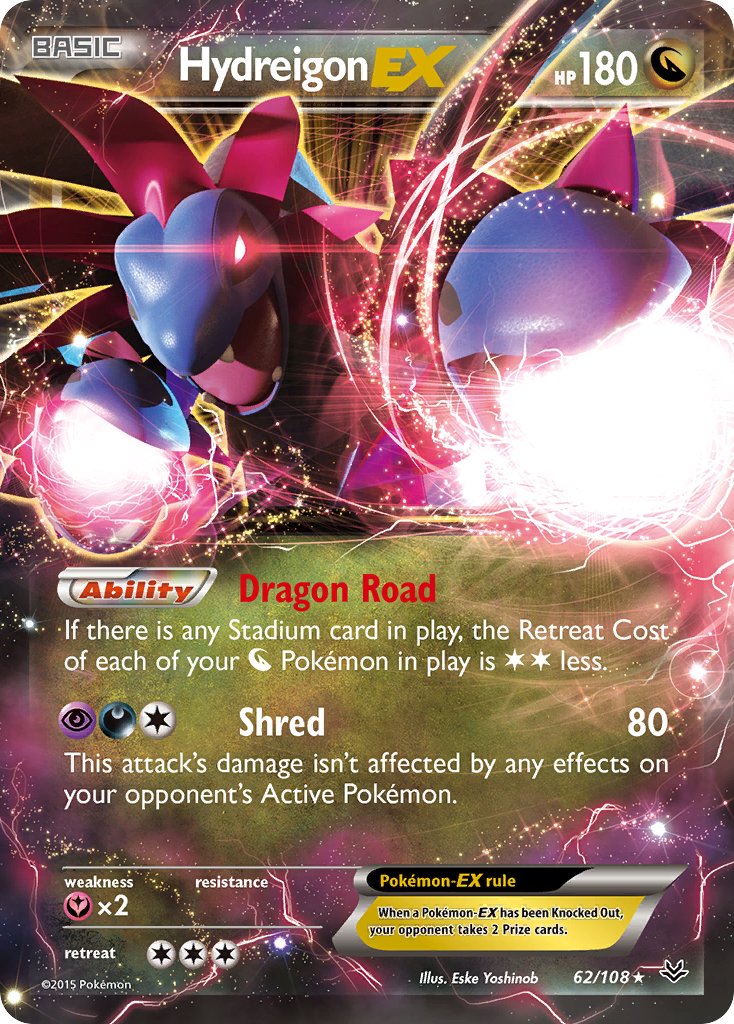
The Authenticity Advantage and Quality Control
Purchasing raw cards from reputable dealers forces collectors to develop expertise that actually protects them better than relying on a grade. When you examine a card in person or request detailed photographs from a trusted seller, you learn to identify counterfeits, spot repairs, and assess condition yourself. This knowledge proves invaluable because grading companies, despite their reputation, aren’t foolproof—counterfeit cards have slipped into slabs, and some grading shops have faced criticism for inconsistent standards or turnaround quality during high-volume periods.
The limitation worth noting: raw cards require genuine seller accountability and trust. If you buy from an unreliable source and receive a card with undisclosed damage or issues, your only recourse is the seller’s return policy, not a grading company’s promise. This means building relationships with dealers who have established track records, reading detailed seller descriptions, and sometimes paying slightly premium prices to established vendors who stand behind their inventory. A $200 raw card from a reputable dealer might be safer than a $150 raw card from an anonymous marketplace seller, even if they appear identical in photos.
Market Dynamics and Personal Enjoyment in Raw Collecting
Raw cards occupy a unique position in the market: they’re less flashy than slabs but more authentic to the traditional collecting experience. The Pokémon Trading Card Game has existed for nearly thirty years, and for most of that time, collectors simply kept cards in binders and deck boxes without professional grading. This historical continuity appeals to collectors who remember the hobby before grading became commercialized, as well as younger collectors who reject what they see as artificial gatekeeping around card value.
The practical reality is that raw cards let you handle, examine, and enjoy your collection more freely. You can sleeve them in premium card sleeves, place them in binders, build decks with them, or trade them at local events without worrying about damaging a $500 slab. A player who buys raw cards can actually use their vintage cards in casual matches, something the graded-card market explicitly discourages. This aligns with what many collectors say they value most: the experience of the hobby itself, not just investment returns.

Strategic Buying and Long-Term Value Considerations
Collectors who buy raw cards strategically often benefit from timing the market more effectively than graded buyers. When card values fluctuate, raw cards respond faster because there’s no grading wait time or slabbing cost separating the collector from the market. You can buy a raw card that’s trending upward, hold it for three months, and sell it quickly without losing months to grading queues or paying fees that eat into profits. During 2021 and 2022, many raw card flippers outpaced graded-card collectors simply because they moved inventory faster and more frequently.
The tradeoff is that raw cards don’t carry the same provenance or insurance value as slabs. If you want to insure a collection or prove condition to an estate executor, a slab provides documentation. Raw cards require detailed condition notes, photographs, and often third-party verification. For serious collectors sitting on six-figure collections, this can mean additional insurance costs or disputes if something happens to the cards. For casual collectors with mid-tier cards worth a few thousand dollars total, the lack of certification is rarely a practical problem.
Risks and Limitations of Staying Raw
The primary risk with raw cards is degradation over time without proper storage. A card kept in a standard penny sleeve in a humid environment will develop water damage, mold, or foxing—brown stains that are nearly impossible to reverse. Graded cards, locked in sealed slabs with inert materials, slow this degradation significantly. If you buy a raw card intending to keep it for decades, you’re accepting responsibility for environmental control. Temperature fluctuations, moisture, and UV exposure from sunlight will age a raw card faster than a slabbed card, especially vintage cards from the 1990s that have delicate ink and finish.
Another limitation: raw cards have a lower resale ceiling for the absolute top-tier collectibles. A PSA 10 Base Set Charizard might command a premium that no raw card, regardless of actual condition, can replicate in the current market. Collectors pursuing the absolute rarest, most valuable cards often find themselves forced into grading eventually because that’s where the serious money congregates. This is a real consideration if you’re speculating on vintage or first-edition cards that might someday be worth ten thousand dollars or more. For more affordable and more abundant modern cards, the ceiling constraint is negligible.

Building a Raw Collection as a Serious Hobby
Experienced collectors often maintain dual collections: graded cards for investment-grade pieces and raw cards for playable, enjoyable pieces. This hybrid approach acknowledges that grading serves different purposes depending on the card’s value, age, and condition. A modern-era Holo Rare from a recent expansion set worth $50 to $100 doesn’t justify a $50 grading fee, so collectors keep these raw.
A pristine Base Set card worth $1,000 becomes worth grading because the fee is proportionally smaller relative to the card’s value. This approach is practical because it forces you to define your collecting goals clearly. Are you collecting for personal enjoyment, potential investment, or a combination? The answer determines which cards make sense to grade. Most collectors eventually realize that the most satisfying collections include a mix of carefully chosen cards in slabs—a few truly special pieces—and a larger body of raw cards that represent the breadth of what they enjoy about the hobby.
The Future of Raw Cards in an Evolving Market
As grading companies expand their services and more digital/blockchain verification systems emerge, raw cards may eventually regain relative market prominence if costs increase further or if new authentication technologies make expensive third-party slabs less necessary. There’s already momentum in underground collector communities toward alternative authentication—detailed condition registries, blockchain verification, and independent expert networks—that could offer the credibility of grading without the expense. Whether these systems gain mainstream acceptance remains uncertain, but the trend suggests the market recognizes that not every card needs professional encapsulation.
The hobby is large enough to support both graded and raw cards indefinitely. Serious collectors will always want slabs for the highest-value pieces and for the pride of owning certified gems. But the raw card market will also persist because fundamentally, many collectors are driven by the joy of handling cards, discussing them with friends, and building collections that reflect their personal interests rather than investment metrics. That’s where raw cards will always have their place.
Conclusion
Collectors prefer raw ungraded Pokémon cards because they provide genuine financial savings, authentic condition assessment, faster market response, and a more direct connection to the hobby itself. The economics alone justify the choice for most collectors, but the appeal runs deeper into how collectors want to experience and interact with their cards. Raw cards represent trust in your own judgment and freedom from the infrastructure that professional grading has built around the hobby.
If you’re considering raw cards, focus on buying from reputable sources, developing your own grading knowledge, and storing cards properly in climate-controlled conditions. For investment-grade vintage cards worth thousands of dollars, grading usually makes sense. For everything else—the broad middle and lower tiers that constitute most collections—raw cards offer better value, more flexibility, and a more authentic connection to why you started collecting in the first place.
You Might Also Like
- How to Package High-Value Graded Pokémon Cards for Safe Shipping
- Can You Ship Pokémon Cards Internationally Without Problems?
- The Secret to Getting Cards Back Fast From PSA