
When selecting cards from a collection to submit to PSA (Professional Sports Authenticator), focus on cards with strong centering, sharp corners, and clear surfaces that are likely to grade 8 or higher. The best candidates are typically cards with strong eye appeal and notable collectibility—a 1999 Shadowless Charizard with minimal wear and excellent centering will almost certainly justify the grading cost, while a heavily played Trainer card probably won’t. The key is matching submission costs against the realistic grade you’ll receive and the value increase that grade provides.
Most collectors make the mistake of submitting cards they *hope* will grade well, rather than cards that *show* they’ll grade well. Before sending anything to PSA, you need to develop an honest assessment of card condition using their published grading standards. This means understanding the difference between a card that looks good from ten feet away and one that meets the technical requirements for a NM-7 versus a VG-4.
Table of Contents
- What Card Qualities Make Them Worth Grading?
- Understanding the Real Costs and Limitations of Grading
- Assessing Rarity and Collectibility Alongside Condition
- Establishing a Realistic Grade Before Submission
- Avoiding Common Submission Mistakes
- Building a Submission Strategy
- Future Grading Market and Evolution
- Conclusion
- Frequently Asked Questions
What Card Qualities Make Them Worth Grading?
The most important factor is centering—the alignment of the image within the card borders. PSA deducts points heavily for off-center cards, and a card that’s noticeably left-heavy or top-heavy will struggle to reach higher grades regardless of other qualities. Hold your cards under light and look at the white borders on all four sides; if they’re clearly uneven, that card has a ceiling on its grade. A 1996 Base Set Blastoise with perfect centering and light play might grade 7 or 8, while an identical card with poor centering might max out at 5 or 6, making the grading cost potentially not worth the return. Corner condition is equally critical. PSA looks for sharp corners with no whitening or rounding.
Play-worn cards develop rounded or fuzzy corners almost immediately, and these are expensive to fix or nearly impossible to improve. Run your thumb gently across the corners—if you feel any softness or see white spots where the card stock is exposed, you’re looking at potential point deductions. The reality is that cards with genuinely sharp corners represent maybe 20 percent of casual collections, which is why they’re worth considering for grading. Surface quality matters significantly too. This includes the glossiness of the card front and the visibility of any indentations, creases, or print lines. A card stored in a sleeve for twenty years might have excellent centering and corners but develop a subtle surface wear pattern that costs a grade. Similarly, cards stored face-down on top of each other in a box might have microscopic indentations across the surface that are invisible to casual inspection but visible under grading scrutiny.

Understanding the Real Costs and Limitations of Grading
psa grading isn’t cheap. Standard service runs between $10-20 per card depending on value declaration, and expedited services cost more. This means a card needs realistic potential to increase in value enough to justify that cost. A $15 card that grades 7 and becomes a $25 card doesn’t make financial sense after paying $15 to grade it. However, a $30 card that grades 8 and becomes a $75 card makes sense. This is where ruthless math matters more than emotional attachment. There’s also a timing consideration most collectors ignore.
PSA can take weeks or months to return cards during high-volume periods, and your cards sit in their facility the entire time. If you’re selecting cards to grade because you need quick liquidity or want to sell soon, that timeline becomes a real limitation. Additionally, some cards simply don’t benefit from grading at all—lower-print run modern cards, bulk commons, and heavily damaged vintage cards will rarely justify the investment. One significant limitation is that PSA grading is essentially final. Once a card is slabbed, you can’t change your mind and resell it raw if the grade disappoints you. Some buyers specifically want raw cards, and grading removes that optionality. This is particularly relevant for cards in the $50-150 range where the grade outcome significantly impacts value, and you might prefer to wait until you know the final grade before committing to the slab.
Assessing Rarity and Collectibility Alongside Condition
The cards most worth grading are typically those with genuine scarcity or significant collector demand. First edition or shadowless Pokemon cards from the 1990s usually make sense to grade if condition is reasonable, because the vintage market specifically values graded condition. By contrast, a well-centered unlimited base set common probably doesn’t justify grading costs. A 1999 First Edition Gyarados with light play and 8.5-caliber condition across centering, corners, and surface is worth submitting; an unlimited printing of the same card in identical condition is not. Holographic pattern and printing variations also affect whether grading makes sense. Cards with no-spot holos, misprint errors, or significant printing defects have collector appeal that can justify grading investment.
A Base Set Charizard with a particularly vibrant holo and perfect centering is worth grading. A Base Set Pidgeot with the same condition might not be, simply because collector demand for that specific card doesn’t command the same premiums. Consider looking at recently sold comps on TCGPlayer, eBay, or PSA’s own price guide. If raw copies of your card are selling for $30 and PSA-8 examples sell for $60, the grading might make sense. If raw and graded prices are similar, skip it. A misprint Charizard variant worth $200 raw and $400 slabbed is an obvious submission; a bulk holo worth $15 raw and $20 slabbed is not.

Establishing a Realistic Grade Before Submission
Before submitting any card, assess it against PSA’s published grading standards honestly. They offer detailed descriptions for each grade (Gem Mint 10, Mint 9, Near Mint-Mint 8.5, Near Mint 8, etc.) with photographs of actual graded cards. Spend time looking at these examples—particularly cards graded 7 and 8, since these are the most common submission grades for vintage cards. Compare your card directly to the published photos under the same lighting conditions. One practical approach is to grade 10 cards in your collection using PSA’s standards and compare your assessment to the actual grades when they return.
This calibrates your eye quickly. You might discover you’re naturally optimistic or pessimistic, and adjust accordingly. Many collectors who think a card is “easily an 8” receive a 6, which is a $10-20 lesson in realistic assessment but worth learning before submitting a $100+ card. A significant tradeoff exists between submission quantity and individual assessment quality. Submitting one card at a time allows you to focus on perfect condition verification, but PSA charges setup fees that make large orders more economical. Many collectors compromise by grouping 5-10 cards they’re confident about, balancing cost efficiency against the risk of submitting marginal cards.
Avoiding Common Submission Mistakes
Never submit cards in the hope that professional cleaning or condition correction will happen during the grading process—it won’t. PSA grades cards as-received, period. If your card has a visible crease, surface wear, or staining, it needs to be accepted as-is. Some collectors waste submission fees on cards with obvious problems, expecting PSA to somehow restore them. That’s simply not how the process works. Another frequent mistake is selecting cards based purely on perceived value without considering the current market.
A 1996 Blastoise seemed valuable five years ago, but if the market has shifted and raw copies now sell for $8, grading won’t create demand. Similarly, be cautious with bulk holos—just because a card is old doesn’t mean it’s valuable. A 1999 Pikachu holo in mint condition might grade 9, but if thousands of identical graded copies exist and sell for $20, the grading investment barely breaks even. Storage condition before submission matters more than many realize. Cards stored in damp basements, near sunlight, or in tight-fitting sleeves can develop subtle damage that becomes visible under grading magnification but wasn’t obvious during casual inspection. This is particularly relevant for vintage cards that may have spent decades in non-ideal conditions. Inspect your cards for any musty smell, discoloration, or sleeve impressions—these are warning signs that condition is worse than it appears.
Building a Submission Strategy
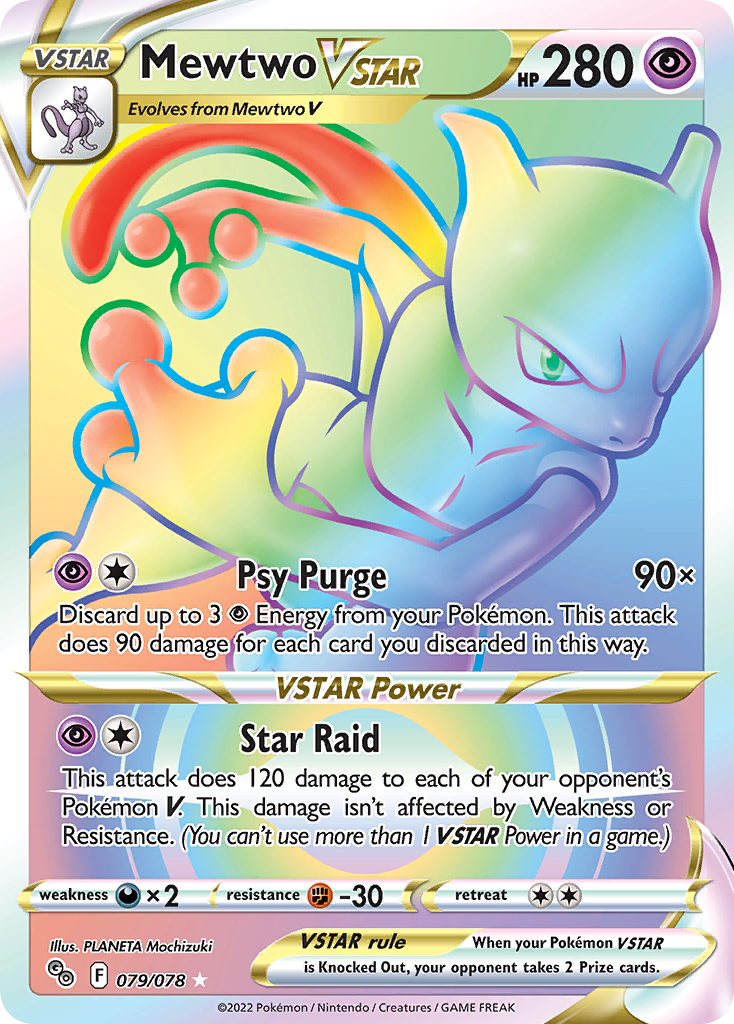
Rather than randomly selecting cards, develop a strategy based on your collection’s strengths. If you have a strong 1990s vintage collection, focus grading submissions there where scarcity and condition premiums matter most. If your strength is modern cards, be much more selective about grading—modern print runs are high, and condition premiums are lower. A $2 raw modern card that grades 9 might become a $5 graded card, which doesn’t justify the $10+ grading cost.
One practical example: a collector with 50 Base Set holos might identify the five cards that are both high-value and in genuinely strong condition (Charizard, Blastoise, Venusaur, and two others). Those five make sense to grade. The remaining 45 cards, even if in decent condition, don’t justify the cost because the market premiums for graded Base Set commons and uncommons are minimal. This focused approach maximizes return on investment.
Future Grading Market and Evolution
The grading market continues to evolve, with increasing competition from newer services and fluctuating turnaround times. PSA remains the industry standard for Pokemon cards, but alternative graders like CGC have entered the market with different pricing models. This competitive pressure may eventually change pricing structures, but PSA grading has remained the most trusted and consistent path to maximizing card value for the foreseeable future. Understanding this landscape helps you make informed decisions about when to grade.
Consider also that market conditions change. Cards you think are worth grading today might have different value profiles in five years. This reinforces the importance of grading cards with solid historical demand and demonstrated market value rather than speculative picks. Vintage Pokemon cards have proven consistent demand for three decades, which is why they remain the safest grading investments.
Conclusion
Picking the best cards to submit to PSA requires honest assessment of card condition against published grading standards, realistic comparison of raw versus graded market values, and selection of cards with genuine scarcity or demand. The goal isn’t to grade your best-looking cards—it’s to grade the specific cards where grading will meaningfully increase value and where the submission cost makes financial sense. Start with your strongest, most valuable, or most sought-after cards in genuinely excellent condition.
Study PSA’s grading standards, compare your cards to published examples, and do the math on value premiums before committing. Skip cards that don’t justify the cost, even if they look good. This disciplined approach turns grading from an expensive gamble into a strategic tool for maximizing collection value.
Frequently Asked Questions
What’s the minimum card value that makes grading worthwhile?
Generally, a raw card should be worth at least $30-40 for grading to make financial sense, accounting for the submission cost and the realistic grade outcome. Very rare or first-edition vintage cards can justify lower values if condition is exceptional.
How long does PSA grading typically take?
Standard service ranges from 6-8 weeks to several months depending on current volume. Expedited services (30 days, 20 days, or 10 days) cost significantly more. Plan your submissions accordingly if you need cards back by a specific date.
Should I clean my cards before submitting to PSA?
No. PSA grades cards as-received. Any cleaning attempt risks damaging the card further, and PSA will note any signs of cleaning in their assessment. Submit cards in their original condition.
Can I resubmit a card if I disagree with the grade?
Yes, but it costs another submission fee and has no guarantee of a different outcome. If you believe grading was incorrect, request detailed photos of the graded card before resubmitting. Often the photos clarify why the grade was assigned.
What’s the difference between grading cards for investment versus personal collection?
Investment-grade submissions focus on high-value cards with proven market demand where grade premiums are significant. Personal collection grading is more flexible and can include sentimental cards, but the financial math still matters if you ever plan to sell.
Are newer Pokemon cards worth grading?
Only if they’re particularly rare (special editions, chase cards) or in exceptional condition (gem mint 9 or 10). Most modern cards have high print runs, so condition premiums are minimal and rarely justify grading costs.
You Might Also Like
- The Secret to Getting Cards Back Fast From PSA
- The Cards That Almost Never Get a PSA 10 Due to Print Quality
- What to Do When the Seller Thinks Their Cards Are Worth More Than They Are