The most important Secret Wonders cards to watch before the next price spike are Blastoise, Lugia, Gardevoir LV.X, Honchkrow, and Charizard—each showing distinct price momentum or market potential that suggests significant upside ahead. Secret Wonders, released November 1, 2007, as part of the Diamond & Pearl series, has emerged as a hunting ground for collectors seeking solid mid-vintage investments outside the inflated modern market. With only 132 cards in the set and just 6 secret rare and 4 ultra rare cards driving demand, this earlier era now represents a rare combination of scarcity, collector nostalgia, and undervaluation compared to newer releases.
The market dynamics around Secret Wonders have shifted dramatically in the last 18 months. Savvy collectors are diversifying away from expensive contemporary cards, turning instead to mid-vintage sets that offer better value and genuine rarity. Secret Wonders, once overshadowed by nearby Diamond & Pearl sets, is now attracting fresh investment interest as the Pokemon TCG market matures and investors begin recognizing which older products actually hold long-term growth potential.
Table of Contents
- Which Secret Wonders Cards Show the Strongest Price Momentum?
- The Volatility Trap and Understanding Secondary Market Risk
- Understanding the 3D Art Effect and Collector Preferences
- Identifying Undervalued Cards Before Market Recognition Strikes
- The Mew Warning and Distinguishing Momentum from Decline
- Secret Rares and Ultra Rares as Concentration Points
- Market Timing and the Broader Mid-Vintage Cycle
- Conclusion
Which Secret Wonders Cards Show the Strongest Price Momentum?
Blastoise has emerged as one of the clearest examples of consistent upward movement in the Secret Wonders market. The card started 2024 trading around $32 for quality copies, and has since climbed into the $40s range, establishing a steady trajectory that reflects growing collector demand. This isn’t volatile spike territory—it’s the kind of sustained appreciation that typically precedes larger jumps as awareness spreads within the collecting community.
Honchkrow presents a similar but earlier-stage opportunity, having risen from its previous floor in the $27 range and continuing its upward march. Unlike cards that have already achieved market attention, Honchkrow still trades below the recognition threshold of many casual collectors, meaning it carries less speculative premium and more room for organic growth as the card gains visibility. Gardevoir LV.X occupies a different category entirely: it has appreciated from the low $50s to the upper portion of that range, but its value is increasingly driven by its distinctive 3D art effect, which appeals to collectors beyond just Pokemon TCG investors. This means Gardevoir has multiple demand drivers, not just competitive rarity.

The Volatility Trap and Understanding Secondary Market Risk
Lugia serves as a critical cautionary example of why potential buyers must distinguish between opportunity and volatility. The card has reached heights near $90 while simultaneously dipping into the $50 range, a swing that demonstrates genuine price instability in the secondary market. For investors entering at the wrong time, this volatility can mean significant losses, not gains. The practical risk is clear: buying Lugia near its peaks is a path to disappointment, yet identifying the bottom of its cycle requires genuine market timing skill that most collectors lack.
The broader limitation facing all Secret Wonders investments is that this set remains less liquid than contemporary releases or even other mid-vintage sets. A card that rises from $40 to $60 is only valuable if you can actually sell it at that price when you’re ready to liquidate. Some Secret Wonders cards lack the daily trading volume to guarantee smooth exits at peak values, particularly if you’re dealing with higher-end condition copies or lower-population cards. This illiquidity is part of why Lugia’s price swings are so dramatic—the thin market means larger buyers or sellers can move prices significantly with individual transactions.
Understanding the 3D Art Effect and Collector Preferences
Beyond pure scarcity, Secret Wonders contains cards with distinctive visual elements that command premiums independent of rarity alone. Gardevoir LV.X’s 3D art effect has proven compelling to collectors who value aesthetics alongside investment potential, essentially creating a secondary demand driver. This is relevant because it suggests that Secret Wonders cards with special visual characteristics may hold their value better during market downturns, as they appeal to collectors who keep cards for enjoyment, not just speculative resale.
The implication for price prediction is important: cards with strong visual appeal or unique characteristics tend to resist severe corrections better than purely rare but visually ordinary cards. This partially explains why Blastoise has maintained steady appreciation despite not being the rarest card in the set. Collectors are willing to pay for cards they actually want to see in their collection, which supports prices even when investment interest wanes.

Identifying Undervalued Cards Before Market Recognition Strikes
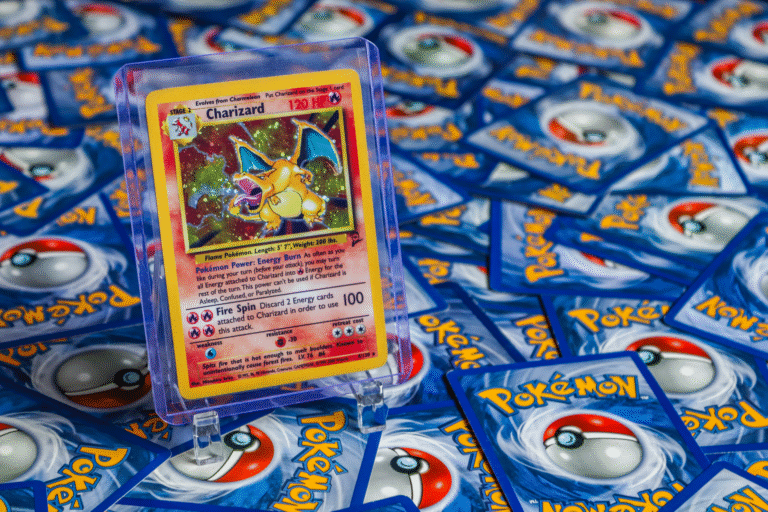
Charizard from Secret Wonders stands out as one of the most undervalued cards in the set despite its iconic status in the Pokemon franchise. While other Charizards from different eras command premium prices, the Secret Wonders version has experienced ongoing price growth that still lags well behind comparable cards from more famous sets. This positioning—recognizable name, genuine rarity, but still trading below comparable alternatives—is exactly where savvy investors typically find the best opportunity before price spikes occur.
The comparison is instructive: you can buy a Secret Wonders Charizard for a fraction of what functionally equivalent cards cost from other sets, yet the underlying rarity and condition factors are identical. The gap between what this card costs and what comparable cards from other mid-vintage sets command suggests the market simply hasn’t yet fully priced in Secret Wonders’ legitimacy as a serious collecting category. When this recognition arrives—and history suggests it eventually does for most mid-vintage sets—cards in Charizard’s position typically experience sudden appreciation as arbitrage-minded buyers recognize the pricing inefficiency.
The Mew Warning and Distinguishing Momentum from Decline
Mew (Holo Rare) from Secret Wonders provides essential context for what not to chase in the current market. The card trended downward after reaching heights in the $50 range, and currently struggles to maintain market price. This is the inverse of opportunity—a card that had attention, achieved elevated pricing, and has since lost momentum. The lesson is straightforward but often ignored by newer collectors: don’t buy cards that are already in decline hoping to catch them at the bottom. Timing the absolute bottom of a collapse is as difficult as timing the top of a spike, and catching a falling knife typically results in further losses.
Understanding why Mew declined matters as much as recognizing that it did. The card received attention, achieved speculative pricing, and then failed to maintain that level because fundamental demand didn’t support the elevated valuation. This is a reminder that not every Secret Wonders card will appreciate, and some will actively lose value. Collectors must distinguish between cards that are rising on growing fundamental demand (like Blastoise) versus cards riding speculative interest that lacks sustainable backing. The warning here is clear: focus on cards showing sustained growth and collector interest, not cards hoping to recover from recent declines.

Secret Rares and Ultra Rares as Concentration Points
With only 6 secret rare cards and 4 ultra rare cards in a 132-card set, the scarcest cards represent the true focal points for serious investors. These extreme rarity tiers concentrate demand among the most committed collectors and have historically shown the greatest price appreciation potential, particularly if they combine scarcity with visual appeal or playability.
A secret rare from Secret Wonders that maintains even modest collector interest will typically outpace common or uncommon cards simply due to the mathematical reality of reduced population. The practical consideration is that entry costs for secret rares are consequently higher than other cards in the set, and not all secret rares are created equal in terms of demand. This is where detailed market observation becomes essential—tracking which secret rares are actually moving in the secondary market versus which ones are simply rare but unwanted is the difference between catching genuine opportunity and overpaying for scarcity alone.
Market Timing and the Broader Mid-Vintage Cycle
The timing of Secret Wonders’ current attention window matters significantly for collectors making purchasing decisions. The broader Pokemon TCG market has reached a plateau where modern products no longer offer compelling value, pushing serious collectors and investors toward defined mid-vintage sets. Secret Wonders, positioned in that attractive window, appears to be in the early stages of a recognition cycle that could extend several more years.
Sets that follow similar patterns historically spend 2-4 years appreciating before reaching saturation points where new supply from sealed product breaking or storage liquidation begins constraining further growth. Looking forward, the question isn’t whether Secret Wonders cards will appreciate, but which specific cards will lead that appreciation and when market saturation might begin affecting prices. Collector attention will likely follow predictable patterns—the most iconic names and visually appealing cards first, followed by deeper demand for secondary characters and utility cards. Positioning early in this cycle, particularly in cards showing current momentum like Blastoise and Honchkrow, captures the benefit of steady appreciation before the final speculative surge that typically marks set maturity.
Conclusion
The most important Secret Wonders cards to watch before the next price spike are those combining genuine scarcity with demonstrated collector demand. Blastoise, Honchkrow, and Charizard represent the clearest opportunities due to sustained price momentum or recognizable undervaluation, while cards like Gardevoir LV.X showcase how visual appeal can support valuations. The set’s emergence as a serious collecting category reflects rational market evolution as buyers migrate from overpriced modern products toward legitimately scarce mid-vintage alternatives.
Success in Secret Wonders collecting requires disciplined observation rather than speculative optimism. Track which cards show consistent secondary market activity, distinguish between stable appreciation and volatile price swings, and avoid chasing cards that are already declining. The next price spike will likely reward collectors who identify and acquire key cards during this current window of recognition but before widespread media attention drives prices toward peaks that are difficult to justify on fundamental scarcity alone.