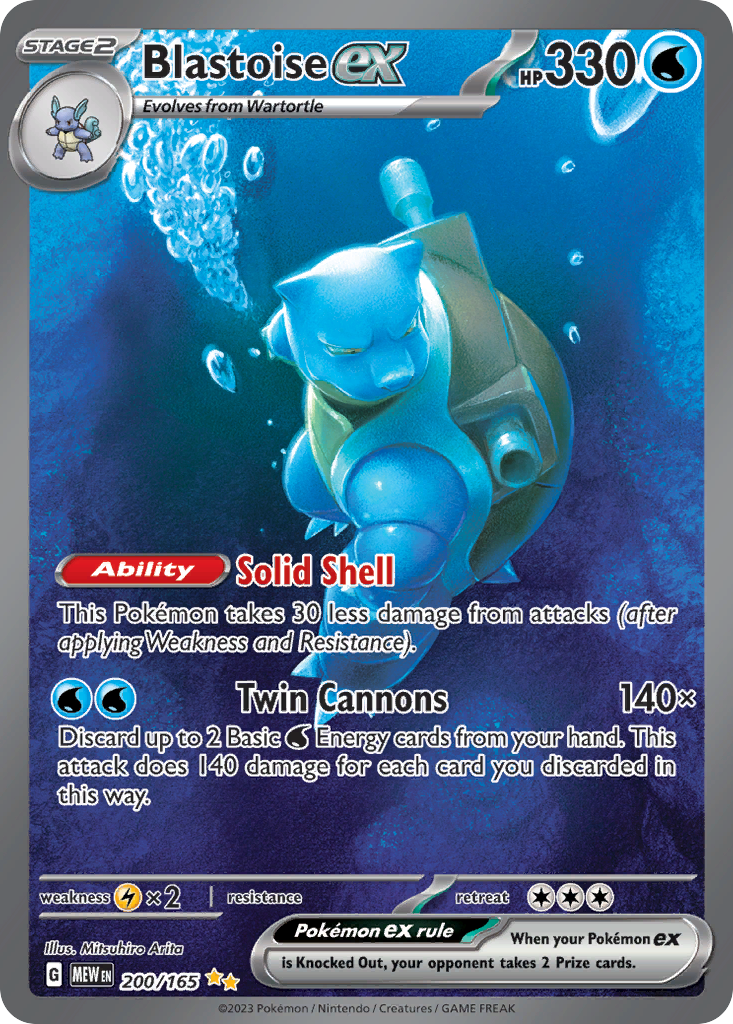
The most forgiving Pokémon sets for achieving PSA 10 grades are modern releases from the Sword & Shield era forward, particularly those produced after 2021 when The Pokémon Company implemented stricter quality control measures at printing facilities. Sets like Brilliant Stars, Crown Zenith, and recent Scarlet & Violet releases represent the sweet spot where consistent centering, clean borders, and minimal surface wear are achievable through normal play and storage. A Crown Zenith Charizard ex, for example, has a far higher probability of grading PSA 10 compared to a vintage Base Set Charizard of equivalent condition, simply because the modern card’s manufacturing standards provide less margin for error during the grading process.
The difference between modern and vintage sets is dramatic. Vintage cards from Base Set through Neo Genesis often feature centering issues that were endemic to 1990s printing technology—slight off-center alignment was considered acceptable at the time. Modern sets, by contrast, come with tighter registration controls, more durable cardstock, and better ink adhesion. For collectors aiming to build a PSA 10 collection without spending six figures, focusing on post-2021 releases offers the most realistic path to success.
Table of Contents
- Which Modern Pokémon Sets Have the Easiest Path to PSA 10 Grades?
- Understanding Quality Control Variables in Modern Set Production
- Grading Criteria and Why Modern Sets Have Built-in Advantages
- Practical Strategy for Selecting High-Potential Cards from Forgiving Sets
- Common Grading Failures Even in Forgiving Sets
- Comparing Forgiving Sets Head-to-Head
- The Future of Forgiving Sets and Shifting Standards
- Conclusion
- Frequently Asked Questions
Which Modern Pokémon Sets Have the Easiest Path to PSA 10 Grades?
Brilliant Stars and Evolving Skies stand out as the most consistently forgiving sets for PSA 10 submissions. Both sets feature robust quality control, high-gloss finishes that resist surface wear, and centering that typically falls within acceptable ranges. The thick cardstock used in these sets—notably thicker than vintage releases—resists creasing and maintains structural integrity through shuffling and storage. When you pull a first-edition Brilliant Stars Lugia VSTAR, the card already arrives with the kind of intrinsic durability that makes a PSA 10 realistic rather than aspirational. Crown Zenith and the full Scarlet & Violet line continue this trend.
These newer releases benefit from refinements in laser registration technology and consistent ink formulations that were still being perfected during earlier modern eras. A Crown Zenith Pikachu ex that sits in a sleeve untouched for six months will look virtually identical when submitted, whereas equivalent cards from 2019-2020 releases often show subtle surface changes during storage. The limitation here is market appeal. As these sets remain in print or recently rotated out, the premium attached to PSA 10 examples is modest compared to vintage graded cards. A PSA 10 Crown Zenith Lugia might command $300-500, whereas a PSA 10 Base Set Lugia would push five figures—but that reflects accessibility, not card quality.
Understanding Quality Control Variables in Modern Set Production
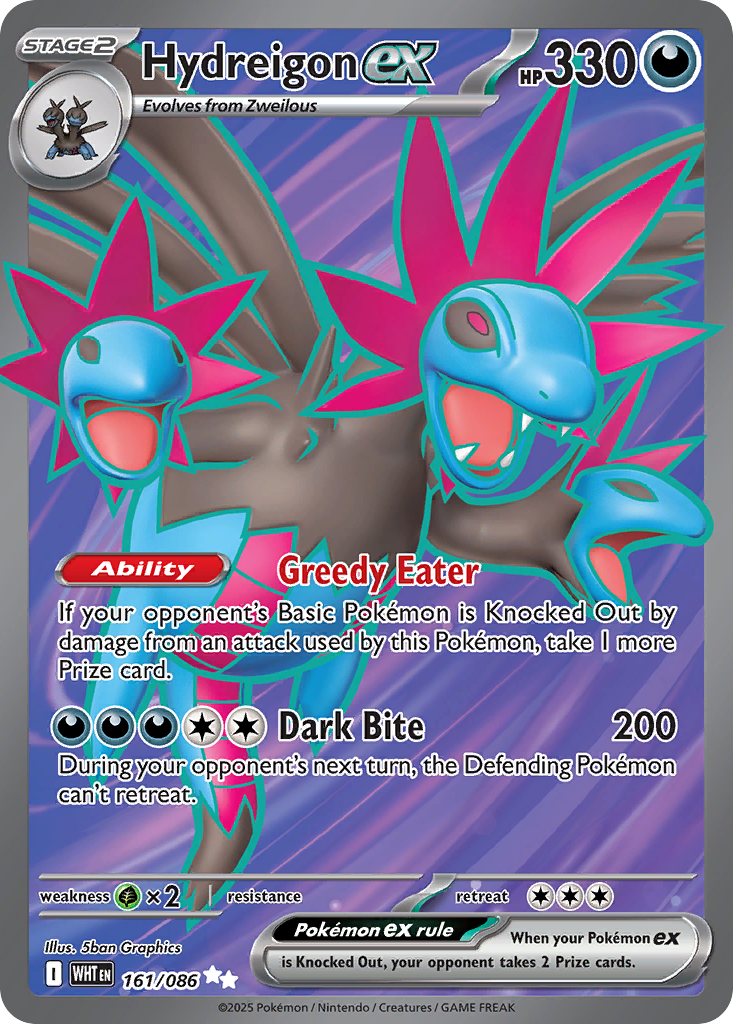
Not all modern sets are equal. Sets produced during the 2021-2022 supply chain crunch sometimes show inconsistent quality, with some runs featuring better centering than others. This variance typically correlates with which printing facility manufactured the product. Pokémon Company shifted production between facilities in Japan, Belgium, and South Korea to meet demand, and each facility’s calibration produced subtly different results. Some collectors have noted that early Sword & Shield printings have slightly looser centering than late printings of the same set, though both remain psa 10 achievable.
The thickness and finish of the cardstock matters significantly. Sword & Shield-era sets used a glossy full-art finish that actually protects against minor handling marks—a slight scuff that would be visible on matte card stock is virtually imperceptible on gloss. This is why Vivid Voltage and Battle Styles, released during the glossy finish period, remain more forgiving than early Scarlet & Violet releases, which shifted to a slightly different finish formulation. A critical warning: not every modern set maintains consistent standards across all card types. Special sets and alternative art variants sometimes use different cardstock or printing methods than standard holos in the same set. A standard holo from Scarlet & Violet might be PSA 10 friendly, while an alt-art from the same set could have tighter centering tolerances or finish inconsistencies.
Grading Criteria and Why Modern Sets Have Built-in Advantages
PSA’s grading scale evaluates centering, corners, edges, and surface as discrete categories. A card needs all four areas to align with PSA 10 requirements: roughly 55/45 to 60/40 centering, sharp corners, clean edges, and unblemished surface. Modern sets engineer against the most common failure points. Sword & Shield and later sets have beveled edges that are harder to damage than the sharp edges on vintage cards, corners that resist whitening due to improved ink adhesion, and cardstock formulation that reduces micro-creasing. This engineering isn’t accidental—it’s learned from decades of grading data showing where cards typically fail.
When you submit a Crown Zenith or Scarlet & Violet release, you’re submitting a card that was specifically designed to withstand the grading criteria. Vintage sets, by contrast, were designed for playability and commercial appeal in 1999, not for future professional grading standards that didn’t exist yet. The centering advantage in modern sets is particularly pronounced. A Base Set card with 55/45 centering represents good luck; a modern set with 55/45 centering is typical. The printing technology that achieves this consistency is relatively recent—even the base Sword & Shield set (released late 2019) shows noticeably better centering consistency than sets from just five years prior.
Practical Strategy for Selecting High-Potential Cards from Forgiving Sets
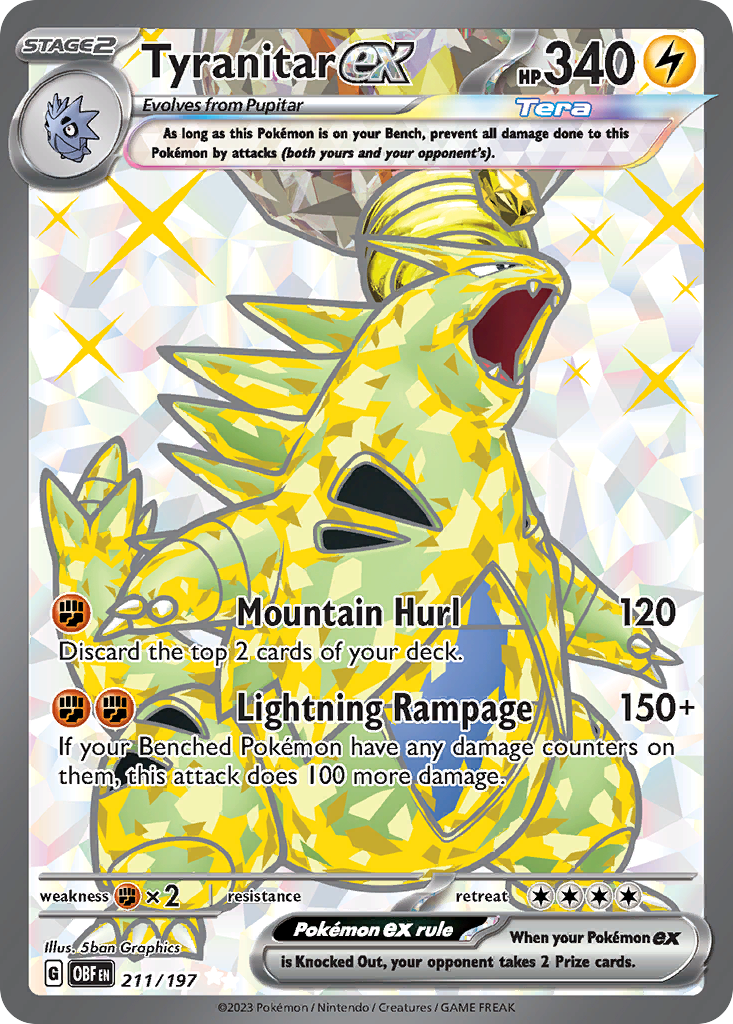
To maximize your odds of PSA 10 grades, source cards from booster boxes rather than random packs or bulk lots. Booster boxes receive identical storage conditions and represent a discrete manufacturing run, meaning centering and finish characteristics are more uniform within a single box than across random acquisitions. If you’re targeting a Brilliant Stars Alakazam VSTAR, buying booster box pull rates versus marketplace purchases gives you a much higher strike rate for acceptable centering. Examine pulled cards under light immediately after opening, looking specifically at centering before placing them in sleeves. Most cards fail grading on centering issues that are visible under normal inspection—there’s no reason to submit a card that’s obviously off-center and hope the grader disagrees with your eyes.
A quick visual sort can eliminate 40-50% of raw pulls without compromising the grade potential of the remaining pool. Store selected candidates in dragon shield sleeves with top loaders immediately; UV exposure and humidity fluctuation degrade the finish on even PSA 10 ready cards. The tradeoff is labor intensity. This approach requires purchasing entire boxes (typically $90-130) rather than singles, opening them yourself, and quality-checking hundreds of cards. For casual collectors, this isn’t practical. For serious PSA 10 collectors, this is the only realistic approach because it allows you to work with high-potential candidates rather than hoping a random marketplace purchase is adequately centered.
Common Grading Failures Even in Forgiving Sets
Surface wear and light scratches are the leading cause of sub-10 grades even in modern sets. A Crown Zenith card that sits in a sleeve with light dust will sometimes show micro-scratches under PSA’s examination light that weren’t visible to the naked eye during quality control. This is not a manufacturing defect—it’s the reality of professional grading standards. Even the glossy finish on Sword & Shield sets can be scuffed by dust particles or the inside of a sleeve that wasn’t perfectly clean. This is why high-end graded card submissions typically use brand new sleeves sourced from sealed packs. Centering on reverse holos and full-art cards sometimes exceeds acceptable tolerances even in modern sets.
These alternative layouts have different registration points during printing, and while the machinery is accurate, a 2-3mm variance during production results in off-center cards. Expect about 15-20% of alt-art pulls from any modern set to be slightly off-center, whereas standard holos from the same set might be 85-90% acceptable. A critical limitation: corner wear from normal handling is nearly invisible during collection but visible under PSA grading. A card that looks flawless when you pull it can show whitening on corners within 30 days if it’s touched regularly or shuffled. Once corners are whitened, PSA 10 becomes impossible—the card will grade PSA 9 or lower. This means submission timing matters significantly; cards should be graded shortly after acquisition and storage, not months or years later.

Comparing Forgiving Sets Head-to-Head
Between Crown Zenith and Scarlet & Violet base sets, Crown Zenith maintains a slight advantage for PSA 10 rates due to its smaller card pool (easier to quality-control) and slightly thicker cardstock. Scarlet & Violet offers more variety and broader appeal, but the centering tolerances are marginally tighter. If your goal is PSA 10 rates, Crown Zenith is the superior choice.
If your goal is building a diverse collection with mixed PSA 9/10 outcomes, Scarlet & Violet offers better variety. Evolving Skies deserves separate mention because it combines the quality characteristics of peak Sword & Shield production with a smaller set size (203 cards). This means fewer centering variants circulating, more predictable quality from booster boxes, and a PSA 10 achievable rate that approaches 30-40% for standard holos when sourced fresh from boxes. For a collector willing to buy 2-3 boxes and quality-check, an all-PSA-10 Evolving Skies holo set is genuinely achievable over 6-12 months of submissions.
The Future of Forgiving Sets and Shifting Standards
As The Pokémon Company continues refining manufacturing processes, the bar for what constitutes “forgiving” will likely shift. Sets produced in 2025-2026 may show even tighter centering and surface consistency, making current-era releases look loose by comparison. This creates a window of opportunity for collectors now—the best Sword & Shield and crown zenith sets available today may become harder to replace with equivalent quality in future years as inventories deplete.
Simultaneously, PSA’s grading standards may tighten or shift in response to market feedback and technological improvements in card manufacturing. If PSA 10 criteria become stricter, even modern sets will see lower award rates. This argues for submitting cards you believe are PSA 10 quality sooner rather than later, while the present grading standards apply.
Conclusion
The most forgiving Pokémon sets for PSA 10 grades are modern releases from 2021 forward, with Crown Zenith, Brilliant Stars, and Evolving Skies offering the highest probability of success. These sets benefit from modern manufacturing standards, superior centering consistency, and cardstock formulations that resist the common failure points of grading. The path to a PSA 10 in these sets is achievable through booster box sourcing, immediate quality control, and proper storage rather than expensive marketplace acquisition or luck.
For collectors seeking to build valuable graded collections efficiently, these forgiving sets represent the realistic starting point. Vintage sets demand premium pricing and exceptional luck to achieve high grades, whereas modern sets offer a genuine path to 10-grade collections at reasonable cost and acquisition timelines. Begin with Crown Zenith or Evolving Skies if you’re new to PSA submissions, build quality through systematic booster box pulling and selection, and avoid expecting perfection from cards that show marginal centering or surface handling during initial inspection.
Frequently Asked Questions
What’s the realistic PSA 10 rate when submitting cards from Crown Zenith booster boxes?
Approximately 25-35% of standard holo cards from fresh booster boxes will grade PSA 10 when pulled, inspected for obvious centering issues, and properly stored before submission. Reverse holos and alt-arts show lower rates (15-20%) due to tighter centering tolerances.
Should I wait for new set releases or focus on current-era sets like Scarlet & Violet?
Current-era sets are superior for PSA 10 attempts because the manufacturing process has stabilized. Waiting for new releases introduces variability while current sets have proven track records. If you’re starting now, begin with Crown Zenith or Brilliant Stars.
How does storage duration affect PSA 10 potential?
Cards should be submitted within 3-6 months of acquisition. Beyond that window, even proper storage can result in barely visible surface changes that prevent PSA 10 grades. Longer storage dramatically increases failure rates.
Are secret rare or special collection box cards easier or harder to grade PSA 10?
They’re typically harder. Special editions and alternative printings sometimes use different cardstock or finish formulations, making them less forgiving than standard holos from the same set. Stick with standard holos when prioritizing PSA 10 rates.
Which modern set has the worst PSA 10 rate?
Shining Fates and Hidden Fates both show lower PSA 10 rates due to their timing (early-pandemic supply chain variability) and specific printing characteristics. If you want forgiving sets, avoid these in favor of post-2021 releases.
Can I improve PSA 10 chances by buying graded comps and having them regraded?
No. If a card already graded PSA 9, resubmitting it will likely result in the same grade or lower due to handling during the return process. Work with raw cards only and grade them once in optimal condition.
You Might Also Like
- Why Collectors Are Moving Away From PSA to CGC in Some Cases
- What Is a Natural PSA 10 vs. One That Barely Made the Grade?
- What Is PSA Bulk and How Do Dealers Use It?