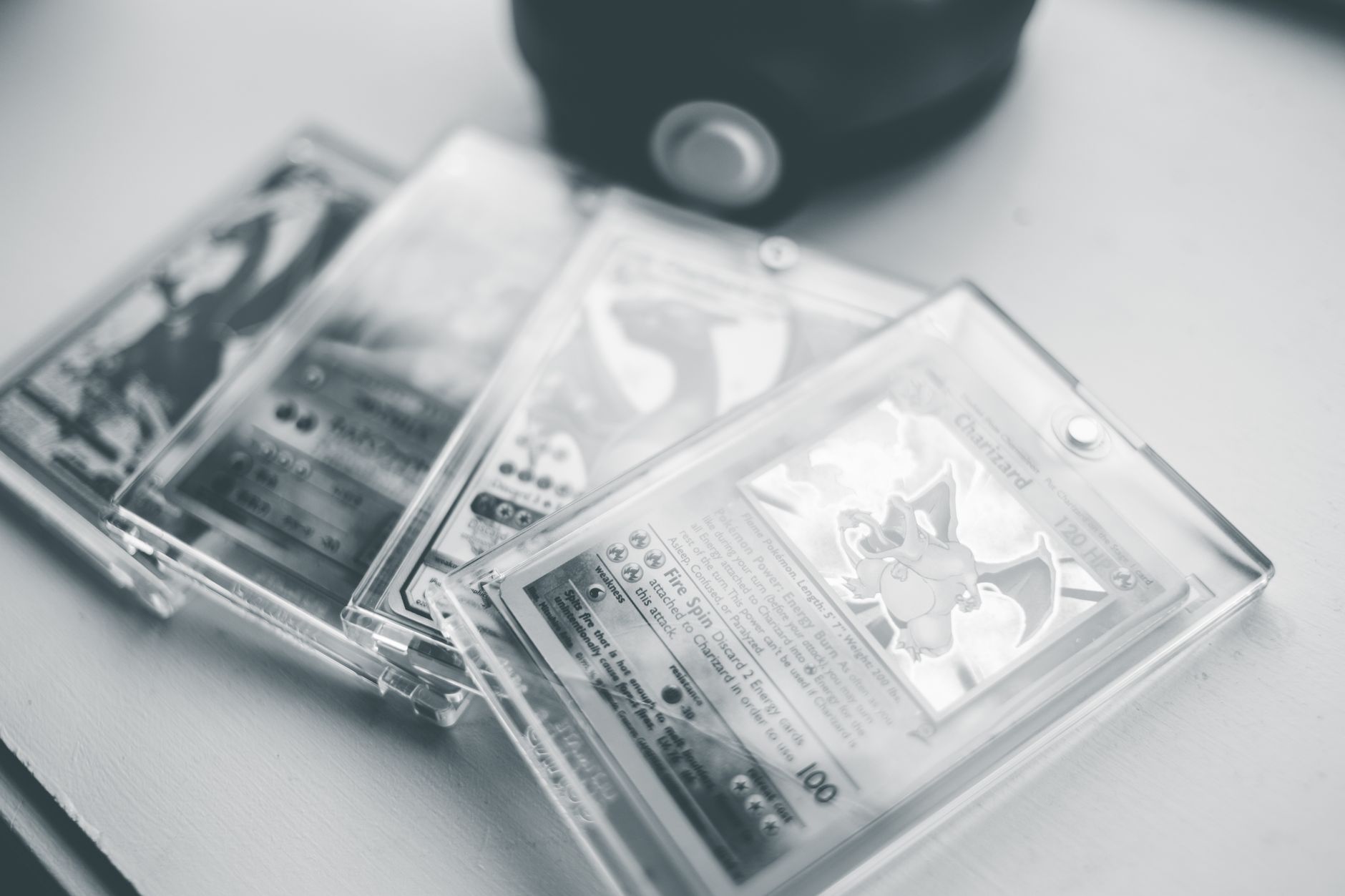
Target is changing how some locations sell Pokémon cards by placing sealed products in dedicated vending machines or other controlled sales areas instead of relying entirely on the regular trading-card aisle. Collectors should expect the method, inventory, purchase limits, payment rules, and return process to vary by store. An empty card aisle, for example, may no longer mean the location has no Pokémon products; inventory could be inside a machine near the entrance or held at guest services. This is not necessarily a uniform replacement of shelf sales across every Target store.
Some locations may continue displaying Pokémon products with other trading cards, while participating stores use machines or counters to manage high-demand inventory. Before making a special trip, collectors should verify where cards are sold at that location and avoid assuming the Target app reflects every product available inside a vending machine. The change may make routine purchases more orderly, but it does not guarantee better availability. Machines have limited capacity, controlled restocking schedules, and no practical way to provide a rain check when a popular Elite Trainer Box or booster bundle sells out.
Table of Contents
- How Is Target Changing the Way It Sells Pokémon Cards?
- Pokémon Card Vending Machines, Store Shelves, and Inventory Visibility
- Purchase Limits and the Effect on High-Demand Releases
- What Collectors Should Check Before Buying at Target
- Returns, Payment Problems, and Damaged Products
- How the Change Affects Pokémon Card Pricing
- Restock Tracking Without Relying on Rumors
- Frequently Asked Questions
How Is Target Changing the Way It Sells Pokémon Cards?
At participating locations, Target’s Pokémon card selection may be divided among the traditional card aisle, a dedicated vending machine, guest services, or another monitored area. This differs from the familiar open-shelf model, where shoppers could browse every available product and take their selections directly to a checkout lane. A dedicated machine can display prices and enforce transaction rules automatically. For example, it may prevent a buyer from purchasing more than the permitted quantity of a sought-after product, while an open shelf depends on posted signs and checkout enforcement.
Machines can also reduce package handling, torn boxes, and loose products left around the aisle. The limitation is that store layouts and procedures are not identical. Advice from a collector who found cards in a machine at one Target may not apply to another store nearby. Employees may also have limited information about when a separately managed machine will be refilled.
Pokémon Card Vending Machines, Store Shelves, and Inventory Visibility
Vending-machine inventory should be treated as a separate pool unless the store or machine interface indicates otherwise. A product marked unavailable in Target’s app may still appear in a machine, while an app listing that says “in stock” may refer to merchandise elsewhere in the store. High-demand trading cards are especially prone to inventory mismatches because products can sell between the time a shopper checks availability and arrives. Collectors should inspect the entire machine menu rather than relying only on the most prominent screen.
A machine might list several sets, box formats, or collection products on different pages. It is also worth checking the price and pack count carefully: a booster bundle, sleeved booster, and Elite Trainer Box can feature the same set artwork while containing very different quantities of packs and accessories. Do not assume that a machine is broken simply because one product is unavailable. Individual selections can sell out while other compartments remain stocked. Repeated payment attempts can also create pending bank authorizations, so shoppers should pause and review the screen or receipt after an unsuccessful transaction.
Purchase Limits and the Effect on High-Demand Releases
Controlled sales systems are useful during high-demand launches because quantity restrictions can be applied at the point of purchase. A collector seeking one newly released box may have a better chance when another customer cannot clear an entire display in a single transaction. The tradeoff is that limits may apply by product, transaction, customer, payment method, or time period, and the exact rule may not be obvious until checkout. For example, a machine could allow a shopper to buy one Elite Trainer Box while still permitting a different collection box, or it could impose a broader limit across several pokémon products.
A shelf sign elsewhere in the store may not describe the machine’s rules, so the instructions shown on the machine should take priority for that purchase. Quantity limits do not guarantee equal access. A buyer can still arrive immediately after a restock, and popular items may disappear quickly. Collectors should avoid interpreting a sold-out screen as proof that a product was never stocked or that employees are withholding inventory.
What Collectors Should Check Before Buying at Target
Start by comparing the product name, set, configuration, price, and condition. Pokémon packaging often shares visual elements across multiple formats, making it easy to confuse a booster bundle with a larger boxed product. Price per pack can help compare products, but it should account for included promotional cards, accessories, and guaranteed contents rather than treating every box as loose-pack inventory. Keep the receipt and inspect the product before leaving the store.
With a machine purchase, confirm that the dispensed item matches the selection and that the box was not crushed or caught during delivery. If the wrong item appears, photograph the machine screen, product, and receipt before seeking assistance. Buying from a controlled machine may reduce exposure to handled or damaged packages, while buying from a shelf lets collectors inspect several boxes and choose the cleanest one. Sealed collectors may prefer that physical inspection; pack openers may care more about convenience and the condition of the cards inside than minor dents in the outer box.
Returns, Payment Problems, and Damaged Products
Trading cards often receive stricter return treatment than ordinary retail merchandise because sealed products can be opened, searched, altered, or resealed. Collectors should read the return language printed on the receipt and displayed during the transaction rather than assuming Target’s general return window applies. A machine sale may also require support through the contact information shown on the machine or receipt. A common problem occurs when a payment is authorized but the product does not dispense.
The bank may initially show a pending charge even if the transaction later reverses. Save the transaction time, store location, machine identifier, amount, and product name; those details are more useful to support staff than a general report that the machine failed. Do not open a damaged or incorrect product while waiting for help. Breaking the seal can make it harder to establish that the item arrived in that condition. The same warning applies to boxes with suspicious wrapping, missing contents, or evidence of tampering.
How the Change Affects Pokémon Card Pricing
A different sales method does not change the collectible value of the cards inside. Market value still depends on the specific set, card, condition, rarity, demand, and recent comparable sales. A booster pack purchased from a vending machine has the same underlying odds and contents as the identical factory-sealed pack sold from a shelf.
Collectors should nevertheless compare the exact product configuration before judging a price. A collection box containing promotional cards and accessories may cost more per booster than a booster bundle, but one of its promos could carry separate collector demand. That does not make every collection box a bargain, especially when the buyer does not want the promotional card.
Restock Tracking Without Relying on Rumors
Restock timing can vary by store and sales channel, and machines may not follow the same schedule as Target’s shelves. Employees may know when regular freight is processed without knowing when a machine will be serviced.
A social-media report from another city therefore provides weak evidence about the inventory at a collector’s local store. A practical tracking method is to record the store, date, approximate time, sales location, and products actually observed. For example, noting that a machine carried sleeved boosters but no Elite Trainer Boxes is more reliable than recording only that the store was “stocked.” Avoid photographing other customers, blocking the machine, or repeatedly questioning employees who have already said they do not control its restocking.
Frequently Asked Questions
Is Target removing Pokémon cards from store shelves?
Not necessarily. Sales arrangements can vary by location, and some stores may use shelves alongside vending machines, counters, or guest-services controls.
Does the Target app show inventory inside a Pokémon card vending machine?
Shoppers should not assume it does. Machine inventory may be managed or displayed separately from the store inventory shown in the app.
Can Target Circle offers or gift cards be used in the machine?
Payment methods and loyalty benefits depend on the machine’s checkout system. Review the payment screen before purchasing rather than assuming every Target benefit applies.
Are vending-machine Pokémon cards different from shelf products?
Identical factory-sealed products contain the same stated contents regardless of where they are dispensed. The differences involve availability, package condition, transaction rules, and customer support.
What should I do if a machine charges me but does not dispense the product?
Keep the receipt, note the machine identifier and transaction time, photograph any error message, and use the support instructions displayed on the machine or receipt.
You Might Also Like
- Pokemon Trading Cards: 30-Year Anniversary Set Plagued By Quality And Supply Woes
- Limited Pokemon Trading Card Game Boxes Available for UK Customers on Amazon
- Get Pokemon Trading Card Pitch Black Boosters: Restocked and Available