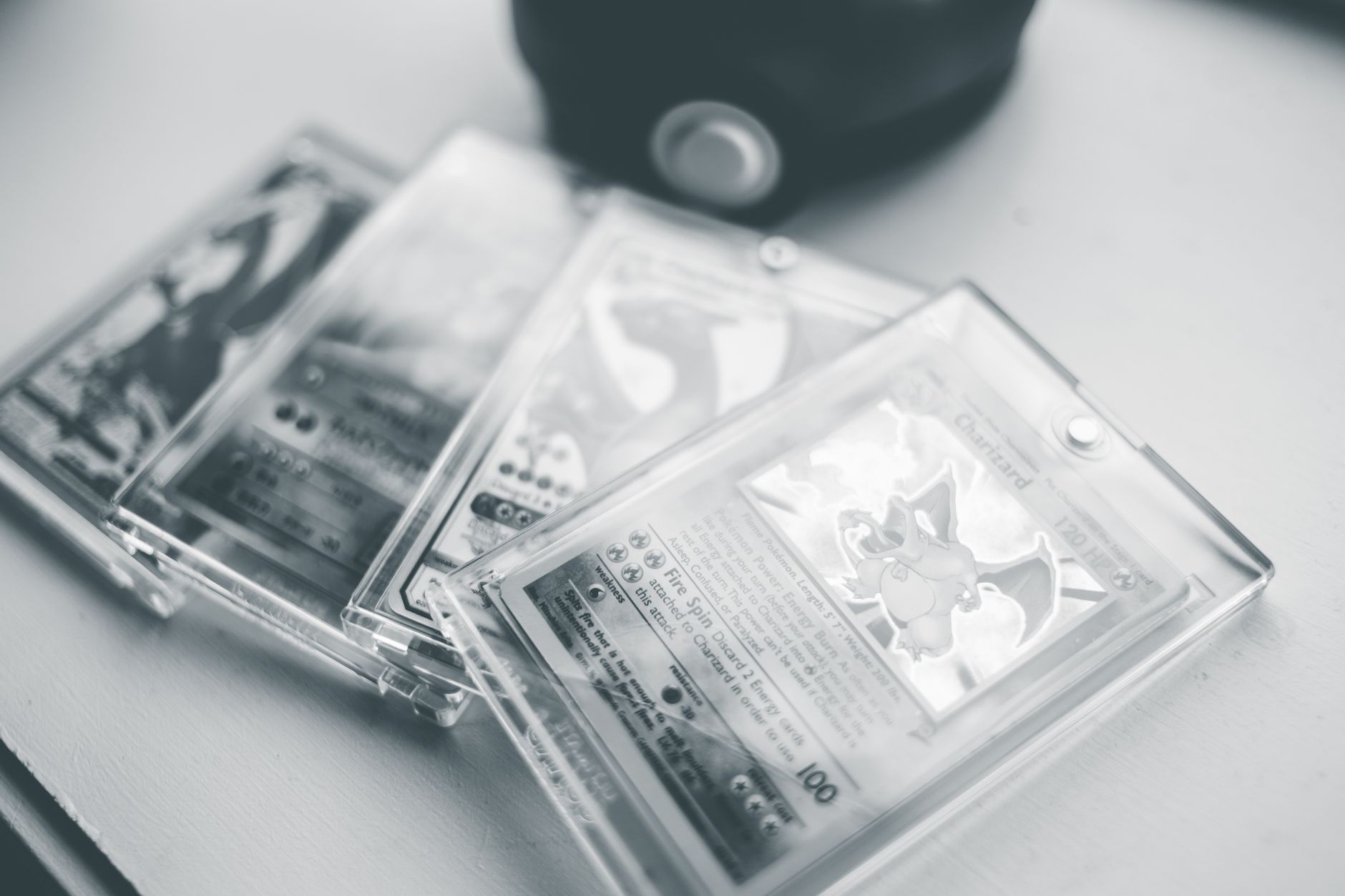
Silver Tempest Radiant Pokemon cards in graded Near Mint condition represent a specific intersection of set rarity, card type desirability, and authentication that commands attention from serious collectors. These cards are pursued because the grading service provides third-party verification of condition and authenticity—critical factors when collecting cards worth hundreds or thousands of dollars—while Near Mint represents a high condition tier that commands premiums over played or worn examples.
For example, a graded Near Mint Radiant Alakazam or Radiant Blastoise from Silver Tempest maintains sharp corners and vibrant centering that justify the cost of professional authentication, whereas raw (ungraded) copies of the same cards carry uncertainty about print defects, handling wear, or authenticity concerns that buyers must discount heavily. The Silver Tempest set introduced Radiant Pokemon as a limited product category—only a handful per set—making them chase cards for collectors pursuing complete sets or specific character favorites. Buying graded copies removes much of the guesswork, but it also removes the ability to negotiate on price or condition: you pay for what the grade says, nothing more, and the card is locked into that assessment unless you pay for reslabeling or cracking and regrading.
Table of Contents
- WHAT ARE SILVER TEMPEST RADIANT POKEMON AND WHY ARE THEY COLLECTED?
- UNDERSTANDING GRADING STANDARDS AND NEAR MINT CONDITION
- MARKET DYNAMICS AND PRICING FACTORS FOR GRADED SILVER TEMPEST RADIANT CARDS
- WHERE TO BUY GRADED SILVER TEMPEST RADIANT POKEMON CARDS
- SPOTTING COUNTERFEITS AND AUTHENTICATION RED FLAGS
- INVESTMENT PERSPECTIVE AND VALUE RETENTION
- STORAGE, DISPLAY, AND LONG-TERM PRESERVATION
- Frequently Asked Questions
WHAT ARE SILVER TEMPEST RADIANT POKEMON AND WHY ARE THEY COLLECTED?
Radiant Pokemon are a designated mechanic and card type in the Pokemon trading card Game, introduced to emphasize rare, powerful versions of specific characters. Silver Tempest, like other modern sets, features a small print run of these Radiant cards—typically between two and five per set depending on the expansion’s size and design. Each Radiant card has distinct artwork, usually highlighting the Pokemon in an energetic or dramatic pose, and the card’s attack or ability names the mechanical twist that makes it competitive or collectible.
Collectors pursue these cards for several reasons: gameplay enthusiasts want them for competitive decks, set completionists need them to fill out their collections, and investment-focused buyers see them as scarcer products than regular holos or secret rares from the same set. The supply of Silver Tempest, released several years ago at this point, has stabilized—packs are no longer being actively opened at retail scale—which means the graded population of Radiant cards in high condition is fixed. A Radiant card graded PSA 8 (Near Mint-Mint) or BGS 8 (Mint) from Silver Tempest represents a known quantity that will never increase from fresh pack pulls.
UNDERSTANDING GRADING STANDARDS AND NEAR MINT CONDITION
near mint condition, typically labeled as 7 or 8 depending on the grading company’s scale, occupies a narrow band: the card shows light play or handling wear, but no creases, stains, or major print defects. A Near Mint card might have a minor corner crease visible under angled light, slight wear to the edges where the card has been shuffled or stored, or slight centering imbalance where the image doesn’t sit perfectly in the frame—but these flaws are subtle enough that most collectors accept them without significant price penalty compared to a Mint copy. The distinction between grading companies matters because PSA uses a 1–10 scale and BGS/Beckett uses a similar scale with subgrades, while CGC and other newer entrants have their own standards.
A PSA 8 is not always equivalent to a BGS 8 in practical terms: graders have personal variance, and some companies are known to grade more conservatively or liberally than others. A card graded Near Mint by one company might receive a 7 from another if examined side-by-side, which is why collectors often prefer cards slabbed by the most widely recognized companies when the goal is future resale. This inconsistency is a real limitation: if you buy a PSA 8 Silver Tempest Radiant expecting an easy resale at the same price point, you may find that the market values that particular card lower if the buyer prefers BGS’s grading.
MARKET DYNAMICS AND PRICING FACTORS FOR GRADED SILVER TEMPEST RADIANT CARDS
The price of a graded Silver Tempest Radiant card depends on which Radiant card it is (some characters are more popular than others), the specific grading company, the grade itself, and current market demand. A Radiant card that is a fan favorite—such as a widely used or recognizable Pokemon—will command a higher price than an equally well-graded Radiant card of a niche character. Grading costs also factor into the total cost: professional grading services charge per card and can take weeks to months during peak periods, so a graded Near Mint card already reflects the cost of authentication plus any seller markup.
Secondary market prices fluctuate based on set popularity and broader Pokemon collecting trends. When a new Pokemon anime season features a character prominently, Radiant cards of that character sometimes see temporary price increases as casual buyers re-enter the hobby. Conversely, when major grading services experience long turnaround times, graded inventory can dry up temporarily, pushing prices upward on existing slabs. The authentication guarantee that comes with a professional grade is valuable, but it’s not an insurance policy: a graded Near Mint card can still lose value if the broader Pokemon card market weakens or if that specific Radiant card falls out of favor.
WHERE TO BUY GRADED SILVER TEMPEST RADIANT POKEMON CARDS
Graded cards are sold through specialized Pokemon trading card retailers, online marketplaces like eBay and TCGPlayer (which have dedicated graded card sections), and direct sales from private collectors. Each channel has tradeoffs. Specialized retailers typically have higher prices but verify authenticity before listing, provide detailed condition photographs, and offer buyer protection if a card arrives damaged.
eBay and TCGPlayer offer wider selection and sometimes lower prices because individuals sell directly, but you assume more risk of receiving a misrepresented card or encountering a seller with poor return policies. Local card shops and in-person events like Pokemon Organized Play tournaments or card shows sometimes have graded inventory, and buying in person allows you to physically inspect the slab before purchase—an advantage over online buying where you rely on photographs. However, in-person options are geographically limited, and local sellers may price aggressively knowing they have captive demand. Online auctions, where graded cards sell to the highest bidder, can deliver fair prices during active bidding or deeply discounted prices if few bidders compete, making them unpredictable for budget planning.
SPOTTING COUNTERFEITS AND AUTHENTICATION RED FLAGS
Counterfeit graded cards exist, though they’re less common than raw counterfeits because creating a convincing slab requires additional forgery effort. Red flags include: slabs with printing inconsistencies (misaligned text, wrong logo colors, unusual fonts), grade labels that don’t match the company’s standard format, serial numbers that don’t correspond to the company’s public registry (most major companies offer online lookup tools), and price points far below market rate for the grade, which can signal either a genuine bargain or a stolen or counterfeit card.
The slab itself is a security measure but not foolproof. Buyers should verify that the card’s appearance matches reputable photographs of the same grade from other sources—a PSA 8 Silver Tempest Radiant should look noticeably sharper than a PSA 6 in the same set, and should not have visible creases or stains. If you’re spending significant money on a graded card, authenticating the slab through the company’s official database is a worthwhile precaution: contact PSA or BGS directly if you’re unsure about a card you’ve purchased or are considering purchasing, especially from unfamiliar sellers or auction sites outside mainstream platforms.
INVESTMENT PERSPECTIVE AND VALUE RETENTION
Graded Near Mint Pokemon cards are sometimes purchased as alternative investments, with the assumption that scarcity and nostalgia will drive long-term price appreciation. However, Pokemon card values are speculative, not backed by earnings or dividends, and are subject to sharp corrections when market enthusiasm wanes. A Silver Tempest Radiant card graded Near Mint might appreciate modestly over several years if the set’s popularity remains stable or grows, but it can also depreciate significantly if the Pokemon TCG experiences reduced player interest or if oversupply from reprints or variant releases floods the market.
The psychological appeal of a graded card—its permanence, authentication, and collectibility—does not guarantee financial return. Collectors who buy graded Silver Tempest Radiant cards should do so because they want to own and enjoy the card, not primarily because they expect rapid financial gains. Cards that are heavily played or have sentimental value to you may not command the price premium at resale that you paid to acquire them graded, especially if condition expectations shift or newer, flashier cards supplant them in collector preference.
STORAGE, DISPLAY, AND LONG-TERM PRESERVATION
Once you own a graded Silver Tempest Radiant card, the slab protects it from most physical damage, but it doesn’t make it indestructible. Slabs can crack if dropped or subjected to extreme pressure, and the card inside remains vulnerable to UV fading if displayed in direct sunlight for extended periods or to moisture damage if stored in humid environments. Collectors who display graded cards should use UV-protective cases or keep them away from windows; collectors storing them long-term should use climate-controlled storage at room temperature (65–70°F) and low humidity (30–40%) to prevent slab warping or internal condensation.
The value of a graded Near Mint card depends partly on its ability to remain in condition—once a slab is cracked or the card inside is damaged, the grade becomes invalid and you lose the authentication guarantee. Storage in a safe deposit box, fireproof safe, or dedicated collection binder with archival-quality sleeves extends the card’s lifespan significantly compared to display shelves or regular desk drawers. If you plan to eventually resell the card, maintaining the integrity of the slab and the card inside is essential: even a small ding to the slab can result in a lower grade if you pursue reslabbing, and physical damage inside the slab cannot be repaired without breaking it open.
Frequently Asked Questions
Are all grading companies accepted equally in the Pokemon card market?
PSA and BGS (Beckett) dominate the market and hold resale value well; CGC, Sportscard Grading and others have smaller but growing acceptance. Cards graded by lesser-known companies may sell for discounts even at the same grade level.
Can I get a graded card regraded if I think the grade is too harsh?
Yes, you can crack the slab and submit it for regrading with the same company or a different company, but you pay grading fees again and risk a lower grade if the new grader is more strict.
How long does professional grading take for Pokemon cards?
Turnaround times vary from 1–2 weeks during off-season to 2–3 months during peak collecting seasons; expedited services cost extra and are sometimes baclogged.
Why does a Radiant Pokemon from Silver Tempest cost more than a regular holographic card from the same set?
Radiant Pokemon are printed in far smaller quantities (usually 2–5 per set), making them inherently scarcer, and they’re often competitively relevant or feature popular characters, increasing collector demand.
Should I crack a graded card open if I want to play with it?
Generally no—doing so destroys the grade and authentication, instantly eliminating the card’s premium value. Buy a raw copy if you intend to play.
You Might Also Like
- Price Charting for Majestic Dawn Infernape Holo
- Price Charting for Majestic Dawn Glaceon Non-Holo
- Price Charting for Majestic Dawn Glaceon Holo