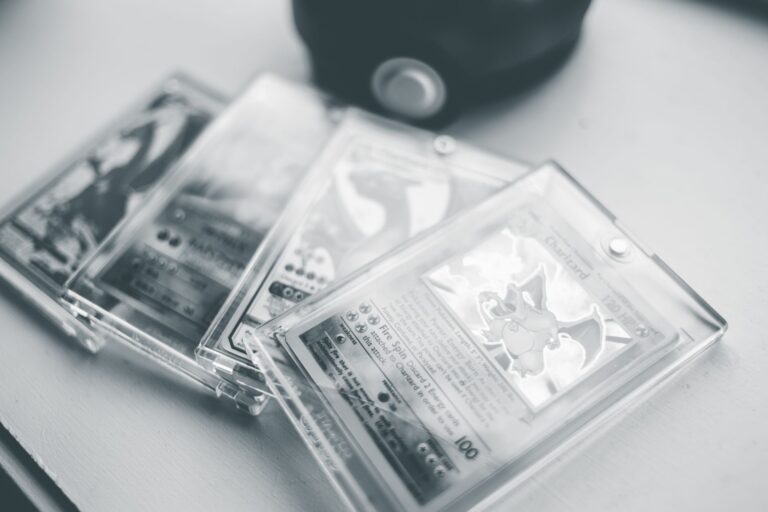
The Base Set Unlimited Pokemon Center (#85) is a trainer card that consistently prices between $1.00 for raw, ungraded copies to significantly higher values when graded. As of 2026, sellers like The Poke Court list raw copies at around $1.00, making this particular trainer card one of the more affordable Base Set singles on the market.
The card’s modest price point reflects the reality that Base Set Unlimited printings are far more common than their 1st Edition or Shadowless counterparts, which means collectors encountering this card should understand its position within the broader Unlimited market before making purchase decisions. For context, a complete 102-card Base Set Unlimited collection averages approximately $325.00 in value, which means the Pokemon Center card represents roughly one-third of a percent of a full set’s worth. This pricing dynamic matters because it shapes how collectors approach completing their Unlimited collections and helps explain why price guides like the price guide and TCGplayer track this card separately from premium variants.
Table of Contents
- What Determines Pokemon Center Unlimited Pricing in Today’s Market?
- Graded Versus Ungraded: The Condition Premium That Matters
- How Pokemon Center Compares to Other Base Set Unlimited Trainers
- Using Price Tracking Platforms to Monitor Real-Time Values
- Common Pricing Pitfalls and Why Markets Fluctuate
- Building Your Unlimited Collection: Pokemon Center’s Strategic Value
- Future Outlook for Base Set Unlimited Pricing
- Conclusion
What Determines Pokemon Center Unlimited Pricing in Today’s Market?
Several factors directly influence the market price for this card. The condition grade is the primary determinant—raw copies sell for minimal amounts, while PSA or CGC graded examples at 9 or 10 command substantially higher prices that can sometimes reach into the double digits or beyond, depending on current market sentiment. Print run volume is the foundational reason: Base Set Unlimited had a massive production run, flooding the market with hundreds of thousands of copies decades ago, which naturally suppressed long-term price appreciation compared to limited-edition alternatives.
The second factor is card playability and utility in the current Pokemon Trading Card Game format. Pokemon Center, as a trainer card from 1999, has no legal standing in modern competitive formats, meaning demand comes purely from collectors rather than tournament players. This collector-only demand creates a ceiling effect where the card rarely experiences sudden price spikes. For example, a near-mint ungraded copy might sell for $2 to $3, while a played or moderately worn copy frequently sells for under $1—the condition variance in unlimited commons and trainers can be dramatic.

Graded Versus Ungraded: The Condition Premium That Matters
The pricing gap between graded and ungraded copies is where Pokemon Center pricing becomes genuinely interesting. An ungraded raw copy, even one in excellent condition, sits around $1.00 because buyers have no third-party authentication. The moment that same card passes through PSA or CGC and receives a 9 or 10 grade, the value can jump significantly—sometimes 5 to 10 times higher depending on market conditions. This premium creates a real tradeoff: paying for grading costs money upfront ($10 to $30 depending on service and turnaround), so it only makes financial sense if the underlying card quality justifies the expense.
One practical limitation collectors face is that Pokemon Center, being a trainer card without exceptional scarcity, rarely justifies grading investment at the raw $1 price point. A player or collector who pulls this card from a vintage pack, or purchases one cheaply at a local card shop, should not expect grading to transform it into a valuable asset. The economics simply don’t work unless you’ve somehow acquired multiple high-quality copies and are willing to batch-grade them. This is why price tracking sites like PokeDATA and PokeSope maintain separate listings for raw and graded copies—the markets operate under fundamentally different pricing logic.
How Pokemon Center Compares to Other Base Set Unlimited Trainers
Pokemon Center occupies the middle tier of Base Set trainer card values. Common trainers like Potion or Pokéball sell for under $0.50 raw, while higher-value trainer alternatives like computer search or Imposter Oak may reach $2 to $5 even in unlimited form. This positioning matters for set collectors because it means Pokemon Center is neither a filler card nor a sought-after cornerstone—it’s a legitimate single that will cost you something but won’t create budget stress.
Comparing across card types, Pokemon Center is also significantly less expensive than any rare Holo card from Unlimited. Even moderately played base holo rares start at $5 and climb from there, while Pokemon Center’s trainer status keeps it in the bulk pricing category. This comparison is useful for collectors working through a Unlimited set methodically: most of your collection cost will concentrate on the rare holographic cards, not on trainers like Pokemon Center. Understanding this structure helps prevent overcommitting budget to cheaper cards and leaving yourself short on the truly expensive pieces.

Using Price Tracking Platforms to Monitor Real-Time Values
Four major platforms maintain live price data specifically for Base Set Unlimited cards: the price guide aggregates recent sales and maintains historical pricing charts, TCGplayer’s price guide tracks marketplace listings from dozens of sellers, PokeDATA focuses specifically on Pokemon TCG pricing with detailed set breakdowns, and PokeSope provides another independent tracking system with community data. These platforms update their information based on completed eBay transactions and marketplace sales, which means checking them directly always yields more current data than any article snapshot can provide. The practical advantage of these platforms is that they let you spot pricing trends before committing to purchase.
If you monitor Pokemon Center’s price on the price guide over several weeks, you can identify whether the $1.00 listing price is standard or represents a temporary dip. Some collectors use price tracking tools to set alerts—many platforms offer this feature—so they’re notified when copies hit their target price. This is especially useful for bulk buys where you’re acquiring multiple Base Set Unlimited trainers at once.
Common Pricing Pitfalls and Why Markets Fluctuate
One frequent mistake collectors make is assuming that because Pokemon Center is a vintage trainer card, its price will steadily increase. In reality, Unlimited cards face a supply ceiling: thousands of these cards exist in collections worldwide, and most sellers maintain consistent inventory. Unlike truly scarce 1st Edition trainers, Unlimited versions experience minimal artificial scarcity. This means the $1.00 price point has remained remarkably stable, with only small fluctuations tied to broader Pokemon card market cycles.
A second pitfall involves overestimating grading returns on bulk common trainers. New collectors sometimes purchase multiple played copies of Pokemon Center, grade them all, and discover that a PSA 7 still sells for only $3 to $5—barely covering the grading cost. The warning here is clear: selective grading works for cards with inherent scarcity or demand; blanket grading of Unlimited trainers typically destroys profit margins. Similarly, storage and insurance costs for graded cards add overhead that can eliminate any gains on low-value singles.

Building Your Unlimited Collection: Pokemon Center’s Strategic Value
When assembling a complete Base Set Unlimited set, Pokemon Center functions as a straightforward filler acquisition rather than a major purchase decision. At $1.00 per copy, most collectors simply acquire it alongside other commons and uncommons when buying bulk lots or discounted modern collections. The strategic value lies in recognizing which Unlimited pieces deserve focus—the holographic rares, the promo cards, and the condition-sensitive early holos merit careful sourcing and budget allocation, while Pokemon Center gets bundled into the “standard trainer filler” category.
From a collecting perspective, having this card as part of your complete Unlimited set represents authentication of your set’s comprehensiveness. No single copy of Pokemon Center matters that much, but completing the full 102-card collection with every single numbered card, including all common trainers like this one, signals serious collecting ambition. This is why the $325 complete set value matters: it’s the cumulative cost of acquiring every card, with Pokemon Center representing a negligible but necessary component.
Future Outlook for Base Set Unlimited Pricing
Base Set Unlimited pricing as a category faces long-term stability rather than dramatic appreciation. Print volumes were so high that new supply continues entering the market regularly from discovered vintage collections and estate sales. This ongoing supply keeps pressure on prices, preventing the kind of sustained increases seen in 1st Edition equivalents.
Pokemon Center, positioned as a common trainer within this landscape, will likely remain in the $0.75 to $1.50 raw range indefinitely unless broader Pokemon TCG nostalgia cycles create temporary demand spikes. The most realistic expectation for collectors is that Pokemon Center’s value will track general Pokemon card market sentiment rather than show independent price movement. During bullish periods for vintage cards overall, Unlimited trainers might see slight appreciation; during bearish periods, they may dip slightly. This predictability actually makes Pokemon Center a useful stabilizing element in mixed collections—you can count on its value remaining relatively flat while your more valuable cards fluctuate more dramatically.
Conclusion
Pokemon Center from Base Set Unlimited prices consistently at approximately $1.00 for raw ungraded copies, with graded examples commanding significantly higher premiums that rarely justify the grading investment at this card’s baseline value. The card’s modest price reflects abundant supply from the massive Unlimited print run and lacks any current game playability that might drive collector demand beyond set completion. Using platforms like the price guide, TCGplayer, PokeDATA, and PokeSope, collectors can monitor actual market transactions and spot any meaningful price movement before purchasing.
For most collectors, Pokemon Center functions as a straightforward, inexpensive component of a complete Base Set Unlimited collection rather than an individual investment piece. The card’s real value lies in representing set completeness rather than in appreciating financially, making it a reliable and low-risk acquisition for anyone building a vintage Unlimited collection. Focus your budget attention on the rare holographic cards that drive the collection’s overall value, while treating trainers like Pokemon Center as inevitable necessities in the $1 category.
You Might Also Like
- verified sold listings across major TCG marketplaces for Base Set Pokemon Trader Unlimited
- verified sold listings across major TCG marketplaces for Base Set Pokemon Breeder Unlimited
- verified sold listings across major TCG marketplaces for Base Set Weedle Unlimited
Frequently Asked Questions
How much is a PSA 10 Base Set Pokemon Center Unlimited worth?
Base Set Pokemon Center Unlimited PSA 10 value is tracked from verified sold listings across eBay, TCGplayer, Goldin, and Fanatics Collect. Recent sales determine the current market price, which shifts month to month based on supply, condition, and demand.
Is Base Set Pokemon Center Unlimited a good investment?
Long-term trend data for Base Set Pokemon Center Unlimited is on this page. Vintage Pokemon cards in PSA 10 condition have historically appreciated, but performance varies by set, popularity, and grading population. Compare the monthly trend on this chart to similar cards before deciding.
Where can I see Base Set Pokemon Center Unlimited sold listings?
We aggregate verified sales from eBay, TCGplayer, Goldin Auctions, and Fanatics Collect. The recent-sales section on this page shows individual transactions with date and price.