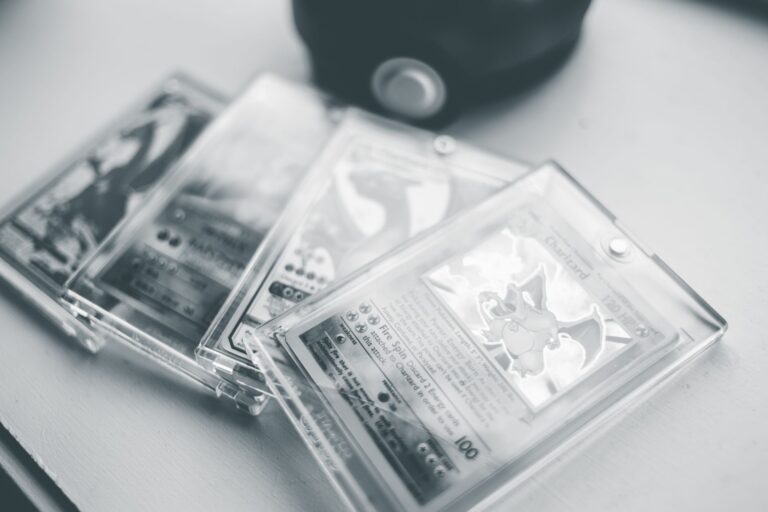
Childhood collection finds could significantly impact Pokemon card prices in 2026, particularly in the vintage market where supply is limited and demand continues climbing. When collectors rediscover old shoeboxes full of Wizards of the Coast era cards, they’re flooding the market with cards that haven’t been seen in decades—and if those cards are in good condition, they can command prices that rival recent auction records. For example, a PSA 10 Reverse Holo Squirtle from 2012’s Boundaries Crossed sold for $15,000 in March 2026, representing a staggering 5,900% increase from its 2023 valuation, and these kinds of vintage finds are exactly what’s driving that explosive growth.
The recent surge in childhood collection discoveries is directly tied to the massive collector spending boom of the last five years. Between 2020 and 2025, spending on Pokémon trading cards jumped 350%, creating a goldmine of interest for anyone who had the foresight to keep their cards in reasonable condition. With the Pokémon Company celebrating its 30th anniversary this year, veteran collectors and curious newcomers alike are digging through their childhood memorabilia, and what they find could reshape market dynamics in the months ahead. The question isn’t whether these finds will affect prices—it’s how significantly they’ll reshape which cards rise and which correct downward.
Table of Contents
- What Childhood Collections Mean for the 2026 Market
- Condition and Grading Make or Break the Value of Childhood Finds
- Record Sales and Market Momentum Behind Childhood Collections
- Evaluating Your Childhood Collection Finds: A Practical Guide
- The Reprinting Problem and Modern Card Devaluation
- Modern Market Trends Supporting Childhood Collection Values
- The 30th Anniversary Effect and Future Market Outlook
- Conclusion
What Childhood Collections Mean for the 2026 Market
Childhood collection finds represent a critical inflection point in the 2026 pokemon card market because they introduce supply that previously didn’t exist in circulation. For two decades, cards that were opened in 1999 and shoved into a closet have been effectively removed from the market. When those cards resurface in decent condition, they compete directly with graded inventory currently listed at premium prices, and that pressure is already visible in certain segments. The recent 30-50% price increase expectations for vintage Wizards of the Coast cards heading into the anniversary weren’t driven solely by demand—they’re partly anticipatory, with collectors rushing to buy graded copies before childhood finds are rediscovered and potentially abundant.
The challenge is that not every childhood find carries equal weight. A handful of Base Set cards in mint condition can be worth thousands, while bulk lots of commons and uncommons from later sets might struggle to find buyers even at modest prices. The market is already segmenting based on condition and rarity, and childhood discoveries tend to arrive in varied conditions—some cards were kept in perfect sleeves since 1998, while others endured years in plastic storage containers or, worse, in damp basements. This inconsistency means the market impact of childhood finds depends heavily on whether those collections are primarily high-value vintage cards or filler material.

Condition and Grading Make or Break the Value of Childhood Finds
The difference between a childhood find that becomes a five-figure sale and one that sells for single digits often comes down to a single factor: condition. A single psa grade difference can mean hundreds or thousands of dollars in value difference, with factors like centering, corner wear, edge condition, surface scratches, and print defects all playing a role. A PSA 10 Pikachu Illustrator owned by Logan Paul sold for $16,492,000 at Goldin Auctions in February 2026—the most expensive trading card ever sold at auction—while lower-graded copies of the same card sell for orders of magnitude less, sometimes under six figures. For anyone discovering childhood collections, this reality is both exciting and sobering: mint condition is required to unlock the highest prices.
The warning here is that childhood cards often aren’t in mint condition, no matter how carefully you thought they were stored. Exposure to light, humidity, and even handling from 25 years ago causes invisible damage—slight centering issues, faint edge wear, or minor surface marks that are imperceptible to the naked eye but glaring to a PSA grader. Many collectors who crack open old collections discover that their “perfect” cards grade at a 7 or 8 rather than the 9 or 10 they expected. This means setting realistic expectations before investing in professional grading, especially for bulk lots where you might spend $50 in grading fees only to receive a $20 card back. The best approach is to sort childhood finds by obvious condition first, sending only the highest-quality candidates to be graded.
Record Sales and Market Momentum Behind Childhood Collections
The market dynamics driving childhood collection values have shifted dramatically in the past 12 months, with auction houses setting new records almost monthly. Beyond Logan Paul’s $16.5 million Pikachu Illustrator, a PSA 10 copy of 1st Edition Base Set Charizard sold for $550,000 at Heritage Auctions in December 2025, and these aren’t anomalies—they’re indicators of deep, sustained demand at the top of the market. When these records appear in news coverage, they inevitably trigger waves of people searching through their old cards, wondering if they own the next big prize. The psychological effect of these headlines is almost as important as the actual market data: they make people believe childhood finds could be transformative.
However, the prices at the very top of the market don’t represent typical childhood collection outcomes. Most Base Set Charizards in circulation grade in the 4-6 range, not 10, and they sell for $200-800 depending on condition, not half a million dollars. The market correction that began in 2024 and continued into 2026 has established itself as a stabilization process rather than a crash, but this means everyday childhood finds are subject to more modest price movements than the headline sales suggest. A childhood collection with a few high-quality vintage holos might yield $1,000-5,000 when properly evaluated and graded, which is meaningful but also requires realistic expectations about time and effort in listing, photographing, and managing the sale.

Evaluating Your Childhood Collection Finds: A Practical Guide
The first step in evaluating a childhood collection is sorting by obvious quality tiers before doing anything else. Separate cards that were clearly well-kept (minimal visible wear, no creases, good color) from bulk inventory that shows obvious damage, fading, or condition issues. This sorting process takes an afternoon but saves hundreds in unnecessary grading fees. For high-quality candidates—particularly vintage holos from Base Set through Expedition era—research comparable sales on TCGplayer or recent auction results to understand market value before grading. A card that grades PSA 8 might be worth $150, but a PSA 9 could be worth $600, making the $20 difference in grading cost negligible compared to the potential upside.
The timing of selling childhood finds matters more in 2026 than in previous years. The 30th-anniversary pricing bubble is real, with some vintage cards seeing those 30-50% increases, but this also means you’re selling into a market that might correct downward after the anniversary celebration ends. If you’ve discovered cards from high-demand sets like Base Set, Jungle, or Fossil—and they’re in genuine mint condition—selling sooner rather than later may make financial sense. Conversely, if your childhood collection is mostly from later Wizards era sets or early Pokemon TCG Company era (Neo sets, Gym Challenge), the market is still building for those cards, and you might benefit from holding for another year or two. The comparison is straightforward: sell record-breaking vintage immediately, but don’t rush on solid mid-tier inventory.
The Reprinting Problem and Modern Card Devaluation
One critical risk that childhood collection sellers should understand is the impact of reprinting on modern card values, though this is less relevant to 1990s collections and more significant for anyone with early 2000s or 2010s-era finds. When reprints are announced, even highly sought cards can decline sharply. The Pikachu ex SIR from Surging Sparks dropped 21% in value (from $320 to $254) following reprint announcements in early 2026, and Charizard ex variants saw 15-25% value drops. This means if your childhood collection includes high-value modern chase cards, selling before reprints are announced—or at least, before widely circulating rumors about reprints—is essential. The market can move 20-25% in a matter of weeks once reprinting news becomes official.
The limitation here applies primarily to anyone with recent childhood collections (cards from the last 5-10 years), not vintage finds from the 1990s. Wizards of the Coast era cards are effectively protected from reprinting because the Pokémon Company changed manufacturers in 2003 and has no plans to reissue classic sets. However, if your childhood shoebox contains anything from Surging Sparks, recent Scarlet and Violet expansions, or other post-2020 sets, be aware that reprinting is an ongoing risk. The safest childhood finds are unambiguously old—pre-2010 cards are almost certainly safe from reprinting, while anything recent carries reprinting risk. This distinction should influence your sorting and sales timeline significantly.

Modern Market Trends Supporting Childhood Collection Values
Despite the reprinting risks in recent sets, the broader 2026 market environment is supporting childhood collection finds in unexpected ways. The Bubble Mew, a contentious and heavily traded card, reached an all-time high of $700 in September 2025, declined through early 2026, but then recovered all losses and gained additional value by mid-February 2026. This recovery pattern suggests that the market is stabilizing around genuinely valuable cards rather than pure speculation. Similarly, the Gengar chase card from the Ascended Heroes set has climbed in price basically every week since the set became widely available in February 2026, indicating sustained collector demand rather than flash-in-the-pan hype.
These trends matter for childhood collections because they show that collector demand is real and ongoing, not a temporary boom waiting to burst. Someone rediscovering a childhood collection in June 2026 is entering a market with genuine interest from both collectors and investors, not a dying market or one on the verge of collapse. The market correction of 2024-2026 is precisely what vintage collectors should want: it’s weeding out speculation and establishing prices based on actual collector utility and rarity. Your childhood finds might not command the astronomical 2021 prices, but they’ll sell to genuine hobbyists at fair, sustainable values.
The 30th Anniversary Effect and Future Market Outlook
The Pokémon Company’s 30th anniversary in 2026 is creating a temporary tailwind for vintage card prices, particularly for classic Wizards of the Coast era cards that defined the franchise’s collectibility. The 30-50% price increase expectations for vintage WOTC cards reflect this anniversary moment, and it’s worth considering this when timing the sale of any truly pristine childhood finds. However, it’s equally important to recognize that this anniversary bump is temporary, and prices will likely normalize once the celebration ends later in the year. For childhood collections containing multiple high-quality vintage cards, selling in the next 3-6 months captures this anniversary premium.
For collections with only a handful of valuable cards mixed with bulk inventory, the advantage of selling now is minimal. Looking forward into late 2026 and beyond, the market trajectory for childhood finds appears positive but modest compared to 2021-2022 peaks. Collector spending remains elevated at 350% above 2020 levels, indicating sustained interest in the hobby. The stabilization of the market around genuine rarity and condition rather than pure speculation means childhood collections are increasingly valuable as supply sources for serious collectors seeking specific cards. If you’re discovering a childhood collection, you’re entering a healthier market than existed two years ago—one where condition matters, rarity is respected, and prices reflect genuine demand rather than FOMO-driven bubbles.
Conclusion
Childhood collection finds will continue to shape 2026 Pokemon card prices through the simple economics of supply and condition. The massive collector spending boom of 2020-2025 created demand that vintage supply couldn’t fully satisfy, and childhood discoveries are now filling that gap—particularly for high-quality vintage cards in the $500-$5,000 range. The record-breaking sales like Logan Paul’s $16.5 million Pikachu Illustrator are attention-grabbing, but the true market impact of childhood collections comes from the thousands of mid-tier vintage cards that are suddenly available for collectors who couldn’t find them on the market before.
If you’re sitting on a childhood collection, the immediate opportunity is real but time-sensitive. Sort by condition, research comparable sales, and prioritize grading your best candidates before the anniversary window closes later in 2026. The market will remain solid for genuinely good vintage cards long after the 30th anniversary hype fades, but capturing the current premium is worth the effort if you have pristine material. Most importantly, set realistic expectations: childhood finds are valuable, but not every card is worth grading, and condition is absolutely everything when determining whether a discovery becomes a windfall or a modest sale.