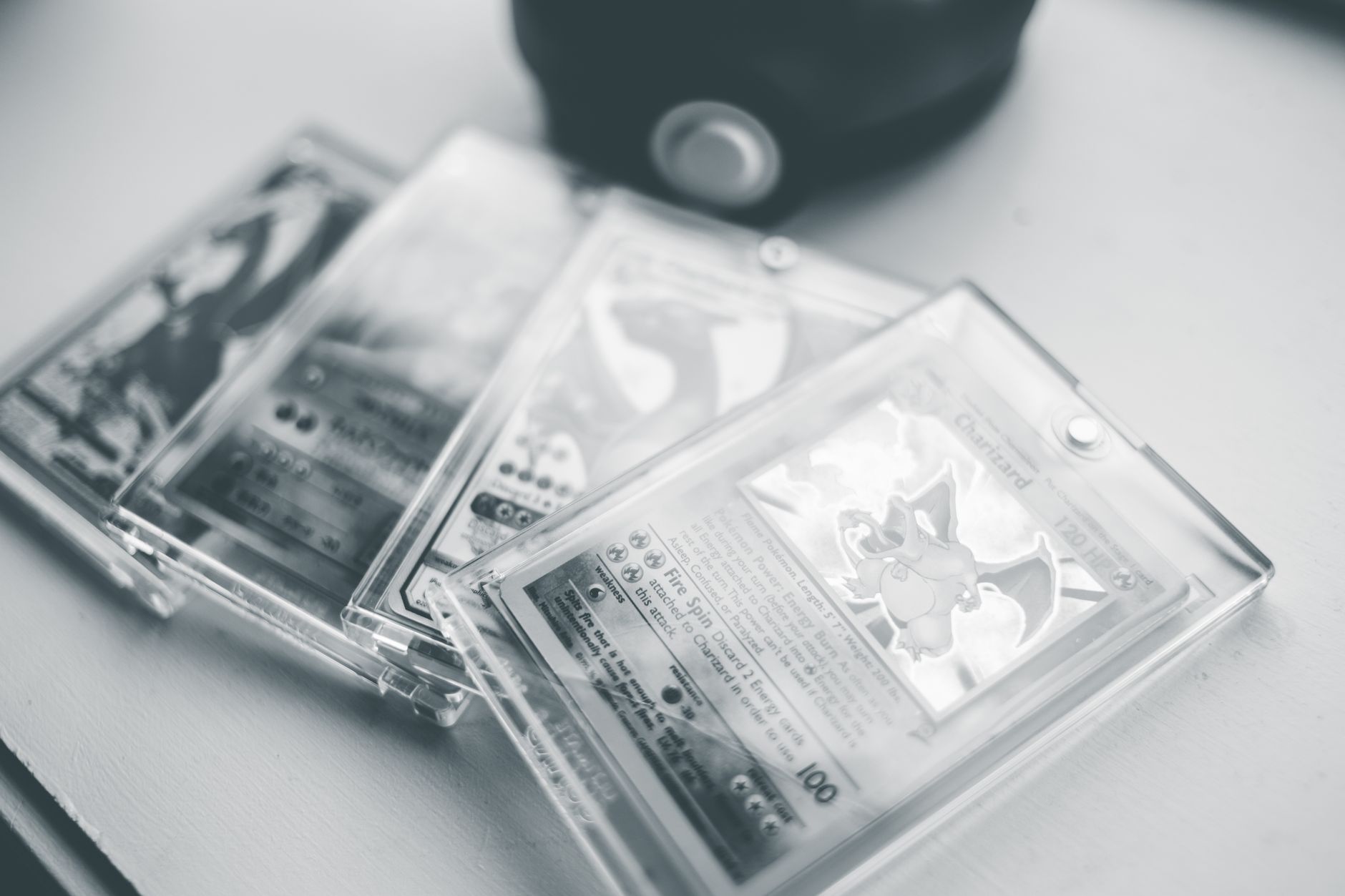
Graded Pokemon cards carry higher theft risk because their sealed cases advertise authenticity and value at a glance. Protect a graded collection by limiting public exposure, using locked storage, and keeping separate records for recovery. A graded collection means cards authenticated, scored for condition, and sealed in hard plastic holders, often called slabs, with a label showing the grade and certification number. Those features make slabs easy to carry, easy to identify, and easier to resell than raw cards.
Table of Contents
- Why graded slabs attract theft
- Where are you most exposed?
- How should you store slabs at home?
- What records help after a theft?
Why graded slabs attract theft
Slabs solve a buyer's trust problem. The label states the card, grade, and certification number, so a thief can move the item without explaining condition or authenticity. Small size adds to the risk because several high-value slabs fit in a pocket or small bag.
Display also creates exposure. A shelf, desk background in videos, or trade binder signals exactly what is available and where it sits. Limit full-collection photos and avoid showing storage locations, mail, room details, or schedules.
Where are you most exposed?
Loss often comes from access rather than force. Common points include packages left at doors, cards left visible in cars, hotel rooms during events, and trades where many people handle your binder. Social posts that show recent arrivals and travel plans can narrow timing for theft.
In-person handling needs clear limits. Bring only the slabs meant for sale, grading, or display, and keep spares locked away. At shows and meetups, keep cases closed and in hand, return each slab before showing the next, and avoid leaving a bag unattended at a table.
How should you store slabs at home?
Choose storage that is locked, discreet, and hard to carry off. A bolted safe or locking cabinet works better than a display shelf, closet box, or portable case. Keep the location private within the household and limit who knows the collection's size.
Practical steps help more than one large purchase: For travel and mail, reduce time in vulnerable places. Require signatures where available, use a secure pickup point, and avoid branding on outgoing packages. Carry slabs on your person during transit and never leave them visible in a parked car.
- Keep slabs out of sight from windows and visitors.
- Lock the safe or cabinet every time, even for short absences.
- Separate high-value slabs from bulk cards and empty packaging.
- Avoid keeping collection photos, passwords, and inventory in the same place as the cards.
What records help after a theft?
Good records do not stop theft, but they improve the chance of identification and claims. Photograph the front and back of each slab, including the certification label. Save the set name, card number, grade, and certification number in an inventory kept apart from the collection.
Keep purchase receipts, grading invoices, and seller messages in one folder. If slabs are stolen, give police the inventory, photos, and certification numbers, then watch marketplaces and local shops for matching labels. Ask your insurer directly whether collectibles are covered, what proof is required, and whether slabs need a separate rider or appraisal. Keep certification numbers in a separate location from the cards themselves.
You Might Also Like
- How Much Could a Pokemon Card ETF Change Collector Pricing?
- Why Collectibles Like Pokemon Cards Are Entering ETF Discussions
- Pikachu Illustrator Card Value: What Drives the Price?