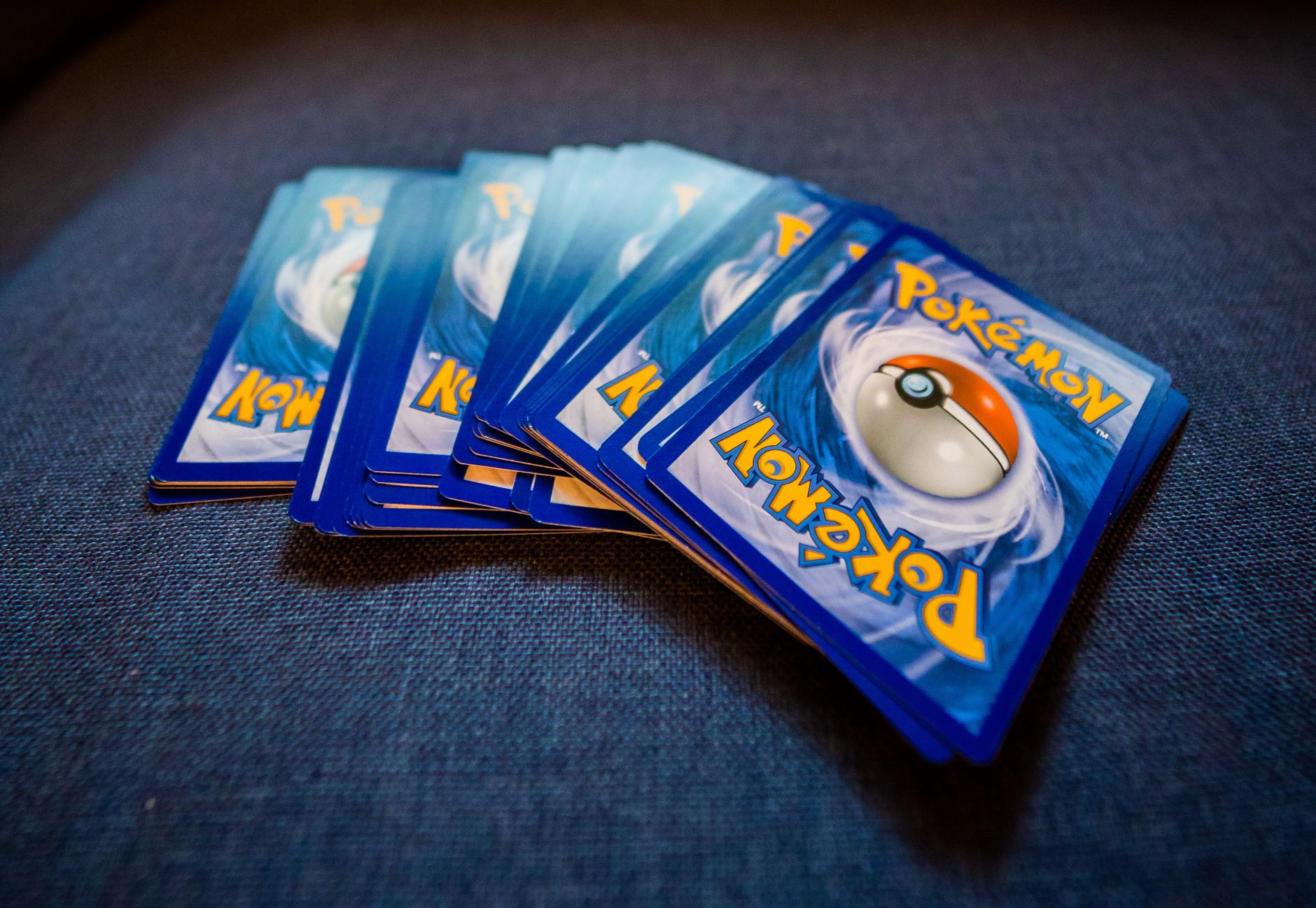
Collectibles like Pokemon cards are entering ETF discussions because investors want stock-market access to alternative assets without buying and storing items directly. An ETF, an exchange-traded fund that trades on an exchange and tracks a basket of assets, promises that kind of one-click exposure. For card collectors, the talk is about market structure rather than play value. It does not change what drives a card: print scarcity, condition, and buyer demand.
Table of Contents
- What would a card ETF actually hold?
- Why are collectibles coming up in ETF talk?
- What makes Pokemon cards awkward for ETFs?
- Would an ETF change your cards' value?
- What should collectors do now?
What would a card ETF actually hold?
An ETF holds assets through a custodian, a company that stores and accounts for them, and issues shares that track that pool. Stock and bond ETFs hold securities that are identical and easy to transfer.
A card version would hold vaulted copies, likely graded singles or sealed product, with professional storage, insurance, and audits. Your share price would follow the vault value minus fund fees and costs.
Why are collectibles coming up in ETF talk?
Investors often look beyond stocks and bonds for diversification, meaning assets that may move differently in price. Graded collectibles helped that case because a third-party grade gives buyers a shared language for condition.
Pokemon is a useful example because sets are recognizable, print runs are documented, and resale activity is active. That visibility makes cards easy to discuss, even though they remain harder to package than stocks.
What makes Pokemon cards awkward for ETFs?
Two shares of stock are interchangeable, but two cards with the same name often are not. Edition, centering, corners, surface wear, and grade can split similar-looking cards into very different markets.
Liquidity is also uneven. Popular modern singles trade often, while high-grade vintage can take weeks to sell at an acceptable bid.
- Grade sensitivity: a one-point grade change can move value sharply.
- Custody load: authentication, vaulting, insurance, and regrading add cost.
- Supply quirks: reprints, grading-population growth, and fakes affect confidence.
Would an ETF change your cards' value?
Owning a share is not owning a card. You could not display it, play it, or trade it at league night. Fund buying would target only vault-eligible grades and sets, so any demand effect would concentrate there rather than lift the whole hobby.
Fund selling could return those same cards to the market and pressure those narrow segments. ETF shares can also trade above or below the vault value when demand for the share shifts. That premium or discount means the share price and card prices can diverge for a time.
What should collectors do now?
Keep collecting decisions tied to the card in front of you: edition, grade, eye appeal, provenance, and recent sales for that exact grade. An ETF idea does not make a worn, overgraded, or altered card more desirable.
If you ever consider a fund share, compare it like any packaged product. Look at fees, custody terms, audit practice, what exact inventory qualifies, and whether you can redeem shares for cards or only cash. Before buying any fund share, compare its expense ratio, custody terms, and redemption rules against the cost of owning graded singles yourself.
- Match the inventory list to sales you can verify for those grades.
- Subtract the annual fee from any return you expect.
- Decide whether you want a displayable collection, market exposure, or both.
You Might Also Like
- How Much Could a Pokemon Card ETF Change Collector Pricing?
- Can Pokemon Cards Really Count as a Retirement Investment?
- Which Unified Minds Pokemon Cards Are Worth Grading?