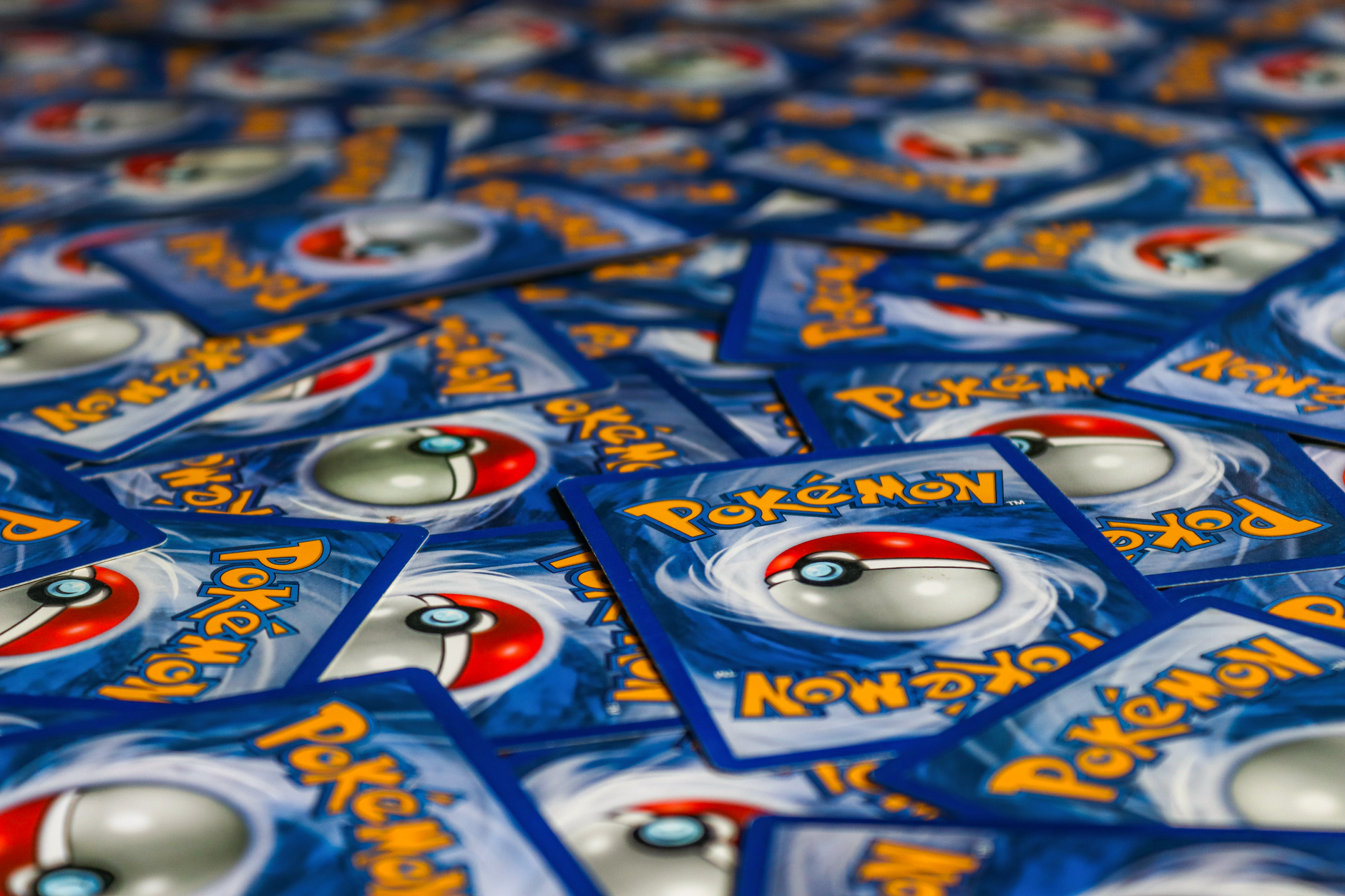
Pikachu trading card values in 2026 span an enormous range, from cents for common modern prints to a record $16,492,000 for a single unique vintage grail. In February 2026, Logan Paul's PSA GEM MT 10 "Pikachu Illustrator" set the most expensive trading card price ever recorded at auction, according to Guinness World Records. That headline number is an outlier, not a market average. Below the record-setting grails, most Pikachu cards trade for a few dollars to a few hundred, and the broader trading-card market's "valuation" figures are analyst estimates that vary widely by method.
Table of Contents
- The record sale that reset the ceiling
- What a typical Pikachu card is actually worth
- Vintage versus modern in 2026
- How to read "market valuation" numbers
- Checking a Pikachu card's value before you buy or sell
- Frequently Asked Questions
The record sale that reset the ceiling
The pikachu Illustrator is a 1998 Japanese promo card given to winners of a CoroCoro Comic art contest. Roughly 39 to 41 copies exist, and Logan Paul's is the only one graded PSA 10, a population of one, per the cardsnpacks census. The 2026 sale ran as a 41-day Goldin auction that drew 97 bids.
The final price broke down to a $13.3 million hammer plus a 24% buyer's premium, reaching $16.49 million, with venture capitalist A.J. Scaramucci named as the buyer, Sports Illustrated reported. For context on the climb, Paul had bought the same card for $5,275,000 in 2021 in a then-record private sale. The 2026 result roughly tripled that figure in five years.
What a typical Pikachu card is actually worth
Treat the record as a museum piece, not a price guide. The $16.49 million card is unique, and typical Pikachu cards range from cents to a few hundred dollars depending on set, print run, and grade. Modern chase cards show how volatile the mid-market is.
The Pikachu ex Special Illustration Rare from Surging Sparks (sv8-238) traded around $261 to $271 in early-to-mid 2026, according to TCG Stacked pricing data. That is a strong modern card, yet it sits far below any vintage grail. Common and uncommon Pikachu prints from recent sets often stay in the $1–$10 range unless they carry a rare treatment or a high grade. Condition and third-party grading drive most of the gap between a bulk copy and a collectible one.
Vintage versus modern in 2026
The two halves of the market moved in opposite directions this year. Vintage and sealed product — Base Set, E-Series, and early ex cards — appreciated roughly 15% to 25% heading into the 30th-anniversary year, per Samurai Sword Tokyo's 2026 trend report. Modern cards told a different story.
That same analysis found mid-tier 2023–2026 cards corrected about 15% to 25% down from their launch peaks. Buying a modern chase card at release often means paying the top of its curve. The practical takeaway: scarcity and age still anchor durable value, while modern hype prices tend to fade after the initial rush. If you collect for the long term, sealed vintage has behaved more like an appreciating asset than recent singles.
How to read "market valuation" numbers
When articles cite a Pokemon or trading-card "market size," they mean analyst estimates, not audited totals. One firm pegs the global trading-card-games market near USD 9.2 billion in 2026, growing to USD 16.9 billion by 2035, a 6.9% CAGR, per GMInsights. Those numbers swing widely — from about USD 9 billion to USD 50 billion or more — depending on whether a study counts sealed product, singles, accessories, or grading.
Treat any single figure as illustrative, not authoritative. Pokemon's dominance within that category is clearer. GMInsights reports the franchise led trading card games with over 12% market share in 2025, the largest single brand.
Checking a Pikachu card's value before you buy or sell
A few steps separate a guess from a defensible number: Avoid anchoring your expectations to record sales. The Illustrator's $16.49 million says almost nothing about the card in your binder.
- Identify the exact set and card number, since the same character appears across hundreds of prints at wildly different values.
- Check the grade, or estimate it honestly — a PSA 10 and a raw played copy of the same card are not close in price.
- Verify the graded-card census on the PSA population report to see how many exist at each grade.
- Compare recent sold prices, not asking prices, since listings often sit above what buyers actually pay.
- Discount modern chase cards for volatility, given the 2026 correction in mid-tier singles.
Frequently Asked Questions
Is every Pikachu Illustrator card worth millions?
No. Values depend on grade and provenance; only the sole PSA 10 reached $16.49 million, and even other copies sell for far less.
Are modern Pikachu cards a good investment in 2026?
They carry real risk. Mid-tier 2023–2026 cards corrected roughly 15% to 25% from launch peaks, so buying at release often means paying the top price.
Why do Pokemon market size figures differ so much?
They are third-party analyst estimates using different scopes, ranging from about USD 9 billion to USD 50 billion or more, so no single number is definitive.
You Might Also Like
- Pikachu trading card collectible market valuation and pricing 2026
- Trading card values surging and declining this week July 2026
- Rare Trading Card Collector Valuation Guide Pricing Trends Assessment