Pokémon GO Fest 2026 is bringing travel directly back into mobile gaming by expanding the in-person event experience to three continents with scheduled festivals in Tokyo, Chicago, and Copenhagen before a massive free global event in July. For the first time in the game’s history, Pokémon GO is removing the financial barrier to participation entirely—the July 11-12 global event will be completely free, a dramatic shift from previous GO Fest models that charged entry fees. This change fundamentally alters how the game’s 70+ million monthly active players can engage with the world around them, turning entire regions into hunting grounds for rare creatures like Zeraora and the newly debuting Mega Mewtwo forms.
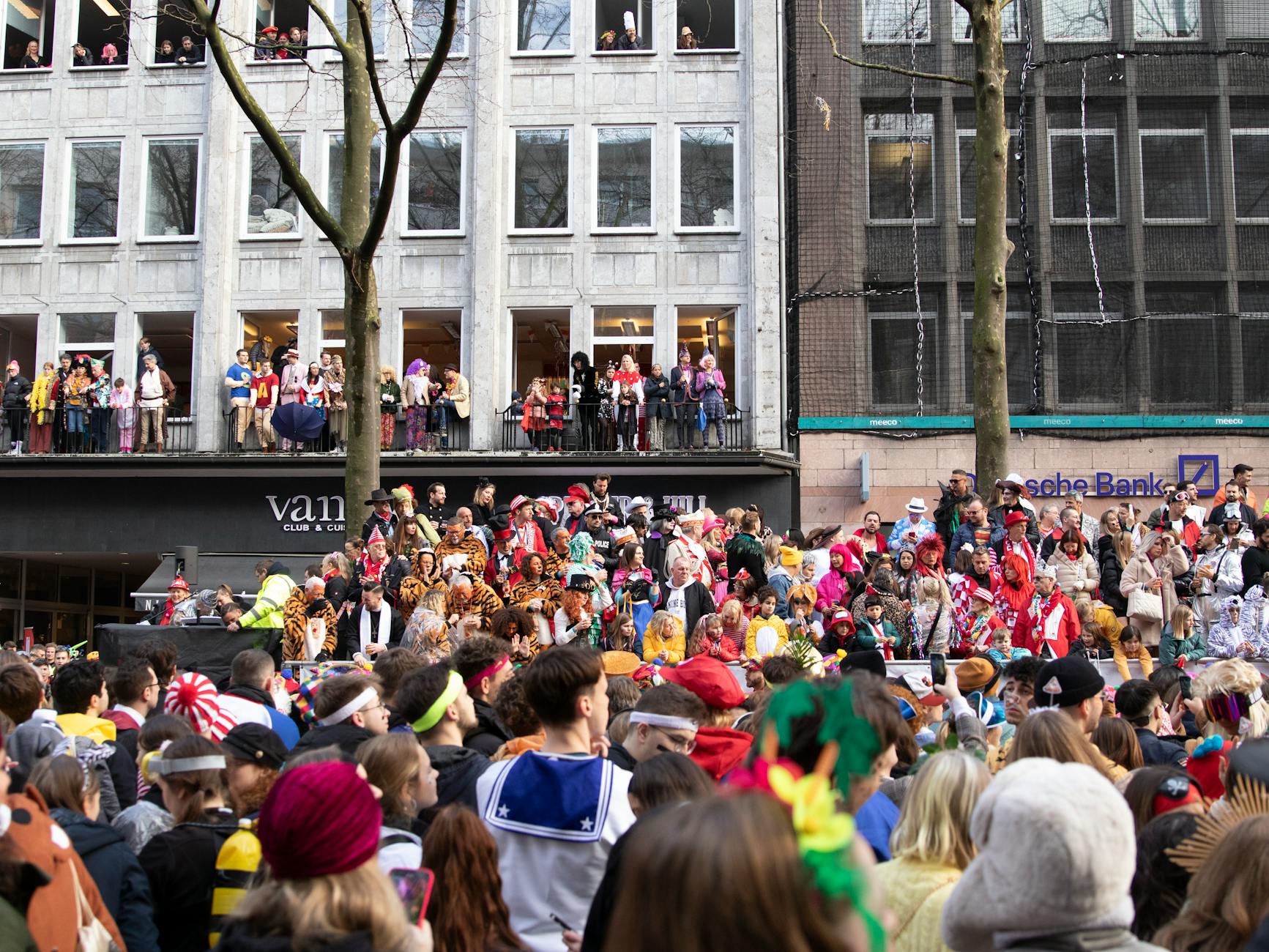
The shift marks a deliberate rejection of mobile gaming’s long-standing trend toward stationary, in-home experiences. Where many competing games double down on remote play and digital-only events, Niantic is investing heavily in the opposite direction—getting people outside, traveling to festivals, and creating moments that require physical presence in specific locations. Consider the contrast between someone sitting at home collecting digital rewards versus a player in Chicago during June 5-7 competing in the city streets, trading with strangers, and battling at actual landmarks. The difference isn’t just convenience; it’s about building genuine community through shared physical experience, something the hobby has always thrived on.
Table of Contents
- Why Is In-Person Travel Central to GO Fest 2026’s Design?
- What Does Free Global Participation Really Change?
- How Are the In-Person Festivals Shaping Competitive Play?
- What’s the Practical Trade-off Between Travel and Global Access?
- What Constraints Should Players Know About Community Celebrations?
- How Does GO Fest 2026 Connect to Pokémon Card Collecting?
- What Does GO Fest 2026 Signal About Mobile Gaming’s Future?
- Conclusion
Why Is In-Person Travel Central to GO Fest 2026’s Design?
The decision to anchor GO Fest 2026 around three major in-person events reflects a lesson learned from the pandemic era: mobile gaming communities atrophy without geographic gathering points. tokyo‘s waterfront festival, Chicago’s urban venues, and Copenhagen’s northern European location aren’t arbitrary choices—they’re designed to attract players with different travel commitments and budgets. A player in Seoul could potentially reach Tokyo with a weekend trip, while North American players have Chicago, and European players get Copenhagen followed by the global event just weeks later.
This strategy also creates a cascading competitive advantage. Early adopters who travel to the spring events (May-June) can encounter rare Pokémon and complete special research tasks before the July global event, giving them weeks to plan their participation strategy. Someone who catches Zeraora, the mythical Electric-type Pokémon making its franchise debut in GO, at the Tokyo festival will have a significant collection advantage over players who wait for July. The game is essentially rewarding travel with genuine power progression, a mechanic that older Pokémon games like Gold and Silver pioneered by requiring players to physically move between regions.

What Does Free Global Participation Really Change?
The removal of the event ticket price fundamentally rewrites GO fest‘s economics. Previous years charged $14.99 to $39.99 for regional or global access, which meant players in lower-income countries, younger players without discretionary spending, and families with multiple participants faced real financial friction. Making the July 11-12 event completely free (running 9 hours in each player’s local time zone) removes that barrier entirely for the first time in the event’s history. However, this doesn’t mean equal access—players in areas with poor cell network coverage, in rural regions with fewer Pokémon spawns, or without nearby Community Celebration venues (26 are scheduled worldwide, but coverage varies dramatically) will still experience significant disadvantages compared to city-center players.
The free model also reveals a hidden limitation: Niantic’s revenue expectations have likely shifted. A free global event suggests either that the company expects massive engagement to offset lost ticket revenue through in-game purchases, or that they’re treating GO Fest 2026 as a 10th-anniversary celebration where the goal is community building rather than profit maximization. Players should expect increased prices on remote raid passes, special event items, or premium Pokémon encounters to offset the free entry. The cost of participation hasn’t been eliminated—it’s been shifted from a flat entry fee to a potentially higher variable cost for those who want to maximize their in-event rewards.
How Are the In-Person Festivals Shaping Competitive Play?
The three spring festivals create a geographic tournament structure reminiscent of physical Pokémon card tournaments. Players in Tokyo (May 29 – June 1) will compete against thousands of other players, likely creating regional trading hotspots where rare Pokémon attract deals and negotiations. Weeks later, Chicago (June 5-7) and Copenhagen (June 12-14) repeat the experience across different regions, meaning players could theoretically attend multiple events if they have the travel budget. However, the real competitive advantage flows backward in time—early festival attendees get exclusive access to forms and Pokémon that won’t appear in the global event, creating permanent collection gaps.
Consider a specific example: Mega Mewtwo X and Y are making their official Pokémon GO debut at GO Fest 2026. Players who encounter these during the Tokyo festival can begin farming Mewtwo Mega Energy immediately, building up reserves weeks before Chicago and Copenhagen players get their first shot. By July, those early players will have potential control over raid-group strategy and local trading leverage. This mirrors how competitive physical Pokémon card players travel to early regional tournaments to secure cards before nationals—the stakes are digital rather than physical, but the dynamic is identical.

What’s the Practical Trade-off Between Travel and Global Access?
The staggered event structure creates a scheduling puzzle for serious players. Traveling internationally for a multi-day festival requires time off work, transportation costs, accommodation, and food expenses—potentially hundreds or thousands of dollars. The July global event, by contrast, requires no travel at all; players can participate from their home cities by joining their nearest Community Celebration or playing solo from home. For most players, the global event is the realistic option. For players in wealthy countries with flexible schedules and vacation days, the spring festivals offer material competitive advantages.
This trade-off essentially creates two tiers of GO Fest 2026 participation. Tier one: wealthy, internationally mobile players who attend physical festivals and gain early access to rare Pokémon. Tier two: everyone else, who gets free access to the global event but on a delayed schedule. Neither tier is “wrong,” but the difference in available resources is substantial. A player who travels to Tokyo, Chicago, and Copenhagen would spend roughly $2,000-4,000 on travel, accommodation, and logistics, while a player attending the free global event spends zero dollars but gets inferior Pokémon access. This is the opposite of Pokémon card collecting, where premium products like limited edition sets are available to anyone with money, not just those with leisure time.
What Constraints Should Players Know About Community Celebrations?
The 26 Community Celebrations scheduled worldwide during the global event (July 11-12) are free and publicly accessible, but they’re not distributed evenly. Urban centers in developed countries will have multiple options, while rural areas might have none within practical travel distance. A player in central London might have 5-10 celebrations to choose from; a player in rural Montana might have zero. Niantic hasn’t published the full list of celebration locations, which creates uncertainty for international and remote players trying to plan their participation.
The other limitation is time zone compression: all Community Celebrations happen during the same 9-hour window (10 AM to 7 PM local time), but that window shifts by region. A player on the east coast of the United States will have their participation window end at 7 PM EDT, while west coast players get until 10 PM PDT. This favors time zones that align with evening leisure hours (6-10 PM) and penalizes those that fall during work hours or early morning. Players in Asia-Pacific regions where 10 AM to 7 PM falls partially outside standard leisure hours face the steepest participation costs, even though Tokyo hosted a festival just weeks earlier.

How Does GO Fest 2026 Connect to Pokémon Card Collecting?
The resurgence of travel-based Pokémon experiences creates an indirect marketing boost for the entire Pokémon ecosystem, including physical card collecting. Players who travel to Tokyo, Chicago, or Copenhagen for GO Fest are immersed in Pokémon culture for 3-4 days; they’re likely to visit Pokémon Centers, local card shops, and official merchandise retailers while they’re there. The Tokyo Waterfront City location, for example, is minutes from major retail districts with premium Pokémon card availability.
GO Fest attendees often become more engaged collectors afterward, having experienced the broader Pokémon community in person. Additionally, rare Pokémon debuts like Zeraora create cultural moments that drive attention to the franchise broadly. When a mythical Pokémon appears in the mobile game for the first time, it often drives renewed interest in the creature’s card prints, particularly vintage cards from earlier generations. Collectors in the Pokémon TCG market may see renewed demand for Zeraora cards immediately following GO Fest 2026, similar to how Scarlet and Violet games drove up prices for Pokémon card reprints when they were prominently featured in the games.
What Does GO Fest 2026 Signal About Mobile Gaming’s Future?
Pokémon GO’s decision to prioritize travel and in-person events contradicts the broader industry trend toward convenience and accessibility through digital-only experiences. Most mobile games have moved toward remote play, asynchronous events, and home-based progression systems. Pokémon GO is swimming against that current, betting that players value genuine geographic mobility and community gathering over frictionless digital access. The success or failure of GO Fest 2026 will likely influence how other location-based games (Harry Potter Wizards Unite, Ingress, others) approach their own community events.
The 10th-anniversary positioning also suggests Niantic is thinking long-term about the franchise’s survival. Mobile gaming audiences age, lose interest, and move to new games within 3-5 years for most titles. By anchor GO to real-world travel, physical events, and genuine community, Niantic is creating stickiness that purely digital experiences can’t match. If GO Fest 2026 succeeds in drawing significant crowds to Tokyo, Chicago, and Copenhagen, and if the free global event reaches millions of players, the company has demonstrated a viable model for keeping a 10-year-old game culturally relevant through the next decade.
Conclusion
Pokémon GO Fest 2026 is bringing travel directly back into mobile gaming by making in-person events the primary way to access rare Pokémon, breaking with industry trends that favor digital convenience and home-based play. The combination of three major international festivals, a free global event open to all players, and 26 community celebrations worldwide creates a genuine community-building moment—but one with unequal access based on wealth, geography, and leisure time availability.
For players who can travel, the spring festivals offer competitive advantages that won’t exist in the July global event; for everyone else, the free global event represents unprecedented accessibility to Pokémon GO’s premium content. The broader significance extends beyond the game itself: a successful GO Fest 2026 proves that 10-year-old mobile games can remain culturally relevant by tying digital experiences to physical travel and authentic community gatherings, a model that could reshape how location-based games think about long-term engagement. Players considering participation should expect the global event to be the more practical option unless they have the travel budget and flexibility for spring festivals, and they should plan their participation strategy based on whether they’re competing for early-release rare Pokémon or simply joining the broader community celebration.
You Might Also Like
- Why Pokémon GO Fest 2026 Could Be the Franchise’s Biggest Live Event Yet
- What to Know Before Pokémon GO Fest 2026 in Chicago
- Why Pokémon Fans Are Watching Target Drops So Closely in 2026