Pokémon GO Fest 2026 stands to become the franchise’s largest live event because it combines unprecedented global accessibility with the convergence of two major anniversaries: the Pokémon franchise’s 30th year and Pokémon GO’s 10th anniversary. For the first time in the event’s history, the global GO Fest experience will be completely free to participate in, eliminating the $15-$20 paywall that previously restricted attendance to committed players willing to pay. This shift alone could attract millions of new players alongside veterans, fundamentally changing the scale of engagement.
The event’s magnitude is further amplified by the introduction of Mega Mewtwo X and Mega Mewtwo Y as their Pokémon GO debuts, alongside the first-ever availability of Zeraora in the game. When combined with 18 rotating type habitats, multiple in-person regional events across three continents, and the potential for up to 40,000 trainers daily at the Chicago in-person location alone, GO Fest 2026 represents a perfect storm of content that the franchise has never assembled in a single simultaneous event window. This magnitude carries real consequences for players, traders, and the broader Pokémon ecosystem—both opportunities and challenges worth understanding before the event launches.
Table of Contents
- How Does the Free Global Model Change Everything?
- Two Decades of Pokémon Converging on a Single Event Window
- What New Pokémon Debuts Actually Mean for Collectors and Players
- How the Habitat Rotation System Creates Strategic Difficulty
- The Regional In-Person Events Create Unequal Accessibility
- Free Raid Passes and Lure Module Mechanics Reshape Resource Strategy
- What GO Fest 2026 Signals About the Franchise’s Live Event Future
- Conclusion
- Frequently Asked Questions
How Does the Free Global Model Change Everything?
The decision to make GO Fest 2026 Global free represents the single most consequential shift in the event’s seven-year history. Previous global GO Fest events required paid tickets, typically costing $15-$20 per account, which naturally self-selected for highly engaged players with disposable income. Removing this barrier means that casual players, rural players with limited access to in-person events, and players in regions with different economic considerations can now participate fully without financial gatekeeping. The expected attendance numbers reflect this: Chicago’s Grant Park location alone projects up to 40,000 trainers per day, substantially higher than previous in-person events.
However, free access creates a supply-and-demand problem that will hit first during the event window itself. The server infrastructure that handled paid, moderated crowds now faces a significantly larger, less predictable player base. Players should expect potential connectivity issues, especially during peak hours on July 11-12, 2026. The trading and PvP systems may experience lag when millions of players simultaneously attempt to participate. For players hunting specific encounters, this congestion means you’ll be competing with more trainers for the same spawns in your area, potentially reducing your per-hour encounter rate compared to previous years.
Two Decades of Pokémon Converging on a Single Event Window
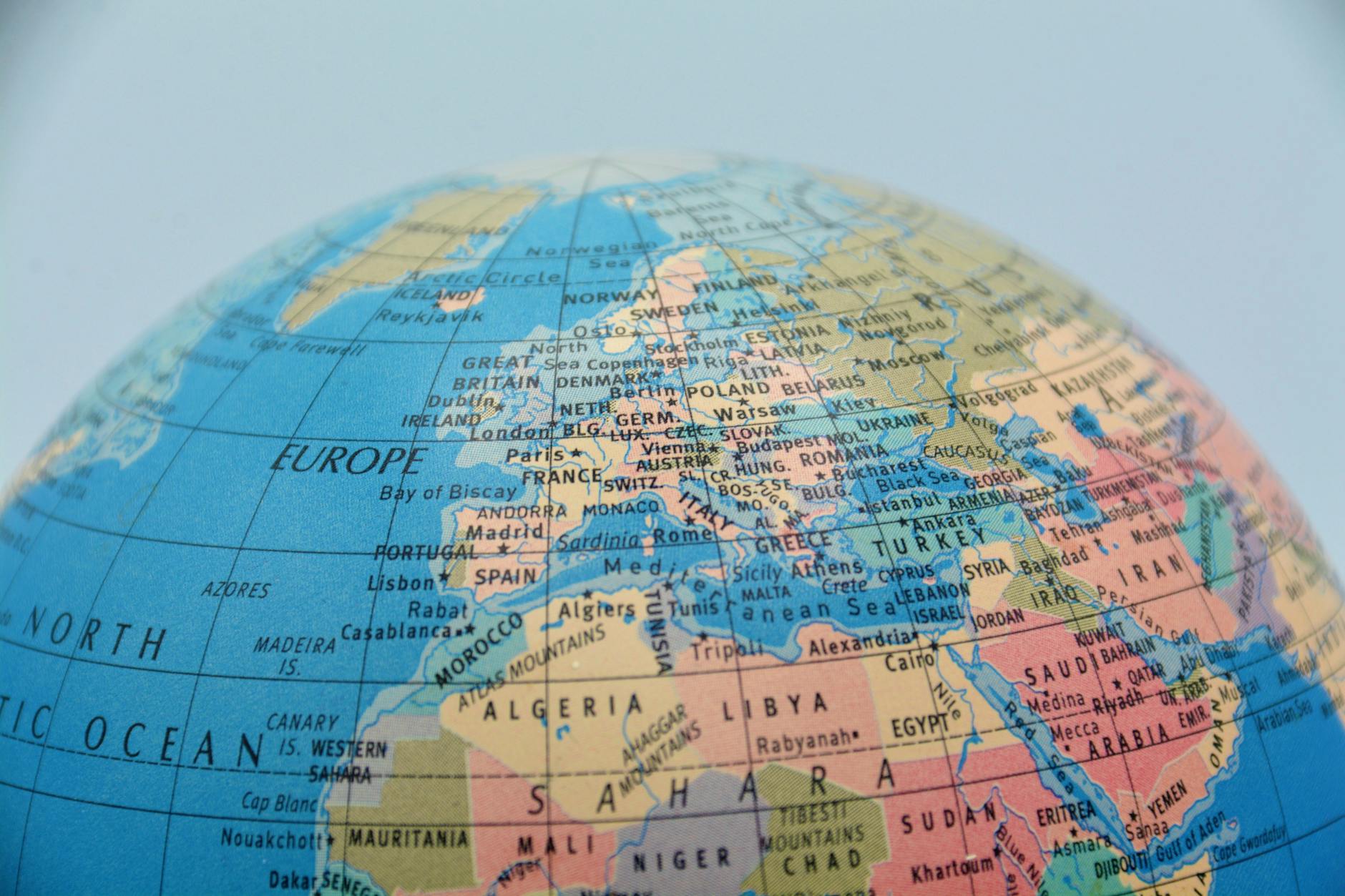
The timing of GO Fest 2026 is not coincidental—it lands exactly at the intersection of the Pokémon franchise’s 30th anniversary and Pokémon GO’s 10th anniversary. This dual anniversary positioning allowed Niantic to coordinate content drops that might normally be spread across the entire year into a concentrated window. The last time the franchise faced a comparable milestone was the 20th anniversary in 2016, which received dedicated events and limited-edition merchandise but no single coordinated live experience of this magnitude.
This concentration brings one significant limitation: if you miss the July 11-12 global event window, you’ll miss the Mega Mewtwo X and Y debuts during their prime encounter period. These Mega Pokémon will likely appear again in future raids, but their first appearance typically features the highest spawn rates and easiest accessibility. Similarly, Zeraora’s first availability in Pokémon GO will be time-gated to this event. Historical precedent suggests that future re-releases of these Pokémon will be less common, making the July event window genuinely unrepeatable.
What New Pokémon Debuts Actually Mean for Collectors and Players
The arrival of Mega Mewtwo X and Mega Mewtwo Y represents the first-ever introduction of these forms to Pokémon GO’s mechanics. Mewtwo already holds legendary status within the game, but its Mega Evolution forms introduce new raid encounters, battle strategies, and collection completionist goals. For collectors tracking Pokédex fills and shiny variants, these two Mega forms represent entirely new entries. The significance extends beyond casual gameplay—players attempting to maximize their collection before the event ends will have only this two-day window to raid for optimal IVs and shiny encounters.
Zeraora’s first-time availability creates an even more time-sensitive situation. This Mythical Pokémon has been deliberately withheld from pokémon GO since the game’s launch, making it one of the final remaining Mythical-tier Pokémon unavailable through normal gameplay. Once the July 11-12 window closes, there is no confirmed re-release date for Zeraora. Players who miss this event face the prospect of an indefinite wait, potentially years, for another chance. This scarcity creates genuine pressure to prioritize Zeraora raids during the event, even if other Pokémon or Mega raids might seem more immediately useful to your team.

How the Habitat Rotation System Creates Strategic Difficulty
The event features 18 different type habitats rotating hourly throughout the two-day window: Ice, Electric, Fire, Psychic, Ghost, Water, Flying, Rock, Dragon, Ground, Steel, Normal, Poison, Bug, Grass, Dark, Fairy, and Fighting. This structure allows players to focus their hunting on specific types during designated hours, but it also creates a time management problem rarely seen in Pokémon GO events. With 18 hourly rotations across a 45-hour event window (10 am July 11 to 7 pm July 12 local time), each habitat appears fewer than 2.5 times during the entire event.
If you’re targeting a specific Pokémon that only appears during, say, the Dragon or Psychic habitat hours, you’ll need to play during those specific windows or miss the encounter entirely. Players in different time zones face additional complexity—7 pm in one location is 7 am in another, creating windows where some players have prime afternoon hours while others face early morning or late-night hunting. For international players trying to coordinate with friends across regions, or players attempting to catch every habitat’s featured Pokémon, the rotation structure demands either significant flexibility with playtime or acceptance that you’ll miss some habitats entirely.
The Regional In-Person Events Create Unequal Accessibility
Before the global event, Niantic is hosting three regional in-person GO Fest celebrations: Tokyo (May 29–June 1), Chicago (June 5-7), and Copenhagen (June 12-14). These regional events will feature exclusive encounters and boosted spawn rates that won’t appear during the global July event. Players attending these regional festivals gain a two-month head start on securing specific Pokémon and shiny variants before the broader player base has access during the global window.
However, regional event participation requires travel and, in many cases, significant expense. A trip to Copenhagen or Chicago for a weekend requires flights, accommodations, and event tickets, creating a financial barrier that many players cannot overcome. This introduces a frustrating dynamic: players who can afford to attend regional events gain concrete advantages—earlier access to debuts, more catch opportunities, exclusive regional bonuses—while players limited to the global event must catch up during the crowded July window or accept they won’t complete their collections to the same level. Geographic privilege becomes a limiting factor in event completionism.

Free Raid Passes and Lure Module Mechanics Reshape Resource Strategy
The event offers up to 9 free raid passes per day by spinning Photo Discs at Gyms, and Lure Modules will last 1 hour during the event window instead of the standard 30 minutes. These two mechanics combine to create unprecedented raid accessibility without spending real money on Premium Pass purchases. For committed players, 18 free raid passes across the two-day event represents approximately $25-$30 worth of premium currency in real-money terms.
The limitation here is that raid passes require you to be at Gym locations when you want to use them, and gym availability varies dramatically by geography. Rural players with access to only one or two Gyms within walking distance face meaningful constraints compared to urban players with dozens of Gyms. The extended lure duration helps rural players more than urban players—a single lure in a small town can sustain spawns for the full hour, whereas in cities with dense Pokéstop clusters, the benefit feels incremental. If you’re planning to maximize free raid passes, you’ll need advance knowledge of which Gyms in your area have the best raid pools during the times you’ll be playing.
What GO Fest 2026 Signals About the Franchise’s Live Event Future
The scale and ambition of GO Fest 2026 represent a deliberate signal from The Pokémon Company and Niantic about their commitment to live events as centerpiece experiences. After a decade of Pokémon GO existing as primarily a solo or small-group activity, the convergence of the two major anniversaries on a simultaneous global event positions live gameplay as a defining franchise moment. Similar coordinated events may become the template for future major anniversaries—the 40th anniversary in 2036, the 15th anniversary of GO in 2031—rather than scattered, region-specific celebrations.
This shift has implications for how the franchise prioritizes live gameplay versus single-player or competitive experiences. Major new Pokémon debuts are increasingly gated behind time-limited events rather than permanent gameplay mechanics, pushing player engagement toward specific windows rather than allowing self-paced progression. Understanding this pattern helps players make informed decisions about whether to prioritize upcoming events or accept that some Pokémon may simply remain unavailable to them.
Conclusion
Pokémon GO Fest 2026 qualifies as the franchise’s biggest live event because it combines the removal of financial barriers to entry, the debut of multiple previously unavailable Pokémon, the dual-anniversary cultural moment, and projected attendance levels that dwarf previous events. The shift to a free global experience fundamentally changes who can participate, while the 18-hour habitat rotation and regional lead-up events create complex strategic decisions about how to prioritize your time and resources.
Players should begin preparing now by identifying which Pokémon matter most to their collection goals, mapping out local Gym resources for raid passes, and considering whether the regional events are logistically achievable. The July 11-12 window will move quickly, and the combination of unprecedented demand and the one-time nature of several debuts means this event will likely represent a defining moment for Pokémon GO players over the next several years.
Frequently Asked Questions
Do I need to buy a ticket to participate in the global GO Fest event?
No. For the first time in GO Fest history, the global event on July 11-12, 2026, is completely free for all players. There are separate paid in-person regional events in Tokyo, Chicago, and Copenhagen, but global participation requires no purchase.
Can I catch Mega Mewtwo X and Mega Mewtwo Y again after July 12?
Mega Mewtwo forms will likely return to raid pools in future events, but their debut availability during GO Fest 2026 will be the easiest window to encounter them with optimal spawn rates. Future re-releases are typically less frequent and more scattered.
How many free raid passes can I get during the event?
You can earn up to 9 free raid passes per day by spinning Photo Discs at Gyms, giving you up to 18 free passes total across the two-day event window.
What happens if I miss the Zeraora encounter during GO Fest 2026?
Zeraora has no confirmed re-release date. This is potentially your only opportunity to catch this Mythical Pokémon for an indefinite period, making the July window genuinely time-sensitive.
Will all 18 habitats appear during the global event?
Yes, all 18 type habitats will rotate hourly throughout the event, but each habitat appears fewer than 2.5 times across the full 45-hour window, making specific Pokémon within each type potentially missable if you can’t play during those exact hours.
Should I attend a regional event or wait for the global event?
Regional events (Tokyo, Chicago, Copenhagen) offer earlier access to debuts and exclusive bonuses, but require travel and tickets. The global event is free but more crowded. Choose based on whether geography and budget make travel feasible.