
Stadium operators discovered that Pokémon giveaways—particularly when tied to location-based gaming mechanics—became one of the most effective traffic management tools of the 2020s. Rather than treating attendance as a variable to predict, stadiums learned to engineer demand through strategic merchandise partnerships that incentivize not just attendance, but sustained on-site engagement. The strategy works by layering three appeals: the tangible reward (branded merchandise), the digital incentive (in-game collectibles tied to physical location), and the social proof of mass participation. The proof came in staggering numbers.
During Pokémon GO Fest 2024, Niantic Labs reported that New York City alone drew over 68,000 players to Central Park during the event period—nearly double Yankee Stadium’s capacity—generating an estimated $126 million in direct economic impact for the city. This wasn’t accident. It was the direct result of giveaways and location-locked rewards that made attendance not optional but essential for collectors. MLB took notice and launched an official partnership for 2025, bringing Pokémon GO to every major league stadium with team-branded merchandise and exclusive in-game items, fundamentally reshaping how sports franchises think about driving foot traffic.
Table of Contents
- How Pokémon Giveaways Create Predictable Demand Surges
- The Economic Multiplier Effect and Hidden Infrastructure Costs
- Location-Based Gaming as the Underlying Engine
- How Modern Stadium Partnerships Differ from Traditional Promotions
- The Traffic Management Challenge That Yokohama Revealed
- How Giveaways Drive Extended Engagement Beyond Game Day
- The Future of Stadium Giveaways in Sports Marketing
- Conclusion
How Pokémon Giveaways Create Predictable Demand Surges
The mechanics are elegant. A stadium announces a limited-edition giveaway—say, a Pikachu wearing the team’s baseball cap, only available in-game at that stadium’s location—and suddenly attendance becomes about more than the game itself. For Pokémon collectors and Pokémon GO players, the item becomes non-fungible. You cannot obtain it elsewhere. This scarcity principle, combined with geofencing technology that locks rewards to specific geographic coordinates, eliminates buyer hesitation.
The 2024 Pokémon GO Fest data illustrated the scale of this effect. Across Madrid, New York, and Sendai, 1.2 million trainers attended across three host cities. But the numbers reveal the traffic concentration: NYC visitors spent an average of $795 per person during the event period, compared to $669 in Madrid and $407 in Sendai. The difference wasn’t the giveaway alone—it was how effectively NYC’s marketing positioned the exclusive items as collectible assets that could not be replaced through secondary markets. Trainers walked an average of 18.3 kilometers during the event period, meaning the giveaways didn’t just drive attendance; they drove extended, repeated engagement with the venue and surrounding area.

The Economic Multiplier Effect and Hidden Infrastructure Costs
The immediate revenue is obvious: ticket sales increase, concession spending increases, and merchandise moves. But the secondary economic impact is where stadium operators see real multiplication. NYC’s $126 million in total economic impact translated to $26 million in tax revenue—money that flows to city services, infrastructure, and public management. That per-capita spending of $795 means visitors weren’t just buying tickets; they were staying longer, eating at nearby restaurants, paying for transportation, and driving overnight hotel stays. Seventy percent of NYC attendees came from other U.S.
states, and 8 percent came from other countries, meaning the giveaway strategy successfully repositioned the venue as a destination worth traveling to. The hidden cost, however, demands attention. Yokohama Stadium in 2017 hosted a Pokémon GO event that caused significant traffic disruption to surrounding neighborhoods, leading the city to decline hosting future events. The lesson was stark: giveaways that drive massive spikes in foot traffic without corresponding infrastructure and traffic management can generate backlash that eliminates future opportunities. Cities and stadiums now factor in crowd management, security, parking capacity, and public transportation surge capacity into the equation before announcing major Pokémon-tied events. The giveaway becomes smart only when paired with logistical planning.
Location-Based Gaming as the Underlying Engine
Pokémon GO’s core mechanic—the requirement to physically travel to specific locations to encounter rare creatures or claim region-locked items—is what makes stadium giveaways so effective as traffic drivers. Unlike traditional promotional giveaways, which merely reward attendance, Pokémon GO giveaways *require* attendance to obtain digital assets that hold real collector value. A team-branded Pikachu with a stadium background is worthless to anyone who didn’t show up. It cannot be traded, gifted, or obtained through any other mechanism. MLB’s 2025 partnership leverages this mechanic directly.
Every major league stadium will feature “Pokémon GO Theme Nights” with team-branded virtual wearables, collectible Pikachu variants with stadium location backgrounds, and special timed research missions that unlock only during specific hours at that venue. The strategy addresses a key vulnerability in traditional sports marketing: younger demographics increasingly sidestep traditional media advertising. A Pokémon GO player aged 15-30 doesn’t need a TV commercial to know about an event. The in-game notification that a rare item is available at their local stadium is marketing and incentive combined. Central Park’s 68,000-person turnout demonstrated the raw pulling power—nearly 70 percent of those visitors came from outside New York State, meaning they specifically traveled to that location for the event.

How Modern Stadium Partnerships Differ from Traditional Promotions
Twenty years ago, stadium giveaways meant t-shirts, bobbleheads, or posters distributed to the first few thousand attendees. They drove opening-day crowds, but predictability was low and impact was limited to single events. Modern Pokémon partnerships operate differently: they create recurring attendance incentives throughout a season. A team doesn’t give away one exclusive Pikachu on opening day; they release a different variant at four or five “Pokémon GO Theme Nights” spread across the season. Fans plan their attendance around these dates months in advance. The economics are also inverted.
Traditional promotions cost the stadium money—the team budgets for merchandise, prints, and distribution. Pokémon partnerships leverage digital assets that cost nearly nothing to create once the licensing agreement is in place. The real cost is the partnership fee to Niantic and The Pokémon Company, which is far smaller than the revenue generated by increased attendance and extended visitor spending. A comparison: a traditional giveaway night might draw 5,000 additional fans and cost $50,000 in merchandise. A Pokémon GO Theme Night draws 10,000-15,000 additional fans and costs $10,000 in partnership fees. The multiplier effect—with 70 percent of attendees potentially coming from out of state and spending $700+ per capita—makes the ROI substantially higher than traditional promotions.
The Traffic Management Challenge That Yokohama Revealed
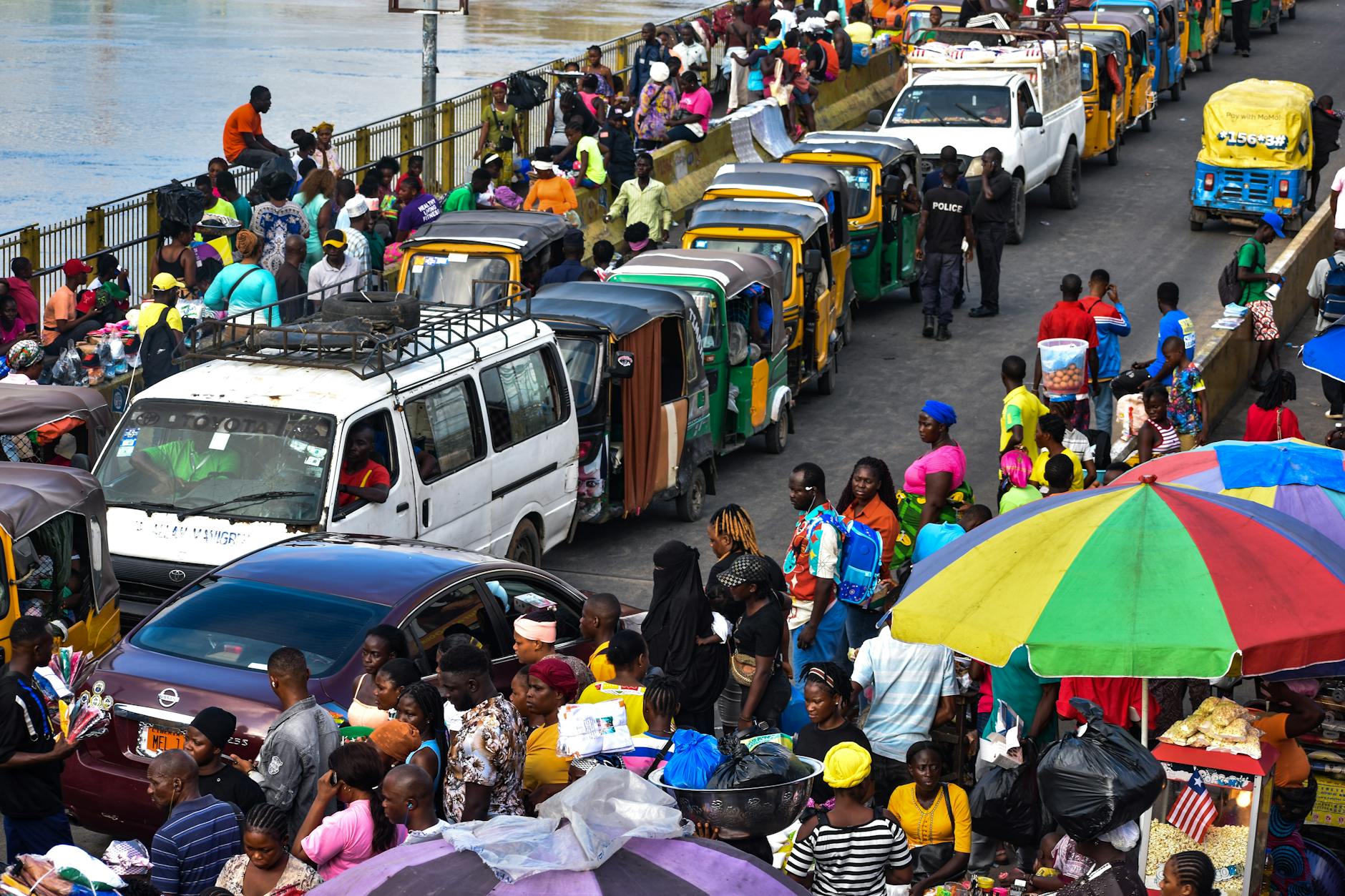
The 2017 Yokohama event serves as a cautionary tale that the Pokémon industry and stadium operators have internalized. When a stadium announces a limited-time giveaway without traffic planning, the result is gridlock. Parking fills within minutes, public transportation systems become overwhelmed, and local residents experience disruption. Yokohama’s response was to decline hosting future Pokémon GO events—a permanent loss of revenue and tourism opportunity. The lesson: giveaways are smart only when paired with infrastructure that prevents them from becoming liabilities.
Modern partnerships now include explicit traffic management protocols. MLB stadiums coordinating with Pokémon GO must submit traffic plans, coordinate with local law enforcement, arrange additional public transportation, and communicate capacity limits in advance. New York City’s success with the 2024 Pokémon GO Fest wasn’t because Central Park has unlimited capacity—it’s because the event was explicitly planned with staggered entry, designated play zones, and coordination with the NYPD. The giveaway remained the incentive, but infrastructure became the constraint. Stadiums must now budget for traffic management alongside merchandise; it’s no longer optional if they want repeat events.
How Giveaways Drive Extended Engagement Beyond Game Day
The 18.3-kilometer average walking distance during Pokémon GO Fest events reveals something crucial: giveaways don’t just drive attendance; they drive sustained engagement with the venue and surrounding commercial district. Players who come for a exclusive stadium-locked Pikachu don’t just show up for the game—they arrive early, stay late, explore the neighborhood to find spawn points and Poké Stops, and spend money at nearby restaurants, shops, and hotels. The giveaway acts as the initial incentive, but the game mechanics keep players engaged for hours.
This extended engagement is why stadiums view Pokémon partnerships as superior to traditional promotions. A bobblehead giveaway rewards the first 2,000 attendees; the rest of the crowd gets nothing, and even those who receive one leave it on their shelf. A stadium-exclusive Pikachu incentivizes 10,000+ attendees to stay for 3-4 hours, walk through multiple neighborhoods, and interact with the broader ecosystem. MLB teams report that Pokémon GO Theme Nights correlate with higher concession spending and repeat attendance at future games, suggesting the strategy builds long-term fan engagement rather than one-off attendance.
The Future of Stadium Giveaways in Sports Marketing
The 2025 MLB partnership signals that Pokémon giveaways are transitioning from experimental events to standard sports marketing infrastructure. As more stadiums launch theme nights and more Pokémon trainers age into the 25-40 demographic with disposable income, expect the strategy to become mainline rather than novelty. The real evolution will come when teams build multi-year content calendars around Pokémon releases, creating collector value that drives attendance not just for a single event, but across an entire season.
Looking forward, other sports properties—NBA arenas, international cricket grounds, European football stadiums—will likely adopt similar partnerships with Pokémon GO or competing location-based platforms. The model is proven, repeatable, and scalable. The giveaway itself remains the hook, but the underlying engine is location-based gaming mechanics that make the merchandise genuinely valuable and non-reproducible. Stadiums that master this strategy—combining scarce digital assets with robust traffic management and extended engagement incentives—will capture disproportionate share of younger fan demographics and out-of-state tourism revenue.
Conclusion
Pokémon giveaways became a smart stadium traffic strategy because they solved a fundamental problem in sports marketing: how to drive attendance for younger demographics who don’t respond to traditional advertising. By tying exclusive, location-locked digital collectibles to physical stadium attendance, teams and venues created demand that scales predictably and generates substantial secondary economic impact. The NYC example—68,000 attendees, $126 million in economic output, 70 percent from out of state—demonstrates that when the incentives are right, stadiums can become tourist destinations rather than venues.
The key to success is pairing giveaways with infrastructure and logistics. Yokohama’s traffic disruption taught the industry that giveaways without planning generate backlash and eliminate future opportunities. Modern partnerships now treat traffic management as a core cost, not an afterthought. As MLB rolls out Pokémon GO Theme Nights across all stadiums in 2025, expect other sports properties to follow, and expect the strategy to mature from one-off promotions to year-round engagement calendars that drive sustained collector value and fan loyalty.
You Might Also Like
- What the Return of Community Day Voting Says About Pokémon GO’s Strategy
- What New Pokémon GO Players Miss About Community Day Strategy
- How Pokémon GO Community Day Became a Social Event