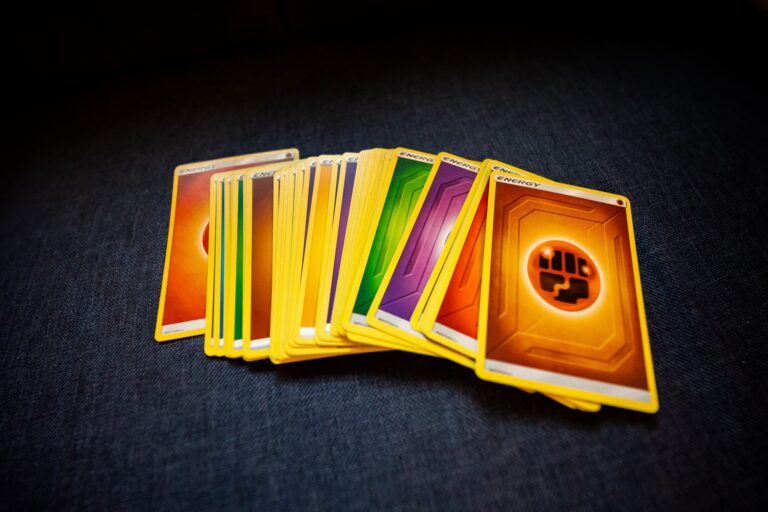
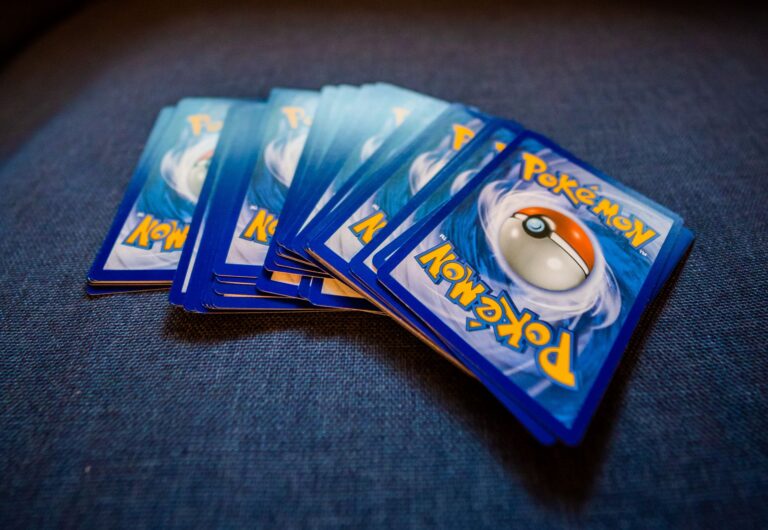
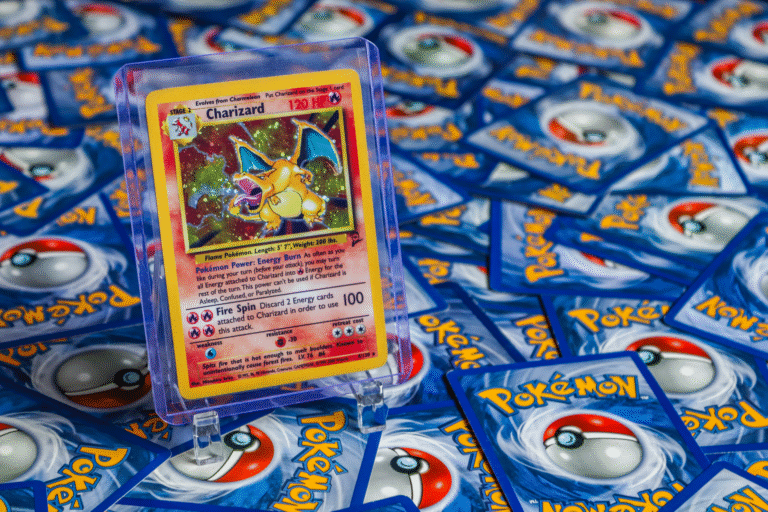
Pokémon GO Community Day started as a straightforward promotional event—a few hours each month when trainers could catch a featured Pokémon with exclusive moves and increased spawn rates. What Niantic didn’t anticipate was that these events would become the primary reason millions of players left their homes, gathering in parks and public spaces. Community Day evolved from a game mechanic into a calendar fixture that fundamentally changed how people experience Pokémon GO, transforming solo gameplay into a structured social activity. The first Community Days in 2018 drew modest crowds, but by 2020, city parks were filled with hundreds of players gathering simultaneously, creating an ecosystem of meetups, trading, and friendship-building that had nothing to do with gameplay advantages and everything to do with shared interest in a community.
The shift happened gradually but decisively. Players began coordinating larger gatherings through Discord servers and local Facebook groups. What started as a few friends meeting up became organized meetup groups with designated locations, time slots, and experienced mentors helping newcomers. The event transformed from “go outside and catch Pokémon” into “go outside and spend three hours with your local Pokémon GO community.” By 2022, some Community Day events drew thousands of players to single locations, creating spontaneous festivals in major cities where entire parks filled with trainers, vendors sold Pokémon merchandise, and local restaurants reported record foot traffic. The social element became more valuable than the exclusive Pokémon, proving that the real draw was connection rather than competitive advantage.
Table of Contents
- What Made Community Day Different From Regular Gameplay?
- How Local Communities Formed Around Monthly Events
- The Evolution of Meetup Culture and Trading Networks
- Why Parks Became the New Community Centers
- Common Issues and Challenges That Emerged at Scale
- How Community Day Shifted Competitive vs. Casual Gaming
- The Future of Community-Centered Gaming
- Conclusion
What Made Community Day Different From Regular Gameplay?
community Day succeeded where other gaming events fail because it created structured, predictable gatherings without requiring organized esports infrastructure. Traditional gaming events demand registration, travel to specific venues, and often substantial costs. Community Day simply asked players to show up at any public place during a three-hour window on a specific Saturday afternoon. The accessibility was revolutionary—a single parent could bring children to a local park, a teenager could walk around their neighborhood, or a competitive player could travel to downtown areas with larger crowds. Everyone played the same event simultaneously, eliminating the friction of scheduling conflicts or finding active groups.
The exclusivity of featured Pokémon created natural urgency and repeat attendance. Unlike regular gameplay where players can catch any Pokémon any time, Community Day featured one specific Pokémon with one specific exclusive move available only during those three hours. This meant serious collectors needed to attend to complete their collections. A player who missed the Bulbasaur Community Day in 2018 couldn’t obtain a Venusaur with Frenzy Plant through normal gameplay, making repeat attendance essential for completionists. This mechanical design choice created a calendar-based routine that players relied on, checking their schedules in advance and planning accordingly—behavior typically reserved for television shows or sports events.

How Local Communities Formed Around Monthly Events
The social infrastructure grew organically from the bottom up. Early Community Day attendees discovered that standing in one location wasn’t as enjoyable as exploring with others, so they began announcing their meetup spots on Discord and in local subreddits. What started as informal coordination evolved into established meeting points. A park in Boston became known as the Community Day hub for that city, with the same group showing up every month. These recurring gatherings created familiarity—players began recognizing faces, trading with the same people, and developing friendships outside the game context.
Some groups expanded beyond Community Day to weekday raid meetings and seasonal social outings. However, this community formation exposed a real limitation: the quality and inclusivity of local groups varied drastically. Some communities were welcoming and organized, while others developed exclusionary practices or became dominated by certain player types. Competitive players sometimes dismissed casual players, or established groups became insular, discouraging newcomers. Geographic disparities also became apparent—players in rural areas or small towns had no established Community Day groups, while major cities developed multiple competing communities. The social benefit of Community Day was inequitably distributed, creating situations where some players experienced isolation even while attending public events, particularly those who were younger, older, or unfamiliar with local player culture.
The Evolution of Meetup Culture and Trading Networks
Community Days became the primary venue for trading, which emerged as the real social currency of pokémon GO. Trading requires physical proximity and real trust—you can’t trade with someone you don’t know if you suspect they’ll disappear immediately after receiving your Pokémon. Community Day crowds meant players could find trading partners for specific Pokémon, reducing months of solo grinding to a single afternoon of negotiations. Veteran players developed reputation, becoming known as reliable traders with good Pokémon available. Competitive players who couldn’t find optimal IV Pokémon could attend Community Day, trade with multiple partners, and potentially find perfect specimens for their teams.
Trading also introduced new social dynamics that extended beyond the game. Players began trading physical Pokémon merchandise alongside in-game trading, exchanging cards, plushies, and memorabilia. Some Community Day attendees were primary card collectors who treated Pokémon GO as a secondary interest, but the event drew them out of their homes regardless. This cross-pollination meant Pokémon GO events became de facto gathering places for the broader Pokémon community—players who primarily collected cards attended for the social aspect, card collectors often returned to playing GO after reconnecting with community members, and friendships formed across different segments of Pokémon fandom. A specific example is the 2019 Abra Community Day in San Francisco, which drew over 3,000 players and spawned several permanent trading groups that met weekly for years afterward, some of which started pooling resources to buy booster boxes together.
Why Parks Became the New Community Centers
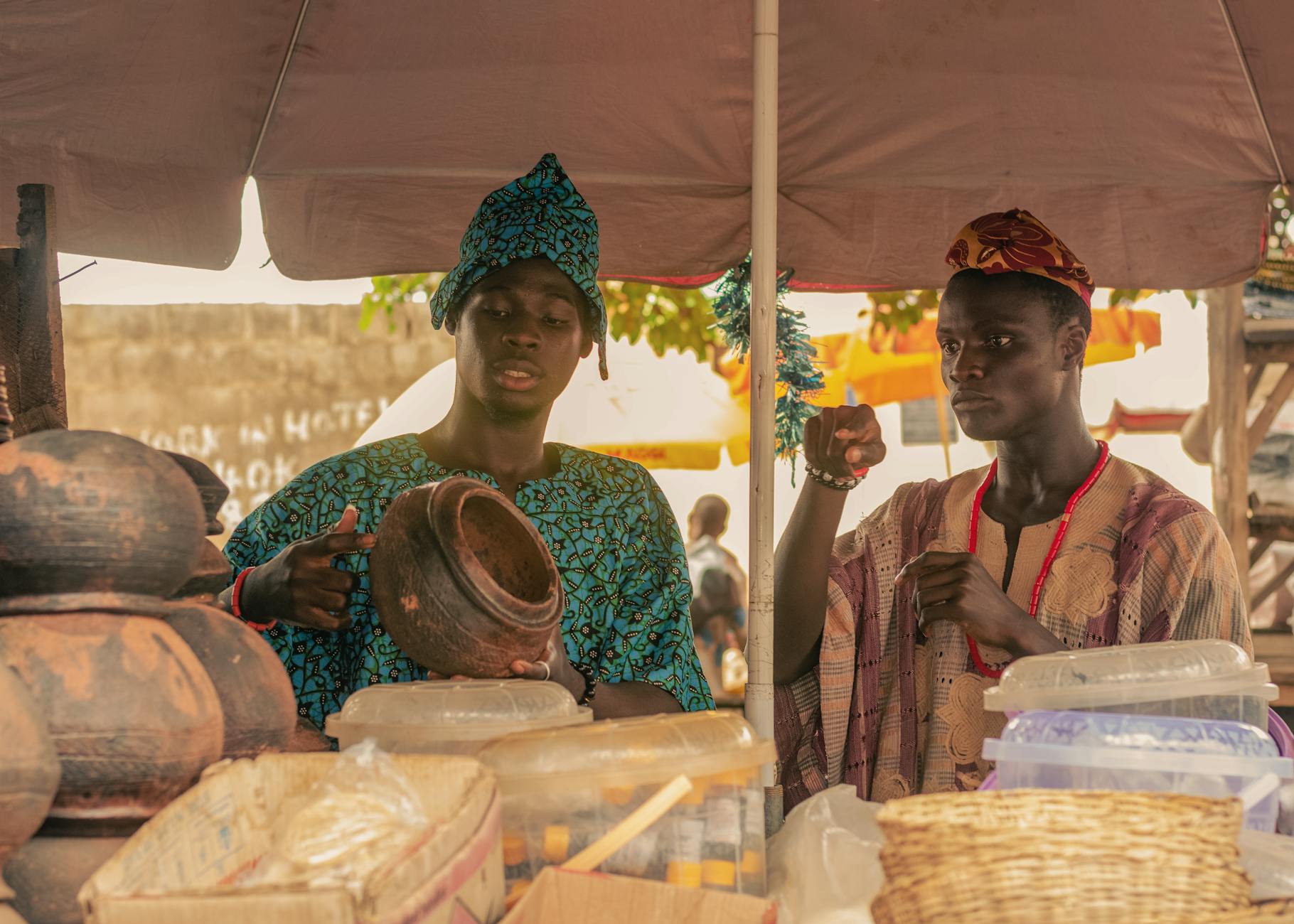
Before Community Day, public parks hosted casual recreation and local sports leagues, but gaming events were confined to convention centers or internet-based communities. Community Day reversed this dynamic, making parks the social infrastructure for a digital activity. This reclamation of public space created unintended benefits—people who never would have met otherwise became neighbors through Pokémon GO. Parks saw increased foot traffic, benefiting local small businesses when players bought snacks and beverages. Some parks even began promoting Community Day events, recognizing them as reliable draw for visitors.
The tradeoff was that park spaces faced strain and coordination challenges. Parks designed for casual recreation suddenly needed to accommodate hundreds of simultaneous visitors, creating safety concerns and occasionally drawing complaints from other park users. Some parks introduced Community Day-specific rules or time restrictions to manage crowds. The city of Chicago proactively coordinated with Niantic to designate specific parks for Community Day gatherings, but this was unusual—most cities reacted to crowds after they appeared. Additionally, the park-centered model created new barriers for accessibility. Players without reliable transportation struggled to reach major gathering spots, weather became a significant limiting factor that didn’t exist for traditional gaming, and players with mobility restrictions found parks less accessible than home-based activities.
Common Issues and Challenges That Emerged at Scale
As Community Day attendance grew, so did operational challenges that developers hadn’t anticipated. Server overload became predictable—popular locations would experience lag spikes as thousands of players connected simultaneously, reducing catch rates and trading ability precisely when these functions mattered most. The 2020 lockdown-era remote Community Days, where increased spawns occurred at home, proved that server infrastructure wasn’t the limiting factor—the issue was concentrated player density overwhelming local network capacity. Even current Community Days in major cities experience performance degradation, a limitation that persists despite years of attempted fixes. Safety concerns also escalated with crowd size.
Large Community Day gatherings in parks created pedestrian congestion, and the concentration of valuable phones and watches attracted theft in some areas. Reports emerged of players being targeted in parking lots or secluded sections of parks where they were visible to few others. Younger players attending without parents became vulnerable in large, unstructured crowds. Some communities responded with safety initiatives—escorts for new players, buddy systems, and designated safe zones—but these required volunteer coordination and weren’t standardized. Additionally, the game’s mechanics reward extended gameplay duration, incentivizing players to spend the entire three-hour window active, which led to overheating on hot days and safety issues for players distracted by their phones in crowded environments.

How Community Day Shifted Competitive vs. Casual Gaming
Community Day inadvertently created a bifurcated player base—those for whom it was essential to progression and those for whom it was optional. Competitive players needed Community Day Pokémon for raids, PvP battles, and collecting perfect IVs. Missing even one Community Day created cascading disadvantages. Casual players could skip events without meaningful consequences, but they lacked the social infrastructure that made Community Days valuable.
This created pressure on casual players to attend even when they had limited interest in competitive advantages, because the social benefit of showing up exceeded the benefit of staying home. A concrete example emerged with the Machamp Community Day in 2019, which featured the exclusive move Dynamic Punch—essential for raid teams. Competitive players needed multiple copies with this move, forcing them to attend Community Day or purchase Pokémon from traders. Casual players who missed it faced no gameplay consequences but did miss the only predictable gathering of their local community that month. Some casual players felt obligated to attend purely for social reasons despite having no gameplay incentive, creating a reverse dynamic from typical gaming events where casual players are optional and competitive players essential.
The Future of Community-Centered Gaming
Community Day established a model that’s now central to Pokémon GO’s post-launch identity and influenced how other mobile games approach social events. The success demonstrated that structured, predictable, low-barrier gatherings create more sustained community than high-stakes competitive events. Five years of Community Day data shows that the social component—trading, friendship, and meetups—drives attendance more than exclusive Pokémon mechanics. This insight shifted industry understanding of how to build mobile gaming communities in physical space.
Looking forward, Pokémon GO has incrementally added features supporting this community structure—group farming sessions, structured raid groups, and seasonal events designed around public gathering. The challenge is maintaining momentum as player fatigue sets in and the novelty of outdoor gaming wears off. Some veteran players have moved away from Community Day attendance, and new player acquisition has declined from peak years. The evolution from novelty to routine suggests Community Day’s future depends on whether Niantic can refresh the formula while preserving the core appeal of predictable, accessible, community-focused play.
Conclusion
Pokémon GO Community Day became a social event because it solved a fundamental problem in gaming—how to create genuine community without requiring players to abandon their everyday environments. By placing the event in public parks with low barriers to entry and predictable scheduling, Niantic accidentally created a template that other mobile games attempted to replicate but rarely matched. The success wasn’t in the exclusive Pokémon or game mechanics; it was in the structure itself, which made gathering feel natural and necessary.
The lasting impact of Community Day extends beyond gameplay into how we understand public space and digital culture. Parks that once served purely recreational functions became venues for digital communities to manifest in physical form. Players who might never have met discovered shared interests and built friendships that sustained through years of continued engagement. This transformation from solo digital experience into structured social gathering remains one of mobile gaming’s most significant unintended consequences, proving that the most powerful features in games are often those that bring people together rather than those with the biggest mechanical advantages.