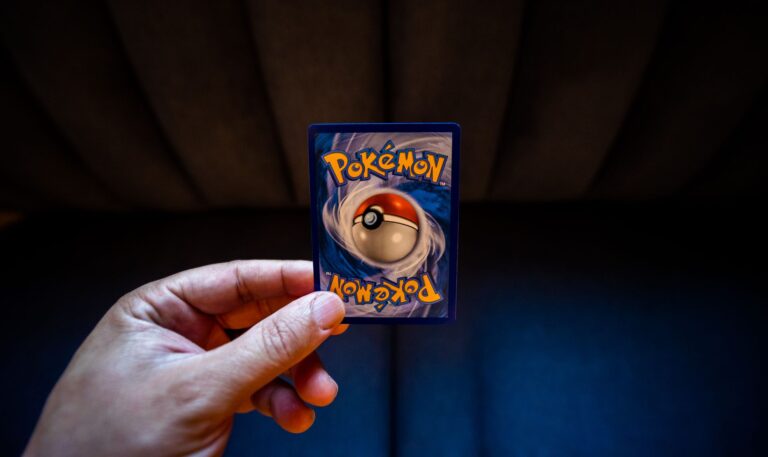
A high-grade Japanese Pokémon Giratina V STAR holographic card is a collectible version of the Ghost/Dragon-type legendary Pokémon card from the Pokémon Trading Card Game, printed in Japanese with a full-art holographic finish. These cards appear for sale on secondary markets including specialty card shops, online marketplaces, and auction sites, with pricing that varies based on condition grade, print set, and current collector demand. Japanese Pokémon cards typically command different prices than English versions due to printing quality differences and collector preference. If you're looking to buy or sell this specific card, understanding grading standards, where listings appear, and what drives value will help you assess any listing you encounter.
Table of Contents
- What is Giratina V STAR?
- What "High-Grade" Means
- Where These Cards Appear for Sale
- What Drives Pricing Differences
- Checking Authenticity
- What to Ask Before Buying
- Frequently Asked Questions
What is Giratina V STAR?
Giratina V STAR is a promotional or set-included card from the Pokémon trading Card Game's Sword & Shield era. The "V STAR" designation indicates a specific card mechanic and rarity tier within that generation.
holographic versions feature a shimmering finish across the artwork or full card face, which affects both visual appeal and collectibility. Japanese cards differ from English printings in card stock quality, centering precision, and ink saturation. Japanese print runs are often considered superior in manufacturing, which can make high-grade Japanese versions more valuable to collectors seeking near-perfect specimens.
What "High-Grade" Means
card grading companies like PSA, BGS, and CGC assign numerical grades (typically 1–10 scale) based on centering, corners, edges, and surface condition. A "high-grade" card usually means a grade of 8 or above, though grading standards and price impacts vary by company and collector expectations.
Grade terminology: Mint (9–10), Near Mint/Mint (8–9), Excellent-Mint (7–8), Excellent (6–7). Higher grades command exponentially higher prices because fewer cards achieve them. Ungraded cards present uncertainty—sellers and buyers may disagree on actual condition, creating pricing mismatches.
Where These Cards Appear for Sale
High-grade Japanese pokémon cards are listed on card-focused marketplaces (TCGPlayer, Cardmarket in Europe), general auction platforms (eBay), specialty Pokémon retailers, and direct collector sales through forums or social media. Graded copies appear most often through the grading companies' marketplace integrations or third-party resellers.
When searching, note that listings use inconsistent terminology—a seller's "near mint" may not match a grading company's standard. Some sellers include photos showing centering and surface condition; others do not. Asking for additional photos or condition details before purchase reduces surprise.
What Drives Pricing Differences
Card value depends on several factors: the set it came from (different print runs have different scarcity), the grade (if graded), centering and surface quality, and the current collector demand for that specific card. Japanese cards' supply and demand differ from English versions, so prices do not move in lockstep.
Condition is the largest price multiplier—a Giratina V STAR graded 9 may sell for several times the price of the same card graded 7, even though both are "high-grade." Holographic wear (scratching or wear to the foil finish) significantly affects grade and price. Print imperfections from manufacturing (centering errors, ink spots) are permanent and visible in photos.
Checking Authenticity
Counterfeit Pokémon cards exist and have improved over time. High-value cards—especially graded ones—warrant close inspection before purchase. Authentic Japanese cards have specific paper stock feel, ink quality, and holographic finish characteristics; fakes often show rougher edges, incorrect cardstock, or off-color printing.
Purchasing from established retailers, graded cards from recognized companies, or sellers with strong transaction histories and return policies reduces counterfeit risk. If you receive a card and suspect it is counterfeit, report it to the marketplace and the seller. Graded cards in sealed slabs offer more protection because the grading company's authentication is part of the grade.
What to Ask Before Buying
Request clear photos showing the full card face, back, edges, and corners under good lighting. Ask the seller's return policy and whether they accept third-party inspection or return for authenticity.
Confirm whether the asking price is fixed or negotiable, and whether any fees (shipping, insurance, payment processing) are included. For ungraded cards, ask how the seller arrived at their condition assessment and whether they would consider professional grading if the price justifies it. If the price seems unusually low, ask why—it may reflect a legitimate reason (minor wear, set reprints, timing) or a red flag.
Frequently Asked Questions
Is a Japanese version worth more than English?
Not always. Japanese cards often command premiums for superior print quality, but value depends more on individual card condition, rarity within its set, and collector demand for that specific card.
Should I buy graded or ungraded?
Graded cards include authentication and a standardized condition assessment, reducing dispute risk; ungraded cards may be cheaper but require you to trust the seller's condition description.
How do I verify a card is real before paying?
Request multiple high-quality photos, ask about the seller's purchase history and return policy, and consider purchasing from established retailers or directly from graded inventory when the price justifies authentication confidence.