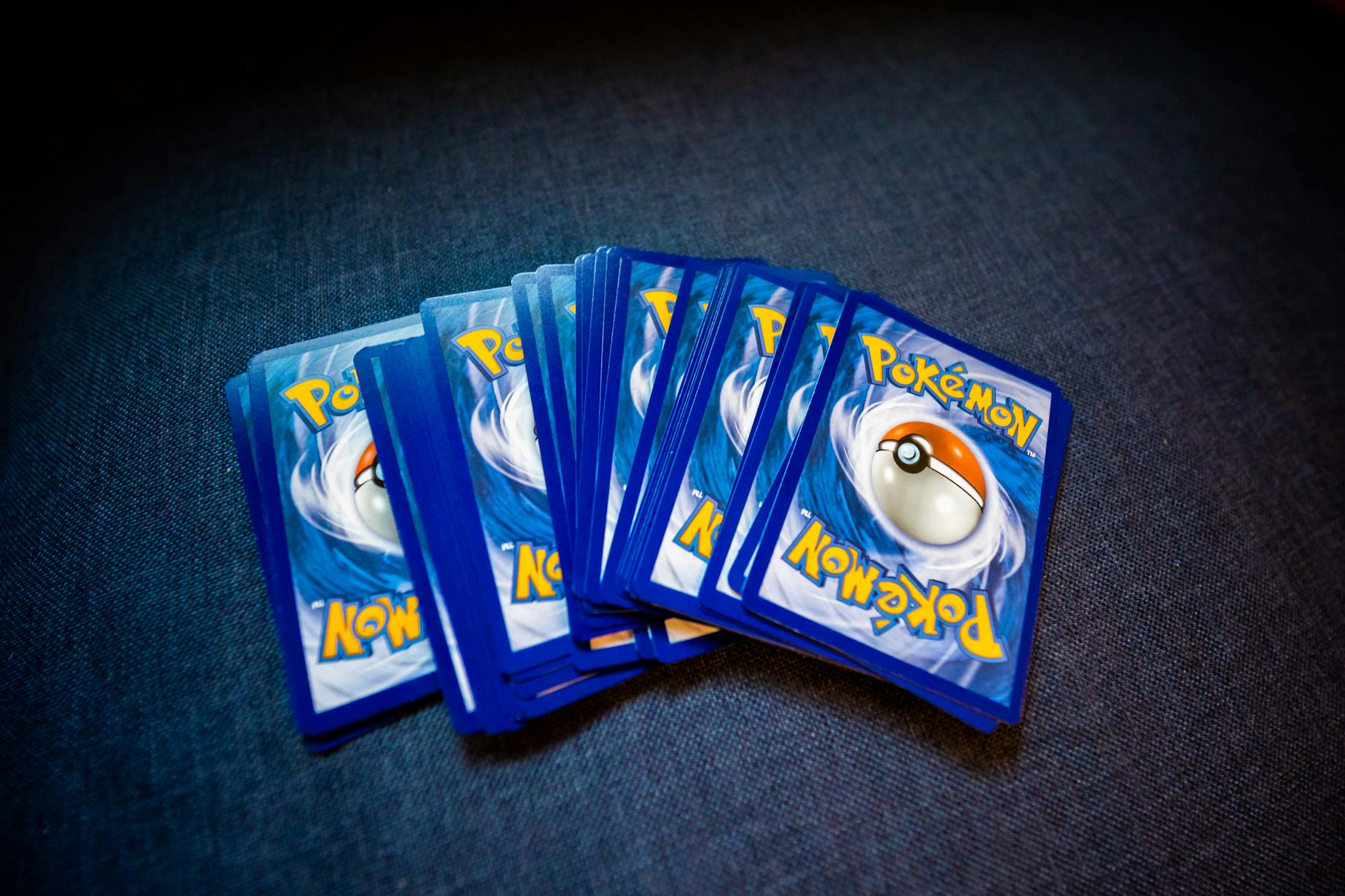
Yes, Pokémon Base Set cards could realistically become less valuable than many collectors currently expect, and there are concrete reasons why the market’s optimism may not hold up over time. The Base Set has been treated like digital gold for years—a finite product from 1999-2000 that everyone assumes will only appreciate. But market dynamics, changing collector behavior, and new competitive pressures suggest that many Base Set cards could plateau or decline in value, even high-grade specimens. A Charizard that sold for $300,000 at auction in 2020 represents the peak of speculative fervor, not necessarily a floor or launching point for future gains.
The core issue is that Base Set values are built on scarcity mythology rather than sustainable demand fundamentals. Millions of people entered the Pokemon card market between 2020 and 2023, driving prices to historic highs. But supply of graded Base Set cards has increased dramatically, competition from newer products and reprints has fragmented collector attention, and the casual speculators who fueled the boom are already exiting the market. If you bought a PSA 8 Charizard expecting 10% annual appreciation, you may be disappointed.
Table of Contents
- Is the Base Set Bubble Already Deflating?
- The Grading Saturation Problem and Its Hidden Impact
- The Reprinting and Product Diversification Headwind
- The Speculator Exit and What It Means for Prices
- Grade Consolidation and the Trap of Middle-Tier Cards
- The Reprinting Question and Long-Term Supply Risk
- What Actually Holds Value in the Long Term
- Conclusion
- Frequently Asked Questions
Is the Base Set Bubble Already Deflating?
The initial warning signs are visible in recent price trends. Raw (ungraded) base Set cards have dropped 30-50% from their 2021 peaks, and even graded cards in lower tiers (PSA 6-7) are moving sideways or down. The problem is that the market’s expectations for Base Set cards were built on extraordinary conditions—pandemic lockdowns, celebrity endorsements, mainstream media coverage, and a flood of new money into the hobby. Those conditions don’t persist forever. Once the novelty wore off and seasoned collectors realized they were competing against speculators, the dynamic shifted.
A key example: In 2021, a PSA 9 Base Set Blastoise was regularly selling for $15,000-20,000. Today, comparable cards move for $8,000-12,000. That’s not just a market correction; it’s evidence that the expectation of perpetual appreciation was unrealistic. The issue is simple: there is no mechanism that guarantees card values will rise. Unlike real estate or dividend-paying stocks, a Pokemon card produces no income and its value depends entirely on what a buyer is willing to pay at that moment. When buyer enthusiasm wanes, so do prices.
The Grading Saturation Problem and Its Hidden Impact
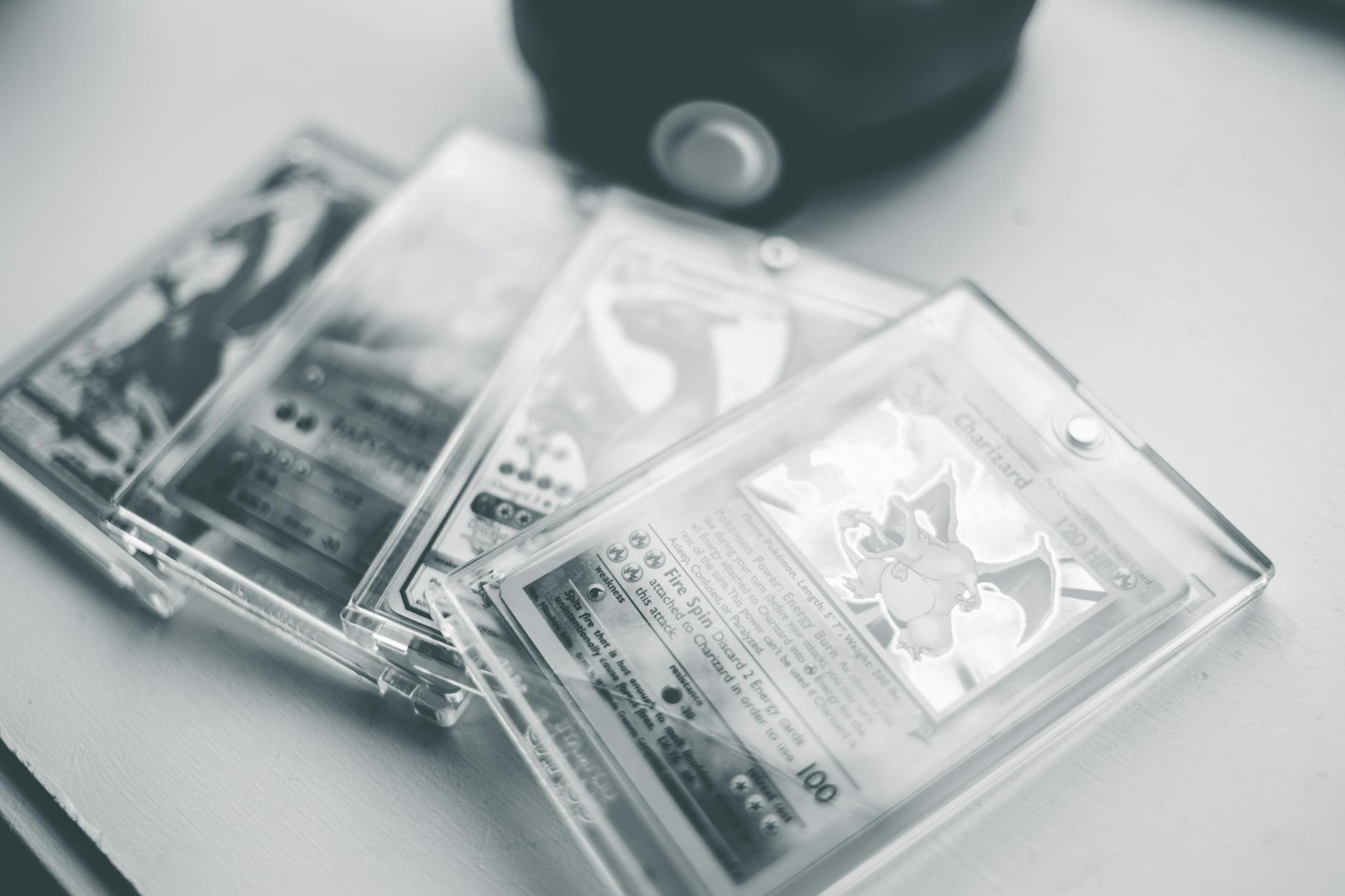
One often-overlooked factor is that grading saturation has flooded the market with authenticated Base Set cards, which actually increases supply in meaningful ways. PSA, CGC, and Beckett have graded hundreds of thousands of Base Set cards over the past five years. This doesn’t change the total number of cards in existence, but it makes them easier to verify and sell, which effectively increases the functional supply available to buyers. More cards in circulation means less scarcity premium. There’s also a darker problem: not all graded Base Set cards are equally desirable.
A PSA 7 Blastoise is graded and authenticated, but it’s still a middle-grade card with visible wear. collectors and investors have learned that grade matters enormously, but they’ve also learned that buying mid-grade cards is a poor investment. The real value has compressed into PSA 8+ specimens, which are genuinely rarer—but even those have become more plentiful than expected. PSA’s raw volume data shows that the distribution of grades has shifted; more cards are grading out in the 8-9 range than many predicted, suggesting either better preservation than expected or grade inflation. Either way, the “super rare gem condition” narrative weakens when thousands more high-graded copies exist than the market anticipated.
The Reprinting and Product Diversification Headwind
Pokémon’s strategy of constant reprinting and new set releases has diluted collector focus away from the Base Set. Every time The Pokémon Company releases a new premium product—Evolving Skies, Scarlet & Violet, special anniversary sets—it pulls money and attention away from investing in vintage cards. New collectors especially are drawn to modern, cheaper cards where they can feel like they’re building a collection. This is a structural problem for Base Set valuations: the hobby ecosystem is expanding upward (more products, more editions, more variants), not consolidating around the original set.
Consider the psychological shift: a collector with $5,000 can either buy one PSA 8 Charizard or build a complete, spectacular modern collection with multiple sets, rare pulls, and international variants. Ten years ago, the Charizard was the obvious prestige choice. Today, many collectors opt for the diversification and ongoing engagement of modern collecting. That preference shift directly reduces demand for Base Set cards, especially for mid-tier specimens that aren’t iconic anchor cards.
The Speculator Exit and What It Means for Prices
The influx of speculators between 2020-2022 created artificial demand that masked underlying collector interest. People bought graded Base Set cards the way others buy cryptocurrency or meme stocks—as an investment vehicle, not because they wanted to collect or study the cards. That era is ending. Speculators who bought at the peak are now taking losses and exiting. Their exit is actively selling pressure, and it takes only modest selling pressure to move prices downward when the underlying demand from genuine collectors is modest.
A concrete example: flipping a PSA 8 Base Set Vileplume bought for $4,000 in 2021 now means selling for $2,200-2,500. The speculator loses 40% and stops buying. Multiply that across thousands of speculators, and you get sustained selling pressure. Meanwhile, true collectors aren’t jumping in to absorb that supply at old prices because they never bought cards at $4,000 in the first place. The price floor becomes wherever genuine collector demand exists, not where speculative demand peaked. That floor is significantly lower than the recent highs.
Grade Consolidation and the Trap of Middle-Tier Cards
Another dangerous reality: the best values and holding prospects are shifting away from middle-grade cards (PSA 6-8) toward either PSA 9-10 specimens on the high end or raw cards on the low end. This creates a valuation trap for the vast majority of Base Set cards in circulation. A PSA 7 card is expensively graded (fees, holder, authentication markup), but it’s not rare enough to command speculative premiums. It’s worse than a raw copy because you’ve paid for grading and a plastic holder. Meanwhile, PSA 9 and 10 cards are so rare and expensive that they only appeal to wealthy collectors, not everyday enthusiasts.
The middle gets squeezed. This is a real limitation of Base Set investment: you’re essentially betting that PSA 7-8 grade cards will remain desirable to a broad audience of collectors. But collector interest is actually fragmenting. Some collectors want only the rarest gem copies; others prefer raw cards where they can find better value. The segment that wants mid-grade, certified, but not-quite-perfect cards—the sweet spot for valuation in 2021—is shrinking. Cards that sit in that middle ground face real downside risk over the next 5-10 years.
The Reprinting Question and Long-Term Supply Risk
Pokémon has deliberately avoided reprinting the actual Base Set, which supports the scarcity narrative. However, reprints of other vintage sets and the constant flood of new products have normalized access to Pokémon cards in general. Additionally, there’s a non-zero risk that Pokémon eventually reprints or re-releases Base Set products in some form—anniversary editions, modern printings, or special releases designed to celebrate the set’s legacy.
If that happens, the scarcity premise collapses entirely. Even without an official reprint, the rise of international printings and special editions muddles the “original Base Set” narrative. A Japanese Base Set Charizard, a Korean copy, a shadowless variant, a misprint—these are all technically different, but casual collectors lump them together. The more variants and versions available, the less unique any single card feels, and the less justifiable a premium valuation becomes.
What Actually Holds Value in the Long Term
The cards that will likely maintain or grow in value are exceptional specimens (PSA 9-10), iconic cards with cultural staying power (Charizard, Blastoise, Venusaur), and cards with genuine scarcity (shadowless, first editions, high grades). But even those are not guaranteed to appreciate if market fundamentals shift. Meanwhile, lower-grade copies of non-iconic cards face real risk of becoming nearly worthless as conditions change. A PSA 5 Psyduck from Base Set may someday be worth less than the cost of grading it.
The forward-looking reality is that Pokemon’s trading card business will continue to evolve. New mechanics, new products, new cultural moments will create fresh areas of collector focus. Base Set cards will always have historical value and novelty appeal, but their position as the ultimate investment vehicle is already eroding. Smart collectors are diversifying, not doubling down on Base Set acquisitions at current price levels.
Conclusion
Pokémon Base Set cards could absolutely become less valuable than many holders currently expect. The market conditions that drove prices to historic peaks—pandemic speculation, mainstream hype, limited new supply—have already shifted, and the fundamentals don’t support a continuation of those trends. Cards in the PSA 6-8 range face particular risk, as they’re expensive to acquire and grade but not rare enough to justify collector premiums indefinitely.
The real winners will be PSA 9-10 specimens and iconic cards held by genuine collectors, not speculators trading for quick gains. If you’re considering Base Set cards as an investment, expect lower returns than the 2020-2021 period suggested, build a portfolio of genuinely rare high-grade cards rather than mid-tier copies, and don’t plan your financial future around card appreciation. For collectors, the joy of owning a piece of Pokemon history is real and lasting; the promise of guaranteed value appreciation is not. The Base Set deserves respect as a foundational product, but it doesn’t deserve blind confidence in perpetual valuation growth.
Frequently Asked Questions
Should I sell my Base Set cards now before prices drop further?
If they’re PSA 8+, iconic cards, or genuinely rare variants, hold them—these have durable collector value. If they’re lower-grade non-iconic copies, you’ve likely already missed the peak. Selling now at a 30-40% loss is usually worse than holding and hoping for long-term stability, unless you need the capital elsewhere.
Are there any Base Set cards that will definitely go up in value?
No card is guaranteed to appreciate. PSA 9-10 copies of Charizard, Blastoise, and Venusaur have the best odds because they’re genuinely rare and culturally iconic, but “best odds” is not the same as “will definitely increase.” These could plateau indefinitely.
Is it too late to get into Base Set collecting?
Yes and no. If you want to genuinely collect and enjoy the cards, the time is actually better now than during the hype, because prices are lower. If you want to invest for returns, the Base Set is no longer a smart vehicle—newer sets or real investments are better uses of capital.
What about first editions and shadowless cards—will those stay valuable?
Probably. True variants like first editions and shadowless copies have genuine rarity beyond the card itself, so they’re less vulnerable to the commoditization trap. But even these aren’t guaranteed to appreciate, and they’re expensive enough that the opportunity cost is high.
Could the Base Set rebound if Pokémon goes mainstream again?
It’s possible, but not guaranteed. Even if Pokémon’s popularity surges again, that doesn’t necessarily translate into higher card prices—it might just mean more supply and more collectible products competing for attention.
What should I focus on instead of Base Set cards as an investment?
Consider modern sets with genuinely limited print runs, condition-rare high-end cards (PSA 8+), and cards with specific desirability factors (first editions, unique art, competitive viability). Diversification across multiple sets and grades is safer than concentrating in Base Set.
You Might Also Like
- Could Pokémon Base Set Cards Become Less Popular Over Time?
- Could Pokémon Base Set Cards Lose Value in the Future?
- Are Pokémon Base Set Cards Only Valuable Because of Millennial Nostalgia?