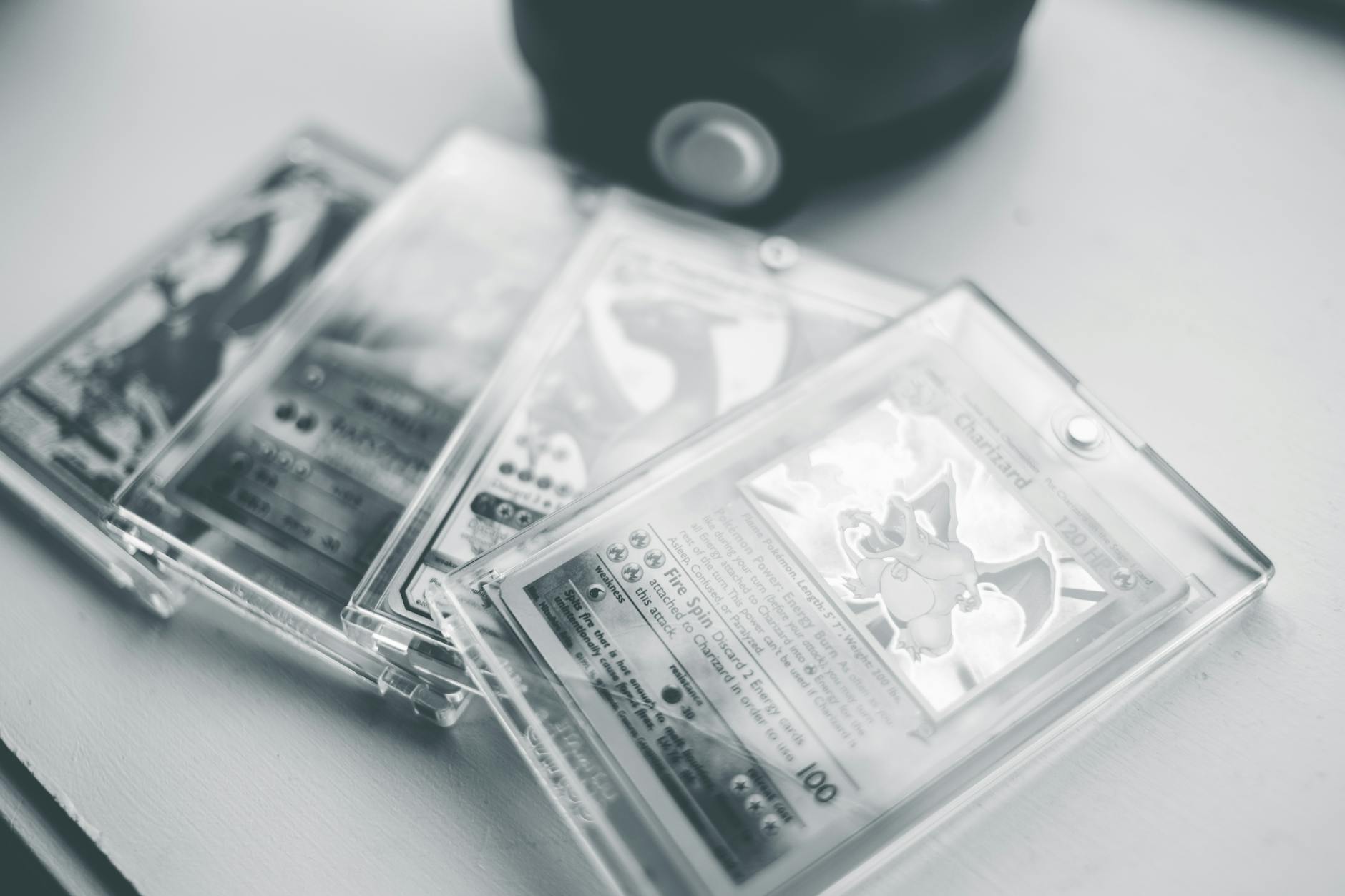
It’s unlikely that 1999 Pokémon cards will become *the* defining collectibles of the 21st century, but they’re already among the most culturally significant and financially valuable trading cards ever produced. A PSA 10 Charizard Base Set card sold for $369,000 in 2021, and even raw 1999 cards routinely fetch hundreds of dollars. What makes these cards potentially transformative is their unique position: they emerged at the intersection of a cultural phenomenon, a limited production window, and a collectible format that wasn’t designed to last.
If you own a pristine 1999 Pokémon card, you hold something that became scarcer and more valuable almost by accident. The path forward depends on several variables working in concert: sustained demand from aging collectors with wealth, authentic scarcity of graded high-condition copies, and the cards maintaining their cultural relevance as nostalgia ages. 1999 Pokémon cards have already outpaced most other collectibles in appreciation over the last two decades, but that trajectory isn’t guaranteed to continue indefinitely. The question isn’t really whether they’ll become valuable—they already are—but whether that value will remain stable, grow, or eventually retreat as the novelty window closes.
Table of Contents
- Why Did 1999 Pokémon Cards Become So Rare and Expensive?
- The Grading and Authentication Bottleneck
- The Comparison to Other 20th-Century Collectibles
- Market Maturity and Speculation Risk
- Condition Deterioration and Long-Term Preservation Challenges
- The Role of Nostalgia Cycles and Generational Wealth Transfer
- The Digital Collectibles Wildcard and Future of Physical Trading Cards
- Conclusion
- Frequently Asked Questions
Why Did 1999 Pokémon Cards Become So Rare and Expensive?
Production numbers tell part of the story, but not all of it. The 1999 base Set and early expansions were manufactured in far smaller quantities than the reprints that came later, but Wizards of the Coast didn’t intend for these cards to become investments. They were designed as a children’s game, printed on cardstock that degrades easily, with front and back surfaces vulnerable to wear, creasing, and fading. A card that survives in mint condition—edges sharp, corners unbent, surface unblemished—has essentially beaten odds that most cards didn’t.
A PSA 10 grade means the card has a surface quality better than 99% of its printed siblings. The 1999 market also benefited from a perfect storm of scarcity and demand. When Pokémon returned to mainstream culture around 2020 (driven by YouTube unboxing videos, celebrity purchases, and pandemic-driven nostalgia spending), collectors competed for cards that hadn’t been valuable enough to preserve carefully 20 years earlier. A parent who threw away their child’s 1999 Base Set in 2005 was disposing of what would become a five-figure asset. This retroactive rarity—created by time and carelessness rather than limited production—can’t be replicated by modern Pokémon cards, no matter how conservatively printed they are.

The Grading and Authentication Bottleneck
The explosion in 1999 card prices has created a downstream problem: authentication. Professional grading companies like PSA and CGC have months-long backlogs because demand for grading far exceeds capacity. A card graded PSA 9 might be worth $8,000, while the same card ungraded might fetch only $2,000—or sell for nearly nothing if buyers are skeptical about its true condition. This means access to grading is itself a limiting factor in the market. If you own an ungraded 1999 card worth potentially thousands, you may wait 18 months to get it officially evaluated, during which time you can’t confidently sell it.
There’s also a grading inflation question worth considering. As the market has heated up, some debate persists about whether certain companies have been lenient with grades, or whether older grades from inactive graders should carry the same weight as modern ones. A card graded PSA 8 in 2015 might not receive the same grade today under more rigorous standards. This creates uncertainty for buyers and a potential vulnerability in the market: if authentication standards shift or companies become perceived as inconsistent, valuations could destabilize. The certificate matters almost as much as the card itself, which concentrates risk in institutions that might not exist in their current form in 50 years.
The Comparison to Other 20th-Century Collectibles
To assess whether 1999 Pokémon cards will remain defining, it helps to compare them to other collectibles that experienced surges and retreats. Baseball cards from the 1950s (particularly the 1952 Topps Mickey Mantle) became valuable, but that market eventually stalled because production had been intentionally controlled and condition scarcity was genuine from the start. Pokémon cards started with no intention of scarcity and achieved it accidentally, which is a different dynamic. Fine art and rare books have maintained value across centuries because of inherent craftsmanship and limited production runs from the beginning. Pokémon cards lack the historical heft of fine art and the literary significance of rare books.
Where 1999 Pokémon cards might have an advantage is in scale and emotional attachment. Millions of people worldwide have a childhood memory connected to these cards. Compare that to, say, vintage comic books, which appeal to a smaller slice of the population. The emotional anchor combined with genuine scarcity in high grades gives these cards a foundation that purely speculative collectibles lack. However, emotions fade with generational turnover. A 16-year-old today has no memory of opening a 1999 booster pack; they might not feel the same drive to own these cards that current collectors do.

Market Maturity and Speculation Risk
The 1999 Pokémon card market has matured significantly since the 2020-2021 spike. Early enthusiasts who purchased cards at $500 when the market seemed headed for $1,000+ have experienced price stagnation or decline on some cards. A PSA 9 Shadowless Charizard that fetched $220,000 in 2021 might not command the same premium today. The market discovered a ceiling: while wealthy collectors and investors continue to buy, the population of people willing to spend $10,000+ on a single card is finite.
Once most of those buyers have acquired what they want, what drives further appreciation? The speculation layer also creates risk. Some portion of demand over the last few years came from financial speculators betting on continued upward momentum, not collectors who intended to hold forever. As that speculative money has cooled, it’s exposed how much of the market’s recent growth depended on momentum rather than fundamental value. If you’re considering these cards as an investment, you should assume that prices on the most expensive cards have likely plateaued and could decline. Mid-range cards ($100-$500) and lower grades (PSA 6-7) may be more stable because they’re purchases people make to actually enjoy, not purely to flip.
Condition Deterioration and Long-Term Preservation Challenges
One critical limitation of 1999 Pokémon cards is that they were never engineered to last. The card stock yellows, the ink fades in sunlight, and even professional grading and storage can’t fully arrest these processes. A card graded PSA 9 today might receive a PSA 8 or 8.5 if resubmitted for grading in 15 years—not because it was mistreated, but because time itself degrades the card. This is unlike fine art, which can be preserved almost indefinitely with proper conservation, or precious metals, which don’t age. The 1999 Pokémon cards that command premium prices are only so valuable because they’ve survived almost three decades without major degradation.
The next three decades will be harder. Collectors who believe they’re purchasing assets for the long term need to account for this decay. A card that’s currently worth $5,000 in PSA 9 condition might be worth $3,000 in 20 years even if demand remains constant, simply because its condition will deteriorate. Storage conditions matter enormously—temperature fluctuations, humidity, light exposure all accelerate degradation. This is a hidden cost of owning these cards that many retail buyers don’t consider. If you’re buying expecting your card to be worth the same in 30 years with zero additional investment, you’re making a risky assumption.
The Role of Nostalgia Cycles and Generational Wealth Transfer
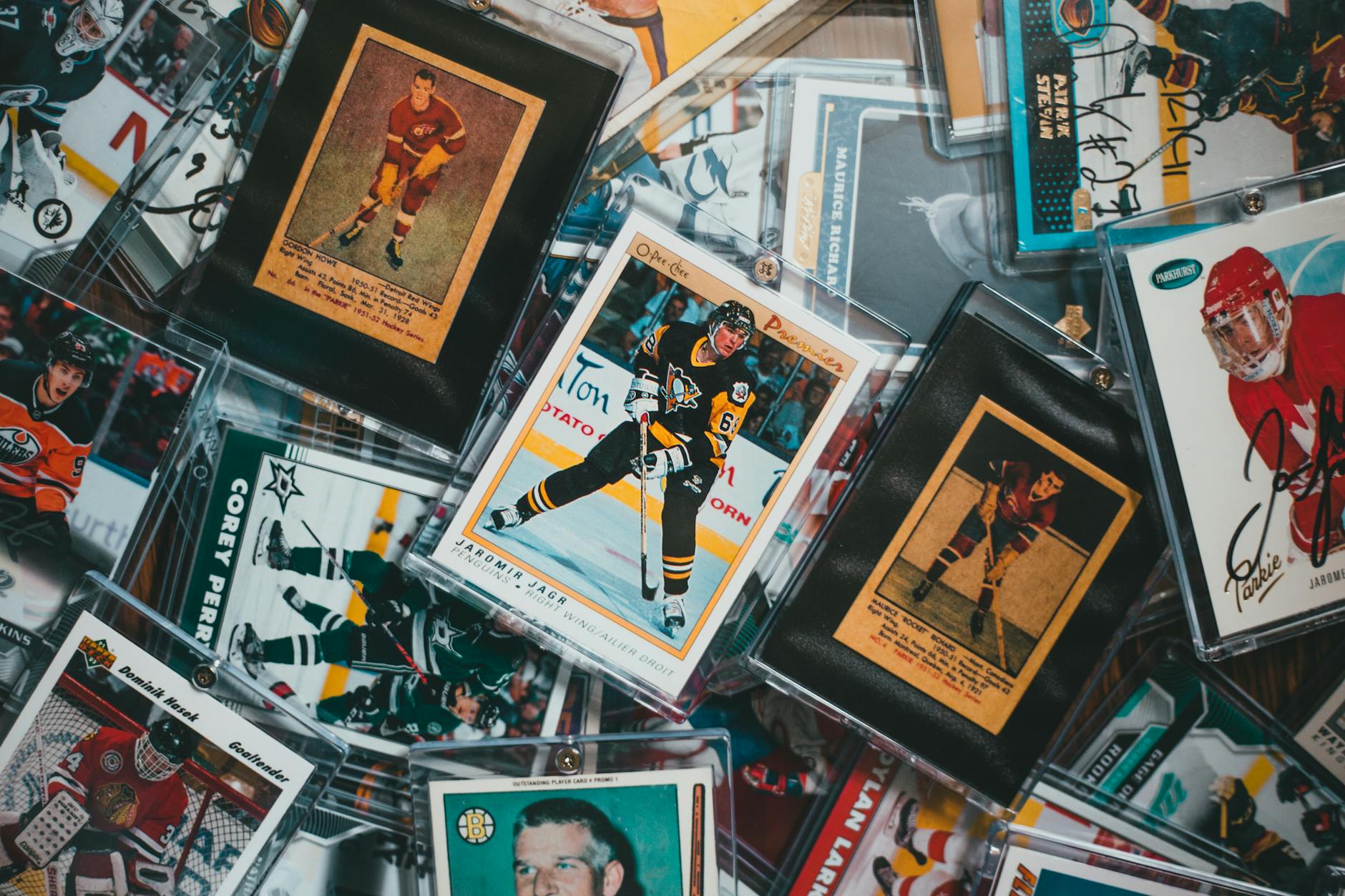
Pokémon cards are riding a nostalgia wave driven by millennials who are now entering their peak earning years. This generation has disposable income, emotional attachment to the cards, and enough capital to justify five-figure purchases on collectible hobbies. As this cohort ages and wealth concentrates among older collectors, the market could remain robust for another 15-20 years. The next question is what happens when that generational cohort starts divesting—either by choice or through estate sales when they pass cards to heirs.
Estate liquidations could create a supply shock. If a wealthy collector passes away and their heirs inherit 500 graded cards, the heirs might not share the emotional attachment their parent did. They might liquidate the collection to settle an estate or fund other priorities. Large supply influxes at estates auctions have historically destabilized niche collectibles. A single estate sale of valuable 1999 cards could test whether the market is deep enough to absorb significant volume without prices crumbling.
The Digital Collectibles Wildcard and Future of Physical Trading Cards
The emergence of digital collectibles and blockchain-based alternatives (despite their recent struggles) raises a long-term question about whether physical cards remain relevant. The appeal of 1999 Pokémon cards is partly tactile and partly nostalgic—you want to hold and display them. If younger generations develop the same emotional attachment to digital versions or to augmented reality experiences, demand for physical cards might decline. This isn’t happening yet, but it’s a directional risk that didn’t exist for previous generations of collectibles.
Conversely, the very physicality of 1999 cards might be their long-term strength. As digital goods become abundant and easily reproducible, ownership of scarce physical objects may become a stronger status symbol and store of value. High-grade 1999 Pokémon cards can’t be copied, can’t be hacked, and can’t be mass-produced. That permanence and tangibility might ensure their relevance even as digital culture dominates. The cards are unlikely to become worthless, but their trajectory as culture shifts remains uncertain.
Conclusion
Pokémon cards won’t become *the* defining collectibles of the 21st century—that’s a superlative that oversimplifies a diverse collectibles landscape. They’ll likely remain among the most significant trading cards ever produced and will hold value for decades. For current owners of high-grade examples, the cards represent legitimate stores of value, though appreciation from current prices is far from guaranteed. The market has matured, prices have stabilized after a speculative spike, and the fundamental scarcity that created their value can’t be replicated.
If you own 1999 cards, the rational position is to view them as part of a hobby or diversified collection rather than as a core investment. High-grade cards (PSA 8-10) are more stable than speculation-driven lower grades. Be aware that condition will decay over time and that a significant portion of their current value depends on sustained demand from a specific generational cohort. The cards are already economically significant; whether they remain so depends on continued emotional attachment, professional authentication systems holding up, and the broader financial markets supporting luxury collectibles spending. That’s a realistic outlook, not a guarantee.
Frequently Asked Questions
Are 1999 Pokémon cards a good investment right now?
They’re a reasonable long-term store of value if you’re buying high-grade cards (PSA 8+) that you won’t need to liquidate in the next five years. Avoid viewing them as a fast-flip investment; the speculative phase has cooled significantly since 2021.
What’s the difference between a shadowless and first edition 1999 card?
Shadowless cards have no shadow border around the artwork and predate first editions. First editions have a stamp. Shadowless cards are generally rarer and more valuable, though condition matters more than edition for most collectors.
How long will a graded 1999 card maintain its condition?
Properly stored, a card in a PSA slab should remain relatively stable for 20-30 years, but gradual fading and yellowing are inevitable. Storage in a climate-controlled environment away from direct sunlight is essential.
Why do ungraded 1999 cards cost so much less than graded ones?
Grading provides authentication and certification of condition. Buyers are often unwilling to pay premium prices without a third-party guarantee, which is why the price gap between graded and ungraded can be substantial.
Could reprints or new card designs devalue 1999 cards?
Reprints of original designs or new cards won’t directly devalue 1999 originals, but they could dilute collector demand if they’re close enough substitutes. So far, 1999 originals have maintained separate value because of their authentic history and scarcity.
What should I do if I find an old 1999 card?
Handle it minimally. Store it in a sleeve and rigid holder, keep it in a cool, dry place away from sunlight, and avoid touching the surface. If it appears to be in excellent condition, professional grading might reveal significant value. If it’s in average condition, grading may not be economically worthwhile.
You Might Also Like
- Why Vintage Pokémon Base Set Cards Could Become the Next Big Generational Collectible
- Why Base Set Pokémon Cards May Be Worth Far More by the Time Pokémon Turns 50
- Why Pikachu Cards Can Spike Without Warning