How to Build a Pokémon Card Display Collection on $200 a Month

Building a Pokémon card display collection on $200 a month is entirely achievable if you're strategic about where you allocate your spending and willing...
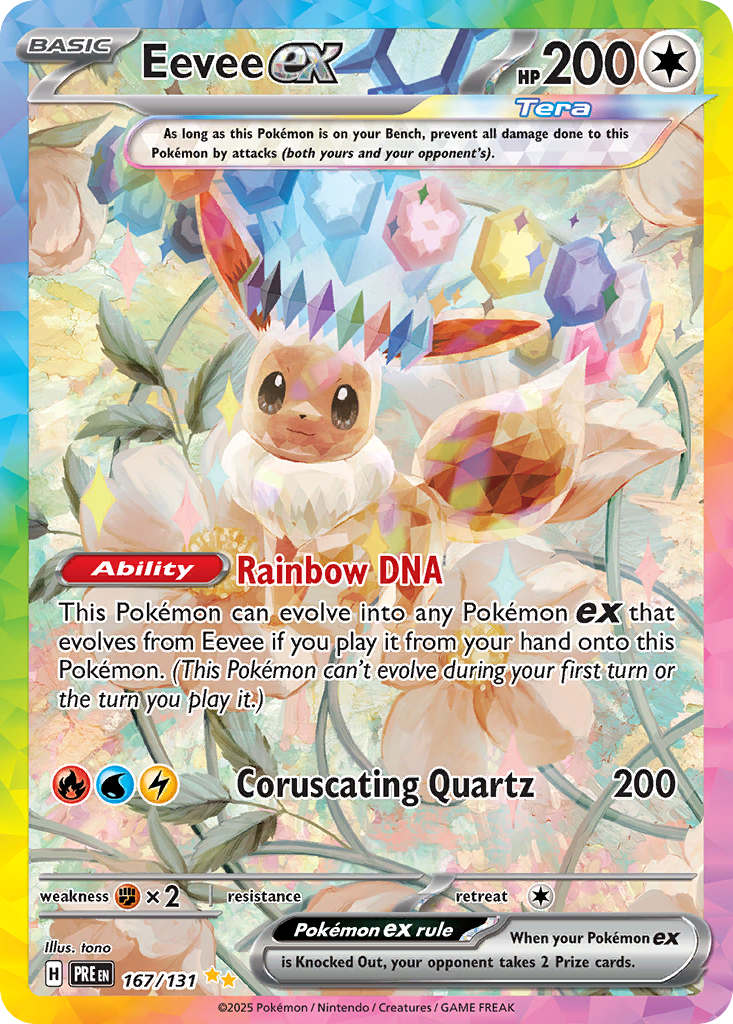
Featured Pokemon cards worth knowing about
Building a Pokémon card display collection on $200 a month is entirely achievable if you're strategic about where you allocate your spending and willing...
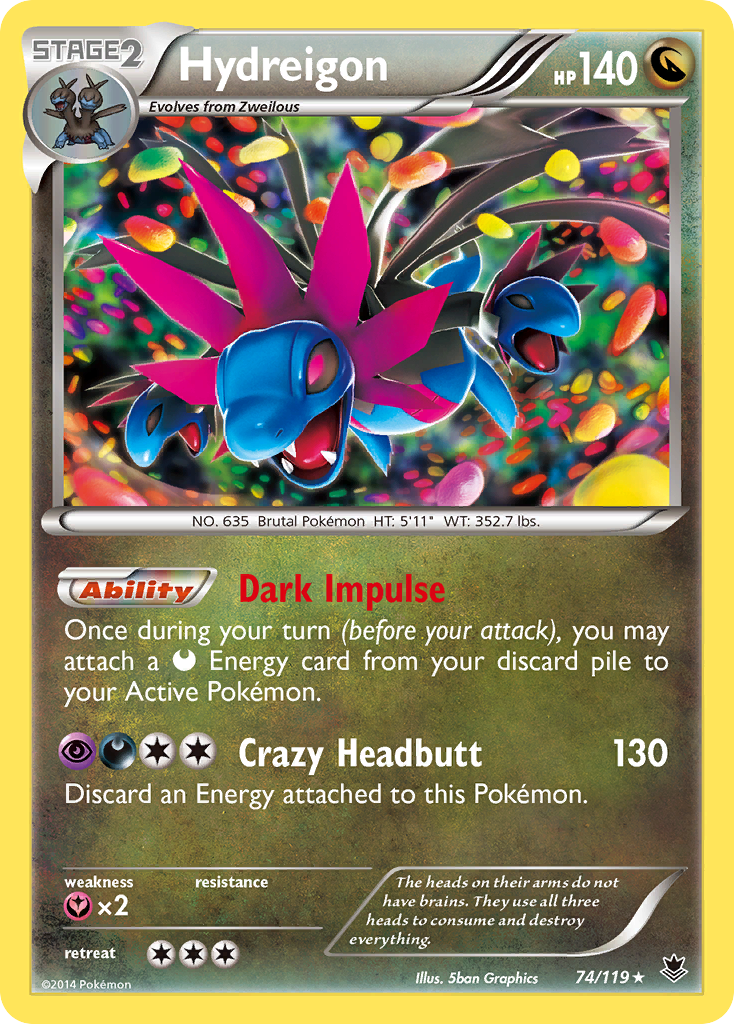
Graded cards typically command significantly higher prices than raw cards, but the difference varies dramatically based on the card's age, condition, and...

Before buying ungraded Pokemon cards, you need to understand that the raw card market operates differently from the graded market, with different pricing...
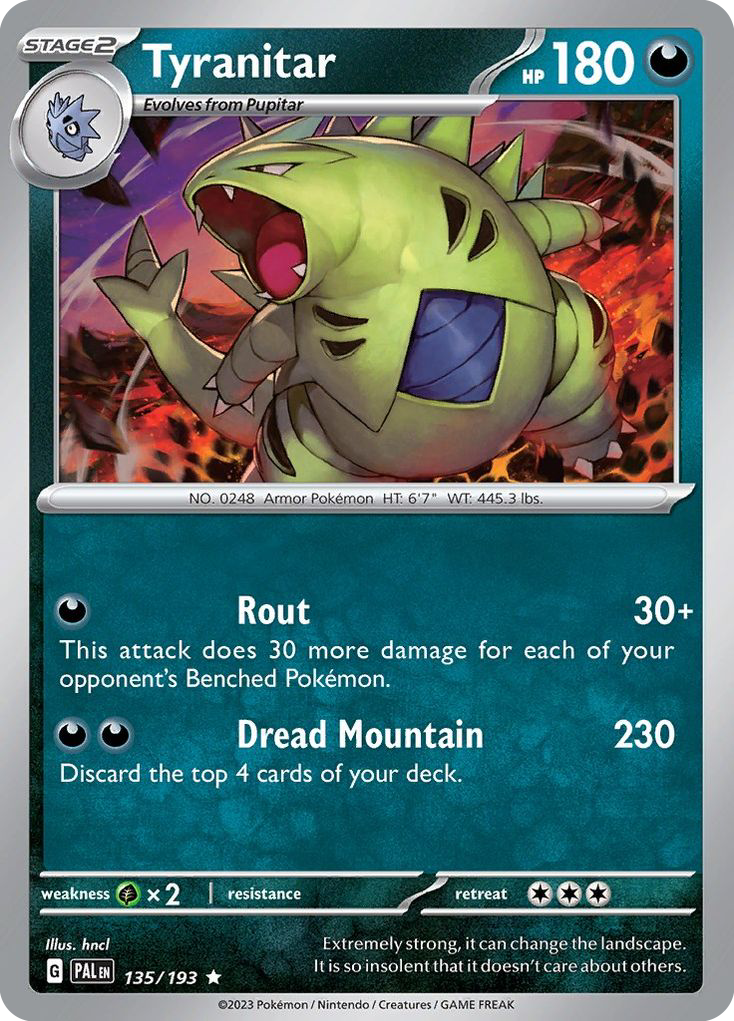
Reading a Pokémon card grading scale accurately means understanding that grading companies like PSA, BGS, and CGC use a 1-10 numerical scale where 10...
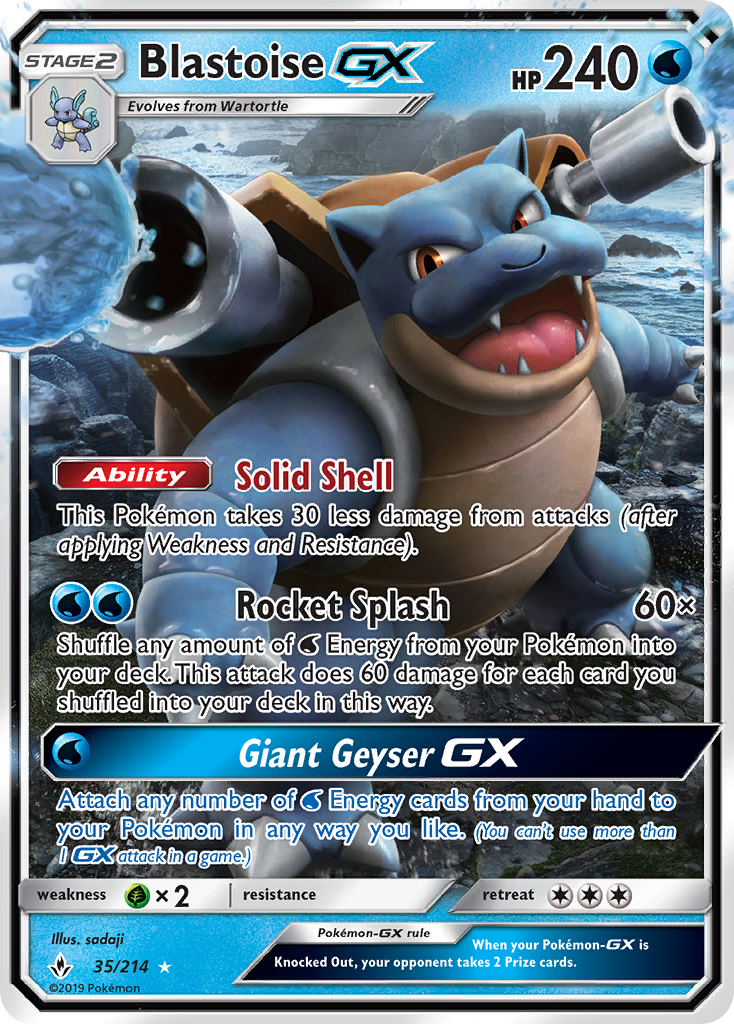
A card in Near Mint-Mint (NM/M) condition receives a PSA 8 grade because that's exactly where it falls on the official PSA grading scale.

Card condition and card grade are related but distinctly different concepts that often confuse collectors.
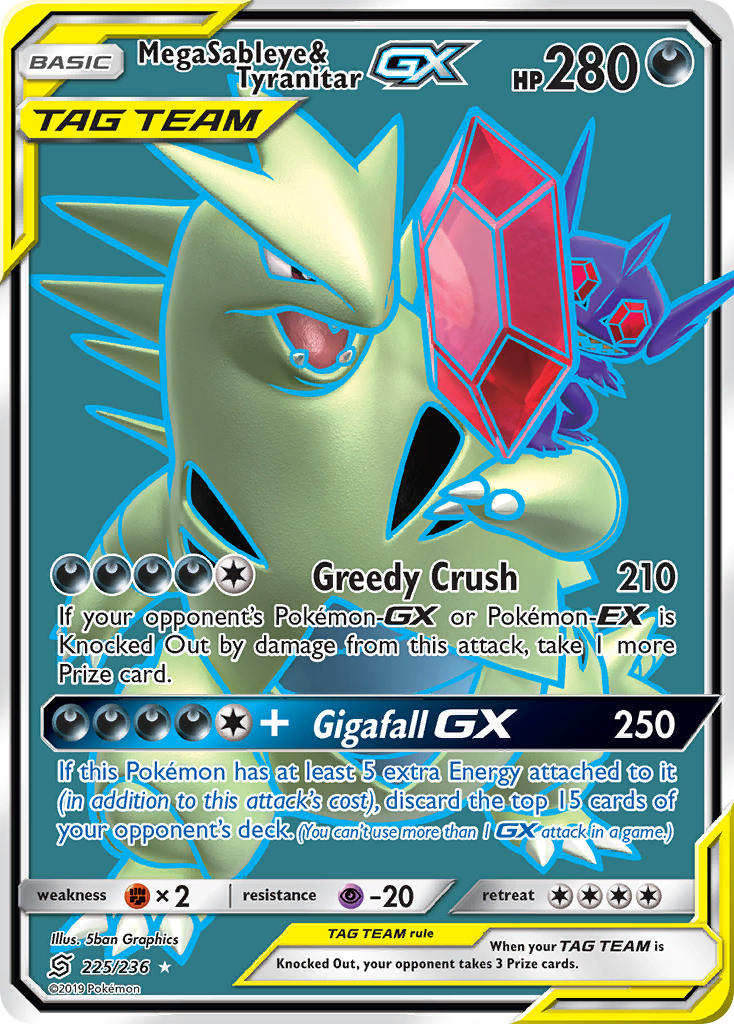
A 10x loupe reveals details about card condition that are invisible to the naked eye, allowing collectors to spot wear patterns, printing defects, and...
Lighting is one of the most critical factors determining whether a card receives a PSA 10 grade, yet it's invisible to casual collectors examining their...

When your PSA-graded Pokémon card arrives with a lower grade than you expected, the reality hits immediately: your card's market value has just dropped...

The unwritten rules of Pokémon card collecting exist in the space between what's printed on the cards and what the community expects from those who...