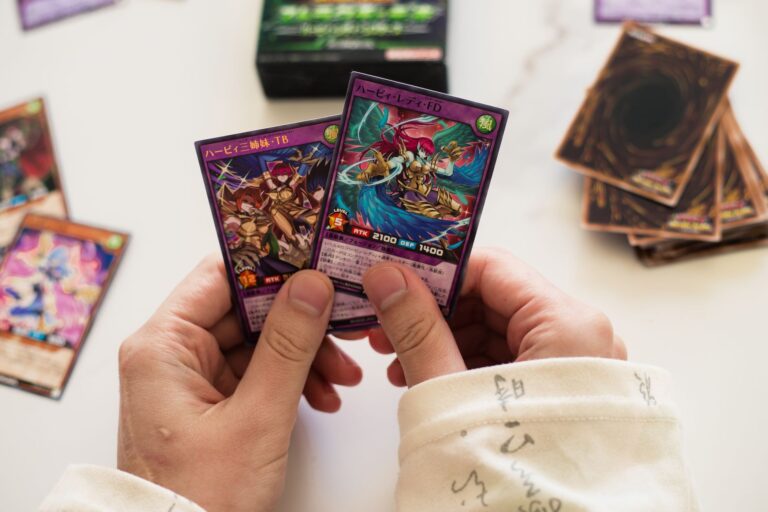
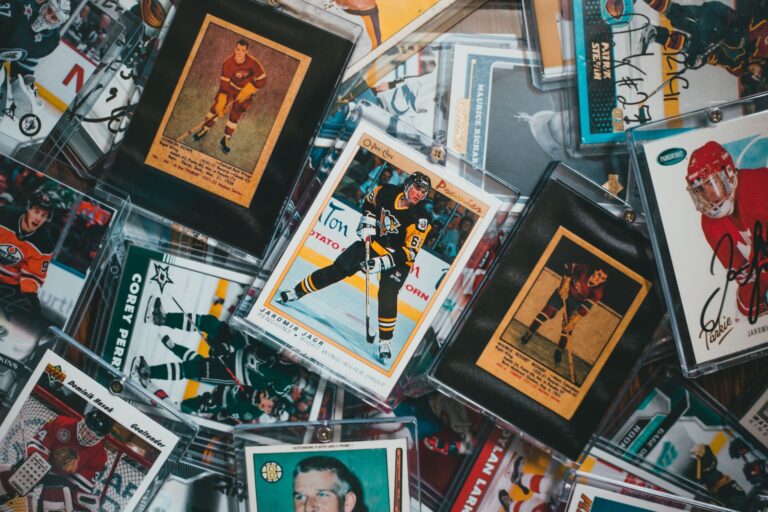
Building a Pokémon card display collection on $200 a month is entirely achievable if you’re strategic about where you allocate your spending and willing to take a measured approach to purchasing. The key is focusing on visual impact over rarity, buying graded cards in the PSA 7-8 range rather than pristine examples, and hunting for deals on popular but not-yet-booming cards. For example, you could spend $200 on a mix of vintage Base Set shadowless cards in moderate condition, a few eye-catching holos from the Jungle or Fossil era, and modern graded cards that photograph well—giving you a cohesive, impressive display that costs less than a single pristine First Edition Charizard.
The $200 monthly budget allows room for both planned acquisitions and opportunistic purchases. This is roughly $50 per week, which means you can target one or two mid-range cards at $80-120 each, supplement with cheaper bulk lots, and occasionally find undervalued graded cards on secondary markets. The challenge isn’t the budget itself—it’s developing the discipline to pass on impulse buys and the patience to wait for the right cards at the right price.
Table of Contents
- What Does a $200-Per-Month Budget Actually Buy in Pokémon Cards?
- Sourcing Cards Without Overpaying for Graded Stock
- Building a Cohesive Display on a Gradual Timeline
- The Raw Card vs. Graded Card Trade-Off
- Common Pitfalls and Market Reality Checks
- Building Around Themes and Personal Interest
- Planning for Long-Term Growth and Market Changes
- Conclusion
- Frequently Asked Questions
What Does a $200-Per-Month Budget Actually Buy in Pokémon Cards?
Your $200 monthly allocation can cover several purchasing strategies depending on your priorities. If you chase vintage cards, you’re looking at 2-4 modestly graded Base Set or Jungle holos in PSA 7-8 condition, which typically cost $40-100 each depending on which Pokémon. Alternatively, if you focus on modern graded cards from recent sets like Pokémon 151 or Scarlet & Violet, your budget stretches further—you could acquire 4-6 beautiful display pieces monthly.
A practical example: $200 could buy one $120 PSA 8 Base Set Gyarados, one $50 raw Jungle Pikachu, and $30 worth of vintage common holos from lots on eBay or TCGPlayer. The budget works best when you segment it mentally: allocate $120-150 toward your “anchor” card of the month—something that anchors a new display section—then use the remainder for smaller acquisitions that round out the collection. This prevents decision fatigue and creates natural rhythm. Many collectors at this price point find success rotating between sets every 2-3 months, allowing them to build thematic display sections over time rather than a scattered assortment.

Sourcing Cards Without Overpaying for Graded Stock
Raw cards and lightly played examples are your biggest budget multiplier. A PSA 8 vintage holo might cost $80, while the same card in PSA 6 condition drops to $50, and raw ungraded examples in similar condition run $30-40. The visual difference between PSA 7 and PSA 9 is often negligible to the casual viewer, but the price difference can be $100 or more. One limitation to acknowledge: buying raw cards requires you to accurately assess condition yourself or trust seller photos, which introduces risk.
A card described as “near mint” by a casual seller might have creasing or print defects that would grade lower. Consider building relationships with reputable bulk lot sellers on eBay or local Facebook groups. Many experienced collectors liquidate duplicates or set aside lesser-valued cards, and a $30-50 lot of 5-10 vintage holos can provide excellent display pieces that would cost $80-100 individually if purchased one-by-one. Graded card sites like TCGPlayer, PSA Price Guide, and eBay’s sold listings are essential for understanding fair value—spend 15 minutes researching recent sales before committing to any purchase above $50.
Building a Cohesive Display on a Gradual Timeline
A $200 monthly budget works best with a 6-12 month vision rather than an all-at-once approach. Instead of trying to fill a display case immediately, consider picking a theme: “Base Set holos,” “Gym Leaders,” “pokémon-ex from the XY era,” or “First appearances by generation.” Over six months at $200 monthly, you’ll spend $1,200 and can assemble 12-20 museum-quality display cards that tell a story. For instance, focusing on the original 151 Pokémon gives you a frame of reference—you’re working toward a completed set rather than a random assortment.
Display cases matter for this strategy. A $25-50 acrylic case with shelving from Amazon will house 12-20 graded cards beautifully. Lighting—either through the case itself or from nearby LEDs—costs another $20-40 and dramatically improves how cards photograph and appear in person. Allocating $100-150 of your first month’s budget toward the display infrastructure (case, lighting, sleeves) leaves room for 3-4 cards, which is a solid start.

The Raw Card vs. Graded Card Trade-Off
Graded cards offer authenticity verification and protection, but they’re expensive and take up more shelf space. For a $200 monthly budget, buying only graded cards limits you to 2-3 cards per month; buying raw cards lets you acquire 8-12. The trade-off is responsibility: raw cards need proper sleeves (penny sleeves + outer sleeves cost $15-30 for 100), careful handling, and you’ll do your own quality assessment.
Many collectors find the sweet spot is 70-80% raw cards and 20-30% graded cards—the graded pieces serve as “anchors” while raw cards fill galleries. A practical comparison: $200 could buy five PSA 8 vintage holos, or it could buy two PSA 8 cards plus eight carefully selected raw vintage holos and a PSA 7 of a premium card. The second approach creates a more visually interesting display. However, if you plan to eventually resell the collection, graded cards hold value more consistently—raw cards can depreciate quickly if condition turns out to be worse than estimated.
Common Pitfalls and Market Reality Checks
The biggest budget killer is chasing trending Pokémon or newly graded cards from popular sets. When a Pokémon suddenly trends on social media or a new set releases, prices spike immediately and take months to stabilize. Buying a Pikachu or Charizard during peak hype will cost you 30-50% more than waiting six months. Warning: spending your entire $200 on one “chase card” that’s currently hot is how collectors end up underwater when the market corrects.
Another limitation to face: vintage card prices have risen substantially in recent years, and pristine examples are prohibitively expensive. A PSA 9 Base Set Blastoise costs $400+; the same card in PSA 6-7 costs $50-100. Most collectors building on $200 monthly should embrace the mid-grade vintage cards rather than aspiring to gem-quality examples. Diversification protects against this—if you buy six different cards monthly instead of one expensive one, you’re less exposed to any single card’s price fluctuation.
Building Around Themes and Personal Interest
Themed collections often deliver more satisfaction than trying to chase the highest-value cards. A “Nidoking line evolution collection,” “Every Charizard variant from Base through Scarlet & Violet,” or “Misprint and error cards” gives your display narrative and makes the hunt more engaging. Themed collecting also stretches your budget further because you’re competing against fewer people for specific cards.
For example, building a complete Machop-Machoke-Machamp display across all printings might cost $150-200 total, while trying to assemble pristine First Edition cards of those same Pokémon could cost $500+. Personal interest matters for long-term collecting. If you’re drawn to the TCG’s artistic evolution, you could spend $200 monthly on illustrated rares and promos from different eras—cards chosen for how they look rather than market value. This approach is psychologically rewarding because you’re curating a gallery rather than chasing investment returns.
Planning for Long-Term Growth and Market Changes
A $200 monthly budget over 12-24 months builds momentum. After your first year, you’ll own 12-24 display-quality cards and understand the market deeply enough to spot undervalued opportunities. Many collectors find they can accelerate buying slightly in year two because they’ve learned to source more efficiently.
The vintage card market has matured but remains volatile—keep watching PSA price guides and eBay sold listings to spot trends before they happen. Looking forward, the Pokémon TCG’s popularity shows no signs of fading, which supports the valuation of older cards. Modern graded cards have become more collectible, making new releases viable for display collecting. Budget collectors benefit from this diversification: if vintage prices plateau, modern graded cards offer growth potential.
Conclusion
Building a Pokémon card display collection on $200 monthly is realistic and rewarding if you approach it methodically. Prioritize graded anchor pieces, supplement with carefully selected raw cards, and choose a theme or era that genuinely interests you rather than chasing whatever’s trending. The first month should invest in display infrastructure; subsequent months should balance your anchor cards with supporting pieces that create visual cohesion.
Start by spending an evening researching PSA price guides and recent eBay sales in your area of interest. Set a monthly purchasing plan—perhaps $120 for a primary piece, $50 for secondary cards, and $30 for maintenance or unexpected finds. In six months, you’ll have a collection worth $1,200 that looks far more expensive, and you’ll understand the market well enough to spot opportunities others miss.
Frequently Asked Questions
Should I buy graded cards or raw cards on a tight budget?
For maximum visual impact, buy 70-80% raw cards and 20-30% graded. Graded cards provide value stability and authenticity assurance; raw cards multiply your purchasing power. The best approach is using graded cards as anchor pieces and filling the rest with raw cards you’ve vetted.
How do I avoid buying overhyped cards at inflated prices?
Follow PSA Price Guide and eBay sold listings for 2-4 weeks before buying any card over $50. Watch for price trends and buy when a card is stabilizing rather than spiking. Set a maximum price per card and walk away if it’s exceeded.
Can I realistically complete a full set evolution or era on $200 a month?
Yes, but not a pristine set. You can complete a themed collection of modestly graded or raw cards—a Base Set Starter trio, a Gym Heroes poké-body set, or every Pikachu variant—over 3-6 months. Expect PSA 6-8 grades or high-quality raw cards, not gem-quality examples.
What’s the best way to display cards without damaging them?
Use penny sleeves for raw cards, then house those in top loaders or soft sleeves. Graded cards stay in slabs. Invest in an acrylic display case with UV protection (not cheap glass) and LED lighting. Keep the collection away from direct sunlight and humidity spikes.
Should I focus on vintage or modern cards?
Vintage cards hold perceived value but cost more per acquisition. Modern graded cards from sets like Pokémon 151 or Scarlet & Violet allow you to build faster and photograph more attractively. A mix of both gives you visual variety and hedges against market shifts.
How do I know if I’m overpaying at a local card shop?
Research the exact card on TCGPlayer and eBay first. Most local shops price 15-30% above market; some price fairly. Build a relationship with an honest shop owner. For expensive cards (over $75), getting multiple quotes is worth the effort.