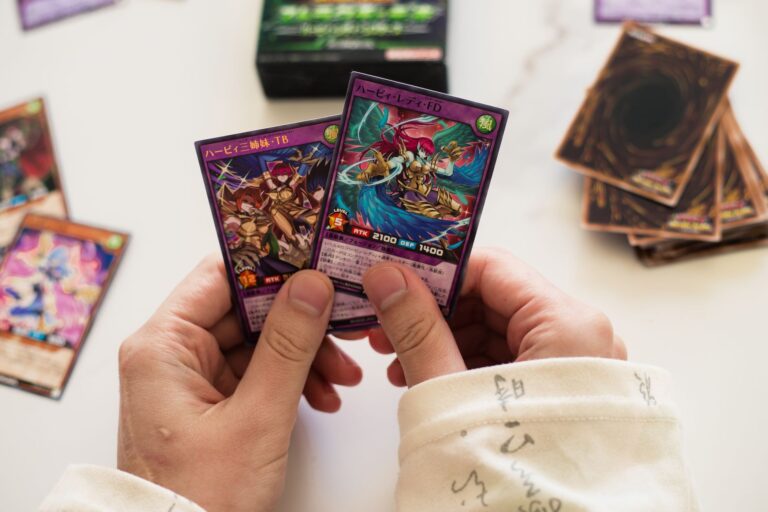
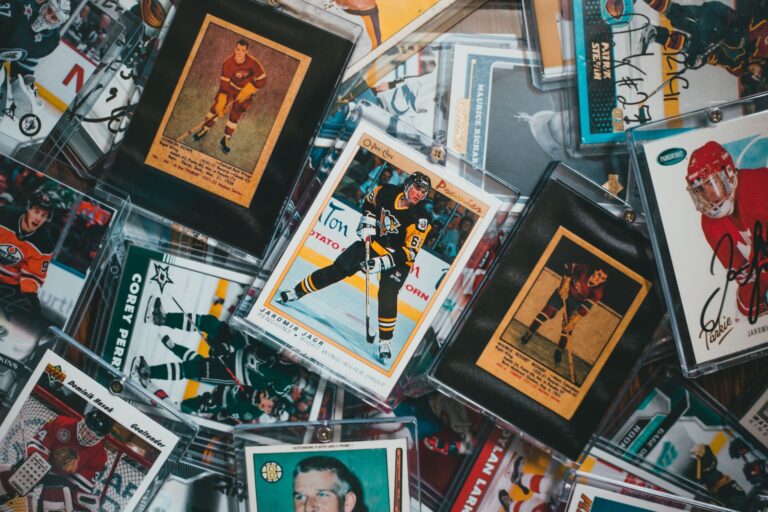
Lighting is one of the most critical factors determining whether a card receives a PSA 10 grade, yet it’s invisible to casual collectors examining their cards at home. When you look at a Charizard or first edition Blastoise under normal household lighting, the card may appear flawless—sharp corners, perfect centering, pristine surface. But PSA graders examine that same card under controlled, professional lighting conditions combined with 10x magnification, and they see something entirely different: faint handling marks, microscopic creases from sleeve storage, trace amounts of finger oils on the surface, and subtle manufacturing inconsistencies that were completely invisible moments before.
This fundamental difference between what collectors see and what professional graders detect under specialized conditions is the single largest reason cards that seem like obvious PSA 10 candidates end up graded as PSA 9 or lower. The reality is stark: a card that appears pristine under normal lighting often shows evidence of handling, storage pressure marks, and surface imperfections when examined under the controlled lighting and magnification systems used in professional grading facilities. This isn’t because the graders are being overly harsh or the card is defective—it’s simply that lighting conditions reveal what the human eye cannot detect without specialized equipment. Understanding this dynamic between lighting, magnification, and grading standards is essential for any serious collector planning to submit cards for professional evaluation.
Table of Contents
- Why Professional Lighting Conditions Reveal Hidden Defects
- PSA 10 Requirements and How Lighting Reveals Centering Problems
- Manufacturing Marks and Imperfections Revealed Under Angled Lighting
- How Collectors Can Evaluate Cards Before Submission to PSA
- Common Misconceptions About Lighting and Card Condition
- PSA’s AI-Assisted Grading Technology and Modern Detection
- What This Means for Your Collecting Strategy
- Conclusion
Why Professional Lighting Conditions Reveal Hidden Defects
psa graders operate under a completely different visual environment than collectors at home. Professional grading facilities use controlled lighting setups specifically designed to expose surface imperfections, combined with precision magnification that allows graders to detect defects invisible to the naked eye. A card may show absolutely zero visible flaws when you examine it under your bedroom lamp or natural daylight from your window, but place that same card under angled, professional-grade lighting at 10x magnification, and the graders immediately spot evidence of wear: faint horizontal lines from being stacked in a storage box, barely perceptible scratches from sliding in and out of a sleeve hundreds of times, or a dull spot where fingers once touched the surface. The difference becomes even more apparent with higher-end cards. Imagine a rare holographic Charizard that you’ve kept carefully in a sleeve and toploader.
You pull it out, examine it under normal lighting, and genuinely believe it’s in near-mint condition. The centering looks good, the corners appear sharp, the surface seems to have full gloss. Then a PSA grader examines the same card under professional conditions and identifies three minor issues: the left edge shows a faint handling mark only visible under harsh angled lighting, the centering is slightly off at 56/44 instead of the acceptable 55/45, and there’s trace staining on the reverse that you never detected. That card drops from what you believed was a PSA 10 candidate to a PSA 8 or PSA 9—not because the grader was wrong, but because they were using an entirely different examination standard. This is precisely why PSA certification matters. Professional grading uses standardized lighting, magnification, and calibrated assessment tools—a consistency that no collector can replicate at home no matter how carefully they examine their cards.

PSA 10 Requirements and How Lighting Reveals Centering Problems
A PSA 10 (Gem Mint) card must meet extremely specific standards, and lighting directly impacts whether cards meet those standards. According to PSA’s official grading standards, a PSA 10 card must have four perfectly sharp corners, sharp focus, and full original gloss. The centering tolerance for a PSA 10 is approximately 55/45 to 60/40 percent on the front of the card and 75/25 percent on the reverse. These aren’t casual approximations—they’re precise measurements that graders assess under controlled conditions. When you look at a card under normal lighting, centering problems often appear neutral or non-obvious.
But when that same card is placed under angled, professional lighting, centering flaws become glaringly apparent. A card with 57/43 centering on the front (where the left side is noticeably wider than the right) might look acceptable under your home lighting, but under professional lighting during magnified examination, it’s clearly off-center and fails the PSA 10 threshold. The limitation here is critical: you cannot accurately assess your own card’s centering without professional-grade lighting and magnification equipment. Many collectors believe they can eyeball centering, and while experienced collectors develop decent intuition, they cannot consistently measure the precise tolerances that PSA requires. A card that you think has perfect 55/45 centering might actually be 58/42—still a respectable card, but one that will grade as PSA 9 instead of PSA 10. This is why serious collectors often send cards for grading even when they believe those cards are perfect: the lighting and magnification conditions in professional facilities can catch centering issues that are nearly impossible to detect at home.
Manufacturing Marks and Imperfections Revealed Under Angled Lighting
One of the most surprising discoveries collectors make when their cards are returned from PSA is learning about manufacturing marks or imperfections that were completely invisible to them beforehand. These defects aren’t damage—they’re production issues that occurred during the card’s manufacturing process. A faint line on a holographic pattern, a slight color variation in the border, or a microscopic printing inconsistency all become dramatically more visible under the angled lighting systems that professional graders use. A Pokemon card can look flawless under normal lighting and simultaneously show a faint manufacturing mark under harsh, directed lighting at 10x magnification. Consider a specific example: a first-edition Blastoise that you’ve owned for twenty years.
You pull it out, examine it carefully under normal household lighting, and think it’s in exceptional condition—the corners are sharp, you see no creases or stains, the color appears vibrant. You decide to submit it for grading, expecting a PSA 9 or PSA 10. When you receive it back graded as PSA 8, you’re shocked. Looking at the card again under the same normal lighting, you still can’t see what caused the downgrade. But if you place that card under the kind of angled, professional-grade lighting used in grading facilities, you might finally see what the graders detected: a faint wavy pattern on the surface, likely from a manufacturing press issue, that’s only visible under specific lighting angles. This manufacturing imperfection is legitimate grounds for a lower grade, even though it was completely invisible to you at home.

How Collectors Can Evaluate Cards Before Submission to PSA
While you cannot perfectly replicate professional grading conditions at home, understanding the role of lighting allows you to conduct a more realistic pre-submission assessment of your cards. The fundamental principle is this: examine your cards under multiple lighting conditions, not just one. Look at the card under normal room lighting, then look at it in bright overhead light, then examine it under angled light to simulate what professional graders will see. If you can spot any imperfection under these varied conditions, there’s a strong chance that PSA graders will spot it under their much more stringent examination. The goal isn’t to achieve perfect vision—it’s to identify the obvious defects that will prevent a high grade. Use a magnifying glass or loupe to examine your cards, particularly the corners, edges, and centering alignment.
These tools won’t provide the same magnification as professional equipment, but they’ll reveal scratches, corner wear, and centering issues that are borderline invisible to the naked eye. Pay special attention to the corners, which are the first place wear typically shows. A card that has four perfectly sharp corners under magnification is far more likely to receive a PSA 10 or PSA 9 than one where you can see even slight rounding. For centering, try to assess whether the image appears truly centered within the borders or whether one side appears noticeably wider than the other. This straightforward comparison is far more reliable than trying to estimate exact percentages. Finally, check for any evidence of staining, fading, or surface marks by examining both sides of the card under different light angles. If you can see these issues at home, PSA will definitely see them in professional grading.
Common Misconceptions About Lighting and Card Condition
Many collectors operate under false assumptions about how lighting affects grading, and these misconceptions lead to disappointed submissions. The first major misconception is that if a card looks perfect under normal lighting, it will grade as PSA 10. This is demonstrably false. Professional grading uses much more stringent examination conditions, and what appears flawless at home is often revealed to have minor imperfections under professional lighting. The second misconception is that harsh lighting or angled lighting creates problems that don’t really exist—that the defects seen under professional lighting are somehow artifacts of the grading process. This is also incorrect. The imperfections that professional graders detect under controlled lighting are real features of the card; they’re simply not visible under everyday lighting conditions.
Denying their existence won’t change the fact that they exist. Another widespread misconception is that cards graded as PSA 9 are “almost perfect” or “might as well be PSA 10.” This isn’t quite accurate. A PSA 9 card has visible wear or minor imperfections that prevent it from achieving the “virtually flawless” standard required for PSA 10. The gap between PSA 9 and PSA 10 is meaningful, not trivial. A card with one visible corner wear spot, or a card with slightly off-centering, or a card with faint surface marks is legitimately a PSA 9, not a borderline PSA 10. The limitation of home examination is that you cannot accurately determine whether your card meets the PSA 10 threshold without professional equipment. Making assumptions about your card’s grade based on casual inspection will frequently lead to disappointment when the official grade arrives.

PSA’s AI-Assisted Grading Technology and Modern Detection
Beginning in 2026, PSA has integrated AI-assisted grading technology to enhance consistency in detecting surface imperfections that would be invisible to the naked eye. This technological advancement means that modern grading is even more stringent and precise than grading from previous years. Grading volume at PSA has increased dramatically—from approximately 15,000 cards per day in 2021 to approximately 90,000 cards per day currently, with plans to increase further. This scaling has been made possible partly through AI-assisted detection systems that enhance the identification of centering issues, surface marks, and manufacturing flaws that human graders might miss or inconsistently assess. For collectors, this development has two implications.
First, the consistency of grading has improved. Cards are now assessed using both human expertise and AI-assisted defect detection under controlled lighting conditions, which means the assessment is more uniform across different cards and different grading periods. Second, and more importantly for the topic of lighting: AI detection systems can identify defects under specific lighting conditions that are designed to reveal surface problems. A card that would have barely passed PSA 10 under less rigorous human examination might now be graded as PSA 9 because AI-assisted systems detect a subtle imperfection under professional lighting. This is actually beneficial for collectors who receive PSA 10 grades, because those grades now come with greater assurance of true gem-mint condition.
What This Means for Your Collecting Strategy
Understanding the relationship between lighting and PSA 10 certification should reshape how you approach card grading submissions. The practical insight is straightforward: don’t assume your cards will grade higher than what you can realistically assess using careful home examination under varied lighting conditions. If a card looks genuinely flawless even under magnification and multiple lighting angles at home, there’s a reasonable chance it could achieve PSA 10, though no guarantee. If you can spot any imperfection—a corner wear mark, off-centering, a surface inconsistency, any evidence of wear—your card will likely grade as PSA 9 or lower.
This framework helps you make smarter decisions about which cards are worth the grading cost and submission time. Looking forward, the integration of AI-assisted grading means that standards will only become more precise and stringent. Collectors who submit cards expecting PSA 10 grades based on casual home inspection will increasingly experience disappointment. The collectors who understand the role of professional lighting conditions, who examine their cards critically under varied lighting with magnification, and who set realistic expectations based on what they actually observe are the ones who will submit cards strategically and receive fewer grading surprises.
Conclusion
Lighting is not a minor factor in PSA 10 certification—it’s fundamental to the entire grading process. The controlled lighting conditions used in professional grading facilities reveal defects invisible under normal household lighting, and these revelations directly determine whether a card receives a PSA 10 or a lower grade. Cards that appear pristine to the casual observer at home regularly show handling marks, centering problems, or surface imperfections when examined under the professional-grade lighting and magnification that graders employ. Understanding this gap between home examination and professional grading is the first step toward developing realistic expectations for your own cards. If you’re planning to submit cards for PSA grading, spend time examining those cards under varied lighting conditions with magnification before deciding to submit.
Look for corner wear, centering issues, surface marks, or any evidence of handling or storage stress. If the card appears flawless even under this more critical examination, it has a reasonable chance at a high grade. If you can spot any imperfections, adjust your expectations accordingly. This approach respects the actual grading standards that PSA employs and helps you make smarter decisions about which cards deserve professional certification and which ones you’re better off keeping or selling as raw cards. The collectors who succeed in accumulating high-grade cards are those who understand that what they see at home under normal lighting is fundamentally different from what professional graders see under controlled, professional conditions.