The Pokémon Card Podcast Landscape: Who’s Worth Listening To?
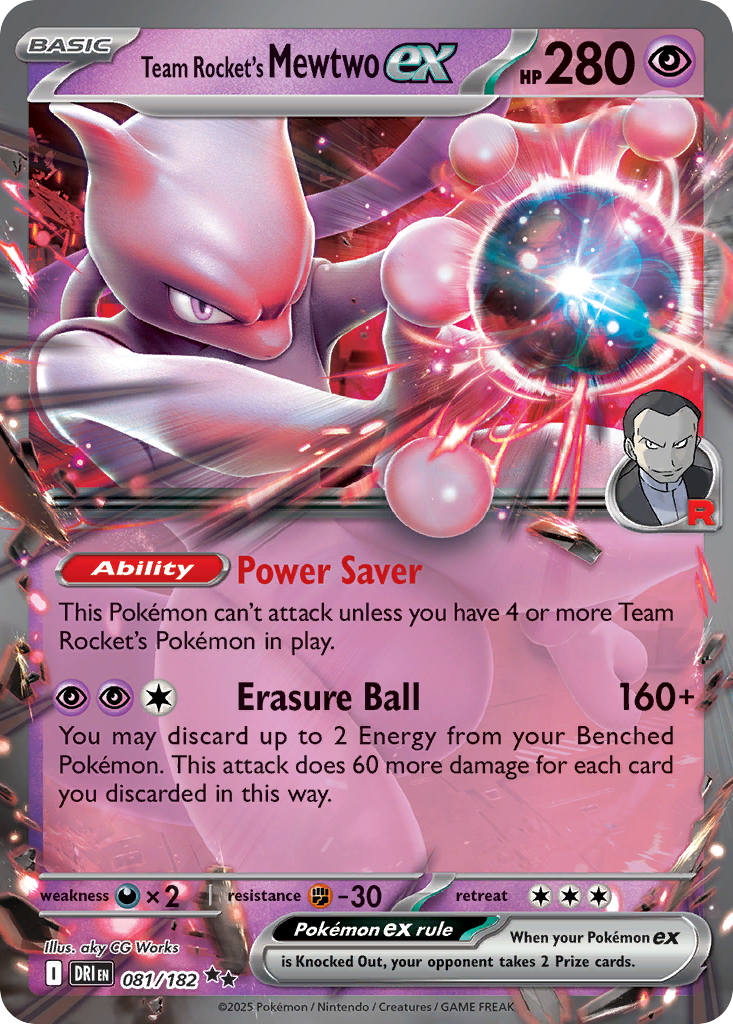
The Pokémon Trading Card Game podcast landscape has exploded over the past five years, but not all shows are created equal.
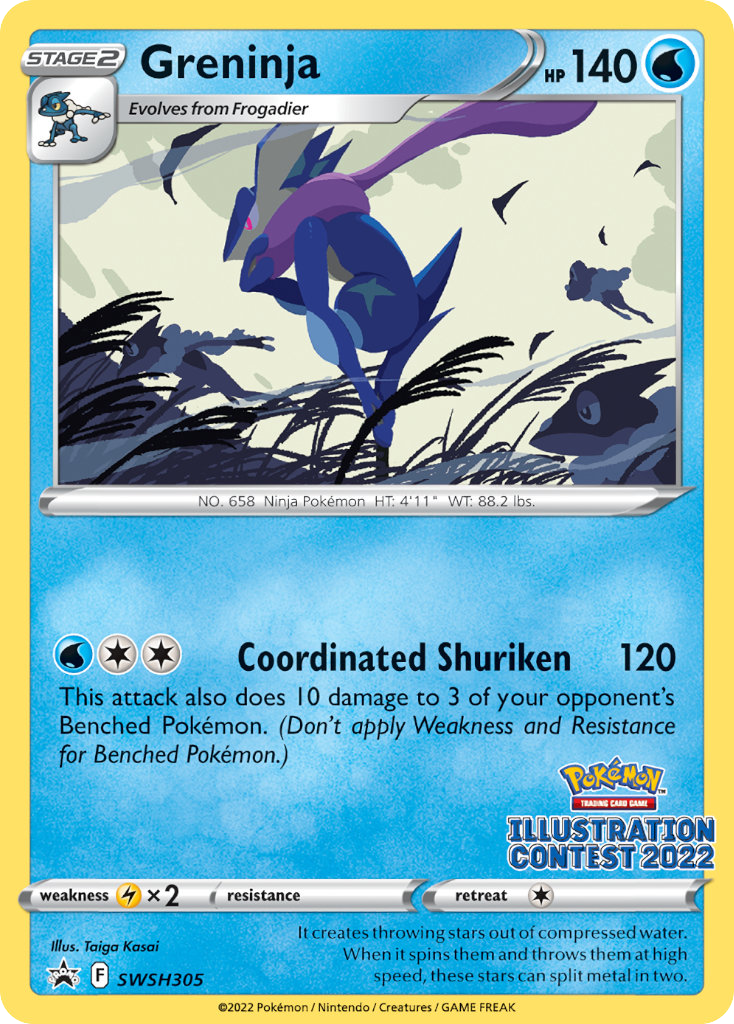
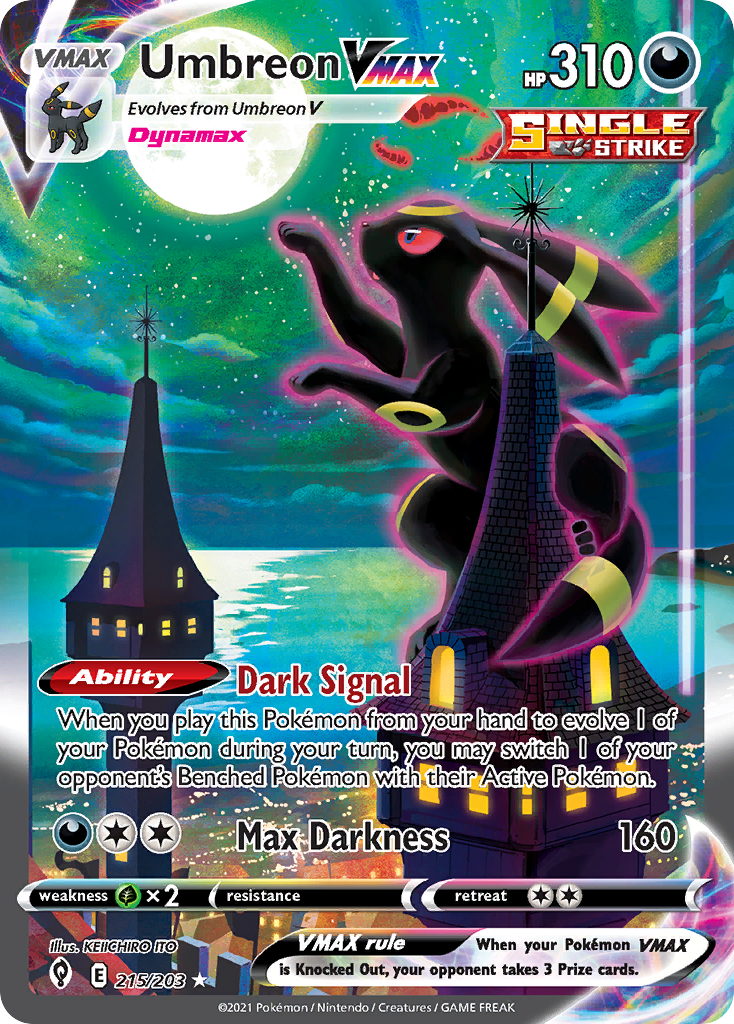
Featured Pokemon cards worth knowing about
The Pokémon Trading Card Game podcast landscape has exploded over the past five years, but not all shows are created equal.
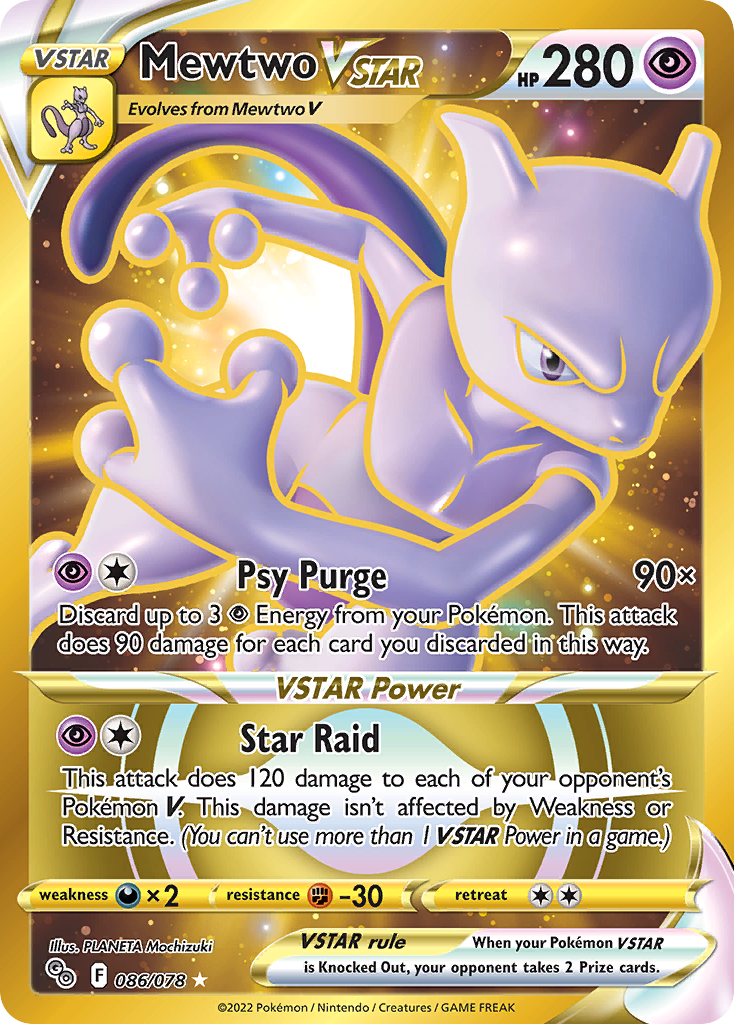
Starting a Pokémon card YouTube channel that grows requires three foundational elements: a specific niche within the hobby, consistent production quality,...
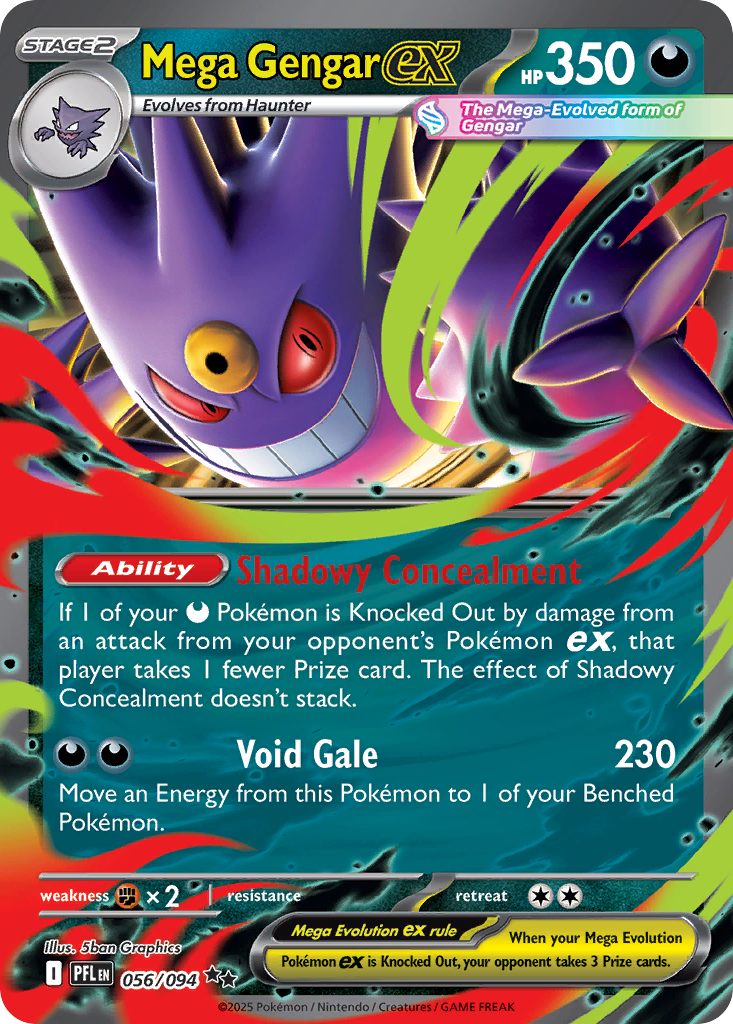
Pokémon card influencers make money primarily through YouTube ad revenue, sponsorships with retailers and collectibles brands, and affiliate commissions—a...
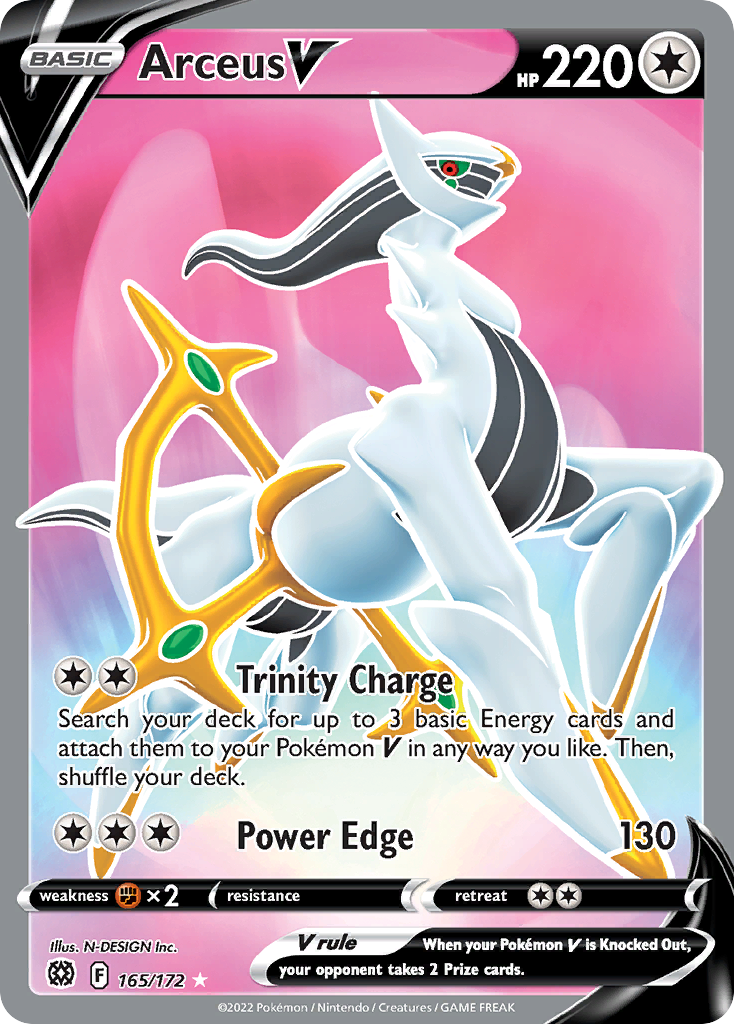
Building a personal Pokémon card brand on social media requires consistent content around your collection, authentic engagement with the community, and a...
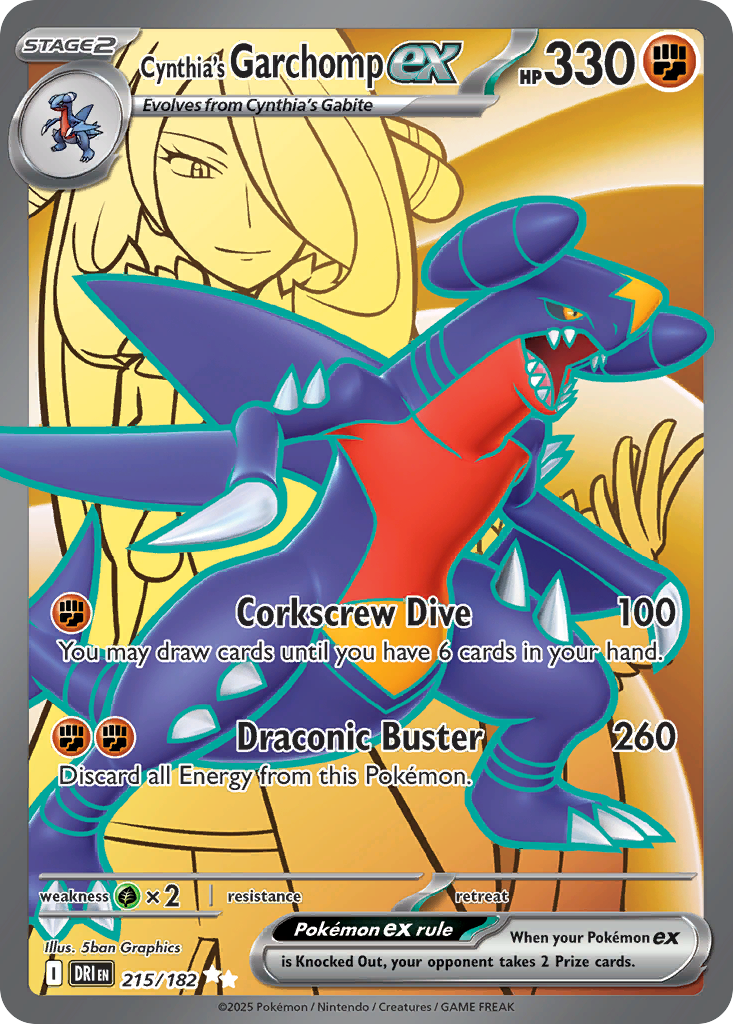
Running a Pokémon card trading post on Instagram means establishing a dedicated account that showcases your inventory, executes fair trades and sales with...
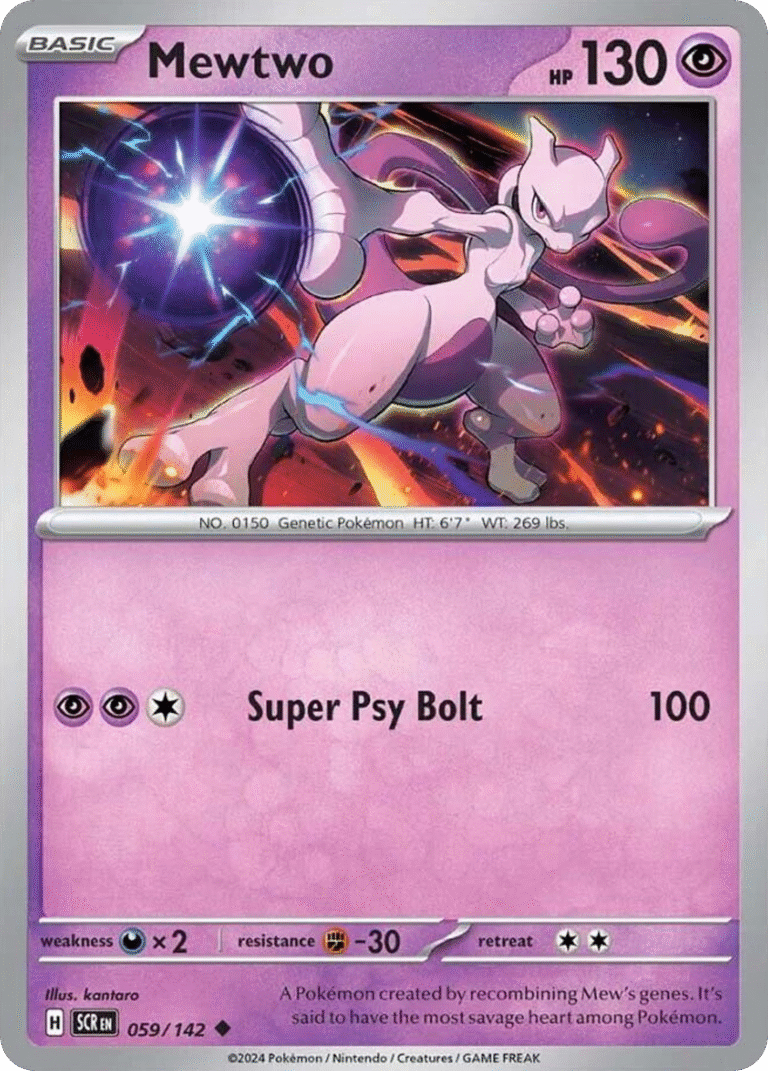
Pokémon Card Discord trading servers can be safe places to buy, sell, and trade cards, but only if you take specific precautions to verify sellers,...
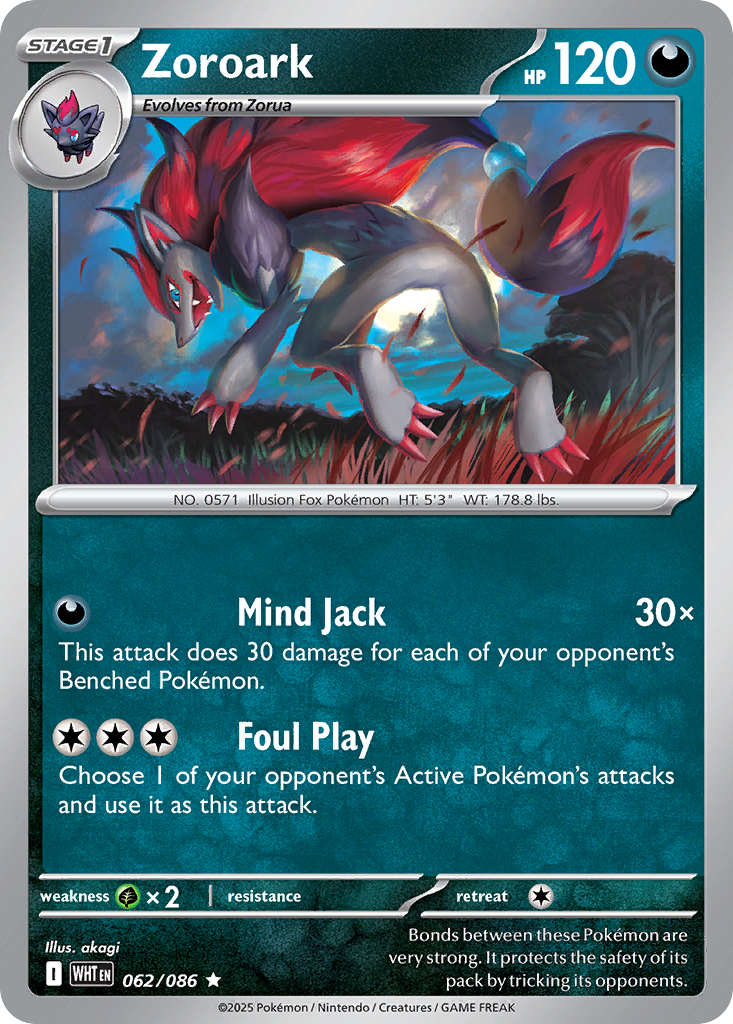
Facebook Marketplace works for Pokémon card sales through a straightforward peer-to-peer model where sellers list cards or collections directly to local...
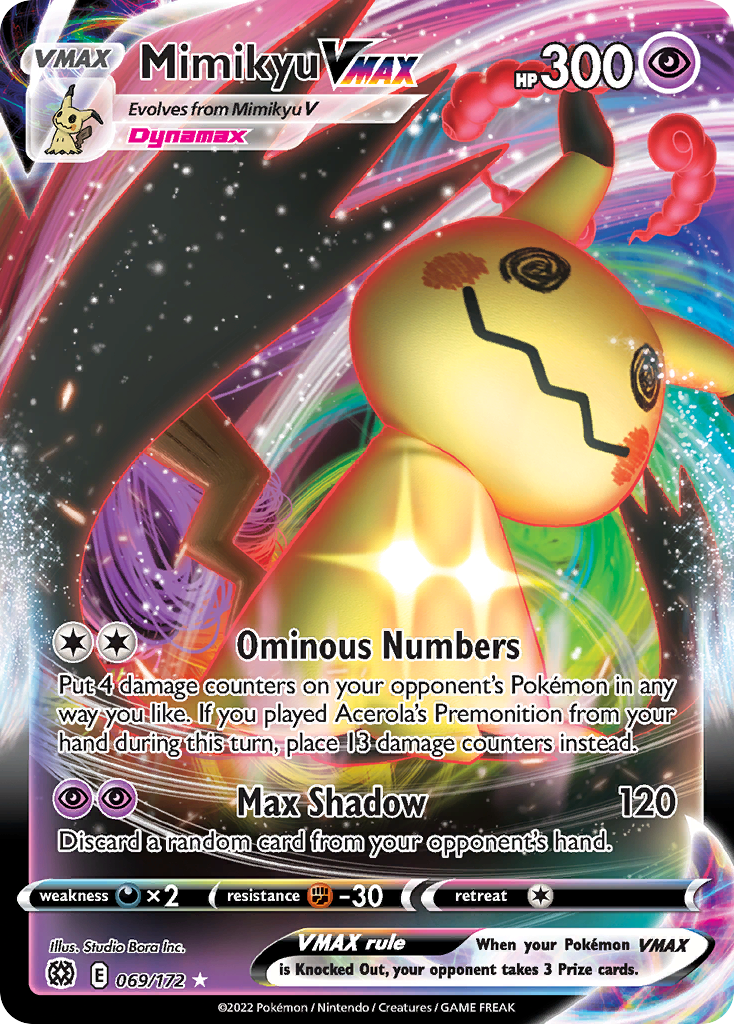
Card Synced and the price guide offer the lowest platform fees for Pokémon card sales in 2025, both charging zero seller fees and letting you keep 100% of...
TCGPlayer and eBay have significantly different fee structures that can substantially impact your profit margins when selling Pokémon cards.
When you ship Pokémon cards across international borders, you're dealing with tariffs, customs declarations, and regulations that vary significantly by...