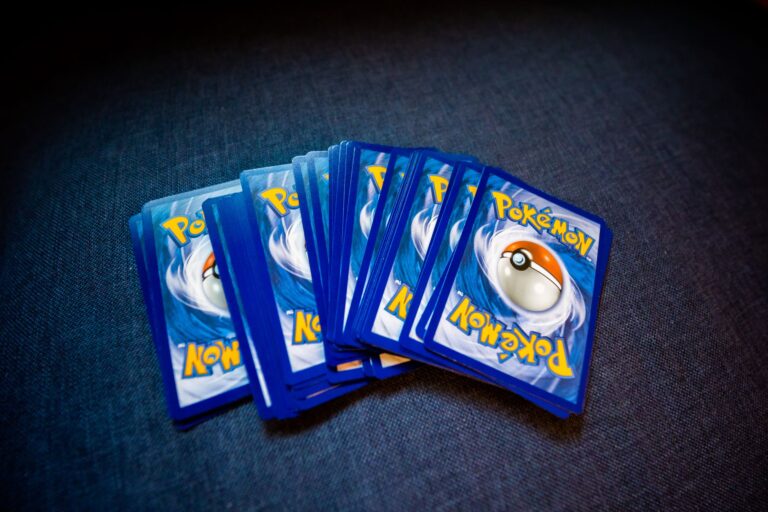
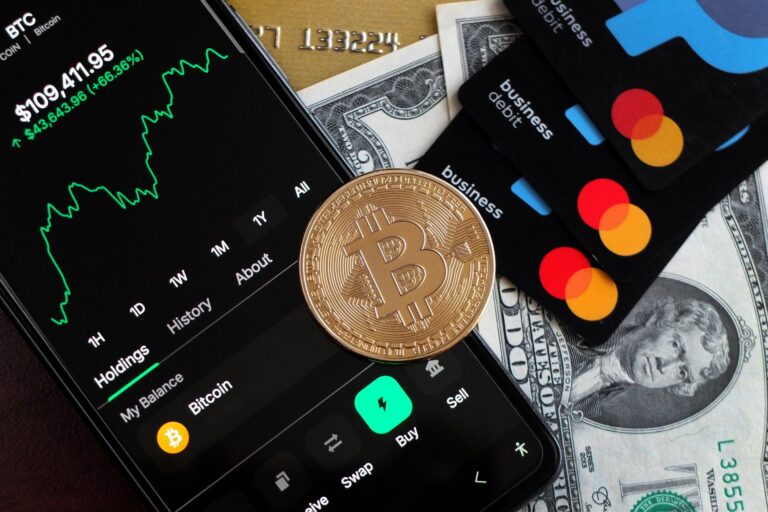
Yes, Pokémon Base Set cards are substantially overpriced due to childhood memories, but nostalgia alone doesn’t explain the full picture. A PSA 10 shadowless holographic Charizard sold for $550,000 in December 2025, a record that wouldn’t exist without the massive nostalgia wave among Millennials who grew up collecting these cards in the 1990s. However, that price is also driven by scarcity, celebrity influence, and the simple economics of supply and demand—factors that have amplified the nostalgic premium far beyond what it would be in isolation.
The Pokémon card market has grown 3,800% from 2004 to 2025, and while nostalgia is an explicit price driver, understanding whether that makes Base Set cards “overpriced” requires looking at the mechanics underneath. A raw, ungraded Near-Mint unlimited Base Set Charizard averages around $458 on TCGplayer, while shadowless and 1st-Edition versions command 2–10 times that amount. The gap between these prices reflects nostalgia’s influence, but it also reflects the reality that millions of cards were printed, and fewer than a handful exist in pristine condition. This is a nuanced market where nostalgia, rarity, and financial speculation have created a feedback loop that continues to push prices higher.
Table of Contents
- How Much of Base Set Pricing is Nostalgia-Driven?
- The Real Economics Behind Record Prices
- Celebrity Influence and FOMO in the Collector Market
- How to Distinguish Between Investment Value and Nostalgic Premium
- The Bimodal Market: Why Some Cards Soar While Others Sink
- The 2026 Anniversary Effect and the Millennial Spending Surge
- Are Base Set Cards Still a Good Investment?
- Conclusion
How Much of Base Set Pricing is Nostalgia-Driven?
Nostalgia is unquestionably a major driver of Base Set prices, but it works in concert with other forces. Millennials who collected pokémon in the 1990s now have disposable income and are re-entering the hobby, creating demand that didn’t exist twenty years ago. Research confirms that nostalgia explicitly drives a significant portion of Base Set pricing, and as time passes, fewer mint-condition copies exist, reducing supply further. This is a textbook example of how scarcity combined with emotional attachment creates market premiums that purely rational investors might consider inflated.
However, nostalgia alone doesn’t explain a $550,000 Charizard. The same card graded PSA 9 instead of PSA 10 might sell for $100,000–$200,000, a dramatic drop for what appears to be a minor condition difference. That gap reflects not just nostalgia but speculation, celebrity interest, and auction momentum. If Base Set cards were priced purely on nostalgia, you’d expect more stable valuations across the entire set; instead, you see extreme concentration at the top—the most iconic cards, in the best grades, with the rarest print runs, commanding prices that far exceed what casual nostalgia spending would support.
The Real Economics Behind Record Prices
The record-breaking prices for Base Set cards are less about nostalgia and more about the convergence of constrained supply, explosive demand, and celebrity-driven market attention. Pokémon card prices soared 170 percent in recent years, a surge that coincided with major YouTube personalities and celebrities publicly collecting and opening vintage booster boxes. Logan Paul, MrBeast, Randolph, and content creators like Leonhart have demonstrably moved prices through their high-profile purchases and booster openings that cascade demand throughout the market.
This creates a critical risk: the market mirrors the Beanie Baby boom of the 1990s, which faded rapidly once the speculative fervor ended. While nostalgia may be durable—people who grew up with Pokémon likely won’t stop valuing those cards anytime soon—speculative demand built on celebrity attention and FOMO is inherently fragile. If influencers move on to another collectible, or if the cultural novelty of expensive Pokémon cards wears off, prices could correct sharply. A Base Set Charizard at $550,000 relies on a continuous stream of new wealthy buyers willing to pay record prices, which is not a reliable long-term assumption.
Celebrity Influence and FOMO in the Collector Market
Celebrity involvement has functionally transformed Pokémon card pricing from a nostalgic niche market into a speculative asset class. When Logan Paul opens a $1 million vintage booster box on YouTube, millions of viewers suddenly view Base Set cards as potential investments rather than childhood memories. This amplifies prices not by a small percentage but by multiples, because it signals to affluent collectors and speculators that these cards are scarce, prestigious, and likely to appreciate further.
The October 10, 2025 purchase of 47 Machamp cards in a single day by a speculator explicitly betting on the Pokémon franchise’s 30th anniversary in 2026 illustrates the mechanism at work. These cards are valuable to a nostalgic collector at $10–$50 each, but a speculator is willing to buy in bulk at those prices because they expect the 30th anniversary effect to drive demand higher. This speculative layer sits on top of nostalgic demand and makes it harder to distinguish “actual value” from “temporary bubble pricing.” When the anniversary effect plateaus or passes, those 47 Machamp cards may be significantly harder to move at the same prices.

How to Distinguish Between Investment Value and Nostalgic Premium
For a collector trying to decide whether to buy, the critical question is whether you’re paying for a card you’ll personally enjoy and hold for decades, or whether you’re paying for an asset you expect to flip for profit. A Base Set Charizard will always be iconic and valuable to nostalgic collectors, but the difference between a $500 card and a $5,000 card is increasingly speculative positioning rather than intrinsic value. Raw, ungraded near-mint cards remain relatively stable at $300–$500 depending on edition, while the same card graded as PSA 9 or PSA 10 can reach tens of thousands of dollars—that gap is almost entirely driven by speculation and auction momentum, not by nostalgia.
The tradeoff is straightforward: if you’re a collector buying cards you love, don’t overpay for ultra-high grades or invest in cards hoping to flip them. If you’re treating Base Set cards as an alternative investment, understand that you’re betting on continued celebrity attention and new wealthy entrants, not on durable nostalgia. The market is explicitly bimodal—the top 5% of cards (graded vintage, scarce print runs) continue climbing in value, while the middle 60% (modern cards, recent sets) are in active correction. Base Set cards remain in the premium tier, but that doesn’t guarantee returns.
The Bimodal Market: Why Some Cards Soar While Others Sink
The Pokémon card market is not a single market but two entirely different markets operating simultaneously. High-grade vintage cards from Base Set, particularly shadowless and 1st-Edition versions, trade in an exclusive auction environment where price increases seem relentless. Meanwhile, modern Pokémon cards printed in bulk—including many from 2024 and 2025—are in a correction phase as oversupply meets softening demand from casual buyers. The Pokémon Company printed 10.2 billion cards in 2025, with production continuing into 2026.
The vast majority of these cards will never appreciate significantly in value; they will serve their purpose as trading and playing cards, then eventually be discarded or resold at marginal losses. Base Set cards are valuable specifically because so few mint-condition copies survive, not because they’re intrinsically more fun to collect. This scarcity is durable, but it doesn’t apply to most of the cards being printed today. A collector chasing quick profits by buying recent bulk releases is almost certainly going to lose money, while a collector holding a pristine Base Set Charizard is likely protected by genuine scarcity and enduring nostalgia.

The 2026 Anniversary Effect and the Millennial Spending Surge
The Pokémon franchise celebrates its 30th anniversary in 2026, a milestone that is expected to drive Base Set prices even higher as nostalgia spending reaches peak intensity. The market has already begun pricing in this effect—the October 2025 Machamp bulk purchase is an explicit bet that 30th anniversary hype will drive demand and prices upward. Millennials, now in their 30s and 40s, have accumulated wealth and are deploying it on the cards they loved as children, creating a sustained demand wave that shows no signs of abating.
However, 30th anniversary booms are temporary. The anniversary year will peak, media attention will fade, and new generations of younger collectors entering the hobby are far less invested in Base Set cards than Millennials are. A speculator buying Base Set cards in 2026 betting on continued appreciation is essentially betting that nostalgia spending remains at peak levels indefinitely, which historical precedent suggests is unlikely. A collector buying for personal enjoyment, on the other hand, may be buying near the top of a hype cycle and could face stagnant or negative returns if selling a few years from now.
Are Base Set Cards Still a Good Investment?
Base Set cards are a good long-term hold if you’re a genuine collector who values the nostalgia and doesn’t need to sell quickly, but they’re a risky speculative bet if you’re trying to time a market peak. The 170 percent price increases of recent years are unlikely to be replicated in the next five years, simply because the baseline is already elevated. A card that sold for $10,000 in 2022 and $50,000 in 2025 may only reach $75,000 by 2030, a much slower appreciation rate than what early Millennials buyers experienced.
The forward-looking insight is clear: Base Set cards have substantial intrinsic value because they’re genuinely scarce, culturally iconic, and backed by a large generation willing to hold them forever. But they’re also at a peak of media attention and speculative fervor. If you’re considering a major purchase, ask yourself whether you’re buying for nostalgia and emotional satisfaction, or whether you’re chasing returns. The first rationale stands up to scrutiny; the second is betting on continued celebrity attention and a sustained wave of new wealthy buyers, which is the exact pattern that preceded the Beanie Baby collapse.
Conclusion
Pokémon Base Set cards are overpriced due to childhood memories, but framing the entire premium as “overpriced” misses the complexity of the market. Nostalgia is real and durable for Millennials, scarcity is genuine because millions of cards have been destroyed or degraded over three decades, and celebrity influence has amplified the market in measurable ways. The $550,000 Charizard is not purely a nostalgia play—it’s a convergence of extreme rarity, speculative investment, and a generation willing to spend significant sums on childhood memories.
The critical distinction for collectors is whether they’re buying cards they’ll hold and enjoy indefinitely, or whether they’re speculating on continued price appreciation. The first category is protected by durable nostalgia and genuine scarcity; the second is betting on a speculative fervor that mirrors historical bubbles like Beanie Babies. If you’re collecting Base Set cards, buy what you love and can afford to hold long-term, and be skeptical of ultra-high grades and record-breaking auction prices as reliable indicators of future value.