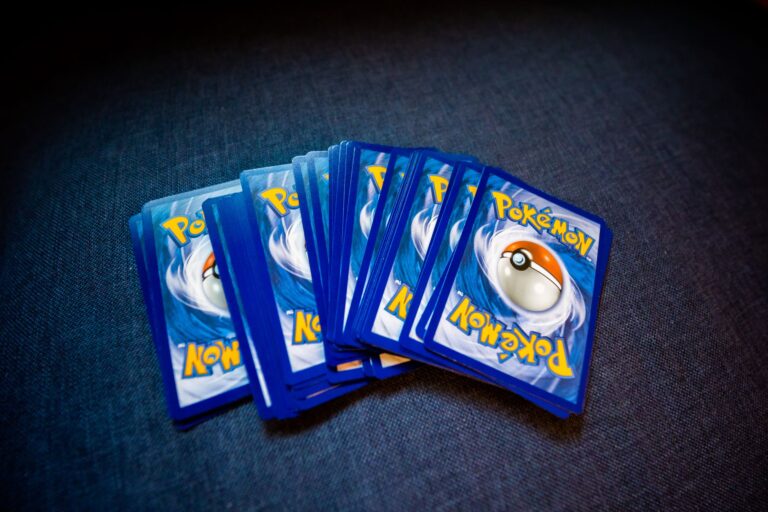
Yes, Pokémon cards will almost certainly matter to future generations. The evidence is remarkably clear: the market is growing, investment performance vastly outpaces traditional assets, and each new generation discovers Pokémon through games, shows, and cultural momentum. A Japanese Charizard Base Set holographic card worth $3,000 in 2015 sold for over $200,000 in 2022. That kind of value trajectory doesn’t happen in a vacuum—it reflects genuine, sustained demand from people who want these cards and believe in their worth.
The broader numbers tell the story. The trading card market reached $21.4 billion in 2024 and is projected to hit $58.2 billion by 2034. Physical trading card games specifically will grow from $7 billion in 2025 to $13.5 billion by 2035. These aren’t niche predictions. These are market analysts recognizing that Pokémon cards, along with other collectibles, have moved from a childhood hobby into legitimate asset territory that attracts institutional investors, collectors, and speculators alike.
Table of Contents
- How Have Pokémon Cards Performed as an Investment?
- Why Vintage Cards Matter More Than Modern Ones
- Will New Generations Keep Pokémon Cards Relevant?
- How Should Collectors Navigate the Market Today?
- What Are the Real Risks and Common Mistakes?
- The 2026 Pokémon 30th Anniversary Inflection Point
- Looking Forward: Will Pokémon Cards Matter in 2035?
- Conclusion
How Have Pokémon Cards Performed as an Investment?
Since 2004, pokémon cards have delivered a 3,821% value increase—a figure that dwarfs the S&P 500’s 483% return over the same period. The PWCC Top 500 Index of trading cards shows a 94% higher 10-year return than the stock market. These numbers matter because they signal that Pokémon cards aren’t just sentimental objects; they’re performing assets that serious investors have recognized as alternatives to traditional portfolios. Recent trends reinforce this momentum. In 2026 alone, average Pokémon cards are rising 46% year-over-year, with chase cards—the rare and sought-after ones—seeing gains of 200-500%.
Japanese booster packs increased from ¥180 to ¥200 in May 2026, and booster boxes jumped from ¥5,400 to ¥6,000, an 11.1% price hike that signals manufacturer confidence in sustained demand. Investment funds now actively include Pokémon cards in their portfolios, treating them as an alternative asset class alongside fine art and classic cars. However, here’s the critical caveat: not all cards appreciate equally. Modern “hyped” cards—the ones everyone rushes to buy when they’re released—often lose 40-60% of their value within six months. The money chasing these releases is speculative, and when enthusiasm cools, so does the market. Vintage cards, particularly graded copies from the Neo-era (1999-2002), are the true performers because those sealed populations are tiny and unlikely to grow.

Why Vintage Cards Matter More Than Modern Ones
The reason neo-era vintage holographic cards are the fastest-growing segment comes down to scarcity and PSA populations. A card graded PSA 10 (gem mint) from the 1999-2002 era exists in vanishingly small numbers. Fewer than 1,000 copies of certain vintage holos have ever been graded at the highest levels, and the supply is fixed forever—you cannot print more 1999 Base Set cards. This hard scarcity creates real value that transcends market sentiment. Modern cards, by contrast, exist in millions of copies.
Pokémon prints billions of cards annually to meet global demand. Even the “rarest” modern card will eventually face competition from reprints, new versions, or simply the passage of time and changing player preferences. A card worth $500 today might be worth $150 in 2031 because kids in 2040 prefer whatever Pokémon expansion is current at that moment, not a set from fifteen years prior. This is the limitation future collectors will grapple with: the sheer volume of modern production. Unless you’re securing multiple PSA 10 graded copies of genuinely rare modern cards—which themselves cost thousands of dollars—your modern collection will likely depreciate. Buying bulk modern singles hoping for future appreciation is a gamble that historically favors the patient vintage collector over the enthusiastic modern hype chaser.
Will New Generations Keep Pokémon Cards Relevant?
Yes, but in different ways. The current collector base grew up with Pokémon in the 1990s and 2000s; nostalgia drives much of today’s market. However, Pokémon remains culturally dominant in ways that transcend age groups. The Pokémon Company just marked the franchise’s 30th anniversary in 2026, with new games, shows, and card releases keeping the intellectual property visible to children and new players. Kids born after 2010 are discovering Pokémon through Pokémon Go, the newest video games, and streaming content. Many of them view card collecting as a fun, tangible way to engage with a hobby their friends enjoy.
This ensures a pipeline of new collectors entering the market, which supports both modern card sales and, eventually, future demand for cards they collected as children. Generational overlap matters—older collectors buying vintage while younger collectors buy modern creates a two-tiered market that sustains itself. The risk is that tastes change. If Pokémon cultural relevance declines significantly, younger generations might prefer digital trading or entirely different collectibles. This hasn’t happened yet, but it’s not impossible. Pokémon has survived multiple boom-and-bust cycles since its 1996 debut, always managing to reinvent itself. Whether that streak continues depends on factors largely outside any individual collector’s control: the quality of future games, the appeal of the anime, and the Pokémon Company’s ability to market the franchise successfully.

How Should Collectors Navigate the Market Today?
If you believe Pokémon cards will matter to future generations—which the data supports—your collection strategy should reflect that conviction. Collectors chasing modern hype should do so with money they can afford to lose, because the 40-60% depreciation on hyped modern cards is real and predictable. Instead, focus on vintage sealed products if you have the capital. Vintage booster boxes and sealed products have surged 15-25% recently because sophisticated collectors understand what appreciates. For budget-conscious collectors, buying unlimited vintage singles in lower grades (PSA 7-8) offers better value than buying modern cards at all. A PSA 8 vintage card that’s 20-25 years old has already survived the speculative phase and proven its staying power.
Modern singles below grade PSA 9 rarely hold value appreciably, but old cards in modest condition have nowhere to go but up as they become scarcer with age. The tradeoff is accessibility and enjoyment. Vintage cards are expensive, sometimes thousands of dollars per card. Modern cards let you build a collection on a modest budget and enjoy the hobby without financial pressure. Neither approach is “wrong,” but they require different time horizons and expectations. If you’re collecting for 10+ year appreciation, treat it like an investment and focus on vintage and sealed modern boxes. If you’re collecting for enjoyment, modern cards deliver that without the financial risk.
What Are the Real Risks and Common Mistakes?
Grading fraud and counterfeit cards remain persistent threats. As valuable cards become more valuable, the incentive to manufacture or alter fakes increases. Buying from untrusted sources—especially international sellers on marketplace platforms—means risking counterfeit products. This is particularly dangerous with expensive vintage cards, where a single purchase decision could result in losing thousands to a fake. Always buy from established dealers, auction houses, or grading companies directly. The second major risk is liquidity. Pokémon cards are reasonably liquid compared to other collectibles, but selling a large collection quickly requires either accepting below-market prices or waiting for the right buyer.
If you’re treating cards as an emergency fund, you’ll be disappointed. Market corrections happen. In 2023-2024, some market segments cooled considerably, and collectors who bought at 2021 peak prices took significant losses. The long-term trend is positive, but “long-term” means five to ten years minimum, not months. A final limitation worth acknowledging: psychological attachment can cloud investment judgment. You might hold a card you love beyond the point it makes financial sense, or you might sell a card too early because you need the money. Separate your emotional collection—cards you enjoy—from your investment portfolio. Keep separate slabs for each purpose, or at minimum, be honest about which cards you’re holding for appreciation versus nostalgia.
The 2026 Pokémon 30th Anniversary Inflection Point
The Pokémon franchise reaching its 30th anniversary in 2026 is more than a marketing moment; it’s a cultural confirmation that Pokémon has staying power. The Game Informer reveals that the Pokémon Company is releasing special sets and events tied to this milestone, signaling continued franchise investment. Markets don’t celebrate anniversaries of dying properties; they celebrate properties moving into institutional acceptance.
This anniversary is bringing new collectors in and reminding lapsed collectors why they loved Pokémon as children. The market has settled into a steady rhythm, with sustained nostalgia and cultural relevance driving collector interest. This is actually healthy—the frenzied buying of 2020-2021 was unsustainable, but the stabilized market of 2025-2026 suggests more organic, generational demand.
Looking Forward: Will Pokémon Cards Matter in 2035?
The market data suggests strongly that they will. The trading card industry is projected to nearly triple in value over the next decade, and Pokémon holds the largest share. Rare vintage cards are unlikely to depreciate; they may appreciate further as populations age and sealed products become rarer. Modern cards purchased at reasonable prices from quality sets will likely hold value modestly, while hyped modern singles will continue the typical boom-and-bust cycle.
The real question is not whether Pokémon cards will matter, but whether they’ll matter the same way. Future generations might view cards primarily as investments rather than play items. The trading card game itself—the actual gameplay—has seen declining participation as people prefer digital Pokémon games. But collectibility can thrive independently of playability, as evidenced by vintage baseball cards that haven’t been played with in sixty years yet command high prices. Pokémon cards have transcended their original purpose, becoming collectibles and investments in their own right.
Conclusion
Pokémon cards will almost certainly matter to future generations because the fundamentals are sound: scarcity (especially vintage), cultural staying power, growing market demand, and institutional recognition as alternative assets. A collector starting today with a focus on vintage and sealed products is positioning themselves for likely appreciation, while modern collectors should understand the volatility they’re accepting and collect accordingly.
If you’re considering Pokémon cards as part of a long-term strategy, approach them as you would any alternative investment: research before buying, understand what you’re holding, avoid hype cycles, and separate emotional collecting from portfolio decisions. The market will likely reward patient collectors who buy quality vintage cards and hold them, while punishing those who chase modern hype hoping for quick returns. The data from the past two decades shows that Pokémon cards have matured from fad to asset class—and that trajectory suggests future generations will find them just as valuable, perhaps more so.