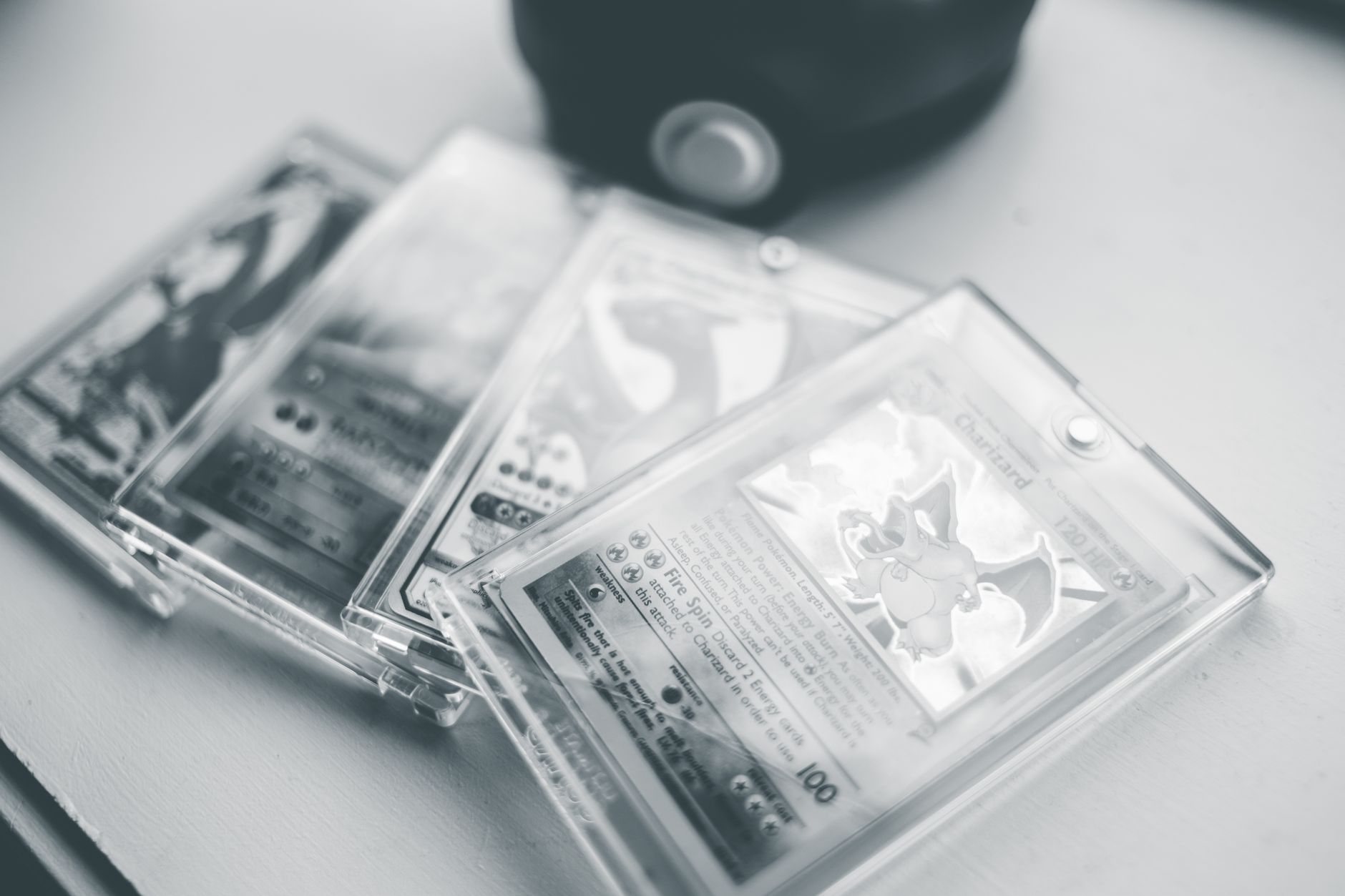
Grade Wizards of the Coast vintage holos, EX-era ultra-rares, and only select modern chase cards. Most other cards and ordinary modern pulls usually lose money after fees. Grading means a third-party service authenticates a card, assigns a 1-10 condition score, and seals it in a protective slab.
Vintage gains value from scarcity in high grade. Modern gains value only from a likely PSA 10 with a large raw-to-graded jump. A simple cost test separates the two groups before you pay and wait.
Table of Contents
- Why does vintage grade well even below mint?
- Which EX-era cards justify grading?
- When does modern grading pay?
- How should you decide and where should you send?
Why does vintage grade well even below mint?
Wizards-era holos from 1999-2003 remain worth grading even in PSA 7-9. According to BankTCG's true first-edition price guide, poor print quality keeps PSA 10 populations tiny and premiums extreme. That covers Base Set, Jungle, Fossil, Neo Genesis, Neo Destiny, and Skyridge. High-grade Neo cards can beat Base Set equivalents.
BankTCG notes Lugia from Neo Genesis at $80,000-$145,000 in PSA 10 and Shining Charizard from Neo Destiny at $25,000-$35,000. Exceptional PSA 10 rarity drives those prices. The ceiling is a 1st Edition Base Set Charizard. Heritage Auctions reported in its record Charizard sale announcement that a PSA 10 realized $550,000 with buyer's premium. That sale beat the prior $420,000 record and led a $5.27M event total.
Which EX-era cards justify grading?
EX-era ultra-rares reward clean copies with strong graded premiums. PokeCardWorth lists Gold Star Rayquaza from EX Deoxys at $25,000-plus in PSA 10. That card leads the generation for investment-grade submissions. Crystal cards and key Shining cards also qualify.
PokeCardWorth places Shining Charizard from Neo Destiny at $15,000-plus and flags Crystal Charizard from Skyridge. Condition is the filter because print lines and edge wear are common. Grade only sharp copies with clean holo, edges, and centering. Off-center, scratched, or whitened copies rarely cover grading cost and delay. Keep played copies raw or sell them ungraded.
When does modern grading pay?
Modern Sword and Shield and Scarlet and Violet chase cards pay only as likely PSA 10s. PreGradeCards shows Umbreon VMAX alternate art at about $1,790-$2,300 raw versus about $4,100-$4,700 in PSA 10. Small flaws erase that spread quickly. The multiplier matters more than raw price.
PokeInsider finds Pikachu illustration rare from Pokemon 151 jumping from about $34 raw to about $249 PSA 10, a 7.35x move. The same analysis puts Umbreon VMAX from about $1,400 to about $2,600, only 1.85x. Focus on alternate arts, illustration rares, and special illustration rares with perfect centering. Avoid grading modern cards where PSA 9 sells near or below raw. Select low-popular characters only when the PSA 10 multiple is clearly large.
How should you decide and where should you send?
Apply a cost test before submitting anything. Swaploom advises in its Pokemon grading cost guide to grade only cards worth about $50-$75-plus raw where PSA 10 sells for at least 2-3x raw. That rule must cover the $25-$65 PSA fee, shipping, and 45-95-day wait.
Service choice affects resale more for vintage than modern. Non-Sport Cards analysis gives PSA about 68% market share and recommends PSA for maximum liquidity. The same analysis says modern CGC 10s trade only 5-10% below PSA 10s, so CGC fits lower-cost modern submissions.
- Grade vintage holos and $200-plus investment cards through PSA for liquidity.
- Send clean modern bulk through CGC at about $12-$15 per card.
- Skip modern cards likely to earn PSA 9.
- Recheck sold PSA 10 and raw prices before every batch.
You Might Also Like
- Which Roaring Skies Pokemon Cards Are Worth Grading?
- Which Primal Clash Pokemon Cards Are Worth Grading?
- Which Plasma Blast Pokemon Cards Are Worth Grading?