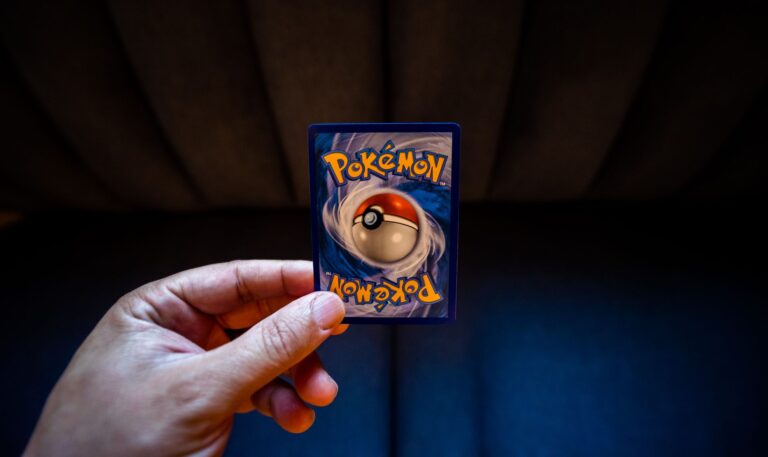
Scarlet Violet 151 refers to cards from the Scarlet and Violet expansion set that are numbered 151 or fall within that numbering system. These cards, particularly when printed with holographic or reverse holographic finishes, are sought after by collectors for their visual appeal and rarity variations.
For example, a holographic rare card from this set features a full-card holographic pattern that catches light across the entire card face, while a reverse holo version only applies the holographic effect to the card’s border and background, leaving the character artwork non-holographic. The distinction between holographic and reverse holographic cards is crucial for collectors because both versions typically exist for most cards in the set, yet they carry different collector appeal and market values. Scarlet and Violet 151 cards represent standard rare prints from one of the Pokémon Company’s major release sets, meaning they were produced in larger quantities than secret rare or special illustration versions, but remain popular due to their cleaner designs compared to earlier-generation holos.
Table of Contents
- What Makes Holographic and Reverse Holo Cards Different?
- Understanding the Scarlet & Violet Set Structure and Card Numbers
- Rarity Factors and Value Considerations for 151 Cards
- Identifying Authentic Versus Counterfeit Cards
- Condition, Grading, and Professional Assessment Concerns
- Proper Storage and Preservation Methods
- Market Dynamics and Pricing Reality for Modern Holos
What Makes Holographic and Reverse Holo Cards Different?
Holographic cards feature a reflective pattern that covers the entire card surface, creating a shimmering, three-dimensional effect when tilted under light. This finish was the standard for rare cards through many Pokémon TCG generations and remains highly collectible. The reverse holographic finish, introduced later in the TCG’s history, applies the holo effect only to the background and borders while keeping the Pokémon artwork in matte finish. This creates a distinctly different aesthetic that some collectors prefer because the artwork remains crisp and non-reflective.
most collectors and casual players have personal preferences between the two styles. A holographic Scarlet Violet 151 card might appeal to someone who values the classic vintage feel, while reverse holo versions attract collectors who prefer to see the character art without reflective interference. Both finishes are considered legitimate rare versions of the same card, but market demand often differs between them. In some cases, reverse holo versions sell for comparable or even slightly higher prices than their holographic counterparts, depending on the specific Pokémon depicted and current collector trends.
Understanding the Scarlet & Violet Set Structure and Card Numbers
The Scarlet and Violet expansion represents one of Pokémon’s modern TCG releases with a standard structure that includes commons, uncommons, rares, and secret rares beyond the main set number. The card numbered 151 in standard versions is a rare card that appeared in base Scarlet and Violet booster packs. However, collectors should know that the numbering can be deceptive—secret rares, special illustrations, and alternative art versions often exist beyond the standard 151-card count, which means you might encounter cards labeled as 152/102 or similar notations indicating they fall outside the base set.
A critical limitation to understand is that not every Pokémon or card type received both holographic and reverse holographic versions in equal distribution. Some cards were printed more frequently in one finish than another, affecting availability and pricing. Additionally, different print runs and regional releases sometimes show variation in holo pattern quality, card stock thickness, and finish saturation. A Scarlet Violet card purchased from a Japanese booster box may have a different holo appearance than the English version of the same card.
Rarity Factors and Value Considerations for 151 Cards
Several factors determine whether a Scarlet Violet 151 card holds collector value beyond its nominal rare status. First-edition or shadowless printings command premiums over unlimited printings, though Scarlet and Violet era cards rarely receive first-edition designation in the same way older sets did. The specific Pokémon depicted matters significantly—popular creatures like Pikachu, Charizard, or Rayquaza variants attract broader collector interest and tend to maintain higher prices than lesser-known Pokémon, even when cards possess identical rarity designations.
Condition grade is one of the most substantial value drivers. A Scarlet Violet 151 holographic card in gem mint condition (graded 9 or 10 by professional services like PSA or BGS) can sell for several times the price of the same card in near-mint (7) or lightly played (6) condition. Centering issues, surface wear, corner damage, and holo scratches all impact grade assessment. A warning for buyers: the secondary market for graded cards has seen significant volatility, with some older grades from early 2020s experiencing price corrections as the market matured and became more discerning about quality standards.
Identifying Authentic Versus Counterfeit Cards
Counterfeit Pokémon cards have become increasingly sophisticated, making authentication important before purchasing high-value Scarlet Violet 151 cards. Authentic cards feature crisp, clean printing with no visible dots or pixelation under magnification, while counterfeits often show blurry text edges and inconsistent color saturation. The holographic pattern itself should be uniform and smooth; counterfeit holos sometimes display obvious striations, uneven coverage, or a plasticky appearance unlike genuine Pokémon card holos.
Physical weight and card stock provide another comparison point. Genuine Pokémon TCG cards from the Scarlet and Violet era have consistent thickness and weight, while counterfeits frequently deviate from these standards. The card back should feature the correct Pokémon Company branding, copyright text, and barcode—counterfeiters often make subtle errors in these elements. Purchasing from established retailers, graded cards, or reputable secondary market sellers significantly reduces the risk of acquiring counterfeits compared to buying from unknown sources or non-English sellers offering unusually low prices.
Condition, Grading, and Professional Assessment Concerns
Professional grading through services like PSA, Beckett, or CGC provides authentication and condition assessment but comes with trade-offs. The grading process adds cost (typically $20–$100+ per card depending on service and turnaround speed) and locks cards into protective slabs, preventing casual handling or display in binders. Some collectors prefer this approach for high-value cards; others argue that it removes the tactile collecting experience and that prices for graded modern cards like Scarlet Violet 151 may not justify the grading cost.
A significant limitation exists in grading consistency across services and time periods. Cards graded as a 9 by one service might receive an 8 from another, and grading standards have tightened in recent years, meaning older grades are sometimes considered inflated by current standards. For Scarlet Violet 151 cards still in the collecting phase (less than 5–10 years old), many collectors store raw cards in archival sleeves and top loaders without professional grading, reserving grading for only the most exceptional pulls or vintage cards with genuine rarity value.
Proper Storage and Preservation Methods
Holographic cards are particularly vulnerable to environmental damage because the reflective coating can scratch, peel, or fade under improper conditions. Storing Scarlet Violet 151 holo cards in archival-quality sleeves (not standard plastic sleeves, which contain PVC and degrade over time) is essential for long-term preservation. Placing sleeved cards in top loaders or rigid holders prevents bending, and storing these in a cool, dry location away from direct sunlight, humidity fluctuations, and temperature extremes will help retain the card’s appearance over years.
Reverse holo cards, while still vulnerable, are somewhat more forgiving of minor handling because the artwork itself isn’t reflective. However, both finishes should be kept away from moisture, as water damage can cause holo peeling, ink bleeding, and mold growth. Many collectors store their Scarlet Violet 151 cards in sealed storage boxes with desiccant packets to control humidity, particularly in climates with significant seasonal variation.
Market Dynamics and Pricing Reality for Modern Holos
Scarlet Violet 151 holographic and reverse holo cards exist in a market segment where prices are substantially lower than secret rares, special illustrations, or vintage rare cards from earlier generations. A standard holographic rare from this set typically sells for $5–$25 raw depending on the Pokémon and condition, with common Pokémon often closer to the lower end of that range. This reflects the set’s print volume and the abundance of these cards in the secondary market—they are accessible to collectors rather than exclusive or highly scarce.
Pricing for these cards has generally stabilized compared to the speculative peaks seen during the 2020–2021 Pokémon TCG boom. Collectors seeking Scarlet Violet 151 cards today can often acquire them at reasonable prices, making them good entry points for newer collectors or affordable additions to collections. The holographic version typically maintains slight price premiums over reverse holo versions, though this relationship varies by specific card and market conditions.