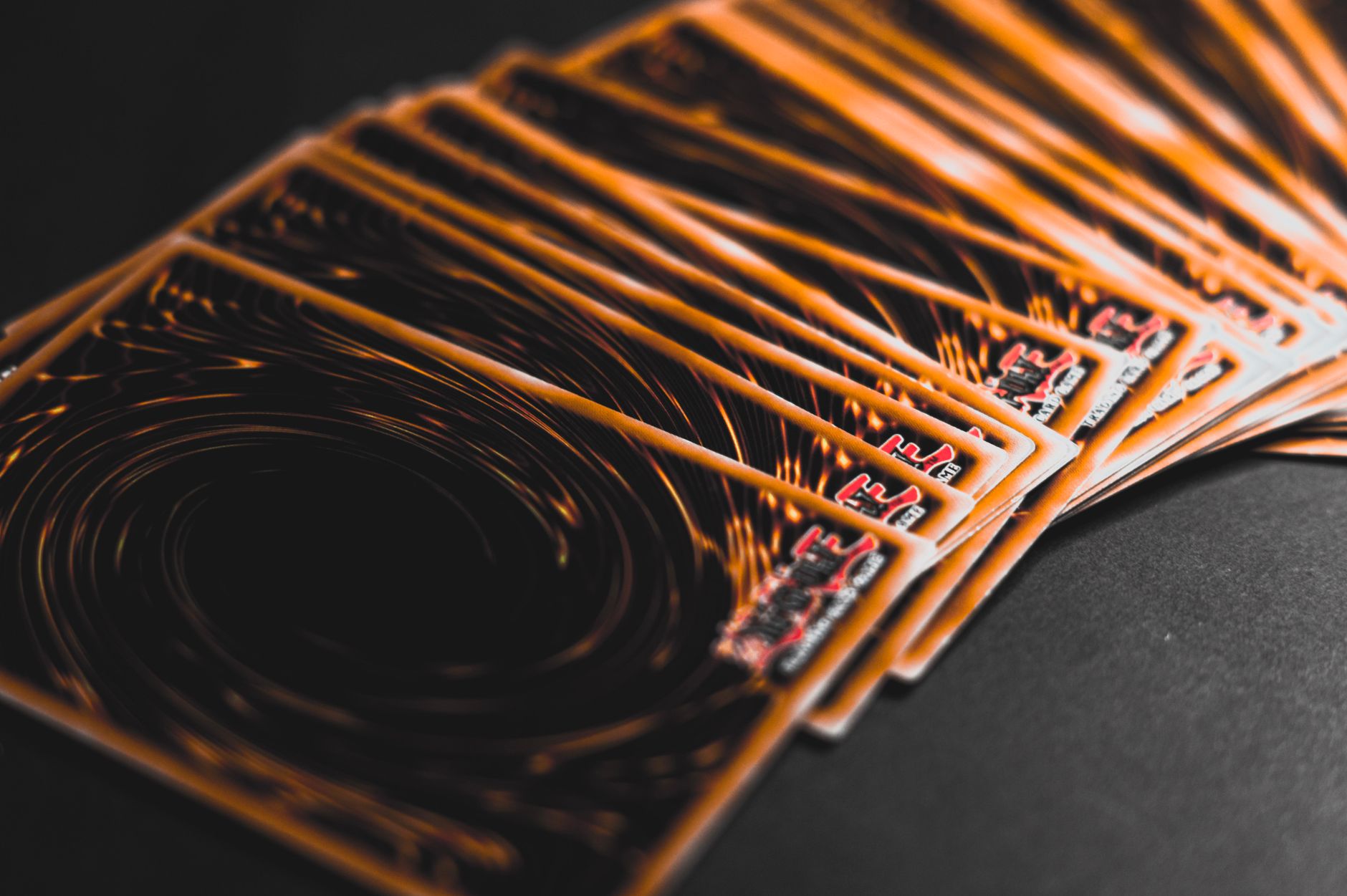
The most valuable Japanese Abyss Eye Pokemon cards are dominated by the Mega Darkrai ex #118 in Mega Ultra Rare condition, trading at approximately 178,000 JPY ($1,132 USD), with graded PSA 10 copies reaching $5,000 or more. The Darkrai Special Illustration Rare illustrated by AKIRA EGAWA follows as the second-most valuable at 79,800 JPY ($508 USD), establishing the set’s clear hierarchy of worth driven primarily by rarity, artwork quality, and finish effects.
Released exclusively in Japan on May 22, 2026, the Abyss Eye set contains 118 cards across multiple rarity tiers, with elevated post-release pricing that typically declines as market saturation increases over time. The Abyss Eye set represents the M5 MEGA Series in the Japanese Pokemon Trading Card Game and has proven one of the year’s most pursued releases among Western collectors seeking Japanese exclusives. Understanding which cards hold genuine value versus hype-driven pricing requires distinguishing between the genuine chase cards and the broader competitive field of 37 premium rarity cards across Mega Ultra Rare, Special Art Rare, Special Illustration Rare, and Illustration Rare categories.
Table of Contents
- What Makes Abyss Eye’s Most Valuable Cards Worth Collecting?
- Understanding the Abyss Eye Rarity Hierarchy and Price Tiers
- Special Illustration Rares and Artist-Attributed Premiums
- Market Dynamics and Japanese-Exclusive Scarcity Premiums
- Grading, Authenticity, and Condition Concerns in Modern Japanese Releases
- Sourcing Strategies and Acquisition Channels
- The Abyss Eye Set’s Position in Long-Term Pokemon Card Collecting Trends
What Makes Abyss Eye’s Most Valuable Cards Worth Collecting?
The Mega Darkrai ex #118 stands as the undisputed chase card of the set due to its all-gold etched Mega Ultra Rare finish and extremely low pull rate from booster boxes. This card’s $1,132 baseline value reflects not merely collector demand but the statistical scarcity inherent in the Mega Ultra Rare rarity class, which appears at rates comparable to vintage holographic rares from early pokemon tcg sets. The distinction between raw copies (trading at ~178,000 JPY) and professionally graded PSA 10 specimens ($5,000+) illustrates the significant premiums that condition grading commands in the current market, particularly for modern Japanese releases where mint-condition copies remain relatively scarce.
Artist-illustrated cards create a separate value tier independent of raw rarity designation. The Darkrai Special Illustration Rare by AKIRA EGAWA demonstrates how artist recognition and illustration quality drive secondary market pricing to levels ($508 USD) that exceed many technically rarer base cards. This pattern suggests that collector value perception balances rarity mechanics against aesthetic and artist-attributed factors, a dynamic that shifts as individual collector preferences evolve and artist recognition grows within the hobby community.
Understanding the Abyss Eye Rarity Hierarchy and Price Tiers
The Abyss Eye set’s 37 premium rarity cards distributed across five tiers—Mega Ultra Rare, Special Art Rare, Special Illustration Rare, Illustration Rare, and Double Rare—create a complex valuation landscape where officially assigned rarity does not correlate directly with collector market value. The Slowbro Illustration Rare, for example, trades at approximately 2,500 JPY ($16 USD) despite being the top-ranked Illustration Rare by collector preference on community aggregators, demonstrating that collector sentiment occasionally diverges from rarity class economics. A critical warning for buyers: post-release pricing from May through July 2026 exhibits inflated values that historically contract as supply increases and initial acquisition urgency diminishes.
Cards trading at $500+ today frequently settle into $200-300 ranges within six months as booster box availability normalizes and duplicate pulls enter the secondary market. The Mega Zeraora ex, listed among the set’s most valuable variants by multiple price guides, lacks the definitive price transparency of the Darkrai cards, suggesting either lower trading volume or greater condition variance affecting comparable sales. Collectors should treat May-July 2026 prices as ceiling valuations rather than long-term equilibrium prices.
Special Illustration Rares and Artist-Attributed Premiums
Special Illustration Rare cards occupy a distinct market segment where artist identity and illustration quality supersede raw rarity in determining collector value. The AKIRA EGAWA-illustrated Darkrai SAR exemplifies this dynamic, commanding $508 USD—more than 40 percent of the Mega Darkrai ex’s base value despite being technically less rare in pull rates.
This pricing pattern reflects the Pokemon card hobby’s increasing focus on aesthetic merit and artist reputation as factors in long-term collectibility, alongside the traditional rarity-driven valuation model. Collectors pursuing Special Illustration Rares should expect artist-attributed cards to retain value more consistently than general premium cards, as artist recognition creates a stable demand constituency independent of broader market trends. However, the condition sensitivity of illustrated cards exceeds that of holographic rares: light wear, centering issues, or surface scratches devalue SAR copies disproportionately since collectors acquiring these cards prioritize visual perfection as a core acquisition criterion.
Market Dynamics and Japanese-Exclusive Scarcity Premiums
The Japanese-exclusive release status of Abyss Eye creates deliberate scarcity for Western collectors accessing the set exclusively through secondary Japanese market channels, import retailers, or international shipping from domestic Japanese sellers. This geographical constraint systematically elevates prices above what equivalent rarity cards achieve in widely-distributed English releases, with the Mega Darkrai ex commanding approximately double the secondary market value it would achieve in an international release scenario.
Buyers evaluating whether to pursue Japanese exclusives must weigh the acquisition premium against the likelihood of eventual English-language release or reprinting, which historically erodes exclusivity value. Supply data from May-July 2026 indicates that Japanese retailers maintained reasonable stock levels through June before July supply contractions coincided with secondary market price stabilization around the $1,100-$1,200 range for Mega Darkrai ex raw copies. Collectors attempting to time entry points into Abyss Eye should recognize that July 2026 prices likely represent transition points toward secondary-market equilibrium rather than sustainable floor valuations, particularly for cards not achieving professional grading validation.
Grading, Authenticity, and Condition Concerns in Modern Japanese Releases
The $5,000+ valuations attributed to PSA 10 Mega Darkrai ex copies create economic incentive for counterfeit production targeting the premium graded market segment, and Japanese production samples sometimes display printing variations or finishes that complicate authentication relative to earlier English-release holographic rares. Buyers pursuing high-value cards should prioritize PSA or BGS-graded copies over raw acquisitions, accepting the grading fees and turnaround time as insurance against counterfeits and condition misrepresentation.
The current secondary market for raw Mega Darkrai ex copies lacks standardized condition reporting, meaning individual purchases carry significant transparency risk. Beware of sellers claiming mint or near-mint condition for cards purchased directly from booster boxes without grading submission, as condition perception varies substantially among individual traders and production inconsistencies in modern Japanese printing create cards with inherent centering or surface irregularities even when opened fresh from sealed product. Professional grading reduces this ambiguity but introduces 3-4 week processing delays and $50-100 fee premiums per card that materially affect acquisition cost-benefit calculations for sub-$500 acquisitions.
Sourcing Strategies and Acquisition Channels
Western collectors acquiring Abyss Eye cards typically source through three channels: direct Japanese booster box purchases via import retailers (highest cost per card, highest pull rate variance), secondary market purchases from Japanese marketplace aggregators like Mercari-JP or Yahoo Auctions (lowest price transparency, highest authentication risk), or specialized Pokemon price guide websites and trading platforms that aggregate Japanese seller listings. The Gwynn card valued at 15,800 JPY ($101 USD) and Slowbro Illustration Rare at 2,500 JPY ($16 USD) demonstrate that mid-tier valued cards remain accessible without booster-box-scale investment, making targeted secondary market purchases an economically efficient strategy for completing sets beyond the chase cards.
Price guides from SNKRDUNK Magazine, PokeBeach, Card Gamer, and TCGPlayer M5 sections aggregate Japanese market data and provide reference pricing, though individual listing prices frequently exceed these benchmarks by 10-25 percent during peak demand periods. Collectors should cross-reference multiple sources rather than relying on single price guide valuations, as Japanese marketplace pricing fragments across dozens of regional sellers with varying shipping costs, authentication standards, and grading practices.
The Abyss Eye Set’s Position in Long-Term Pokemon Card Collecting Trends
The Abyss Eye set’s artistic direction and Special Illustration Rare emphasis align with broader hobby trends prioritizing illustration aesthetics and artist collaboration over mechanical gameplay considerations, positioning the set as a potential long-term collectibility anchor despite its current elevated post-release pricing. The reported 118-card set composition (81 base numbers plus 37 premium rarity cards) reflects modern Japanese Pokemon TCG set design emphasizing premium rarity proliferation, meaning collectors seeking complete sets require substantially higher acquisition investment than equivalent English releases with fewer total distinct cards.
The May 2026 release date positions Abyss Eye within the established Japanese release calendar, suggesting regular reprinting cycles and additional variant versions may occur within 12-18 months as the Pokemon Company expands set accessibility. Collectors acquiring cards in July 2026 should anticipate potential value adjustments if reprints or variant releases introduce additional supply channels, particularly for the Mega Darkrai ex and Darkrai SAR which command the highest current valuations and therefore face the greatest reprinting candidacy from a business economics perspective.
- —
You Might Also Like
- Premium Graded Pokemon and Magic Trading Cards Hit Record Valuations in July
- Pokemon Unite Exits 2027 Competitive Circuit: Japan Tournament Becomes Standalone Event
- Ungraded Holographic Pokemon Cards From Vintage Japanese Sets Now Available for Collectors