
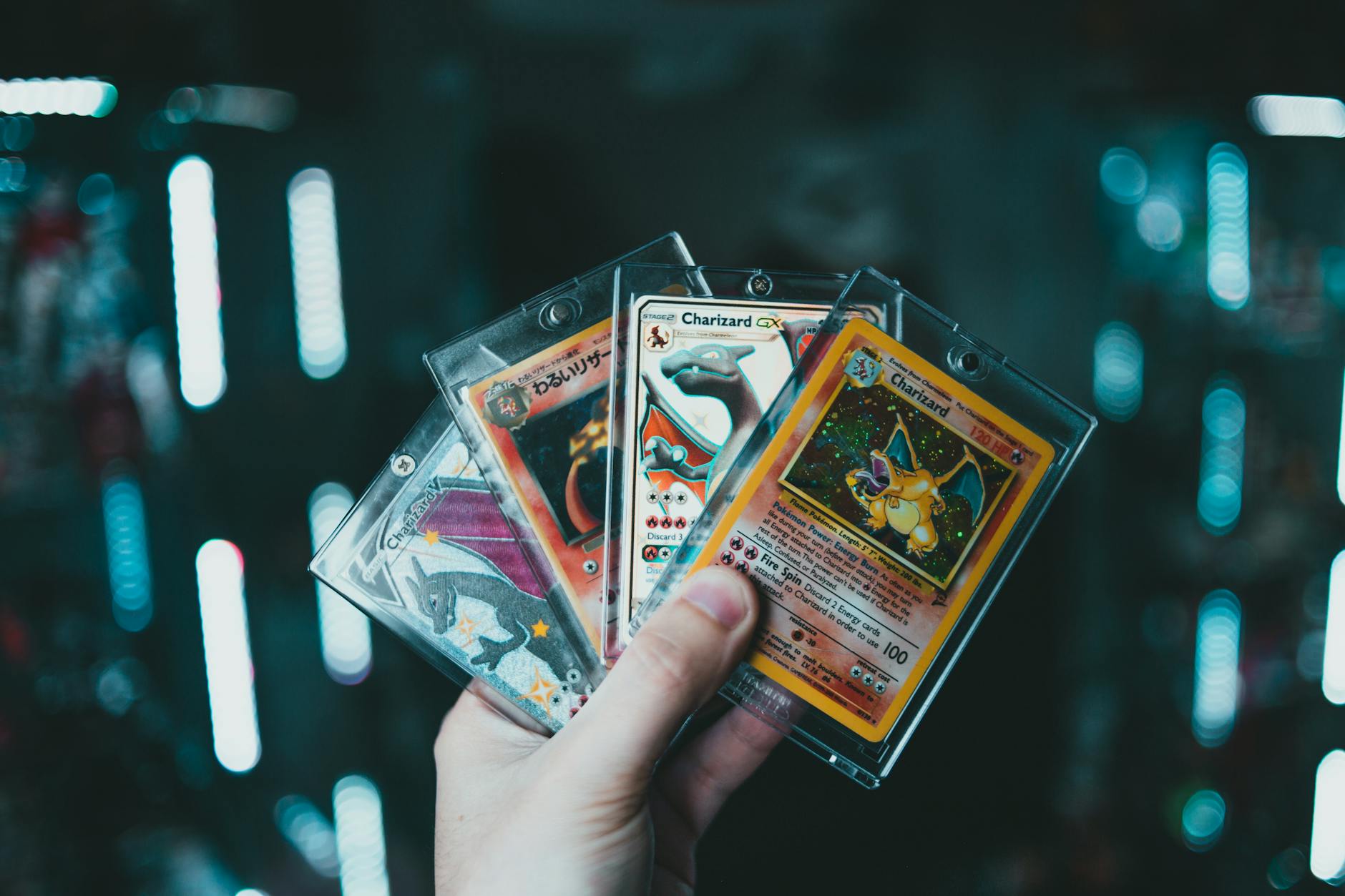
Yes, English collectors absolutely should pay attention to Japanese Pokémon promos, especially if they’re serious about completionism or investment potential. Japanese promos often feature different artwork, packaging, and release schedules than their English counterparts, creating distinct collecting opportunities that can enhance a collection in ways English cards alone cannot. A prime example is the Japanese Shiny Star V promo cards released in 2021, which featured gold foil treatments and alternate art not available in English releases, making them sought after by collectors worldwide despite the language barrier.
The disconnect between English and Japanese markets creates real advantages for informed collectors. Japanese promos are often released months before English versions, if they receive English releases at all, meaning early Japanese collectors gain access to cards that become highly coveted. Some Japanese exclusives never receive English versions, transforming them into truly unique pieces that English-only collectors miss entirely.
Table of Contents
- What Makes Japanese Promos Different From English Releases?
- Rarity, Availability, and the Supply Scarcity Problem
- Investment Potential and Long-Term Appreciation
- How to Source Japanese Promos: The Practical Approach
- Authentication and Counterfeiting Risks With Japanese Promos
- Building Cohesion: Japanese Promos and Your Larger Collection
- The Future of Japanese Promos in a Global Market
- Conclusion
What Makes Japanese Promos Different From English Releases?
Japanese promos operate on a completely different release calendar and distribution system than English cards. While English promos typically come in Pikachu boxes, special collection sets, or promotional bundles tied to specific product releases, Japanese promos are distributed through numerous channels including convenience store promotions, regional tournaments, magazine inserts, and exclusive set bundles. This fragmented approach means Japanese promos have more variety and exclusivity, though they’re often harder to source outside Japan.
The quality and design philosophy also differ noticeably. Japanese cards feature more aggressive holographic patterns, different font treatments, and artwork that often prioritizes aesthetic appeal over the marketing-focused approach common in English releases. For example, the Japanese Movie Promos from the Pokémon film series frequently use stunning cinematography-inspired artwork that English promos skip entirely, choosing instead to focus on Standard format tournament-legal alternatives. This artistic difference alone makes Japanese promos valuable for collectors who appreciate card design beyond playability.

Rarity, Availability, and the Supply Scarcity Problem
One significant limitation of collecting Japanese promos is that their rarity is difficult to assess compared to English cards. English promos have defined print runs, distribution partners, and documented availability data. Japanese promos, particularly older ones from the 1990s and 2000s, have murky production numbers and regional availability patterns that make condition and rarity grades speculative. A Japanese promo you believe is scarce might have received limited convention distribution that was never publicly documented, or conversely, might have been produced in higher quantities than you expect through convenience store channels.
The language barrier creates a practical warning: research on Japanese card values and availability is significantly harder to conduct than research on English cards. Community databases like TCGPlayer or the price guide offer limited Japanese card data, forcing you to rely on Japanese market sites like Cardrush or Hareruya if you want accurate pricing. This knowledge gap can lead collectors to overpay for cards that aren’t actually rare, or miss opportunities on undervalued Japanese promos because the information isn’t readily available in English. The illiquidity also matters—selling a Japanese promo quickly is far harder than liquidating an English equivalent, even if the Japanese version is technically superior.
Investment Potential and Long-Term Appreciation
Japanese promos have historically appreciated faster than English equivalents when scarcity is genuine. The 1st Edition Japanese base Set shadowless cards have appreciated dramatically over the past decade, partly because serious collectors recognize their scarcity status. However, this appreciation requires you to correctly identify which promos are actually rare versus which ones simply feel exclusive because they’re harder to find in English-speaking markets.
The investment appeal extends beyond nostalgia. Serious Japanese Pokémon collectors—a significantly larger demographic in Japan than in English-speaking countries—actively seek certain promos for their collections, creating genuine demand that supports prices. Compare this to English promos, which often experience flat or declining values once their novelty wears off. A Japanese promotional Charizard promo from a regional tournament will likely hold value better than an English version of the same character, assuming similar condition.

How to Source Japanese Promos: The Practical Approach
Sourcing Japanese promos requires accepting higher transaction costs than buying English cards. Reliable import retailers like Cardmarket (Europe), TCGRush (Australia), or Japanese specialty shops charge international shipping fees that can double or triple the card’s price. For example, a Japanese promo worth $50 might cost $80-$100 after accounting for import shipping and international fees.
This cost structure means you should only import Japanese promos strategically—either for high-value cards where the rarity premium justifies shipping, or when buying in bulk to distribute costs across multiple cards. Buying directly from Japanese sellers on Mercari or Yahoo Auctions is cheaper but requires navigating language barriers, understanding Japanese payment systems, and trusting international shipping from individual sellers. The tradeoff is between safety (using English-language retailers with buyer protection) and cost (buying direct from Japan). Serious collectors often use shipping consolidation services that warehouse purchases from multiple Japanese sellers, shipping them together to reduce per-card costs, though this adds complexity and extends shipping timelines.
Authentication and Counterfeiting Risks With Japanese Promos
Counterfeiting is a legitimate concern with Japanese promos, particularly for high-value cards that command $100-$500 price tags. English cards benefit from established authentication communities and grading services that have built institutional knowledge about paper quality, printing patterns, and holographic authenticity. Japanese counterfeits are less commonly discussed in English-language collecting spaces, meaning you have fewer reliable resources for spotting fakes. A counterfeit Japanese promo might circulate undetected in English-speaking communities simply because few collectors have handled enough genuine versions to recognize the differences.
This warning is especially critical for rare convention promos or tournament-exclusive cards that never received wide distribution. Counterfeiters specifically target cards with small known populations because the relative rarity makes detection harder. If you’re buying a high-value Japanese promo from an unfamiliar seller, strongly consider paying for professional grading through PSA or BGS before completing the transaction, even though grading adds $50-$100 to your cost. The authentication assurance justifies the expense for expensive cards.
Building Cohesion: Japanese Promos and Your Larger Collection
Japanese promos work best in collections when you adopt a clear collecting thesis rather than buying randomly. Some collectors focus exclusively on Japanese versions of their favorite Pokémon across all releases, creating specialized collections that rival in-depth English collections in terms of care and investment. Others collect Japanese exclusives—cards that never received English versions—treating them as a distinct subset that complements their English collection without creating redundancy.
The community aspect matters here. Displaying or discussing Japanese promos connects you to the global Pokémon collecting community rather than the English-language-only subset. Japanese Pokémon enthusiasts online recognize and appreciate Japanese promo collections in ways that purely English-focused communities might not, opening doors to trading and discussion with more serious long-term collectors.
The Future of Japanese Promos in a Global Market
The Pokémon Company has gradually increased English releases of formerly Japanese-exclusive promos, though significant gaps remain. Recent years have seen some Japanese movie promos translated into English, and international tournament promos now release simultaneously across regions. However, the future likely still involves meaningful Japanese exclusives, particularly for regional tournament play and local convenience store distributions that won’t scale internationally.
Looking forward, Japanese promos may become more strategically important as English market saturation increases. As English card supply becomes more abundant, Japanese scarcity may become increasingly valuable to collectors seeking differentiation and exclusivity. The gap between English and Japanese Pokémon collecting sophistication is narrowing, which could drive more English-speaking collectors toward Japanese promos as a natural evolution of their hobby engagement.
Conclusion
English collectors should absolutely pay attention to Japanese Pokémon promos because they offer genuine rarity, design excellence, and investment potential that English cards often don’t provide. The cost of entry—higher import fees and authentication complexity—is justified by the unique cards that can transform a collection from merely comprehensive to genuinely distinctive.
Japanese promos appeal to serious collectors who view their hobby as a long-term pursuit requiring research and thoughtful acquisition rather than casual completion. Your next step is identifying a specific Japanese promo category that aligns with your collecting interests, researching its availability and pricing through Japanese market sources, and making one strategic purchase to understand the sourcing process firsthand. Start with moderately priced cards ($20-$50) from reliable English-language importers to build experience before committing significant capital to high-value Japanese exclusives.
You Might Also Like
- What Makes No Rarity Japanese Pokemon Cards So Expensive?
- Are Japanese Vintage Pokemon Cards Still Undervalued?
- Will Shadowless Base Set Cards Become Harder to Find and More Expensive?