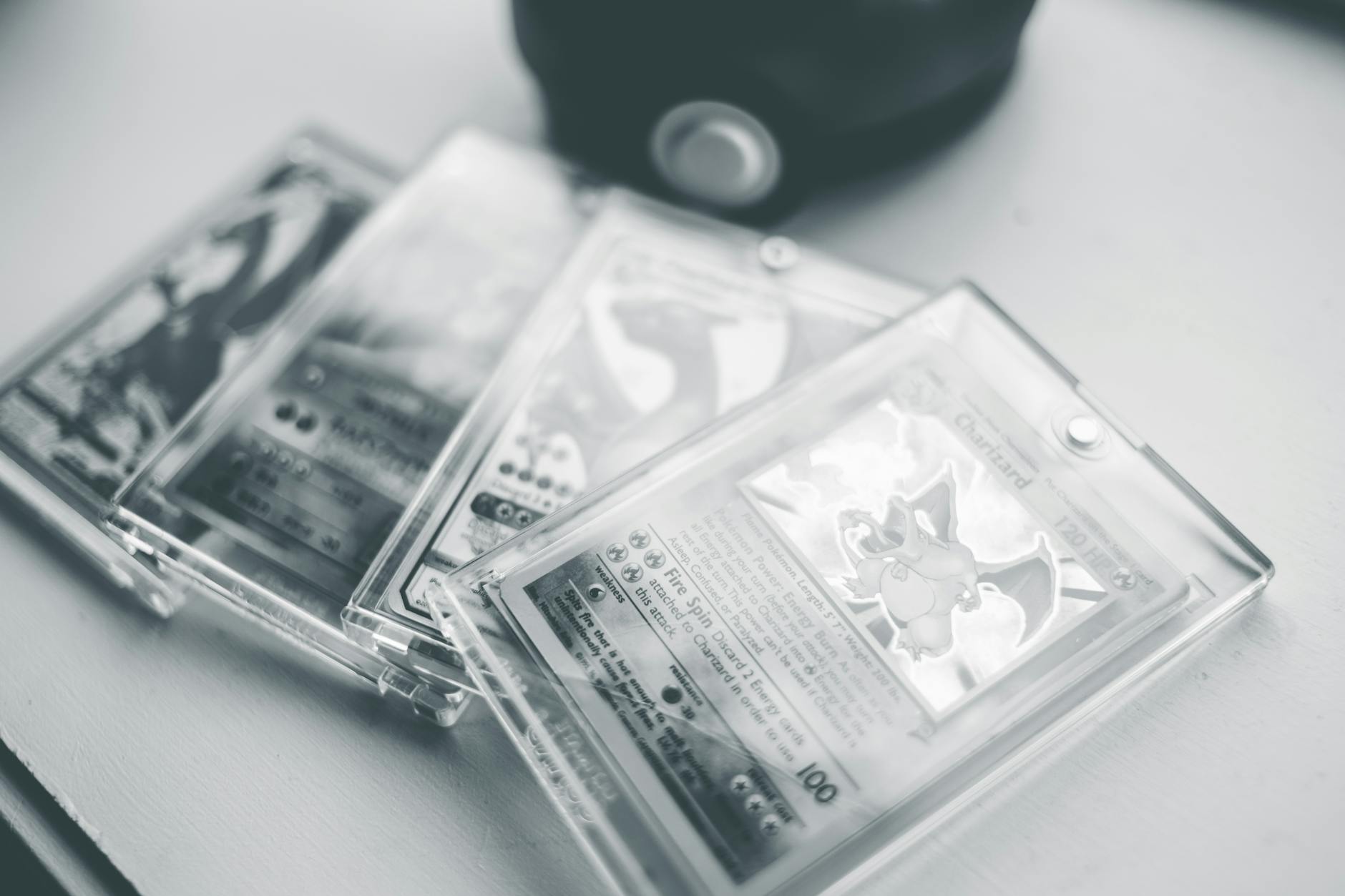
While industry reporting hasn’t specifically identified Base Set Electabuzz as a breakthrough entry point for vintage collectors in early 2024, the pricing data tells a revealing story. Unlimited versions of Base Set Electabuzz #20/102 trade for approximately $7.12 to $7.79 ungraded, making it genuinely accessible to collectors building their first vintage collections. The real opportunity exists across the edition tiers: a collector can own an unlimited Electabuzz for under ten dollars, yet the same card in 1st Edition with a PSA 10 grade commands around $515, creating multiple rungs on the ladder for buyers at different commitment levels.
What makes Electabuzz interesting isn’t hype—it’s structure. The card exists in multiple editions (Shadowless, 1st Edition, and Unlimited), with Shadowless versions trading at roughly 3-6 times the price of Unlimited, and 1st Edition commanding 10-50 times more for high grades. This tiered pricing ecosystem naturally guides new buyers into the vintage market without requiring five-figure investments, which is precisely what the modern vintage collector needs.
Table of Contents
- Why Does Base Set Electabuzz Offer Multiple Price Tiers for Entry-Level Vintage Buyers?
- How Edition Status Creates Different Price Realities for the Same Card
- Trading Volume and Market Reality Since January 2024
- Building a Realistic Electabuzz Collection Strategy for New Vintage Buyers
- The Grading Trap and What Really Happens to Card Values
- Common Mistakes New Vintage Buyers Make with Entry-Level Cards
- What’s Ahead for Base Set Cards in an Oversaturated Market
- Conclusion
Why Does Base Set Electabuzz Offer Multiple Price Tiers for Entry-Level Vintage Buyers?
The economics of base Set Electabuzz work in favor of budget-conscious vintage collectors. At $7-$8 for an ungraded unlimited copy, you own a legitimate 25-year-old Pokémon card without financial risk. This is the price of a coffee and a sandwich. Compare this to other popular vintage Pokémon cards in the same set—Charizard can cost hundreds ungraded and thousands graded, or Blastoise and Venusaur which occupy similar premium territory.
Electabuzz, by contrast, remains affordably priced while still carrying the legitimacy of Base Set’s 1999 release. The card’s utility as a collector’s piece stems from simple supply mathematics. Electabuzz was printed in standard quantities during the Base Set era, meaning enough copies exist to keep prices reasonable, but not so many that the card feels common or worthless. The 2024 market saw approximately 12 Electabuzz cards trade on eBay within a 30-day period, a modest but consistent volume that indicates genuine collector interest without speculation-driven scarcity.

How Edition Status Creates Different Price Realities for the Same Card
The distinction between Shadowless, 1st Edition, and Unlimited versions is not academic—it fundamentally changes what you’re buying. A 1st Edition Base Set Electabuzz carries a printed “1st Edition” stamp and typically sells for significantly more than its Unlimited counterpart, whether it’s graded or raw. Shadowless cards, which predate the edition indicator entirely, sit between these tiers, commanding approximately 3-6 times the price of Unlimited versions.
This fragmentation actually benefits new buyers because you can start with Unlimited, then upgrade as your interest and budget grow. However, condition matters catastrophically in the vintage space, and this is where many first-time buyers stumble. A heavily played or damaged Base Set Electabuzz might trade for just a few dollars regardless of edition, while the same card in excellent or near-mint condition (PSA 8) becomes notably more valuable and falls into realistic reach for serious collectors entering vintage collecting. The gap between a five-dollar card and a fifty-dollar card is manageable; the gap between a fifty-dollar card and a five-hundred-dollar card requires real commitment and planning.
Trading Volume and Market Reality Since January 2024
The trading data from 2024 reveals something important: people are actually buying Base Set Electabuzz, but not in waves. Twelve trades in a month doesn’t suggest this card is driving major collector enthusiasm, but it does confirm there’s an active secondary market. This liquidity matters because an entry-point card that nobody wants is worthless, regardless of price. Electabuzz’s modest trading volume suggests steady, ongoing interest from collectors building sets rather than speculative buying or trending hype.
This consistency is actually a strength for vintage buyers. You’re not fighting algorithm-driven price inflation or sudden scarcity events. You’re buying a card that, by all evidence, will remain available at relatively stable prices. The Pokémon Company’s production of 9.7 billion cards in fiscal 2024 underscores broader market saturation, which ironically protects cards like Electabuzz from wild speculation. There’s enough supply in the ecosystem that Base Set cards aren’t vanishing, but their age and finite original print runs still grant them collectible status.

Building a Realistic Electabuzz Collection Strategy for New Vintage Buyers
A collector with a modest budget of $100-$150 can own multiple versions of Base Set Electabuzz and actually observe meaningful differences in condition, edition, and grading. You could purchase an ungraded Unlimited for $8, an ungraded 1st Edition for $40-$60, and still have funds left for other cards or future additions. This is the real opportunity: not that Electabuzz is a screaming investment or a trending card, but that it allows collectors to experience the Base Set era across different entry points without bankruptcy. For collectors with deeper pockets, the PSA 10 1st Edition at $515 represents a destination card—something to work toward.
The journey from an eight-dollar unlimited card to a five-hundred-dollar graded first edition teaches collectors about condition, grading, edition variance, and market pricing. That learning curve, applied gradually, builds more intelligent collectors than jumping straight to premium cards. The danger is mistaking this structured accessibility for hidden value. Base Set Electabuzz has appreciated modestly because it’s old and grading improves condition documentation, not because it’s positioned for explosive gains.
The Grading Trap and What Really Happens to Card Values
Many new collectors assume that getting a card graded will multiply its value, but the data suggests otherwise for Electabuzz in most cases. An ungraded Unlimited Base Set Electabuzz worth $7 probably costs $8-$12 to grade (shipping and fees included), meaning you’ve immediately lost money unless that card grades extremely well. The value proposition for grading only makes sense for 1st Edition or Shadowless copies where the edition status itself commands premium pricing.
Here’s the hard truth: most Electabuzz cards you’ll find are played copies, not investment-grade specimens. The card is forty years old and was actually used in Pokémon decks by collectors who loved the game. Finding an exceptional example requires patience and testing multiple vendors. This is why the bulk of trading volume likely consists of played and light-play copies at the budget end of the spectrum, rather than high-grade submissions to professional services.

Common Mistakes New Vintage Buyers Make with Entry-Level Cards
First-time collectors often assume they’ve discovered an undervalued card when they find a Base Set Electabuzz listed cheaply online. In reality, they’re looking at fair market pricing for a 25-year-old common-to-uncommon card that saw heavy play. Electabuzz is not rare in the set despite its name; the actual Rare designation refers to the rarity on the card itself, and even Base Set cards marked “Rare” are plentiful by vintage standards. The mistake is conflating age with scarcity and scarcity with investment potential.
Another stumble: buying multiple played copies expecting that one might be undergraded and secretly valuable. This never works. The market has already priced in condition, and casual observation usually confirms what pricing reflects. Your time and money are better spent on finding one exceptional Unlimited copy or saving toward a 1st Edition rather than chasing the lottery of a mystery ungraded card.
What’s Ahead for Base Set Cards in an Oversaturated Market
The Pokémon Company’s massive 2024 production run complicates the vintage card narrative. When billions of new cards enter the market annually, the scarcity premium for older cards faces downward pressure over the long term. However, age is still age. Cards printed in 1999 are genuinely finite; no new Base Set Electabuzz will ever be printed.
This creates a permanent structural advantage versus modern cards, even if the vintage market doesn’t see explosive appreciation. For buyers entering the hobby, Base Set Electabuzz represents a stable, liquid, and genuinely accessible piece of Pokémon card history. Whether it’s the “new entry point” of 2024 or simply a reliable vintage card that always has been accessible matters less than whether it serves your collecting goals. The market for Electabuzz will likely remain stable because the supply is fixed, the demand is consistent, and the prices aren’t inflated by speculation.
Conclusion
Base Set Electabuzz creates entry points for vintage collectors not because of a 2024 phenomenon but because of basic market mechanics. The card exists across multiple editions at different price points, trades consistently without hype, and remains genuinely affordable for collectors building their first vintage collections. An eight-dollar unlimited copy isn’t an investment; it’s access to authentic Pokémon card history from a set that defined the hobby.
If you’re considering entering vintage Pokémon collecting, Electabuzz offers a practical testing ground. You can explore condition grades, learn edition differences, and understand pricing without overextending financially. The real value isn’t in appreciation potential—it’s in the clarity the market provides.
You Might Also Like
- Why Base Set Raichu Holo Cards Are Creating New Entry Points for Vintage Buyers Since 2018
- Why Base Set Magneton Holo Cards Are Creating New Entry Points for Vintage Buyers During the Latest Vintage Rebound
- Why Base Set Dugtrio Rare Cards Are Lagging Behind the Rest of Vintage Pokémon Since 2024