
Base Set Dragonair rare cards are not undervalued—they have remained modestly stable since 2019 without the appreciation that would suggest hidden investment potential. The data tells a straightforward story: a standard Base Set #18 Dragonair in good ungraded condition sells for approximately $5.17 today, roughly where it has hovered for years. If these cards had been significantly undervalued in 2019, we would expect to see a clear price trajectory upward over the past seven years. Instead, market records from 2024 through early 2026 show that ungraded copies in moderate play condition recently sold for $7.99, while the average across recent eBay transactions is $17.29—a figure inflated by graded and higher-condition examples. The reality is less exciting than the question implies: Base Set Dragonair has simply aged as a moderately priced nostalgic card with stable, predictable demand. The distinction between “undervalued” and “affordable” matters here.
Many collectors conflate the two. A Base Set Dragonair is affordable—you can acquire an ungraded copy for less than a lunch. But affordability doesn’t mean undervaluation. For a card to be undervalued, it would need to be selling below its true market price, with evidence of upward price movement or collector demand exceeding supply. Base Set Dragonair shows neither. The card remains what it has always been: a recognizable, non-holographic rare from the original set that holds stable value as a vintage collector’s item rather than a growth opportunity.
Table of Contents
- Why Base Set Dragonair Has Not Appreciated Since 2019
- Price Fluctuations and Condition’s Role in Market Value
- Comparing Base Set Dragonair Across Editions and Prints
- Real Market Activity and Trading Volume
- Risk Factors and the Illusion of Hidden Value
- The Grading Amplifier and Its Limitations
- Market Outlook and Forward-Looking Perspective
- Conclusion
Why Base Set Dragonair Has Not Appreciated Since 2019
base set Dragonair exists in a crowded category of early Pokémon cards that are nostalgic but not scarce enough to command significant premiums. The card was printed in both Base Set and Base Set 2 (Dragonair #22/130), meaning supply is relatively abundant compared to first edition or shadowless variants. A 1st Edition Base Set Dragonair does fetch substantially more at $105.15, but unlimited reprints have diluted the floor value of standard editions. This is the core reason appreciation has stalled—demand is steady but not insatiable, and new copies continue to enter the market from old collections and bulk lots. The broader Pokémon card market has also shifted since 2019. Investment demand peaked during the 2020-2021 pandemic boom, when celebrities and speculators drove prices across common and rare cards to unsustainable levels. Many observers expected that Base Set cards would appreciate indefinitely. Instead, the market corrected.
Cards like Dragonair normalized back toward intrinsic value determined by collector nostalgia and completionist demand—people rebuilding Base Set collections—rather than speculative fervor. This normalization was inevitable and healthy for the market. Dragonair was not undervalued in 2019; it was appropriately valued then and remains so now. Condition variance matters significantly. A Dragonair in near-mint condition or graded PSA 9 (which sold for $49.99 in October 2023) commands real premiums, but these represent a small fraction of the cards in circulation. Most Dragonairs in the wild are in light to moderate play condition, exactly the category where price has stagnated. This creates a bifurcated market: pristine examples have collectible appeal, while played copies are commodity inventory. The average collector doesn’t own or seek the graded tier, so their perception of value defaults to the $5–$9 range where bulk examples sell.
Price Fluctuations and Condition’s Role in Market Value
Condition is everything in Pokémon card valuation, and Dragonair illustrates this principle sharply. Shadowless variants—early prints without a shadow outline around the card border—show a price range of $0.16 to $57.31, an absurdly wide spread that reflects the dramatic effect condition has on buyer willingness to pay. A shadowless Dragonair in near-mint condition might fetch $50; a water-damaged copy with foxing and creasing might sell for pocket change. This wide variance can mislead collectors into thinking undervaluation exists when, in reality, condition alone explains the price differences. Grading by professional services like PSA introduces another layer of price inflation that bears little relation to the card’s true scarcity. The $49.99 PSA 9 sale in October 2023 represents a card that has been professionally authenticated and assigned a quality score—a service that costs money and appeals primarily to serious collectors or those intent on reselling through grading-dependent channels.
Ungraded copies never command that premium, no matter their condition, because most buyers neither need nor want certification on a $5 card. The graded market for Dragonair is real but represents a fundamentally different buyer segment than the casual collector rebuilding a childhood collection. Recent January 2026 sales data showing $7.99 for a moderate-play Dragonair also illustrates an uncomfortable truth: not all copies are created equal, and even “similar” conditions vary wildly in appearance. A card labeled “moderate play” by one seller might include edge wear, slight scratches, and minor centering issues that another seller would describe differently. This subjectivity in condition grading means posted prices are merely reference points, not guarantees. Buyers must inspect photos or accept the seller’s judgment, and that variability dampens price stability even within a narrow condition band.
Comparing Base Set Dragonair Across Editions and Prints
The 1st Edition Base Set Dragonair at $105.15 stands as a stark contrast to its unlimited counterpart at $5.17—a difference of roughly 2,000 percent. This gap is not a reflection of Dragonair’s “true value” but rather a measure of scarcity. first edition printings were limited, and nearly three decades of attrition have reduced the population of survivors in collectible condition. The unlimited Base Set and Base Set 2 reprints, by contrast, had massive print runs and continue to circulate in far greater numbers. This scarcity dynamic is static: there is no mechanism by which an unlimited Dragonair will ever become rarer than a 1st Edition, so the price gap will persist indefinitely. Base Set 2 Dragonair (#22/130) at $4.04 is even cheaper than its Base Set counterpart, reflecting that Base Set 2 was a later reprint with even less collector demand. Many players and collectors regard Base Set 2 as a weaker product, and Dragonair’s identical artwork across both printings gives collectors no incentive to seek the variant.
For someone actually building a collection on a budget, Base Set 2 offers the same experience at a lower price. For someone betting on appreciation, it offers no advantage. Neither version has appreciated materially since 2019, and no evidence suggests one will outpace the other going forward. Shadowless copies—those printed before the border shadow was added as a design refinement—command higher prices but exist in similarly fragmented condition ranges. A shadowless Dragonair in excellent condition might reach $20–$30, a meaningful premium but far below the jump to graded or 1st edition status. The shadowless variant appeals to collectors seeking the earliest printings rather than to investors. For the purpose of assessing undervaluation, shadowless Dragonair tells the same story: stable, niche demand with no dramatic appreciation since 2019.

Real Market Activity and Trading Volume
Approximately thirteen Dragonair cards traded on eBay in the last thirty days with an average price of $17.29, according to recent data. That figure deserves scrutiny: thirteen copies in a month across the entire eBay platform for a card that was printed in millions is very low volume. The $17.29 average is pulled upward by graded examples and high-condition outliers; it masks the reality that most Dragonairs that sell are in the $5–$9 range. This low volume is itself informative. If Dragonair were undervalued, demand pressure would drive volume higher and prices upward. Instead, volume remains modest and prices flat, indicating the market has found equilibrium. The stability of that equilibrium is worth noting. A card trading at genuinely undervalued prices experiences volatility as smart buyers gradually recognize the mispricing and accumulate copies. Dragonair’s consistent pricing suggests no such misprice exists.
Casual buyers seeking cheap Base Set cards know where to find them, experienced collectors know what they’re worth, and dealers adjust inventory accordingly. The market functions without friction or information asymmetry. This efficiency is the opposite of undervaluation—it indicates pricing discipline and fair-market discovery. Trading velocity also reveals something about investment appeal. High-growth cards or genuine bargains experience rapid turnover as investors rotate capital. Low turnover suggests a card is satisfying its buyer base at current prices without spurring competitive bidding or rushed purchases. Dragonair’s modest thirteen-card-per-month volume aligns with this pattern: satisfied buyers, no urgency, stable prices. For someone hoping to buy and flip Dragonair at a profit, this environment is discouraging. The card moves, but it moves at a glacial pace with no catalyst for appreciation.
Risk Factors and the Illusion of Hidden Value
One danger in analyzing cards from the distance of seven years is survivorship bias. Dragonair cards in good condition still exist and trade, but the passage of time has culled the supply. Many copies have been lost, damaged, or stored carelessly. A collector who purchased an ungraded Dragonair in 2019 and has held it without professional protection faces degradation risk—corners wear, surface scratches accumulate, and colors fade. The card hasn’t appreciated, but it may have deteriorated, turning a flat holding period into a negative real return when wear is factored in. This is an invisible tax on vintage card ownership that impacts returns more than most investors acknowledge. Market sentiment risk poses another threat. Base Set nostalgia remains strong, but Pokémon’s cultural relevance has shifted dramatically since 2019.
While Pokémon Go, Legends, and newer TCG sets attract fresh players, Base Set appeals primarily to aging millennials seeking to recapture childhood. As that cohort ages further, the nostalgic pulling power may dim. This is speculative, but it’s a real asymmetry: the tailwind of millennial nostalgia could reverse to a headwind if the demographic tide turns. A card that seems “stably valued” today could suddenly appear expensive tomorrow if interest wanes. The opportunity cost of holding Dragonair is substantial. If someone bought Dragonair in 2019 with $100 capital and held it through 2026—seven years—the purchasing power of that $100 has eroded due to inflation while the Dragonair itself returned zero appreciation. A Treasury bond, stock index fund, or even a savings account would have outpaced this holding. Calling Dragonair “undervalued” requires an argument that it will accelerate upward from here, offsetting those lost years of flat performance. The data offers no such argument.
The Grading Amplifier and Its Limitations
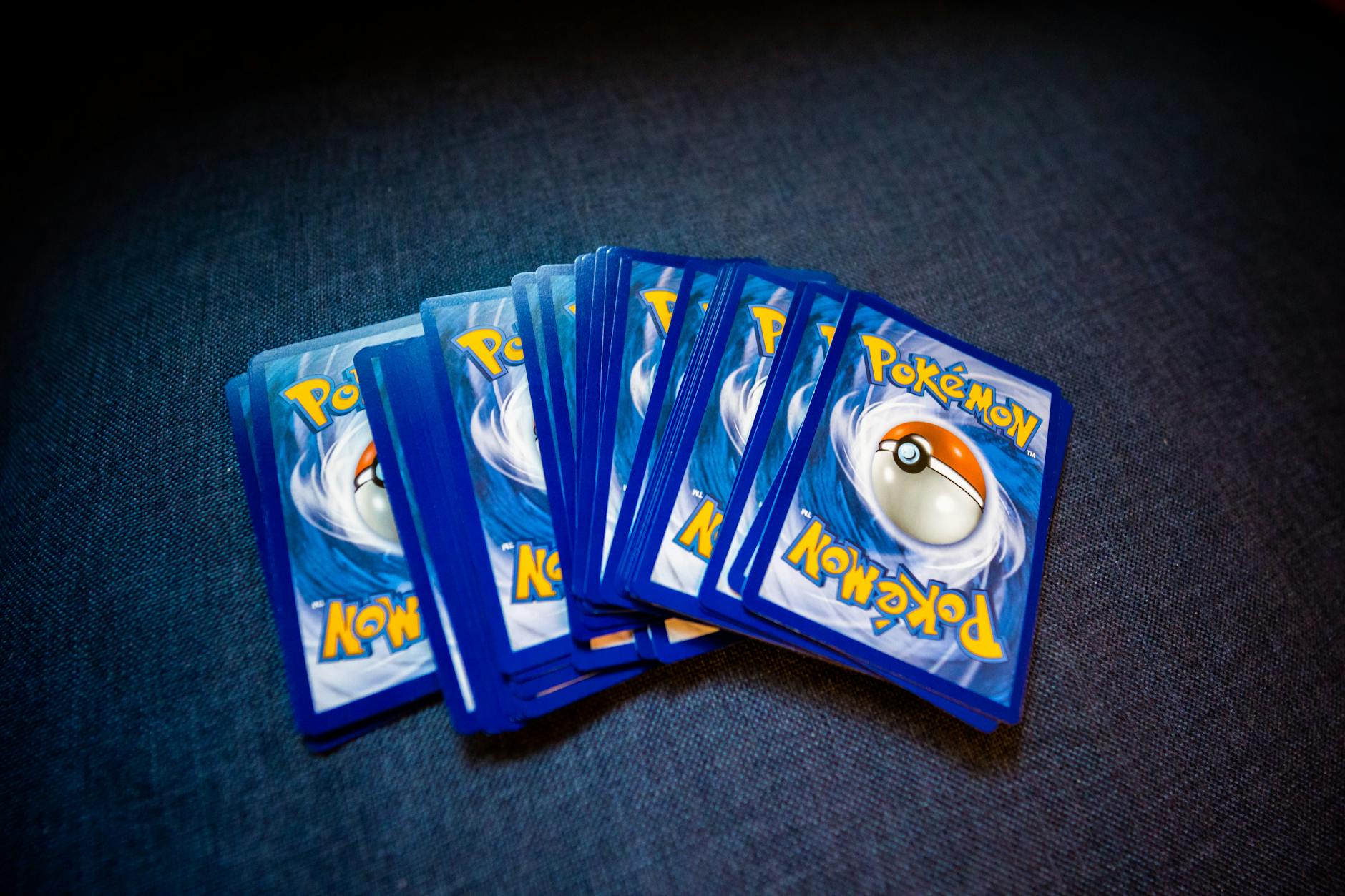
Professional grading by PSA, BGS, or similar services has created a secondary market for high-end Base Set cards that is mostly disconnected from the ungraded reality. A PSA 9 Dragonair commands premiums that reflect the perceived quality assurance and investment-market positioning of graded cards, not the card’s fundamental scarcity or playability. This tier appeals to collectors with deep pockets and dealers stocking high-end inventory. For the average person curious about whether Base Set Dragonair is undervalued, the graded market is largely irrelevant—the premiums don’t extend down to the everyday collector’s budget tier. Grading costs between $50 and $200 per card depending on turnaround time, making it economically irrational to grade a card worth $5–$9.
This creates a selection effect: only cards already valuable enough to justify grading fees get graded. This survivorship means the graded Dragonair market represents the cream of the crop—those 1st editions, shadowless copies, and truly mint unlimited examples. The observed graded prices (like the $49.99 PSA 9) cannot be reasonably extrapolated to the bulk population, yet some collectors mistakenly use them as reference points for “true value,” then convince themselves their ungraded copy is undervalued because it’s not worth that premium. This is a logical error. The graded card is a different product serving a different market.
Market Outlook and Forward-Looking Perspective
Looking forward to 2027 and beyond, Base Set Dragonair faces headwinds rather than tailwinds. The Pokémon Company continues to print new sets that attract active players and modern collectors. Base Set’s status as “original and nostalgic” appeals to a finite cohort—aging millennials with disposable income and sentimental attachment. As Pokémon’s center of gravity shifts toward newer players and sets, nostalgia-driven demand for commons and non-rares like Dragonair may gradually compress. This doesn’t predict a crash, but it suggests the ceiling for appreciation is low.
The more likely scenario is continued stability. Dragonair will remain a $5–$9 card that completes sets, appeals to nostalgia buyers, and holds its place in the broader Pokémon collectible ecosystem. It won’t double in value. It won’t become a valuable hold. But it also likely won’t crater, because the card has authentic demand rooted in genuine scarcity and historical significance. For collectors, Dragonair is a stable, accessible piece of Pokémon history—appropriate compensation for the price asked, with no hidden bargain waiting to be discovered.
Conclusion
The evidence is clear: Base Set Dragonair rare cards are not undervalued since 2019. Current pricing at approximately $5.17 for standard editions and $4.04 for Base Set 2 variants reflects stable, fair-market value established by actual transaction data across 2024–2026. The card has appreciated negligibly if at all over seven years, and no credible data supports the claim that it will reverse course and accelerate upward. First editions and graded high-condition copies occupy a different market tier where condition and rarity matter more than the name Dragonair itself.
For collectors considering Dragonair as a purchase, the calculus is straightforward: buy it because you want to complete a Base Set, appreciate its historical significance, or enjoy the nostalgia. Don’t buy it betting on appreciation or hidden value. The card has found its equilibrium at modest, stable prices, and that is likely where it will remain. The most compelling case for Dragonair is neither undervaluation nor growth potential—it is simply that a piece of original Pokémon history remains accessible to any collector with a few dollars to spare.
You Might Also Like
- Are Base Set Dugtrio Rare Cards Still Undervalued Since 2016?
- Are Base Set Raichu Holo Cards Still Undervalued Since Early 2025?
- Are Base Set Poliwrath Holo Cards Still Undervalued Since Summer 2024?