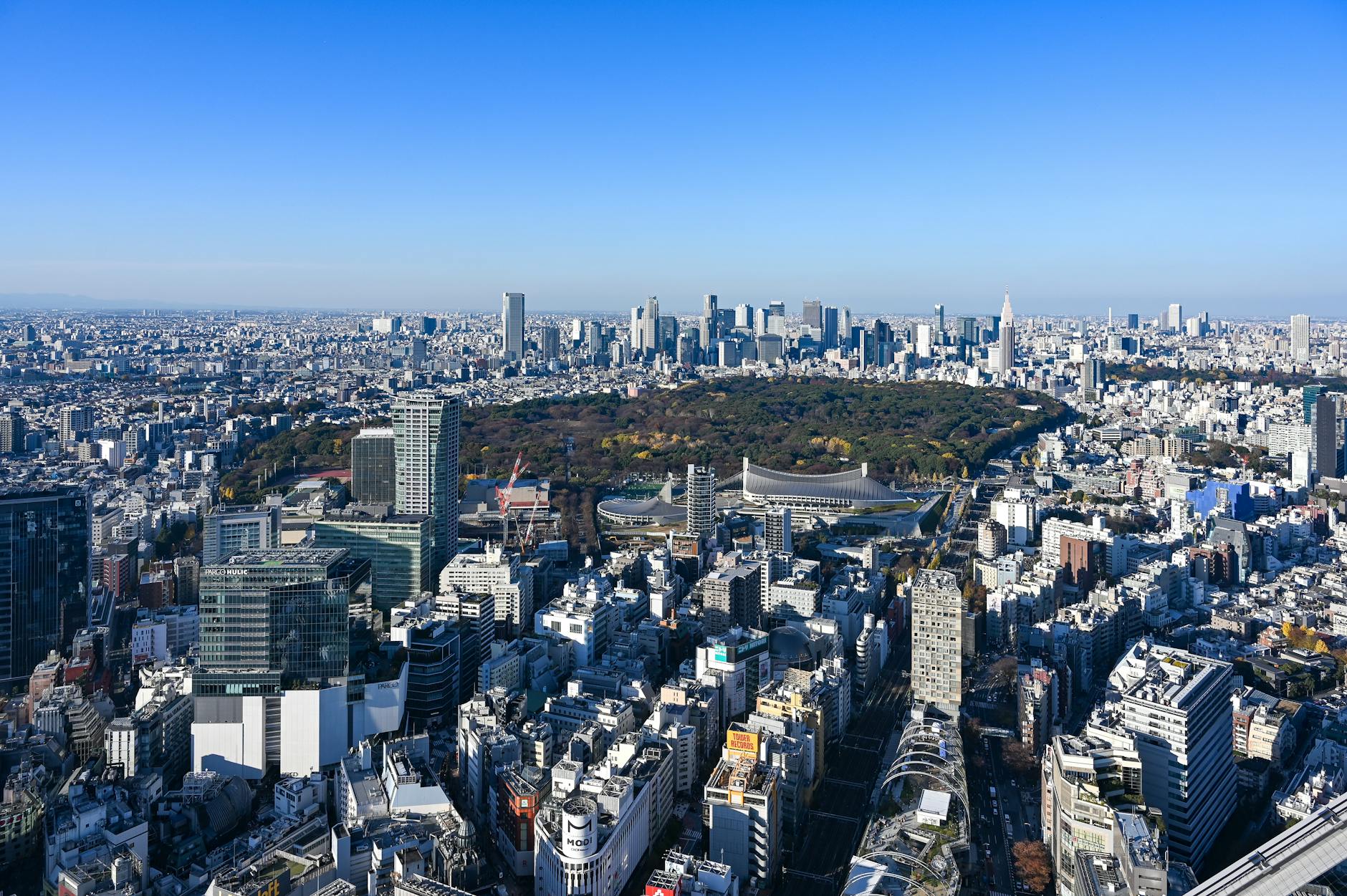
Pokémon attractions could become major tourism drivers because the franchise has demonstrated its ability to generate sustained visitor traffic, spending, and regional attention in ways that rival established theme park attractions. The success of Pokémon Centers in major cities, pop-up experiences, and the reception to location-based games like Pokémon GO shows that fans don’t just collect cards at home—they travel to experience the brand in physical spaces. A dedicated Pokémon theme park or major attraction complex could replicate the visitor volumes and economic impact that franchises like Harry Potter have achieved, potentially drawing millions of annual visitors while generating substantial revenue through admission, merchandise, dining, and accommodations.
The foundation for this exists because Pokémon already operates globally with one of the strongest fanbases in entertainment. The franchise pulls from multiple generations of players—kids discovering it for the first time, millennials revisiting childhood nostalgia, and serious adult collectors. This cross-generational appeal is rare and valuable for long-term tourism sustainability, unlike properties that skew heavily to one age group.
Table of Contents
- What Makes Pokémon Uniquely Positioned to Drive Tourism
- The Economics of Pokémon-Driven Tourism Development
- Case Study—Pokémon GO’s Proof of Concept
- Designing Pokémon Attractions That Actually Work
- Challenges and Realistic Constraints
- International Precedents and Lessons
- The Future of Pokémon Tourism Experiences
- Conclusion
- Frequently Asked Questions
What Makes Pokémon Uniquely Positioned to Drive Tourism
pokémon‘s tourism potential stems from three distinct competitive advantages. First, the IP spans multiple engagement layers—trading cards, video games, television, mobile apps, and merchandise—meaning visitors arrive with different motivations and spending habits. A family might visit a Pokémon attraction because their child plays the games, but they’ll also purchase cards, collectibles, and dining experiences. Compare this to theme parks built on single media properties, where visitor activity tends to center on one type of experience. Second, Pokémon has proven it can maintain cultural relevance across decades.
The recent Scarlet and Violet games continued the franchise’s success, the trading card game experienced a resurgence during the pandemic, and events like Pokémon World Championships draw thousands of competitors internationally. This sustained engagement suggests tourism attractions would have stable repeat visitation, not the boom-and-bust cycle that affects properties with declining fan interest. Third, Pokémon locations don’t need to be passively consumed. Unlike a museum where visitors view exhibits, a Pokémon attraction could incorporate interactive elements—battle simulators, collecting experiences within the space, trading opportunities, and gameplay integration. The mobile game Pokémon GO already demonstrated that players will travel to specific real-world coordinates to catch digital creatures, suggesting fans are willing to navigate to Pokémon-themed destinations.

The Economics of Pokémon-Driven Tourism Development
The economic potential is substantial but requires significant infrastructure investment. Japan’s Pokémon Center locations in Tokyo, Osaka, and other cities draw millions of annual visitors without being dedicated theme parks, generating revenue through retail alone. A full-scale Pokémon attraction—comparable to the Wizarding World of Harry Potter or Super Nintendo World—would require $500 million to $2 billion in development costs depending on scale and location. That’s a considerable barrier, but the revenue potential justifies it for major media companies or established theme park operators. The limitation here is geographic concentration.
A Pokémon theme park only impacts tourism in one region unless multiple locations are built. Universal’s success with Harry Potter involved expansions across multiple parks, which required years of planning and coordination. A single Pokémon location would primarily serve visitors within a 3-5 hour driving radius or international tourists making a dedicated trip, whereas a franchise with broader appeal (like Disney or Universal’s core properties) attracts casual visit-along-the-way traffic. Operational costs present another consideration. Running a Pokémon attraction means licensing payments to The Pokémon Company, staff training specific to the property, constant merchandise sourcing, and maintenance of interactive technology. Unlike a static historical site, a pokémon experience requires regular updates and novelty to encourage repeat visitation—new seasons of content, game tie-ins, and limited-edition experiences keep the property fresh.
Case Study—Pokémon GO’s Proof of Concept
Pokémon GO provided real-world validation that players will travel for Pokémon experiences. When the game launched in 2016, it drove foot traffic to PokéStops and Pokémon nests in specific locations, with some real estate properties reporting increased foot traffic to nearby businesses. Cities strategically placed promotional PokéStops to drive tourism to landmarks and local businesses—a deliberate play to leverage the game’s geographic mechanics. The experience also revealed limitations.
Once the game novelty wore off for casual players, visit frequency declined dramatically. Retention rates dropped sharply after the first few months. This suggests that a pure location-based Pokémon attraction needs more than just the “hunt and catch” mechanics to sustain tourism long-term. The experience must include physical activities, social gathering spaces, and reasons to return that extend beyond gameplay mechanics alone.

Designing Pokémon Attractions That Actually Work
A successful Pokémon attraction would need to balance multiple visitor types and motivations. For children, gameplay-based experiences and encounters with character costumes drive engagement. For collectors and serious fans, access to rare cards, exclusive merchandise, and interaction with competitive tournaments create value. For families and casual visitors, themed dining, photo opportunities, and accessible activities justify the admission cost.
The tradeoff is scope versus focus. A massive theme park with multiple lands and roller coasters reaches the widest audience but requires enormous capital and ongoing operational expenses. A smaller, specialized experience—like a Pokémon trading card facility with tournament spaces, retail, and community areas—requires less investment, serves a more targeted audience, but generates lower overall revenue. Most successful Pokémon attractions to date have chosen the focused approach, optimizing for the enthusiast market rather than attempting mass-market appeal.
Challenges and Realistic Constraints
A significant limitation is licensing control. The Pokémon Company exercises tight control over brand representation and product licensing. Any attraction operator must navigate approval processes for every experience element, merchandise tie-in, and design decision. This differs from internally-owned properties where development teams have more freedom. The approval process slows innovation and can create friction between operator vision and licensor requirements. Competition from existing Pokémon experiences poses another realistic challenge.
Pokémon Centers, pop-up shops, trading card tournaments, and gaming cafes already serve core enthusiasts. A new major attraction doesn’t operate in a vacuum—it competes for time and spending from the same audience. Unless the attraction offers something categorically different from existing experiences (like an actual theme park with major rides, which hasn’t been built yet), it may cannibalize existing Pokémon-related spending rather than expand the total market. International expansion is also complex. Pokémon’s popularity varies significantly by region. Japan has the highest cultural saturation and deepest fanbases, but enthusiasm in Europe or Australia doesn’t reach the same levels. A globally distributed attraction network (which would maximize tourism impact) would require navigating different cultural preferences, merchandise preferences, and competitive landscapes in each region.
International Precedents and Lessons
Nintendo has already experimented with physical attractions. Super Nintendo World opened in Japan in 2021 and expanded to other Universal parks subsequently. It demonstrated that video game franchises can successfully drive theme park visitation, with some reports suggesting the land generated significantly higher per-guest spending than adjacent areas.
The Mario franchise’s consumer-friendly positioning and mass-market appeal served it well, though Pokémon’s slightly more niche (albeit larger) fanbase might operate under different visitation patterns. The Harry Potter Wizarding World comparison remains relevant. It successfully integrated retail, dining, attractions, and theming into a cohesive experience that commands premium admission prices and generates strong repeat visitation. However, Harry Potter built on decades of literary and film cultural dominance, which created a different audience psychology than a franchise primarily driven by games and collectibles.
The Future of Pokémon Tourism Experiences
The trajectory suggests smaller, specialized Pokémon attractions will continue proliferating in major cities, with the question of a true mega-scale theme park remaining unresolved. The Pokémon Company has shown more interest in licensing attractions within existing theme parks (akin to the Nintendo approach) rather than building independent parks. This strategy mitigates financial risk and leverages existing park infrastructure, though it may cap the scale of individual Pokémon experiences.
Looking forward, location-based gaming integration, augmented reality experiences, and competitive tournament spaces represent the likeliest growth areas for Pokémon tourism. These create recurring visit reasons and serve enthusiast audiences who have demonstrated strong spending behavior. Whether a true Pokémon mega-attraction emerges likely depends on whether a major operator identifies sufficient long-term revenue potential to justify the investment against other franchise opportunities.
Conclusion
Pokémon attractions can become major tourism drivers through proven engagement models and cross-generational appeal, but not automatically at the scale of established theme parks. The franchise’s strength lies in multiple revenue streams—retail, competitive gaming, collectibles, and experiences—which can sustain visitor interest across return visits. Real barriers exist around capital requirements, licensing complexity, and the need to differentiate from existing Pokémon retail and gaming experiences.
The most realistic path forward involves incremental expansion of Pokémon spaces within existing tourism infrastructure, integrated into successful theme parks or major retail districts, rather than standalone megastructures. This approach leverages Pokémon’s proven visitation power while managing financial risk and operational complexity. For investors and operators, the question isn’t whether Pokémon can drive tourism—evidence demonstrates it already does at regional scales. The question is whether the scale justifies the investment in the kind of flagship attraction that franchises like Harry Potter have achieved.
Frequently Asked Questions
Has Pokémon ever operated a dedicated theme park?
No. Pokémon attractions exist primarily as experiences within Universal parks, standalone retail/gaming spaces in cities, and temporary pop-up exhibitions. No permanent, full-scale theme park entirely dedicated to Pokémon has been built, though the company has licensed attractions and lands within broader parks.
How much does a Pokémon Center visit typically cost?
Pokémon Centers are retail stores with free admission. Specialized experiences like structured tournaments or themed dining experiences charge fees comparable to casual restaurants or gaming tournaments (typically $15-$100+ depending on the activity). If a dedicated theme park were built, admission would likely range $60-$150 per day based on comparable entertainment pricing.
Which Pokémon World Championship locations drive the most tourism?
The annual Pokémon World Championships rotate between cities globally, with recent editions in Boston (2022) and San Francisco (2023). These events draw thousands of competitors and spectators, generating hotel and restaurant spending in host cities, though they’re week-long events rather than recurring year-round attractions.
Does Pokémon GO still drive tourism?
Pokémon GO activity persists at much lower levels than its 2016-2017 peak, though special events and game updates generate temporary spikes in player engagement. The game’s tourism impact is now niche rather than mainstream, primarily affecting dedicated players and specific locations tied to in-game events.
What’s preventing The Pokémon Company from building a full theme park?
Capital investment requirements, the need for long-term operational profitability, and strategic preferences for licensing partnerships with existing entertainment companies are the primary factors. Full theme park development ties up significant resources and carries execution risk that licensing approaches avoid.
How would a Pokémon attraction compete with Disneyland or Universal Studios?
It wouldn’t directly. A Pokémon-specific attraction would target enthusiasts willing to travel specifically for the franchise, similar to how themed lands within broader parks operate. Standalone Pokémon attractions would exist as niche destinations, not mass-market competitors to major theme park operators.
You Might Also Like
- Why Pokémon Immersive Experiences Could Become the Next Big Fan Attraction
- What the Next Era of Pokémon Could Look Like After 30 Years
- How Pokémon Could Turn Real World Spaces Into Interactive Adventures