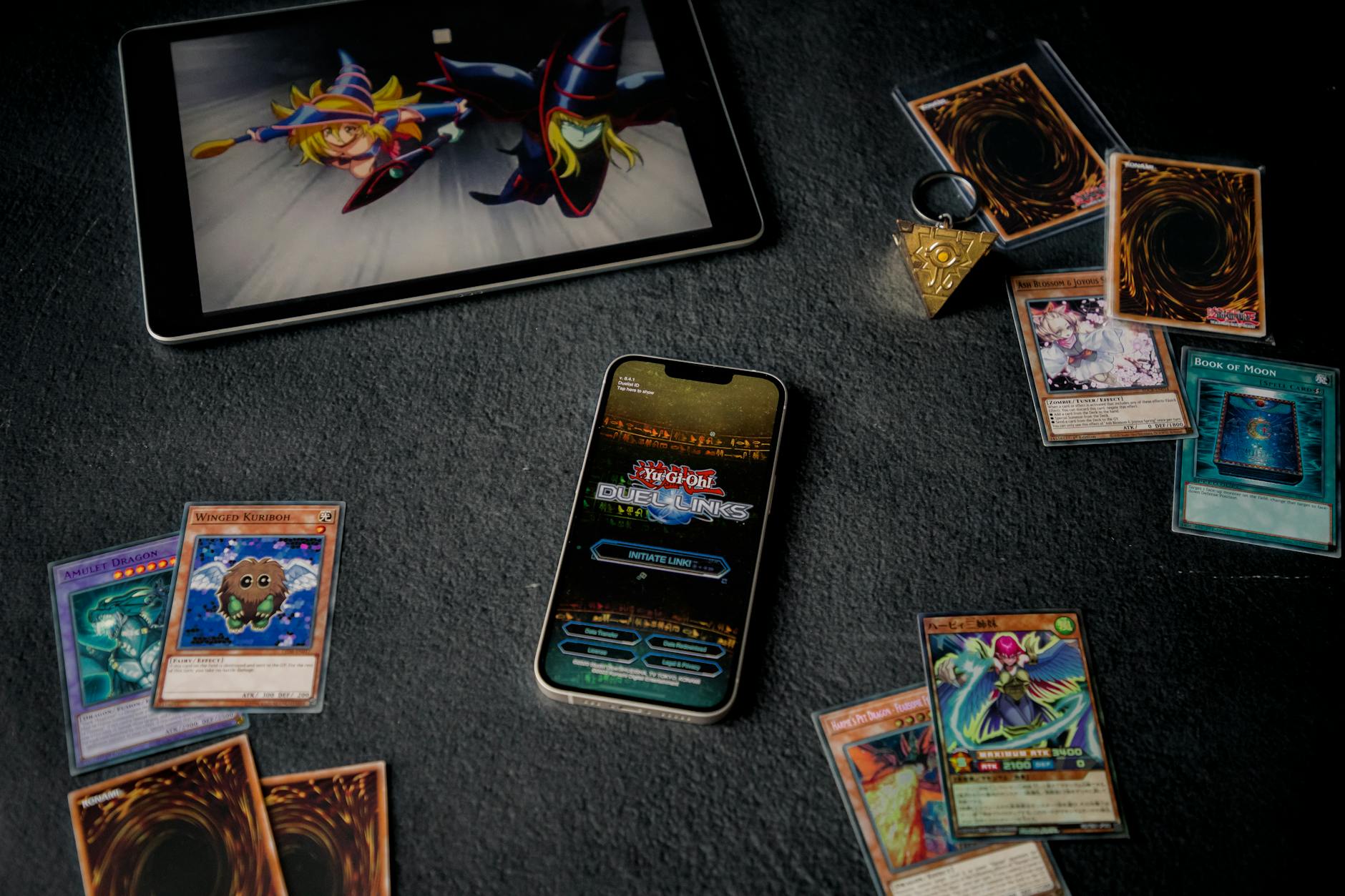
Amazon keeps collectors coming back with a combination of competitive pricing, the platform’s built-in buyer protection, and the sheer selection of Pokémon products available in one place. Unlike specialty retailers or local card shops, Amazon lets collectors compare prices across different sellers, spot deals on pre-release products, and access items that might not be available locally. A collector in a rural area can browse booster boxes, theme decks, and graded cards from dozens of vendors without leaving home, often finding prices 10-20% lower than brick-and-mortar stores during Amazon’s frequent sales events.
The appeal runs deeper than just convenience. Amazon’s Prime membership, return policies, and seller feedback system create a trust layer that matters when spending $100-500 on sealed products. Collectors know they can return damaged goods, dispute counterfeit listings, and get their money back if something arrives broken. This safety net has fundamentally changed how serious collectors shop, making Amazon a primary destination rather than a secondary option.
Table of Contents
- Why Do Collectors Turn to Amazon for Pokémon TCG Deals?
- The Hidden Costs and Risks of Amazon Pokémon Purchases
- Timing and Stock Patterns: When Amazon Deals Actually Materialize
- How to Spot Legitimate Amazon Pokémon Deals Before You Buy
- Shipping Damage and Return Disputes: The Real Cost of Online Pokémon Purchases
- Graded Card Deals and Collectibility Concerns
- The Future of Amazon as a Pokémon TCG Distribution Channel
- Conclusion
- Frequently Asked Questions
Why Do Collectors Turn to Amazon for Pokémon TCG Deals?
The answer lies in Amazon’s scale and its market dynamics. With hundreds of sellers competing on the same platform, prices gravitate downward. A Scarlet & Violet booster box might sell for $120 at a local shop but $89 on Amazon, where sellers undercut each other to capture sales. During Prime Day, Black Friday, or seasonal promotions, those gaps widen even further. Collectors have learned to set price alerts and wait for these windows, sometimes saving 30-40% on products they were buying anyway.
Availability is another crucial factor. Major retailers often run out of popular products within hours of launch. Amazon aggregates inventory from multiple sellers, which means stock refreshes throughout the day as different vendors restock. A collector hunting for a specific Japanese import set might find it unavailable everywhere except through a third-party Amazon seller, who becomes the only realistic option. This creates a captive audience willing to pay slightly above market rate just to get the product at all.
The Hidden Costs and Risks of Amazon Pokémon Purchases
Not all Amazon deals are what they appear to be. The platform’s openness that enables competition also creates vulnerability to counterfeit products. Sealed booster boxes, which should be a safe category, have been counterfeited convincingly enough to fool casual collectors. The fakes look legitimate, weigh approximately the same, and pass a quick inspection. It’s only when you open them that the problem becomes obvious: the cards are off-color, the borders are slightly wrong, or the holo pattern doesn’t match authentic products.
By then, you’ve already broken the seal and may struggle to get a return approved. Seller reputation doesn’t always correlate with legitimacy. A seller with thousands of positive reviews and Prime eligibility can still list counterfeit products without immediate consequences. Amazon’s investigation process can take weeks, and by then the counterfeit seller may have created a new account. Collectors who care about provenance—those who plan to grade cards or resell down the line—face real risk buying sight-unseen, even on Amazon.
Timing and Stock Patterns: When Amazon Deals Actually Materialize
Savvy collectors have reverse-engineered Amazon’s Pokémon inventory cycles. New set releases typically see full-price listings for the first week, then gradual price drops as third-party sellers offload inventory. A booster box launched at $120 often reaches $100-110 by day 10 and stabilizes around $95 by week three. The real drops happen 4-6 weeks post-release when sales velocity drops and sellers discount to clear stock before new sets arrive.
Seasonal timing matters too. The weeks leading up to Christmas and the back-to-school period see prices climb as demand spikes. January through March tends to offer the steepest discounts as the holiday selling season ends. Amazon’s Prime Day events, typically held in July and October, create artificial buying windows where collectors rush in expecting sales—but the discounts are often modest and applied to already-popular items that might be cheaper waiting a few weeks anyway.

How to Spot Legitimate Amazon Pokémon Deals Before You Buy
Start by checking the seller’s detailed profile, not just their star rating. Look at customer images in reviews for booster boxes or sealed products. If hundreds of reviews have unboxing photos that show consistent quality and authentic-looking packaging, that’s a strong signal. Conversely, if reviews are glowing but images are sparse or missing, that’s a red flag. Pay special attention to reviews that specifically mention card quality, holo patterns, or comparison to other sources.
Compare prices across multiple platforms before buying. TCGPlayer’s marketplace, eBay, and specialty retailers like Cardmarket or local shops give you baseline pricing. If Amazon is 15% below that baseline, it’s probably a genuine deal. If it’s 40% below, ask yourself why. Legitimate discounts exist when a seller is clearing old stock or has an unusual inventory surplus. Pricing that defies the market usually indicates either counterfeit goods or a listing that will be cancelled before it ships.
Shipping Damage and Return Disputes: The Real Cost of Online Pokémon Purchases
Booster boxes often arrive damaged on Amazon. The cardboard gets crushed, or worse, the contents inside shift during transit. A collector opens the box expecting pristine packs and finds several with creased corners or separated layers. This is technically a defect, but Amazon’s return process for opened products is unpredictable. Some sellers accept returns without question. Others claim the box was damaged by the buyer after delivery and refuse the return, leaving you stuck with diminished product.
To mitigate this, photograph the box immediately upon arrival, before opening it, and again immediately after opening. Document any damage with timestamps. Keep the original packaging, including the Amazon shipment box. These steps significantly improve your odds of a successful return claim. That said, this process takes time and stress. Sometimes it’s cheaper—in terms of effort—to accept a 5-10% loss than to fight with a seller for three weeks over a $100 purchase.
Graded Card Deals and Collectibility Concerns
Amazon has become a marketplace for third-party sellers offering PSA, BGS, and CGC-graded Pokémon cards. Some of these are legitimate lots from collectors liquidating collections. Others are sellers who buy raw cards, send them to grading companies in bulk, and flip the graded versions for profit.
The practice itself isn’t wrong, but it means the card’s grading history might not tell you much about its actual origin or authenticity. A PSA 9 Charizard sold on Amazon for $800 might be authentic and correctly graded, or it might be a counterfeit card that somehow passed initial inspection at the grading company. The latter is rare, but it happens. Collectors seeking graded cards as investments should verify the card’s grading label matches the listing images, check the grading company’s registry if available, and consider buying from established dealers with verifiable business histories rather than anonymous sellers.
The Future of Amazon as a Pokémon TCG Distribution Channel
Amazon’s role in the Pokémon card market will likely intensify as The Pokémon Company and retailers use the platform for official pre-orders and exclusive releases. Official sellers on Amazon now run first-party listings for new sets, which provides an alternative to local stock constraints. However, this official presence hasn’t eliminated the counterfeit problem or the price volatility that characterizes third-party sales.
As the market matures, collector expectations for authenticity verification—like blockchain tracking or tamper-evident packaging—will probably shift how Amazon handles Pokémon inventory. The platform’s competitive dynamics, meanwhile, will continue to pressure prices lower in the long term. As more casual collectors enter the market and use Amazon, the volume of transactions increases, which paradoxically makes it harder for sellers to maintain high margins and more tempting for counterfeiters to enter the space. Collectors who understand these cycles and approach Amazon with cautious skepticism—verifying authenticity before purchase rather than trusting the seller reputation alone—will navigate this landscape most successfully.
Conclusion
Amazon’s appeal to Pokémon collectors is real and rooted in legitimate advantages: competitive pricing, broad selection, and buyer protection that local shops can’t match. A collector with research discipline and realistic expectations can find genuine value there. However, the platform’s openness creates risks that require vigilance.
Counterfeit products, shipping damage, and seller disputes are genuine concerns that can undermine deals that seemed excellent at checkout. The collectors who benefit most from Amazon are those who treat it as a tool rather than a shortcut. Verify authenticity before buying, check the market rate on other platforms, document damage immediately, and stay informed about typical price cycles for new releases. Combined with the platform’s return policies and buyer protection, this approach transforms Amazon from a convenient marketplace into a strategic advantage in the hobby.
Frequently Asked Questions
How can I tell if a booster box on Amazon is counterfeit?
Authentic booster boxes have consistent fonts, proper holo patterns on the artwork, and precise color matching. Counterfeits often have slightly blurry printing, uneven font weights, or incorrect PMS colors. The best defense is buying from sellers with hundreds of reviews showing unboxing photos that match official product images. If the price is significantly below market rate and the seller is new or has few reviews, assume it’s suspicious.
Is it safe to buy graded cards on Amazon?
It’s relatively safe if you verify the grading label in the listing photos matches the card description, check for any irregularities in the label appearance, and buy from sellers with established feedback. Counterfeit graded cards are rare but do exist. For high-value purchases over $500, consider buying from established dealers with business registrations instead of third-party Amazon sellers.
What’s the best time to buy Pokémon TCG products on Amazon?
4-6 weeks after a set’s release typically offers the deepest discounts as sellers clear inventory. Seasonal lows occur January through March. Avoid buying during Prime Day or Black Friday unless you’ve confirmed the discount actually beats baseline market prices, which they often don’t for Pokémon products specifically.
Do Amazon’s return policies protect me if I receive damaged cards?
Yes, if you document the damage immediately and keep all packaging. Take photos of the sealed box before opening it, then document any damage inside. Contact the seller or Amazon with the photo evidence. If the seller refuses, escalate to Amazon. The catch is this process takes 1-3 weeks and requires your active participation. Some collectors find it easier to absorb a small loss than fight the dispute.
Should I use Amazon Prime for Pokémon card purchases?
Prime membership offers faster shipping and slightly better return protection, making it worthwhile for frequent buyers. However, it doesn’t eliminate counterfeiting risk or guarantee better prices. Many Amazon Pokémon deals come from non-Prime sellers, and free shipping on high-value orders is relatively common. Prime is helpful but not essential for accessing good deals.
What recourse do I have if I receive counterfeit cards?
Amazon’s counterfeit guarantee allows returns within 30 days if you can demonstrate the product is fake. You’ll need to explain why it’s counterfeit (off-color printing, wrong holo pattern, etc.) and may need to include photos. The process can take 2-4 weeks. For amounts over $200, consider requesting a refund with return shipping at seller expense rather than engaging in a lengthy investigation.
You Might Also Like
- Why Pokémon Jet Photos Keep Spreading Online
- What Aviation Collectors Might Love About the New Pokémon Jets
- How Pokémon Travel Experiences Keep the Franchise Visible