Fossil Pokémon represent a bridge between two distinct forms of human curiosity: the natural science that museums have preserved for centuries and the collecting hobby that has captivated millions since the mid-1990s. Museums seeking to engage younger audiences and demonstrate scientific concepts through recognizable frameworks have found in fossil Pokémon—Aerodactyl, Kabutops, Omastar, Cradily, Armaldo, and Archeops—a natural alignment with paleontological education. The appeal is straightforward: these creatures exist because real paleontology exists, their design reflects actual evolutionary principles, and their Pokédex entries explicitly reference geological periods and fossil discovery, creating a direct educational narrative that resonates with both casual fans and science-minded visitors.
The mechanics of this collaboration work because museums already handle genuine fossils, curation, and scientific interpretation. Adding a Pokémon layer to an existing paleontology exhibit doesn’t require reinventing museum practice—it enhances interpretation for audiences who might otherwise skip fossil galleries. The American Museum of Natural History and similar institutions have discovered that framing prehistoric life through contemporary pop culture creates entry points for demographics that traditional fossil displays alone might not capture.
Table of Contents
- How Fossil Pokémon Connect to Real Paleontology and Museum Education
- Designing Exhibits That Blend Nostalgia with Scientific Rigor
- Real Examples of Fossil Pokémon Partnerships and Museum Models
- Building Engagement Through Fossil Pokémon Collections and Community
- Challenges in Managing Authentic Fossil Collections Alongside Popular Culture Content
- What Collectors Gain From Museum Partnerships
- The Future of Fossil Pokémon in Museum Spaces and Cultural Institutions
- Conclusion
- Frequently Asked Questions
How Fossil Pokémon Connect to Real Paleontology and Museum Education
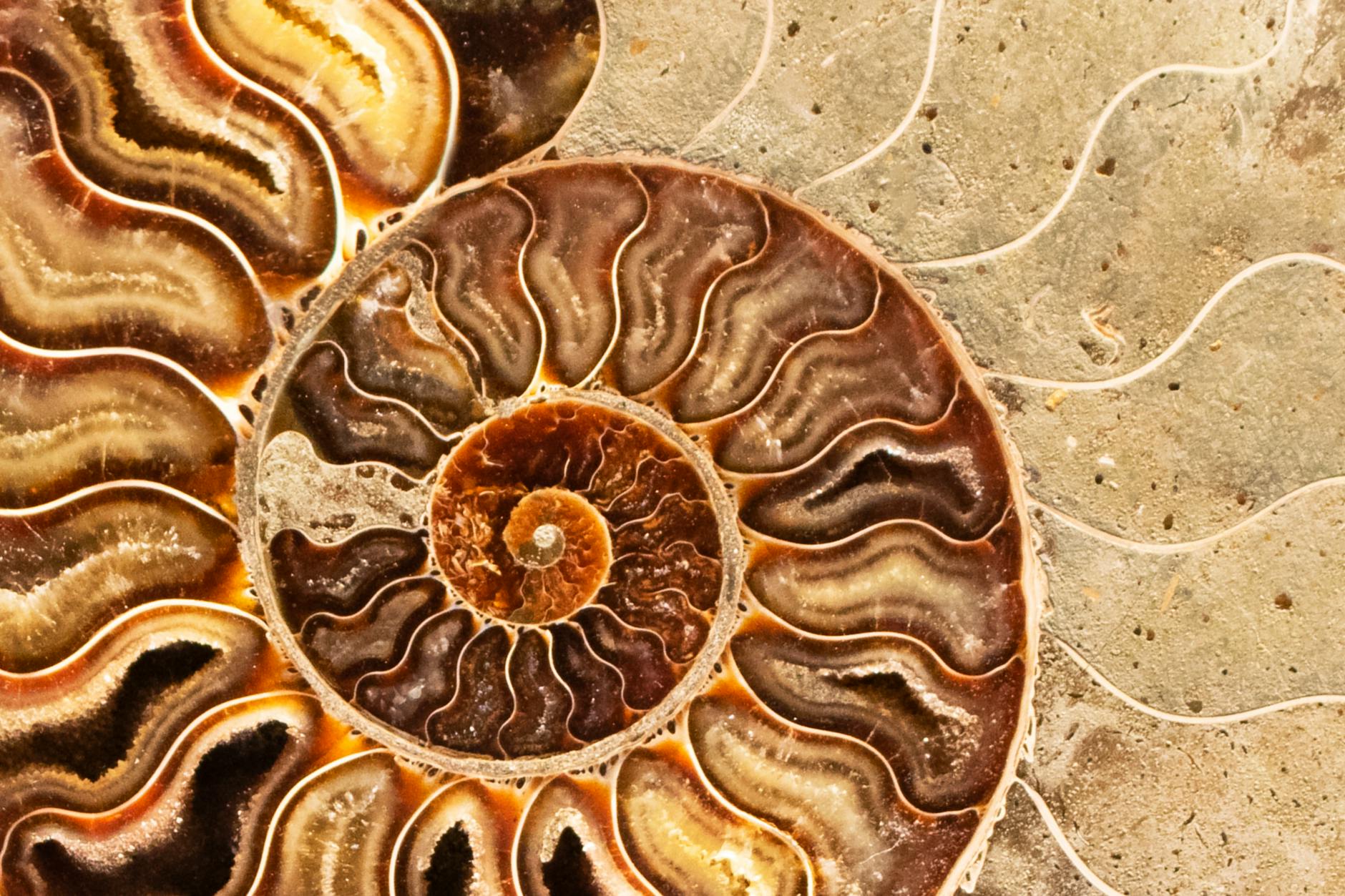
fossil pokémon exist in a pedagogically useful space between fiction and scientific fact. Aerodactyl, based loosely on Pteranodon, teaches visitors about pterosaurs—flying reptiles that weren’t dinosaurs. Kabutops and Omastar, based on trilobites and ammonites respectively, introduce audiences to marine invertebrates that dominated Earth’s oceans for hundreds of millions of years before disappearing. The Pokédex entries for these creatures consistently reference their geological origins: Aerodactyl’s entry mentions it being resurrected from amber, directly echoing the amber-based resurrection that drives Jurassic Park’s narrative and also reflects actual amber paleontology where insects and small organisms are preserved in fossilized resin.
A museum doesn’t have to abandon scientific accuracy to incorporate Pokémon. The educational step becomes: “This Pokémon was inspired by this real organism, which lived in this period, and here’s what we actually know about it.” The comparison is valuable because it shows students that real paleontology is often stranger and more dramatic than fiction. Trilobites lived for nearly 300 million years—far longer than dinosaurs—but they rarely appear in entertainment media. Fossil Pokémon can redirect attention to overlooked prehistoric lineages and demonstrate why museums continue to study these creatures.
Designing Exhibits That Blend Nostalgia with Scientific Rigor
The critical limitation in Pokémon-museum collaborations is the risk of oversimplification. Pokémon designs are stylized and intentionally cute; Aerodactyl looks ferocious but bears little resemblance to actual pterosaur proportions or skull structure. A poorly designed exhibit can reinforce misconceptions—visitors might leave believing that Pokémon designs are scientifically accurate rather than artistic interpretations.
Museums must actively manage this by using clear language distinguishing “Pokémon inspired by” versus “Pokémon based on” versus “actual fossils of.” Successful exhibits have solved this through layered interpretation: a display of Aerodactyl plushies and cards in a secured case, a scale model or replica of an actual Pteranodon skeleton nearby, and interpretive text explaining both the artistic choices Game Freak made and what the real organism was like. The Smithsonian’s paleo-focused institutions have found that this dual-layer approach actually increases visitor comprehension because it creates cognitive anchors—people remember Pokémon, then remember that memory is connected to the real paleontological content. A warning: exhibits that foreground Pokémon at the expense of real specimens risk becoming merchandise showcases rather than educational experiences, damaging institutional credibility.
Real Examples of Fossil Pokémon Partnerships and Museum Models
The Pokémon Center at the American Museum of Natural History represents one model: dedicated retail space where fossil Pokémon cards, merchandise, and media are sold, placed near the Hall of Paleobiology. Visitors exiting the fossil galleries can purchase an Aerodactyl plushie or booster pack, creating a natural continuation of engagement. This model works for large institutions with existing gift shops, but it doesn’t deepen scientific literacy—it’s primarily retail-driven.
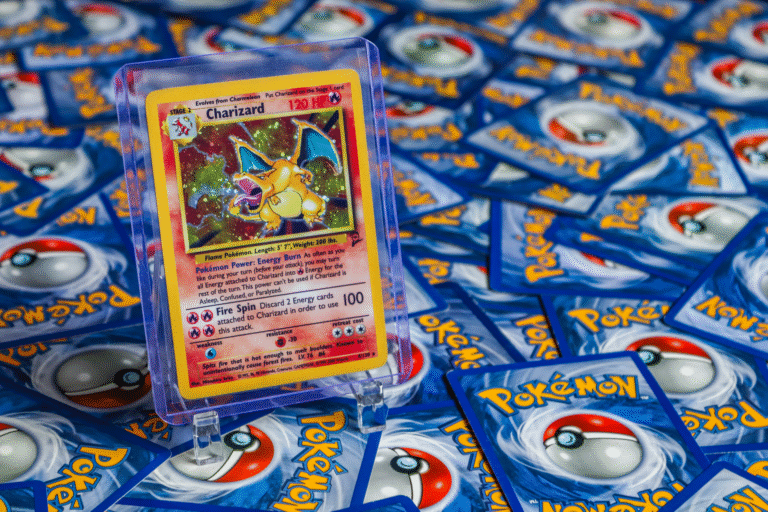
A more educationally robust model involves temporary exhibitions where fossil Pokémon content—including rare first-edition Fossil set cards (released in 1999 and highly collectible)—are displayed alongside interpretive panels explaining the paleontology. The Denver Museum of Science and Nature has experimented with this approach, creating a timeline showing Pokémon Generations alongside geological timelines. This allows comparison: “Pokémon was created in 1996, the Fossil expansion in 1999, long after these real organisms went extinct 66 million years ago.” A limitation of this model is that it requires sustained curatorial effort and can become dated if Pokémon releases shift focus—the latest Pokémon Scarlet and Violet games de-emphasize fossil mechanics, which could reduce future visitor interest.

Building Engagement Through Fossil Pokémon Collections and Community
Museums attempting to maximize engagement often underestimate the collecting dimension of Pokémon. Serious collectors pursue complete sets of Fossil Pokémon cards, with first-edition Aerodactyl cards from the 1999 Fossil set commanding prices in the hundreds of dollars depending on condition and grade. A museum exhibit that explains both paleontology and explains why certain Pokémon cards become valuable creates multiple layers of interest.
Visitors learn why Aerodactyl matters scientifically, but they also learn why collectors care about card condition, rarity, and first-edition printings. The tradeoff is operational: Museums must decide whether they’re curating collections for display (requiring insurance, climate control, preservation protocols) or using replica cards and merchandise (cheaper, more durable, but less “authentic” in the collector’s eye). A successful middle ground involves showing high-value cards behind glass while providing visitors with low-cost booster packs or promotional cards they can take home. This creates a memory anchor without destroying valuable collectibles, though it requires careful selection of which cards are displayed versus which are sold.
Challenges in Managing Authentic Fossil Collections Alongside Popular Culture Content
One practical limitation rarely discussed: fossil collections are scientific assets with preservation requirements that conflict with public touch-and-learn experiences popular with younger visitors. A museum cannot allow visitors to handle genuine Archaeopteryx fossils or original trilobite specimens, but they can handle Pokémon cards and plushies. This creates a psychological barrier—the “real” fossils are untouchable, often behind glass, while the Pokémon merchandise is accessible. Curators must actively frame this through interpretation: “These genuine fossils are preserved behind glass because they’re irreplaceable scientific records, just as museums preserve historically significant items.” A warning regarding partnership sustainability: if a museum’s fossil Pokémon exhibit becomes a draw without the underlying paleontological content being updated or maintained, visitor return rates drop sharply once the novelty wears off.
Exhibits that simply display Aerodactyl cards and fossils side-by-side without active interpretation or new content underperform. The best-performing institutions rotate content, add new interpretive elements, and tie Pokémon elements to seasonal themes or new paleontological discoveries, ensuring repeat visits. Another challenge: licensing costs. Pokémon Company International charges licensing fees for official merchandise and imagery, which can strain museum budgets. Some institutions have worked around this by focusing on analysis of Pokémon designs as cultural artifacts rather than primary exhibition focus.

What Collectors Gain From Museum Partnerships
For the Pokémon card collector, museum exhibitions serve as authentication and educational contexts for their collections. A collector who owns Fossil set cards suddenly understands that their collection has historical significance beyond monetary value—the cards are cultural artifacts connecting contemporary collecting to paleontological science. Museums legitimize collecting as a form of cultural engagement rather than mere commerce.
This has secondary effects: collectors become more likely to preserve cards carefully, donate significant collections to institutions, and invest in proper storage and grading (submitting cards to professional graders like PSA or Beckett for condition assessment and authentication). The example: A collector who spent $800 on a PSA 8 (Very Fine/Extremely Fine condition) first-edition Kabutops might initially view the purchase purely as investment. Encountering that same card in a museum exhibition, framed within the history of the Pokémon Trading Card Game and the paleontology of ammonites, transforms the purchase into a connection to broader cultural and scientific narratives. Museums have found that visitors who interact with authenticated collectibles are more willing to pursue their own collecting hobbies seriously, understanding the value of condition, provenance, and documentation.
The Future of Fossil Pokémon in Museum Spaces and Cultural Institutions
As Pokémon’s audience ages, museums may find themselves curating the cultural history of collecting itself. The Fossil expansion of 1999 is now over 25 years old, making it a historical artifact—the first cards printed in the late 1990s are now studied for their design evolution, print quality variations, and cultural impact. Future exhibitions may less focus on connecting Pokémon to paleontology and more on “how did a card game teach a generation about prehistoric life?” This shifts the institutional framing from educational partnership to cultural history preservation.
The forward-looking opportunity for museums lies in digital integration. Augmented reality experiences that allow visitors to photograph a Fossil set card and see an animated reconstruction of the real organism it’s based on create engagement that static exhibits cannot match. The challenge remains: such technology requires institutional investment and partnership with Pokémon Company, but early adopters report sustained visitor engagement and repeat visits. Museums that establish themselves as authorities on Pokémon-paleontology connections position themselves as cultural institutions adapting to contemporary collecting practices rather than institutions maintaining static, unchanging collections.
Conclusion
Fossil Pokémon are ideal for museum collaboration because they create a direct bridge between contemporary pop culture and legitimate paleontological science. They give museums a framework for engaging audiences who might otherwise skip fossil galleries, and they give collectors a deeper context for understanding why their cards matter beyond monetary value.
The most successful partnerships avoid oversimplifying either the paleontology or the collecting hobby, instead using both as mutually reinforcing educational lenses. For institutions looking to implement these partnerships, the key is sustained curatorial effort, clear interpretive framing that doesn’t mistake Pokémon designs for scientific accuracy, and recognition that fossil Pokémon engagement creates entry points rather than complete education. Museums that treat these collaborations as temporary novelties underperform; those that integrate fossil Pokémon into permanent paleontological interpretation and update content regularly establish meaningful visitor loyalty and expand their reach into demographics that traditional fossil presentation struggles to engage.
Frequently Asked Questions
What are the most commonly exhibited fossil Pokémon?
Aerodactyl, Kabutops, and Omastar appear in nearly every museum partnership because their base organisms (pterosaurs, trilobites, and ammonites) are major paleontological topics. Cradily and Armaldo appear less frequently because crinoids and arthropods receive less popular attention, though they’re scientifically significant.
How much do museums pay to display Pokémon merchandise?
Licensing fees vary widely depending on exhibit scope and duration. A small temporary exhibition might cost $5,000-$15,000, while a permanent Pokémon retail space within a museum can exceed $100,000 annually. This is why many museums focus on displaying cards and collectibles without selling official merchandise directly.
Can museums use original 1999 Fossil set cards in public exhibits?
Yes, but with serious conservation protocols. First-edition Aerodactyl and Kabutops cards from 1999 are valuable and fragile—museums display them under UV-protective glass with climate control. Most institutions use condition-graded copies (PSA/Beckett certified) or high-quality replicas for interactive elements.
Do fossil Pokémon exhibits increase attendance?
Data is limited, but institutions reporting increases cite 15-25% higher foot traffic during active fossil Pokémon exhibitions, particularly among visitors aged 8-18. However, sustaining this requires rotating content and new interpretation; static exhibits show sharp attendance drops after 6-12 months.
Why don’t more museums partner with Pokémon Company directly?
Licensing negotiations are time-consuming, and Pokémon Company prioritizes partnerships with major institutions or large cities. Small and mid-sized museums often feature fossil Pokémon through analysis of the trading card game as cultural artifact rather than official licensed exhibitions, which avoids licensing fees.
Can museums sell Pokémon cards to fund exhibitions?
Some do, but carefully. Museums selling booster packs or promotional cards must obtain proper licensing. The revenue rarely covers exhibition costs but provides visitor engagement and modest additional funding. Premium collectible cards (graded vintage cards) are never sold—only displayed or occasionally donated as part of permanent collections.