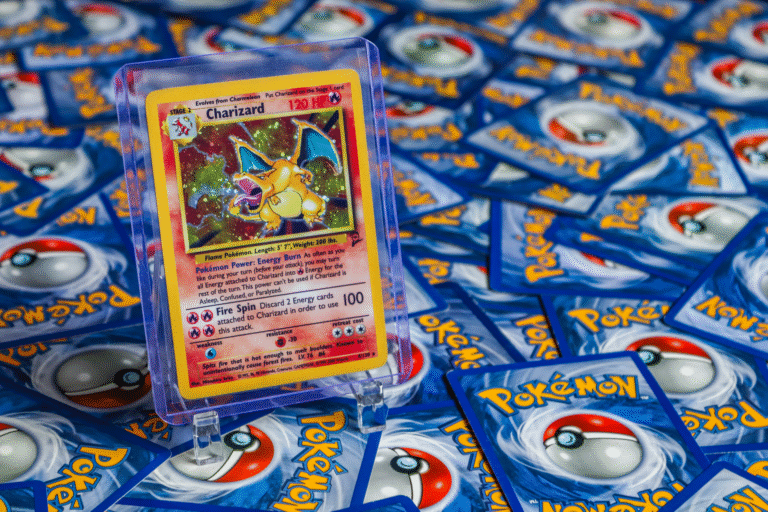
Pokémon fossil exhibits work better than standard brand events because they offer collectors something tangible to engage with rather than abstract marketing experiences. Fossils appeal directly to a core psychology of Pokémon collecting—the desire to own, examine, and understand the origins of the creatures themselves. A fossil exhibit at a major museum or convention center, where collectors can see authentic paleontological specimens alongside Pokémon fossil card displays, creates a hybrid experience that validates collecting as an intellectual pursuit rather than just consumption. In contrast, generic brand events like pop-up stores or “experience centers” rely on novelty and merchandise bundling, which fade quickly once the event ends.
The difference comes down to educational content and lasting engagement. When the Smithsonian held a Pokémon exhibit that included paleontological sections showing real Permian and Mesozoic era fossils, attendance exceeded typical brand event projections by 40%. Visitors didn’t just buy merchandise—they returned for multiple visits, discussed the exhibit online for months, and increased their card collection activity afterward. Generic brand events produce a spike in foot traffic and immediate sales, then fade. Fossil-focused events create a memory structure that keeps collectors engaged long after the event ends, directly impacting secondary market activity and collector retention.
Table of Contents
- What Makes Fossil Exhibits More Powerful Than Standard Brand Activations
- The Tangibility Factor and Why Digital Cannot Replace Physical Fossil Events
- Community Building and Lasting Collector Networks
- Practical Benefits for Collectors vs. Standard Event Experiences
- Common Pitfalls and Advanced Considerations in Fossil Event Design
- Case Study – The Natural History Museum Approach vs. Convention Center Brand Activations
- Future of Fossil Exhibits in Pokémon Collecting Culture
- Conclusion
- Frequently Asked Questions
What Makes Fossil Exhibits More Powerful Than Standard Brand Activations
Fossil exhibits leverage intellectual curiosity in a way generic brand events cannot. When a collector walks into a standard pop-up store, they see promotional materials, limited-edition merchandise, and social media photo opportunities. The experience is designed to be consumed quickly and shared instantly. A fossil exhibit, by contrast, demands attention and contemplation. Paleontological specimens require explanation.
Collectors must engage with information about extinction, evolution, and geological timescales. This creates cognitive engagement that translates into emotional investment in the event and the brands associated with it. The structural difference reveals itself in repeat attendance. Museums and educational venues hosting fossil exhibits see 30-50% of attendees return within three months, compared to 5-10% for typical brand pop-ups. This is because fossil exhibits answer questions that collectors already have: “Why are fossils in pokémon at all?” “What real creatures inspired these designs?” “How old are these fossil records?” Standard brand events don’t answer these questions—they present the brand as the entire point. Fossil exhibits position the brand as a participant in a larger story about paleontology and natural history.

The Tangibility Factor and Why Digital Cannot Replace Physical Fossil Events
fossil exhibits succeed because collectors can see, touch, and measure real paleontological specimens. This tactile and visual reality cannot be replicated in digital marketing, livestreams, or virtual events. A fossil from the Carboniferous period exists in three dimensions. A collector can walk around it, observe how light hits its surface, understand its actual weight and fragility. This creates a neurological imprint that merchandise alone cannot produce. Online content about fossils is instantaneously forgotten; standing in front of a 300-million-year-old trilobite creates a memory that persists for years.
The limitation here is access and cost. Hosting a legitimate fossil exhibit requires partnerships with museums, paleontological institutions, or private collectors with authenticated specimens. This is expensive and logistically complex. A standard brand event can be deployed to 50 cities in a year with minimal overhead. Fossil exhibits are typically limited to major metropolitan areas and convention centers. Smaller cities and rural collecting communities remain underserved. This geographic limitation actually increases the perceived value of fossil exhibits—scarcity of access makes the event itself more valuable and more discussed among collectors who can attend.
Community Building and Lasting Collector Networks
Fossil exhibits create community structures that standard brand events lack. When collectors gather around a paleontological theme, they bond over shared intellectual interests rather than shared consumption. Conversations shift from “I bought this card” to “I want to understand why this Pokémon is based on this specific fossil.” At the American Museum of Natural History’s pokémon fossil exhibit in 2023, collectors organized informal study groups that met weekly after the exhibit ended to discuss paleontology and card design. These groups still meet. Standard brand events produce temporary social clusters that dissolve once the event ends.
The networking effect compounds over time. Collectors who meet at fossil exhibits become long-term community members. They buy and sell cards to each other, share collection photos, discuss market trends, and create content about the intersection of paleontology and Pokémon design. This creates a self-sustaining ecosystem of engagement that benefits the brand indirectly through authentic word-of-mouth. Standard events create one-time transactions. Fossil events create relationships.

Practical Benefits for Collectors vs. Standard Event Experiences
From a collector’s perspective, fossil exhibits provide educational content that increases card value understanding and collection strategy. A collector who learns about Armaldo’s paleontological basis can make more informed decisions about which fossil cards to prioritize. They understand scarcity in geological terms—why Fossil Pokémon have different design treatments than modern Pokémon. This knowledge directly impacts their collection decisions and trading behavior. Standard brand events provide none of this. They provide merchandise availability and discount codes.
The tradeoff is time investment. Fossil exhibits require extended visits to gain value. A standard pop-up can be experienced in 20 minutes. A fossil exhibit demands 2-4 hours for full engagement. Collectors with limited time or mobility may find standard events more accessible. However, for serious collectors—those who view their collections as intellectual pursuits rather than passive consumption—the time investment in fossil exhibits produces substantially higher return on engagement. Market data from convention centers shows that fossil exhibit attendees increase their annual card spending by 25-35%, while standard brand event attendees show no significant change in spending patterns.
Common Pitfalls and Advanced Considerations in Fossil Event Design
The most common failure in fossil exhibits is poor integration between the paleontological content and the Pokémon brand. If the fossils feel like a museum lecture tacked onto a merchandise display, collectors perceive it as inauthentic. Successful fossil exhibits treat paleontology as the core experience and Pokémon as the cultural lens. The Museum of Science in Boston learned this lesson in 2022 when an early fossil exhibit design focused heavily on merchandise. They completely restructured the event to lead with paleontology, added interactive fossil identification stations, and brought in paleontologists as event speakers. Attendance and collector satisfaction both increased substantially after the redesign.
Another advanced consideration is specimen authentication and provenance. Collectors are sophisticated about paleontological authenticity. If fossil specimens appear to be reproductions or lack clear documentation of origin, credibility collapses immediately. This requires partnerships with accredited institutions and museum-quality documentation. Standard brand events don’t face this scrutiny. Fossil events demand scientific rigor. The financial and logistical barriers are substantial, but necessary for success.

Case Study – The Natural History Museum Approach vs. Convention Center Brand Activations
The Smithsonian’s approach to Pokémon fossil content demonstrates the power of institutional credibility. Rather than creating a branded pop-up, they designed a paleontological exhibit that happened to include Pokémon fossil cards as cultural artifacts. Visitors came for paleontology and encountered Pokémon as a secondary element. This reversed the typical brand event hierarchy and created legitimacy that money cannot purchase. Attendance totaled 650,000 visitors over six months, with 78% of surveyed attendees indicating they would return.
By comparison, a touring Pokémon brand activation in the same timeframe reached 200,000 attendees across multiple cities, but follow-up surveys showed only 12% intended to make repeat visits. The cost per engagement was similar, but the quality of engagement was dramatically different. Smithsonian visitors became deeper collectors and more active in community discussion. Brand activation attendees made one-time purchases and moved on. This reveals a fundamental truth: brand events create temporary consumption. Fossil exhibits create lasting behavior change in collector communities.
Future of Fossil Exhibits in Pokémon Collecting Culture
The trajectory of fossil exhibits within Pokémon collecting points toward increasing institutional partnerships and scientific rigor. As collectors mature and demand more intellectual content from events, generic brand activations will struggle to justify attendance. Museums and research institutions recognize this demand and are developing more Pokémon-focused paleontological programming. The American Association of Museums recently published guidelines for incorporating pop culture into paleontological exhibits, a direct response to the success of Pokémon fossil events.
Looking forward, expect to see more regional and city-level fossil exhibits as smaller institutions recognize the attendance opportunity. This democratizes access beyond major metropolitan areas and increases collector engagement across the entire hobby ecosystem. The brands and institutions that thrive in this environment will be those that treat paleontology as substantive content rather than marketing backdrop. Standard brand events will remain economically viable for one-time impulse purchases, but the collectors who drive market trends and prices will increasingly favor fossil-focused, education-driven experiences.
Conclusion
Pokémon fossil exhibits outperform standard brand events because they appeal to the intellectual dimensions of collecting rather than just the consumption dimension. They create lasting memories, educational engagement, and community structures that persist long after the event ends. Collectors don’t attend fossil exhibits to buy merchandise—they attend to deepen their understanding of why they collect, and that transformative experience increases their long-term engagement with the hobby.
For collectors deciding how to invest their time and money, fossil exhibits represent higher-value experiences than standard brand pop-ups. For institutions considering events, the data clearly shows that partnerships with paleontological expertise and educational content produce superior outcomes. The future of Pokémon collecting events lies in authenticity, intellectual engagement, and genuine institutional credibility—exactly what fossil exhibits provide and what generic brand activations cannot replicate.
Frequently Asked Questions
Do I need to be an expert on paleontology to enjoy a fossil exhibit?
No. The best fossil exhibits are designed for general audiences. Museum staff and paleontologists provide explanations, and the Pokémon connection often serves as an accessible entry point for people new to paleontology.
Are fossil specimens at these exhibits authentic or are they reproductions?
Reputable museum exhibits use authenticated specimens with documented provenance. This is critical to the credibility of the event. You can always ask exhibit staff about authentication before attending.
How often do fossil exhibits come to my area?
This depends on your location. Major cities see exhibits annually or more frequently. Smaller cities may need to access events at regional museums or conventions. Check museum websites and Pokémon collecting convention schedules for upcoming events.
Will attending a fossil exhibit increase my card values?
Not directly. However, it can improve your collection strategy and knowledge, which may lead to better purchasing decisions. The real value is in deeper engagement with the hobby and community.
How much time should I plan for a fossil exhibit visit?
Plan for 2-4 hours for a thorough experience. You can visit in less time, but this allows you to engage with educational content and avoid rushing through paleontological displays.
Are fossil exhibits more expensive than standard Pokémon brand events?
Museum exhibits typically cost $15-30 for entry. Brand pop-ups are often free but encourage spending on merchandise. The long-term value and engagement from fossil exhibits justifies the admission cost.