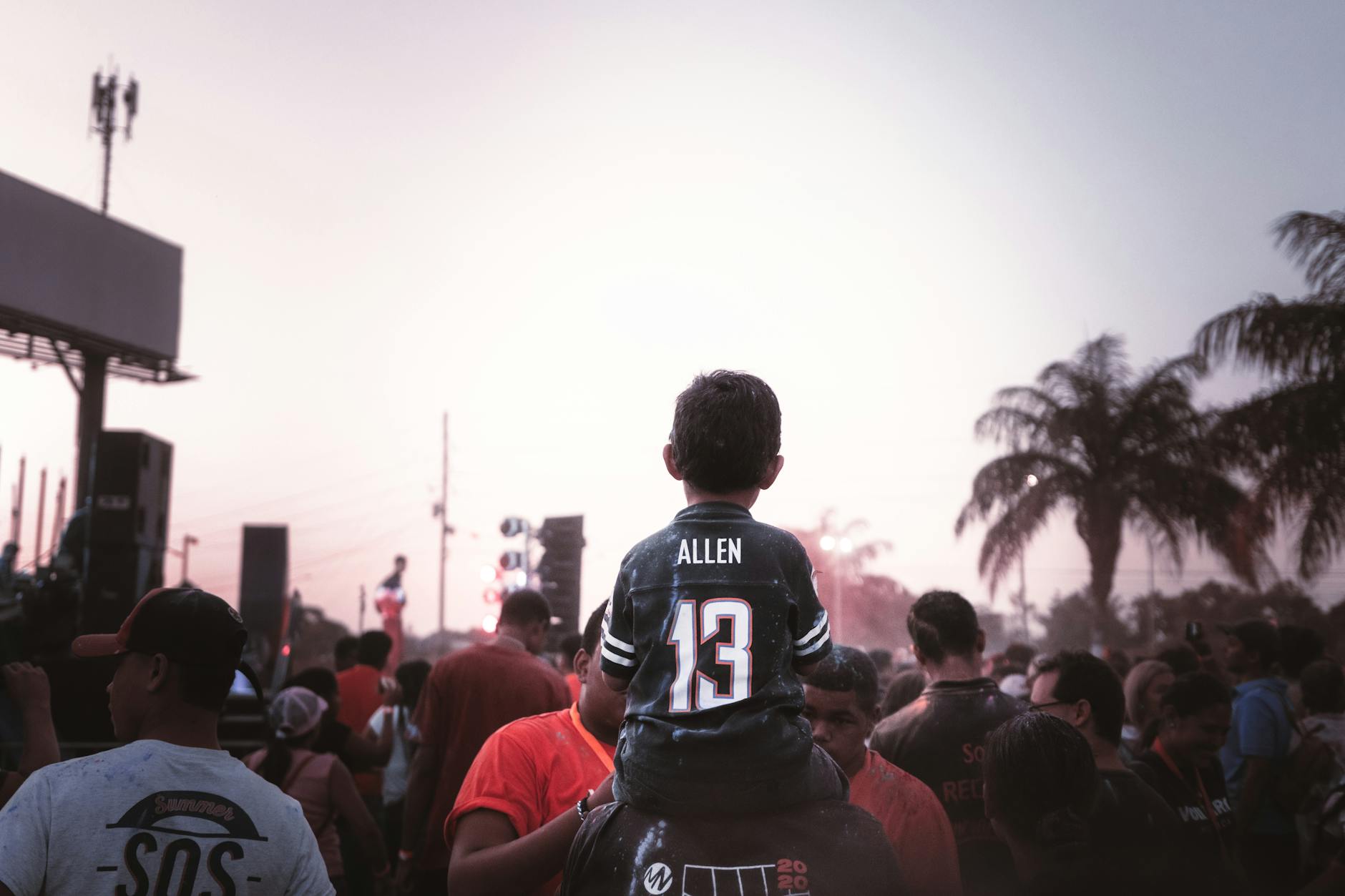
Pokémon GO Fest 2026 represents a significant economic opportunity for local businesses in host cities around the world, with historical data showing that comparable events generate hundreds of millions in direct spending and tax revenue. The 2024 NYC event alone brought $126 million in economic impact with over 68,000 players converging on the city, generating $26 million in tax revenue—a pattern that’s repeating across Tokyo, Chicago, Copenhagen, and 26 additional community celebration cities in 2026. For local restaurants, retail shops, transportation services, and accommodation providers, these events create a concentrated surge in foot traffic and consumer spending that extends far beyond what’s visible on a single downtown block.
The mechanics are straightforward: Pokémon GO Fest draws players into physical locations for extended periods, and they spend money while they’re there. Players at the 2024 events walked an average of 18.3 kilometers and caught 26.6 million Pokémon collectively, which means they stopped at convenience stores, restaurants, gas stations, and retail locations along those routes. For a business owner in a GO Fest host city, the question isn’t whether there will be added foot traffic—it’s how to prepare for it and maximize the opportunity.
Table of Contents
- How Much Revenue Does Pokémon GO Fest Actually Drive to Local Businesses?
- Where the 2026 Events Are Located and What That Means for Different Markets
- The Secondary Market Impact Beyond the Event Venues
- What Local Businesses Should Do to Prepare for the Event
- Attendance Estimates and Real Foot Traffic Expectations
- How the Global Event on July 11–12 Differs from City-Specific Events
- Long-Term Implications for Cities and Businesses Planning Beyond 2026
- Conclusion
How Much Revenue Does Pokémon GO Fest Actually Drive to Local Businesses?
The numbers from 2024 provide the clearest benchmark. In New York City alone, the event generated $126 million in total economic impact, with 59% of spending flowing to hotels, food, and retail. Madrid saw €35 million ($38 million USD) in economic impact, with nearly 60% of attendees traveling from outside Spain. The 2024 three-city total across NYC, Madrid, and Tokyo reached approximately $200 million in direct and indirect spending. These figures include both player spending and the secondary spending from visitors’ hotel stays, transportation, and other services. The spending patterns vary by business type and location.
Businesses within a two-kilometer radius of official event venues experience the highest spike, but secondary zones—areas where players congregate before or after official event hours—see meaningful gains too. A convenience store that stocks additional inventory during the event week can expect 2-3 times normal foot traffic from players buying water, snacks, and energy drinks. Higher-end restaurants within the event zone report check sizes 30-40% above average during fest weekends, driven by multi-day visits and group dining. The limitation here is that most of this spending is compressed into 3-4 days. A business that relies on the event for 10-15% of monthly revenue needs to prepare for rapid scaling and then manage the inventory and staffing decline when the event ends. Smaller businesses sometimes struggle with this boom-bust cycle.

Where the 2026 Events Are Located and What That Means for Different Markets
Pokémon GO fest 2026 includes major events in Tokyo (May 29–June 1), Chicago (June 5–7), and Copenhagen (June 12–14), plus a free global event on July 11–12 that every player can participate in. Beyond these anchor events, 26 community celebration cities are hosting local events, which means secondary markets—smaller cities and mid-sized towns—will also see concentrated player activity. This geographic spread matters because it prevents “winner-take-all” economics; local businesses in secondary markets aren’t competing with a single global event. The Copenhagen event is particularly interesting for European retail and hospitality because it’s the first major European GO Fest since Madrid 2024.
The last GO Fest outside Asia and North America generated €16 million ($17 million) in direct tax revenue alone, suggesting Copenhagen’s tourism board and local government have already factored the economic impact into their planning. In contrast, Chicago and Tokyo are experienced hosts; their infrastructure, hotels, and businesses are already optimized for the influx. A real risk for some communities is the reverse: if your city isn’t a GO Fest host but is adjacent to one, you might see competing demand for services. A business in a neighboring suburb might struggle to attract players and staff who are pulled toward the main event. Hotels in mid-tier cities near Tokyo or Chicago sometimes see cancellations when the official event dates are announced elsewhere, shifting demand to the host city directly.
The Secondary Market Impact Beyond the Event Venues
Players don’t spend money only at official event venues. The 18.3-kilometer average walking distance per player during 2024 events means they’re patronizing businesses across entire neighborhoods and city zones. A coffee shop located three blocks from the event zone sees higher traffic. A museum, park, or attraction that isn’t officially part of the event still benefits when trainers walk past during their exploration. Ride-share services, taxis, and public transportation all experience higher demand because players are moving around and traveling between rest points.
Local employment also rises temporarily. Many businesses hire temporary staff during GO Fest weeks, creating short-term job opportunities for students and part-time workers. In the Madrid 2024 event, the increase in temporary employment and service positions across accommodation, food service, and retail was notable enough to be included in regional employment statistics. The flip side: once the event ends, the economic boost disappears almost completely. A business that expanded staffing for the event faces labor challenges afterward. Some cities have learned to use the GO Fest weeks to test new service models or staff training, turning the temporary spike into a pilot for permanent changes—but not all businesses do this effectively.
What Local Businesses Should Do to Prepare for the Event
Preparation typically begins 4-6 weeks before the event. Businesses should inventory demand patterns from similar cities (if they’re a first-time host, studying 2024 NYC and Madrid data helps) and stock accordingly. A restaurant should confirm supplier availability for increased quantities of core ingredients. A retail store should increase staffing, extend hours, and position inventory strategically near entrances. Small groceries and convenience stores in high-traffic areas should double or triple their stock of bottled water, electrolyte drinks, and quick snacks—these categories drive 40-50% higher volume during the event compared to normal weeks. Some businesses benefit from simple operational changes: setting up outdoor queuing areas, expanding payment processing capacity, and briefing staff on the influx they’ll experience.
Businesses that stay open late or operate 24 hours see particular benefits during GO Fest weeks. A 24-hour diner near an event zone might see 30-50% of its weekly profit come from those 3-4 days alone. The tradeoff is that preparation requires upfront capital investment and operational overhead. A small business with tight cash flow might struggle to stock enough inventory without overdrawing credit lines. Hiring temporary staff requires onboarding and training time. Some owners decide the coordination cost exceeds the benefit—particularly if they’re not located in a prime traffic zone. However, cities with experience hosting events (Chicago, Tokyo) have developed playbooks that lower the coordination burden for participating businesses.
Attendance Estimates and Real Foot Traffic Expectations
NYC 2024 saw 68,000+ official attendees during event days, but the actual foot traffic in surrounding areas was much higher because casual players also participated in the free global event components and the secondary celebration zones attracted nearby residents. Madrid 2024 drew similar per-capita numbers for a smaller city. For 2026, Chicago—which has a larger metro population than NYC—could see 80,000-100,000+ event attendees if trends hold, though official projections haven’t been released. The critical limit is venue capacity and park space. Pokémon GO Fest venues need open areas for safety and gameplay.
If venue capacity is hit, overflow and unofficial gathering spots create secondary spending zones that are harder to predict. Tokyo’s event (May 29–June 1) occurs during the tail end of Japan’s rainy season, which could suppress some outdoor gathering but might increase spending on covered retail and food services. A major warning: projecting 2026 attendance based on 2024 data assumes similar marketing, player demographics, and global interest in Pokémon GO. The game’s player base fluctuates with content updates and seasonal changes. A spike in in-game legendary releases in June could amplify attendance, or a competing mobile game event in the same period could suppress it. Businesses shouldn’t plan investments entirely on the assumption that 2024-level crowds will repeat exactly.

How the Global Event on July 11–12 Differs from City-Specific Events
The July 11–12 global event is free and playable by all trainers worldwide, not just those attending physical venues. This is a fundamentally different economic model. Players can participate from their home towns, reducing the geographic concentration of spending.
A small town with no official GO Fest event might still see increased foot traffic and spending because local players are out playing, but the magnitude is smaller—perhaps 10-20% above normal rather than 2-3x normal. However, the global event creates a secondary opportunity for some businesses. Cities that successfully leveraged their 2024 events often schedule parallel local activities (pop-up shops, themed dining specials, or community events) during global event windows to recapture some of that concentrated engagement. A coffee shop in a non-host city that runs a “GO Fest July” promotion can still capture some benefit.
Long-Term Implications for Cities and Businesses Planning Beyond 2026
Cities that host GO Fest events gain more than one-time revenue; they build tourism infrastructure and reputation that attracts future events and visitors. Madrid’s 2024 event likely improved the city’s standing for hosting future major mobile gaming or tech events. Tokyo’s experience with GO Fest supports Japan’s broader strategy as a gaming tourism destination.
For individual businesses, the real question is whether the one-week revenue spike can fund lasting improvements. Some successful businesses use the event to test extended hours, new menu items, or outdoor service areas that they later make permanent. Others treat it as pure windfall. Looking ahead to 2027 and beyond, businesses in confirmed host cities should think of GO Fest not as a quarterly anomaly but as an annual recurring event that shapes their seasonal planning.
Conclusion
Pokémon GO Fest 2026 represents a meaningful but temporary economic surge for businesses in host cities like Tokyo, Chicago, and Copenhagen, with historical data showing $100-150 million in direct spending per major host city. For local businesses, the event is most valuable as a concentrated opportunity to capture spending from 60,000+ players who are actively seeking services and products.
The preparation window is tight but manageable, and businesses that coordinate inventory, staffing, and operational capacity with other local enterprises typically see strong returns. The broader lesson from 2024 events is that mobile gaming events create measurable economic activity, but that activity is concentrated geographically and temporally. Smart businesses treat GO Fest as a planning priority in host cities while maintaining realistic expectations: the revenue surge is real, but the opportunity window is short and won’t repeat until the event returns next year.
You Might Also Like
- Why Pokémon GO Fest 2026 Could Drive Huge Local Tourism
- Why Pokémon GO Fest 2026 Might Pull Casual Players Back In
- Why Pokémon GO Fest 2026 Could Be the Franchise’s Biggest Live Event Yet