A 1996 Pokemon Japanese Basic 130 Gyarados-Holo in PSA 9 condition will cost you between $60 and $365, depending on where you buy. At GameStop, the card is priced at $60.99 for standard customers or $57.94 for Pro members. On the secondary market, recent auction sales from February through May 2026 show values ranging from $71.46 to $115.50, with most sales clustering in the $80-$110 range. This represents a card in Mint condition—not perfect, but well-preserved with only minor wear visible under close inspection. The significant variation in pricing reflects where you’re shopping.
Retail channels like GameStop price lower than specialty collector platforms. Fanatics Collect’s fair value guide suggests $364.73, which represents what serious collectors might pay through premium channels. The PSA 9 grade sits in the middle of the market for this card—not a beginner’s entry point, but considerably more affordable than the higher grades that push past $400. Understanding where this card falls in the market requires looking at comparable sales, grading standards, and collector demand. The 1996 Japanese Base Set Gyarados remains one of the more sought-after cards from early Pokemon releases, particularly in holographic form.
Table of Contents
- What Is the Current Market Price for a 1996 Japanese Gyarados PSA 9?
- Understanding PSA 9 Grading and Card Condition
- How Does the 1996 Japanese Gyarados Compare to Other High-Grade Holo Cards?
- Where to Buy a 1996 Japanese Gyarados PSA 9 and Price Options
- Authenticity Concerns and Grading Verification
- The 1996 Japanese Base Set Collector Appeal
- Investment Perspective and Market Outlook
- Conclusion
What Is the Current Market Price for a 1996 Japanese Gyarados PSA 9?
The most practical answer depends on your timeframe and buying method. If you purchase today from GameStop, expect to pay $57.94 to $60.99. If you’re willing to bid on auctions or browse secondary sales, recent data shows $71 to $115 as the realistic range, with the sweet spot around $80-$95. This variation isn’t unusual in the card market—retail pricing often undercuts specialty seller pricing because retailers have different inventory acquisition costs and margins. The Fanatics Collect valuation of $364.73 is an outlier and reflects either very fresh stock, premium seller markup, or market inefficiency.
Most collectors shopping actively will encounter prices clustered in the $60-$115 range. For example, if you’re comparing this Gyarados to other high-demand water-type cards from the same set, you’ll see similar pricing patterns—cards in psa 9 typically range from $50 to $150 depending on specific card and collector interest. One limitation to note: prices fluctuate regularly based on supply and demand. A card might be $85 one week and $105 the next if demand spikes or inventory tightens. Checking multiple sources before purchasing is always recommended.

Understanding PSA 9 Grading and Card Condition
PSA 9 means “Mint,” which is Professional Sports Authenticator’s fourth-highest grade on their ten-point scale. A Mint card shows excellent condition with only minor wear—typically slight wear on the edges or corners visible under magnification, possibly light handling marks on the surface, but no creases, stains, or major defects. The holographic surface, which is critical for a holo Gyarados, should have no visible damage or scratching. For a card from 1996, achieving PSA 9 is genuinely impressive. Nearly 30 years have passed since these cards were printed, and most surviving examples show significantly more wear. The fact that this Gyarados reached Mint status suggests careful storage, limited handling, or discovery from a sealed collection.
The holo printing on Japanese cards from this era is delicate, so a PSA 9 specimen avoided common problems like holo wear, light scratches, or fading. A critical limitation: PSA 9 leaves room for improvement. The same card in PSA 10 (Gem Mint) condition sells for $400-$510 according to auction data. That means moving from PSA 9 to PSA 10 can increase value by $250-$400 or more. If you’re holding a PSA 9 copy and considering resale, be aware that a single grade bump could significantly alter value. Conversely, if a card appears to have edge wear or slight holo damage, PSA 8 grades typically sell $30-$50 lower, making condition assessment genuinely consequential.
How Does the 1996 Japanese Gyarados Compare to Other High-Grade Holo Cards?
The 1996 Japanese base Set is foundational to Pokemon collecting, and Gyarados holds particular appeal as a powerful, iconic water-type. When comparing to other cards from the same set, Gyarados typically commands mid-range pricing—not as expensive as Charizard holo specimens, which often exceed $150-$200 in PSA 9, but notably more valuable than common hologram cards that might be $30-$50. Pricing context matters. A PSA 9 1996 Japanese Charizard holo will cost significantly more—often $200-$300 or beyond—making Gyarados relatively accessible for collectors seeking high-grade vintage Pokemon cards.
Meanwhile, non-holographic Gyarados from the same set in PSA 9 might cost $15-$30, illustrating how dramatically the holographic treatment affects value. The holo designation can multiply a card’s value by 3-5x, making it a critical factor in pricing. One example: if you’re building a collection of Japanese Base Set holos and have a $500 budget, you might acquire multiple Gyarados in PSA 9 condition while a collector focusing on Charizards could purchase only one or two specimens. This comparison shows why Gyarados occupies an attractive middle ground for serious collectors seeking authentic high-grade vintage cards without premium-tier pricing.

Where to Buy a 1996 Japanese Gyarados PSA 9 and Price Options
Three primary channels exist for purchasing this card. GameStop’s $60.99 pricing is the most accessible entry point and includes the benefit of a established retailer with consumer protections. Their Pro membership discount brings the price down to $57.94, saving roughly $3 per transaction. This is the lowest official retail price and makes sense for buyers prioritizing convenience and guaranteed authenticity through a major brand. Auction platforms and secondary marketplaces offer more negotiation potential. PSA Card’s auction price data shows $71-$115 as the active market, allowing you to watch sales and bid strategically.
Some weeks you’ll find examples closer to $70-$80, other times they approach $115. The tradeoff is time spent monitoring listings and the possibility of outbidding other collectors, but patient shoppers often beat retail pricing. For example, if you set a maximum bid of $85 and win an auction in the $78-$82 range, you’ve saved $20-$30 compared to GameStop. Fanatics Collect and specialty grading dealer platforms represent the premium tier. The $364.73 pricing on Fanatics Collect is difficult to justify for this particular card unless there’s exceptional provenance or fresh inventory commanding a premium. Generally, specialty platforms work better for ultra-rare or modern graded cards where dealer margins are narrower.
Authenticity Concerns and Grading Verification
The PSA 9 designation only holds value if the card is genuinely graded by Professional Sports Authenticator. Counterfeit cards and fake grades exist in the Pokemon market, particularly for high-value pieces. When purchasing this Gyarados, always verify the PSA certification number, check it against PSA’s official database, and examine the hologram on the grading holder itself. PSA uses unique certification numbers and updated security features to prevent fraud. A serious warning: buying from unverified sellers, auction sites without buyer protection, or private individuals offering “PSA 9” cards without verifiable holders is risky.
A 1996 Japanese holo Gyarados that looks like PSA 9 condition but lacks the physical graded holder in hand might be a regrade attempt, misrepresented card, or counterfeit. For vintage cards at this price point, demand to receive the physical card in its PSA holder before completing payment through a secure method. One limitation of PSA 9 grading: the subjectivity of grading itself. Different grading companies (PSA, BGS, Sportscard Guaranty) have slightly different standards. A card graded PSA 9 might receive a PSA 8 or PSA 10 if resubmitted. While PSA is the market standard for Pokemon cards, understand that the $60-$115 range assumes consistent PSA grading standards going forward.
The 1996 Japanese Base Set Collector Appeal
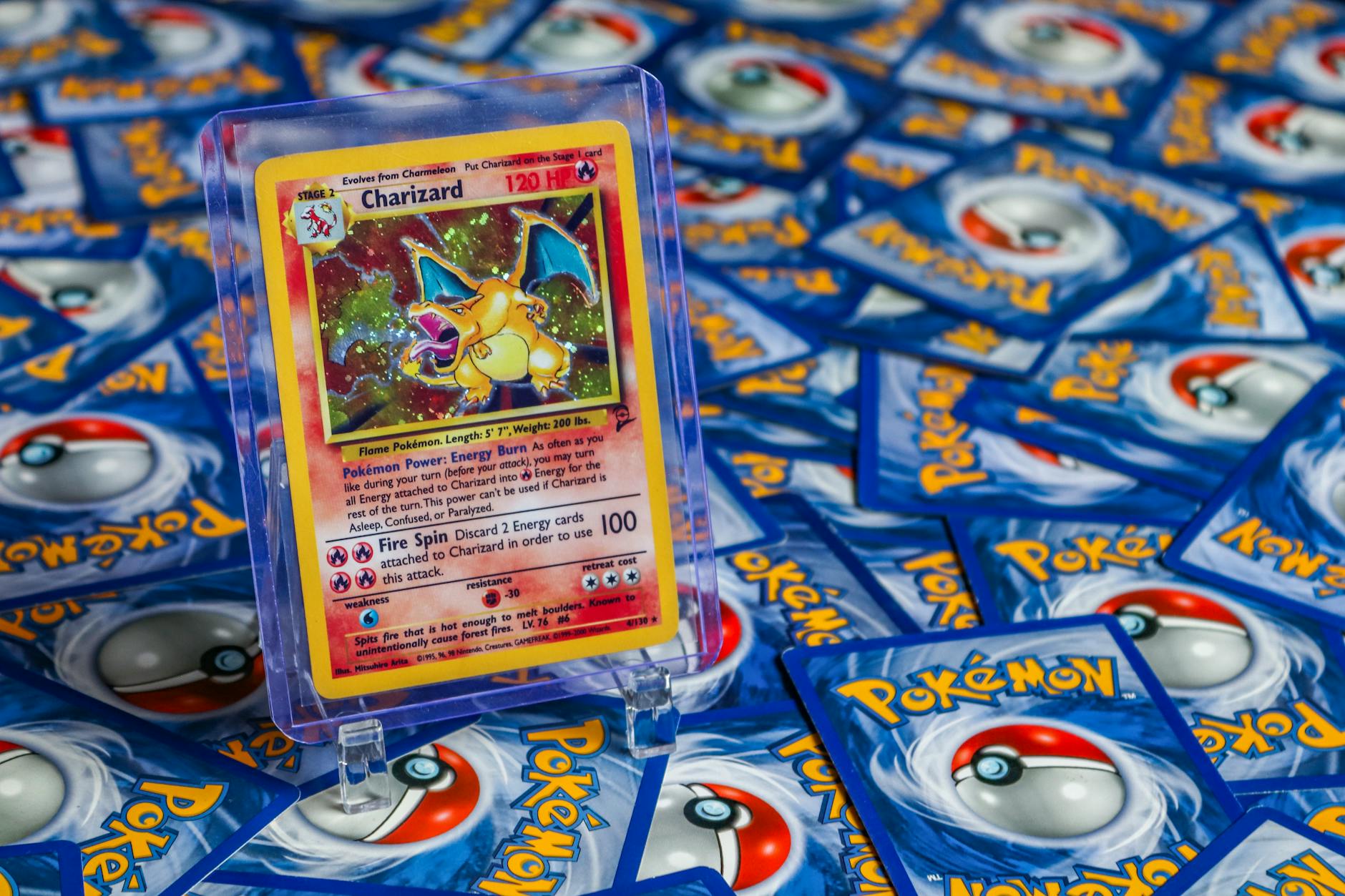
The 1996 Japanese Base Set is considered the true foundation of Pokemon collectibles. These cards were printed first, before the English expansion sets, and many collectors view Japanese originals as more authentic or historically significant. The set includes all original artwork and specifications without Western localization, which appeals to purists and investors seeking early print runs.
Gyarados appears as card number 130, a powerful holo card that was popular with players and is similarly desirable for collectors today. The combination of vintage pedigree, holographic rarity, and playable history creates sustained collector demand. For example, a collector building a “Generation One Water-Types” collection would likely include Gyarados as a core piece, while players reconstructing 1996-era tournament decks need this card’s original printing. This dual appeal—collector and historical gaming relevance—supports the $80-$115 secondary market range where many specimens are actively being purchased.
Investment Perspective and Market Outlook
Holding a PSA 9 1996 Japanese Gyarados represents a store of value rather than a speculative investment. The card has remained steadily in demand for 30 years and shows no signs of crashing. The fact that PSA 10 specimens command $400-$510 suggests there’s genuine collector interest and spending capacity at higher tiers, supporting current PSA 9 valuations. However, expect market fluctuations—periods of 10-20% value movement based on Pokemon nostalgia cycles, grading availability, or broader collector sentiment.
Looking ahead, condition rareness will likely support PSA 9 valuations. As time passes and surviving specimens continue aging or being lost, high-grade examples become proportionally scarcer. The 1996 Japanese Base Set is already 30 years old, and PSA 9 examples represent perhaps the top 5-10% of surviving cards in condition. This natural scarcity, combined with continued collector interest in early Pokemon, suggests these cards will hold value at minimum and likely appreciate modestly over time.
Conclusion
A 1996 Pokemon Japanese Basic 130 Gyarados-Holo PSA 9 will cost between $57.94 at GameStop and $115 on the active secondary market, with most sales clustering around $80-$95. The card represents Mint condition with minor wear appropriate for a 30-year-old vintage piece. Before purchasing, verify the PSA certification number through the official database, understand that PSA 10 specimens cost significantly more ($400-$510), and consider multiple purchase channels to find the best price for your timeline and preferences.
If you’re collecting vintage Pokemon cards or investing in early-era Japanese holographic specimens, this card offers genuine appeal backed by 30 years of consistent market demand. Take time to compare prices across GameStop, auction sites, and specialty platforms, and don’t hesitate to wait for favorable auction pricing if you’re not in a hurry. The market for this card is stable and liquid, meaning you’ll find buyers if you ever choose to sell.