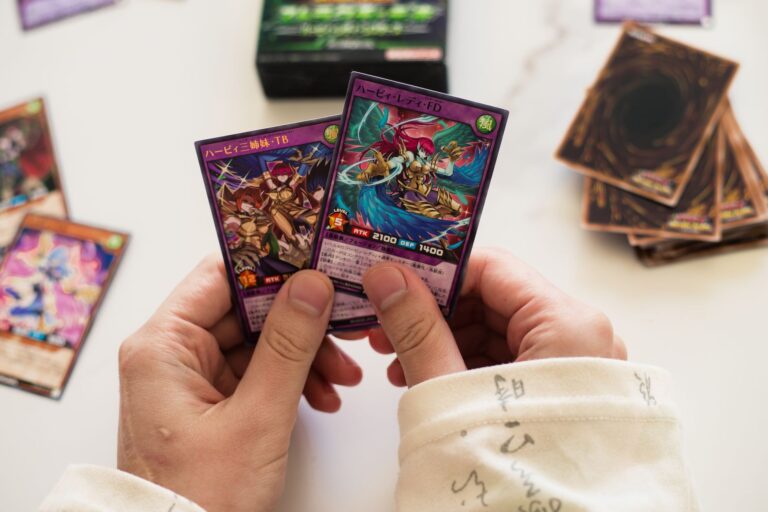
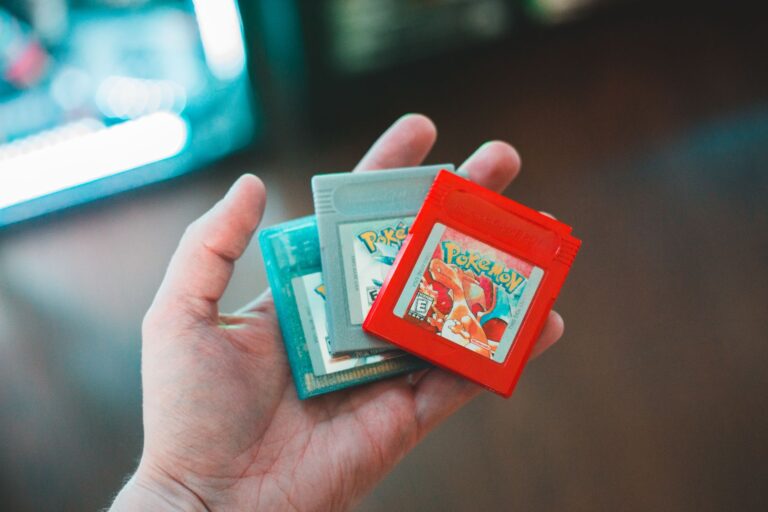
Japan’s number one Pokémon matters globally because Japan itself is the epicenter of the Pokémon franchise’s cultural and commercial power. Pokémon was officially Japan’s most wide-reaching entertainment brand in 2024, with 65,578 reach points—surpassing even Disney’s Tsum Tsum franchise at 60,132 points. When Japanese fans voted on their favorite Pokémon in 2025, Charizard came out on top based on over 18,000 votes collected in just three days. This isn’t a minor regional preference—it’s the dominant opinion in the franchise’s birthplace and primary economic engine.
Understanding what resonates in Japan provides the clearest signal for what will drive global collecting trends, card values, and franchise priorities for years to come. The Japanese market’s choices have outsized influence on the global Pokémon card economy because Japan remains the franchise’s largest and most engaged market. The ripple effects are immediate: when Japanese collectors prioritize certain Pokémon, their purchasing power reshapes which cards become scarce, which products receive special editions, and ultimately which cards appreciate in value worldwide. Collectors in other markets follow these signals, either because they respect Japanese taste or because they’re competing with Japanese buyers for the same limited products. The number one Pokémon in Japan doesn’t just reflect local opinion—it functions as a global proxy for which cards and which Pokémon will hold long-term cultural and monetary value.
Table of Contents
- How Japan’s Entertainment Dominance Shapes Global Pokémon Priorities
- Charizard’s Japanese Dominance and the Card Market Mechanics Behind It
- The Pikachu Paradox – Global Recognition vs. Japanese Preference
- The Economics of Popularity – How Rankings Drive Production Decisions and Card Scarcity
- The Limitations of Using Japan as a Bellwether for Global Trends
- Revenue Generation and Market Validation Through Numbers
- The Future of Pokémon Relevance and Long-term Market Implications
- Conclusion
How Japan’s Entertainment Dominance Shapes Global Pokémon Priorities
japan‘s position as the franchise’s creative and commercial nerve center means its preferences carry weight that no other market can match. The pokémon Company is headquartered in Tokyo, the TCG is manufactured primarily in Japan, and the Japanese player base generates some of the highest per-capita spending on Pokémon products globally. When Japan’s entertainment metrics show Pokémon at the absolute top—ahead of One Piece, Dragon Ball, and every competing property—that’s not sentiment, that’s measurable daily engagement across apps, games, music, videos, and manga. The franchise generated $12 billion in revenue in 2024 alone, with 489 million video game units sold worldwide.
Japan’s preference for Charizard isn’t isolated enthusiasm; it’s the preference of the market that invented and controls the franchise. This matters to card collectors specifically because Japanese preferences directly influence which Pokémon receive premium art, limited editions, and special printings. When Japanese players rank Charizard as their favorite, the Pokémon Company responds with Charizard ex cards, alternate art releases, and Japanese-exclusive products that eventually reach the global market—often at significant premiums. Compare this to a Pokémon that’s less popular in Japan but has niche appeal elsewhere: it simply won’t receive the same production priority. The practical implication for collectors is straightforward: Japanese-validated Pokémon are safer long-term investments because they’re guaranteed to receive consistent support and product releases backed by a market with proven purchasing power.
Charizard’s Japanese Dominance and the Card Market Mechanics Behind It
Charizard’s popularity in Japan is functionally different from being a fan favorite—it’s a commercial signal that shapes production decisions. The 2025 popularity poll showing Charizard at number one wasn’t sentimental; it was based on 18,000+ actual Japanese fans voting over three days. This creates a feedback loop: high popularity rankings lead to more premium products, which increase visibility, which reinforces the Pokémon’s status as collectible. For Charizard specifically, this has meant consistent access to Charizard ex cards, full-art treatments, and Japanese-exclusive alternate arts that become sought-after globally. When these products hit limited print runs, Japanese demand alone is enough to create real scarcity, and global scarcity drives card prices upward.
However, relying solely on Japanese popularity as a price predictor has a critical limitation: it assumes continued production support and doesn’t account for market saturation. Charizard has been one of the most heavily printed Pokémon in TCG history, precisely because of its popularity in Japan. This means there are far more Charizard cards in circulation than rarer Pokémon with less dedicated followings. A newly printed Charizard card may be common in Japanese booster boxes, limiting its long-term scarcity value compared to a less-popular Pokémon that receives fewer print runs. Collectors betting on Charizard should focus on early printings, full-art variants, and region-specific releases rather than assuming every Charizard card will appreciate simply because Charizard is popular. High popularity doesn’t guarantee high value if supply is equally high.
The Pikachu Paradox – Global Recognition vs. Japanese Preference
Pikachu’s relationship to the number-one Pokémon ranking reveals an important distinction: recognition and preference are not the same thing. Pikachu is undeniably the global face of Pokémon, accounting for approximately 23.5% of Pokémon searches in the Middle East and Central Asia—more than twice the 9.2% global average. This makes Pikachu a powerful commodity globally, especially outside Japan and the United States. Yet in Japan’s own 2025 popularity poll, Charizard ranked first, suggesting that Japanese fans make a distinction between “iconic” and “favorite.” They appreciate Pikachu’s status as the franchise ambassador but prefer Charizard for personal collecting.
This distinction matters for card pricing because it highlights a bifurcation in the global market. Pikachu commands premium prices in international markets precisely because it’s universally recognized—collectors in Southeast Asia, the Middle East, and Europe are willing to pay for Pikachu cards regardless of Japan’s preference ranking. Charizard, conversely, commands premiums primarily in Japan and among collectors who follow Japanese trends. The practical takeaway: a Pikachu card that sees global search demand might appreciate faster in non-Japanese markets, while a Charizard card of equivalent rarity might appreciate faster in Japan and among collectors betting on Japanese-led TCG support. The “number one Pokémon” status of Charizard in Japan doesn’t make Pikachu less valuable—it just clarifies that they operate in different market segments.

The Economics of Popularity – How Rankings Drive Production Decisions and Card Scarcity
The economics are straightforward: popularity rankings directly determine production volume, and production volume determines scarcity, and scarcity determines price floors. When Japanese fans ranked Charizard first in 2025, the Pokémon Company’s product development teams immediately began planning Charizard-centric releases for the Japanese market and beyond. This includes deciding how many booster boxes to print, which Charizard cards to feature in premium sets, and whether to create exclusive Charizard products for Japanese retailers. These decisions then cascade: limited Japanese products create import demand in other markets, which pushes prices upward globally. However, there’s a tradeoff between short-term and long-term value.
A Charizard card released in the quarter after it’s voted number one will see high demand but potentially high print volumes to meet that demand. The card that holds long-term value is typically the Charizard variant that becomes scarce—perhaps a specific alternate art released in Japan-only booster packs, or an early printing from before the popularity spike. Collectors often make the mistake of buying heavily printed cards immediately after a popularity announcement, expecting prices to appreciate. Instead, prices often stagnate as supply floods the market. The smarter play is waiting six months to identify which specific Charizard variants became genuinely scarce, then acquiring those. Japanese popularity is a leading indicator of which Pokémon will drive collector demand, but it doesn’t guarantee which specific card versions will hold value.
The Limitations of Using Japan as a Bellwether for Global Trends
Japan’s dominance in the Pokémon franchise doesn’t make its preferences universal. Regional preferences vary significantly: players in Southeast Asia may prioritize different Pokémon, Europe has different collecting cultures, and the Americas have their own established preferences driven by childhood nostalgia and localized marketing. When Pokémon TCG Pocket earned $141.4 million in its first full month (November 2024), Japan contributed 42% of revenue and the USA contributed 27%—a significant majority, but not an overwhelming consensus. This means that approximately 31% of revenue came from markets beyond Japan and the USA, each with their own preference patterns.
The warning here is critical: collectors who slavishly follow Japanese rankings without understanding their own market’s preferences may end up holding cards that are valuable in Japan but sit in inventory elsewhere. For example, a Pokémon that’s popular in Japan but has less nostalgia appeal in Western markets might appreciate in Japan while remaining flat in the USA. Regional diversity also means that global supply chains can create disconnects—a product that’s scarce in Japan might be readily available in North America if Pokémon Company distribution decisions favor different markets. Successful collectors recognize that Japan’s preferences are important but not deterministic; they should understand both their target market and Japan’s market, then look for opportunities where the two align.
Revenue Generation and Market Validation Through Numbers
The financial data confirms that Japanese preferences carry practical weight. Pokémon Scarlet and Violet, which sold 8.3 million units in Japan, became the best-selling Pokémon games globally—not because they were the best games, but because they had the strongest launch support in the franchise’s largest market. Similarly, Pokémon TCG Pocket’s $141.4 million first-month performance was heavily driven by Japanese adoption, which then influenced global perception of the app’s success and drove downloads elsewhere. The franchise’s total 2025 revenue of $103.6 billion represents the compounding effect of Japanese validation creating products that then resonate globally. This validation effect extends directly to card values.
Pokémon TCG sets that perform well in Japan—measured by booster box prices, secondary market demand, and player adoption—tend to hold value better globally than sets that see Japan-only enthusiasm. Conversely, sets that underperform in Japan often see global price declines as the market waits to see if Japanese players will eventually drive demand. For collectors, this means watching Japanese booster box prices and secondary market sales as leading indicators. If a set is holding value in Japan 6-12 months after release, it’s likely to hold value globally. If Japanese demand collapses, global prices typically follow within 2-3 quarters.
The Future of Pokémon Relevance and Long-term Market Implications
Charizard’s ranking as Japan’s number-one Pokémon in 2025 signals that the Pokémon Company intends to maintain Charizard’s central role in the franchise for the foreseeable future. This represents a multi-year commitment to producing Charizard products, creating alternate arts, and featuring Charizard in premium sets. For collectors with a 5-10 year investment horizon, this means Charizard cards have structural support—they’re unlikely to be abandoned or become obsolete because they’re tied to the franchise’s most popular Pokémon in its most important market. Pokémon GO’s 115 million active players worldwide also suggests that the franchise’s growth isn’t saturated; there remains room for new collectors to enter, which will drive ongoing demand for iconic Pokémon like Charizard.
However, the franchise’s sustained success also creates a risk: as Pokémon’s market grows and becomes increasingly global, Japanese preferences may become less deterministic of worldwide trends. Younger collectors entering the market in non-Japanese regions may develop their own preferences independently of what Japan’s established fanbase values. If this happens, the market could bifurcate further, with Japanese-validated Pokémon remaining premium in Japan while different Pokémon command premium prices elsewhere. The cards that will hold value long-term are those that transcend geographic preference—Charizard qualifies because it’s beloved in multiple markets, not just Japan. Collectors should invest in Charizard with confidence, but remain alert to emerging Pokémon that might be gaining traction globally independently of Japanese rankings.
Conclusion
Japan’s number-one Pokémon matters globally because Japan remains the economic and creative center of the Pokémon franchise, with the franchise generating $12 billion in 2024 revenue alone and commanding more daily digital engagement than any competing entertainment property in Japan. Charizard’s ranking at the top of the 2025 Japanese popularity poll is a concrete signal that the Pokémon Company will prioritize Charizard products, create scarce variants, and maintain the Pokémon’s cultural status globally. This translates directly to card values: Japanese-validated Pokémon receive consistent production support and retain collector demand more reliably than Pokémon popular only in niche regions. For card collectors, understanding Japan’s preferences is essential, but it should inform strategy rather than determine it entirely.
Watch Japanese market signals as leading indicators of which Pokémon will receive premium products and which cards might become scarce. Prioritize buying specific Charizard variants that are genuinely limited—full-art treatments, Japanese-exclusive booster pack products, or early printings—rather than assuming all Charizard cards will appreciate. Recognize that while Japan shapes the franchise’s direction, other markets create competing demand patterns. The cards that hold the strongest long-term value are those that combine Japanese popularity with broader global appeal, ensuring sustained demand across multiple markets regardless of how franchise priorities evolve.