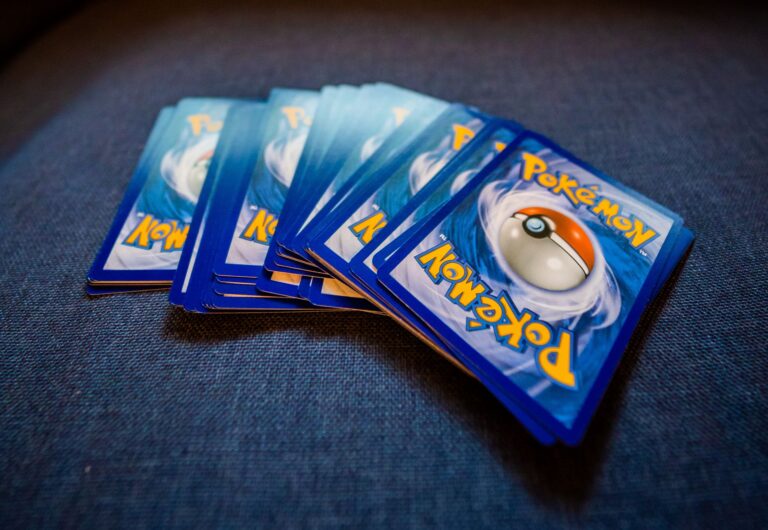
Interest rates directly influence how much you’re willing to pay for a vintage Pokemon card, how easy it is to finance large purchases, and whether cards remain an attractive investment compared to safer alternatives like bonds. When the Federal Reserve maintains rates at the current 3.5%-3.75% target range, as it has done through April 2026, collectors face a genuine choice: lock money into a savings account earning 4-5% annually with zero risk, or invest in a PSA 8 Charizard worth $8,000 that might appreciate 10% or sit flat. The higher the rates climb, the more compelling those guaranteed returns become, and the more skeptical collectors become about holding illiquid assets that generate no income.
This tension explains why Pokemon card prices fell 30-50% off their peaks in 2025, despite the cards’ stunning 3,261% appreciation over the past two decades compared to just 483% for the S&P 500. Rising interest rates fundamentally change the financial math for collectors and investors. Even as the broader alternative collectibles market is projected to grow from $308.31 billion in 2025 to $480.75 billion by 2033, individual card portfolios can struggle when borrowing becomes expensive and safer yields become competitive.
Table of Contents
- How Higher Interest Rates Reduce Demand for Physical Collectibles
- Why Bond Yields Compete Directly with Pokemon Cards as Investments
- Market Corrections and the Rate-Driven Cooling of Speculation
- Calculating Your Own Risk-Adjusted Returns as Rates Shift
- The Illiquidity Problem When You Need to Sell
- Japanese Cards and Currency Risk in a Higher-Rate Environment
- The Forward Outlook—What Lower Rates Could Mean for Card Prices
- Conclusion
How Higher Interest Rates Reduce Demand for Physical Collectibles
When borrowing costs rise, fewer people can afford to finance large card purchases. A collector with $30,000 to deploy faces a real decision: buy a collection of vintage cards on a $15,000 loan at 8% interest, or place that $30,000 in a high-yield savings account earning 4.5% risk-free. The interest rate differential matters. At a 3% spread, the collectibles gamble seems reasonable. At a 5% spread, suddenly you’re paying hundreds monthly just to carry debt on an asset with no guaranteed returns. High interest rates make that debt expensive and make the opportunity cost of locking capital into illiquid cards too steep for many buyers.
Additionally, dealer financing for card purchases becomes less attractive. Major card retailers and third-party platforms often offer 12-24 month financing on expensive purchases—popular during loose-money years when rates hovered near zero. Those same financing offers cost dealers more to provide when the Federal Reserve’s benchmark rate sits above 3%, and they often pass those costs to customers through higher prices or stricter credit requirements. A collector who might have financed a $5,000 graded card purchase in 2021 may balk at the monthly payment when interest rates have doubled. The demand-dampening effect is visible in the market: trading card values fell significantly during 2025 as rates remained elevated and remained sticky. The broad TCG market, valued at $21.4 billion in 2024 and projected to reach $58.2 billion by 2034, can still grow in nominal terms while individual card prices retreat, creating a bifurcated market where bulk and modern cards thrive while vintage pieces stagnate.

Why Bond Yields Compete Directly with Pokemon Cards as Investments
A bond yielding 4.5% provides certainty; a Pokemon card provides hope. When the Federal Reserve’s actions push Treasury yields higher, that calculus shifts sharply in bonds’ favor, especially for collectors viewing cards as alternative investments rather than hobby purchases. Consider an investor with $20,000 considering either a vintage PSA 9 Blastoise from Base Set or a ladder of five-year Treasury bonds. The bonds currently offer roughly 4-4.5% annual yield. The Blastoise might appreciate 8-12% annually if market conditions align, but it might also depreciate 5-10% if speculative demand cools. You can’t predict which outcome occurs; with bonds, you know exactly what you’ll earn. This is particularly damaging for cards because Pokemon cards lack the productive characteristics that justify holding them against safer assets.
Stocks generate dividends. Real estate produces rental income. Bonds pay coupon payments. vintage pokemon cards generate nothing except hope they’ll be worth more tomorrow. When interest rates make bonds attractive, that opportunity cost becomes impossible to ignore. A serious collector might accept 30% price volatility in exchange for potential 20% annual appreciation when bonds yield 1%; that same collector becomes a seller when bonds yield 4.5% and card appreciation is uncertain. Japan’s rising inflation during 2025-2026 compounded this problem, increasing production costs for new Pokemon cards throughout the supply chain and making Japanese vintage cards even more expensive for international buyers as the yen weakened against the dollar. This cost-push inflation makes it harder to justify speculative purchases on historical appreciation rates when safer assets have become genuinely competitive.
Market Corrections and the Rate-Driven Cooling of Speculation
The 2025 price correction in Pokemon cards—where established cards lost 30-50% of their peak values—occurred precisely because interest rates remained elevated, cooling the speculative frenzy that had driven prices to unsustainable levels during the 2020-2021 zero-rate environment. During that period, collectors and investors were desperate to deploy capital anywhere except into savings accounts yielding 0.01%. Vintage Pokemon cards offered narrative-driven returns and scarcity, so prices rocketed. Average Pokemon card values rose 46% year-over-year as of January 2026, but that figure masks a decline from much higher 2024 valuations as supply caught up with demand and the speculative bubble deflated.
This correction is healthy for long-term collectors but brutal for anyone who bought at peaks expecting continued appreciation. A PSA 8 Charizard that sold for $12,000 in early 2024 might fetch $7,000-$8,000 in 2026, representing a 30-40% loss in less than two years. Those losses arrive precisely when interest rates are high enough that buyers could have earned 8-10% total return (including interest rate income and price appreciation) from a diversified portfolio instead. The problem isn’t that Pokemon cards appreciate poorly over decades; they don’t. The problem is that rate-driven buying cycles create timing risks that can wipe out years of gains in months.

Calculating Your Own Risk-Adjusted Returns as Rates Shift
A practical framework for deciding whether to buy now involves comparing three scenarios: the risk-free rate (what you’d earn in savings), the expected card appreciation rate (historical data suggests 10-15% annually for rare vintage cards over 5+ year periods), and the volatility you’re willing to tolerate. When the risk-free rate was 0.5% in 2021, accepting 40% price swings for a 12% expected return made sense for many buyers. When the risk-free rate is 4.5%, that same tradeoff becomes harder to justify unless you’re confident in 18-20% annual appreciation—a rate unsupported by recent market history.
The global collectibles market’s projected 5.71% annual growth through 2033 sits only slightly above current bond yields, offering no meaningful compensation for the illiquidity and volatility of physical cards. Compare this to the S&P 500’s historical 10% annual returns (albeit with its own volatility), and collectibles become even less attractive on a risk-adjusted basis. For collectors who buy cards primarily for enjoyment rather than investment, rate environment matters less; you’re not trying to beat bonds or stocks. For those treating cards as portfolio diversification, higher rates require either exceptional conviction in appreciation or acceptance that cards will underperform safer alternatives during high-rate environments.
The Illiquidity Problem When You Need to Sell
High interest rates also create hidden costs when you need to convert cards to cash. Selling a graded vintage card typically requires 30-60 days of listing time and involves eBay or dealer fees that reduce proceeds by 10-20%. If you’re forced to sell during a price downturn—because interest rates have made your opportunity cost unbearable—you’re locking in losses compounded by transaction costs. A collector who bought a $5,000 card during the 2024 peak and wants to exit at the current $3,500 depressed price faces not only a $1,500 loss but an additional $350-$700 in selling fees.
That $2,000-$2,200 total loss (40-44% of original capital) compounds the sting of the price correction. This liquidity risk matters far less for bonds and stocks, where you can exit positions in seconds during market hours at transparent, predictable bid-ask spreads. Pokemon card buyers face a continuous disadvantage: you can’t efficiently exit when rates spike and bonds become attractive. By the time you’ve listed your cards and found a buyer, market conditions may have deteriorated further. Anyone planning to hold cards as a hedge against economic uncertainty should accept that they won’t be able to raise cash from this position quickly if their thesis changes due to shifting interest rates.

Japanese Cards and Currency Risk in a Higher-Rate Environment
Japanese vintage Pokemon cards face a double squeeze from higher interest rates: reduced demand from international buyers (who must now carry higher borrowing costs) and unfavorable currency dynamics from Japan’s weaker yen. As the yen weakened against the dollar during 2024-2025, Japanese Base Set and Fossil cards priced in yen became more expensive for US and European collectors when converted to dollars. A card that cost ¥500,000 when the exchange rate was 110 yen per dollar costs proportionally more when rates shift to 150 yen per dollar—even if no Japanese seller has raised their yen-denominated price.
This currency headwind, combined with Japan’s own rising inflation increasing production costs, has made Japanese vintage cards seem less attractive compared to US-printed alternatives, which lack this layer of FX risk. Collectors considering diversification into Japanese cards should monitor not just Pokemon card values but also currency trends and the Federal Reserve’s stance on rates. A surprise rate cut could weaken the dollar and improve the appeal of Japanese cards; a rate hike could push them further into the shadows relative to dollar-priced US alternatives.
The Forward Outlook—What Lower Rates Could Mean for Card Prices
If the Federal Reserve cuts rates later in 2026 (currently expected by some analysts given persistent inflation concerns), the calculus inverts. Lower interest rates would reduce the opportunity cost of holding illiquid cards, make financing more affordable for large purchases, and potentially spark speculative demand recovery as investors become hungry for alternative assets again. Treasury yields falling from 4.5% to 3.5% wouldn’t seem like much, but it would shift more of the risk-reward profile toward collectibles for investors operating on razor-thin return differentials.
However, don’t expect 2021 conditions to return. The market is more rational now, having lived through the 2024-2025 correction. Vintage Pokemon cards will continue to appreciate over multi-decade horizons—the 3,261% gain over 20 years remains real—but expect slower, less volatile appreciation in environments where rates remain competitive. Future card values will increasingly reflect utility (playing, collecting, community) rather than pure speculation.
Conclusion
Interest rates matter for vintage Pokemon card buyers because they fundamentally affect the opportunity cost of deploying capital in illiquid, non-income-producing assets. At current Federal Reserve rates of 3.5%-3.75%, bonds and high-yield savings accounts offer genuine competition to speculative card purchases, explaining much of the 2025 price correction even as the long-term collectibles market grows. The decision to buy, hold, or sell should always incorporate the prevailing interest rate environment alongside historical appreciation rates and your personal risk tolerance.
For serious collectors focused on holding cards for 10+ years and viewing them primarily as hobby purchases, interest rate shifts matter less. For investors treating cards as alternative assets, they matter tremendously. Before committing capital to a vintage card purchase, compare the expected appreciation rate against available bonds and stocks, and honestly assess whether you’re prepared to hold through periods when safer alternatives offer more attractive returns. The market will remain here whether rates rise, fall, or stay flat—but your entry price will determine whether you eventually celebrate a winning investment or regret having paid peak prices during a speculative cycle.