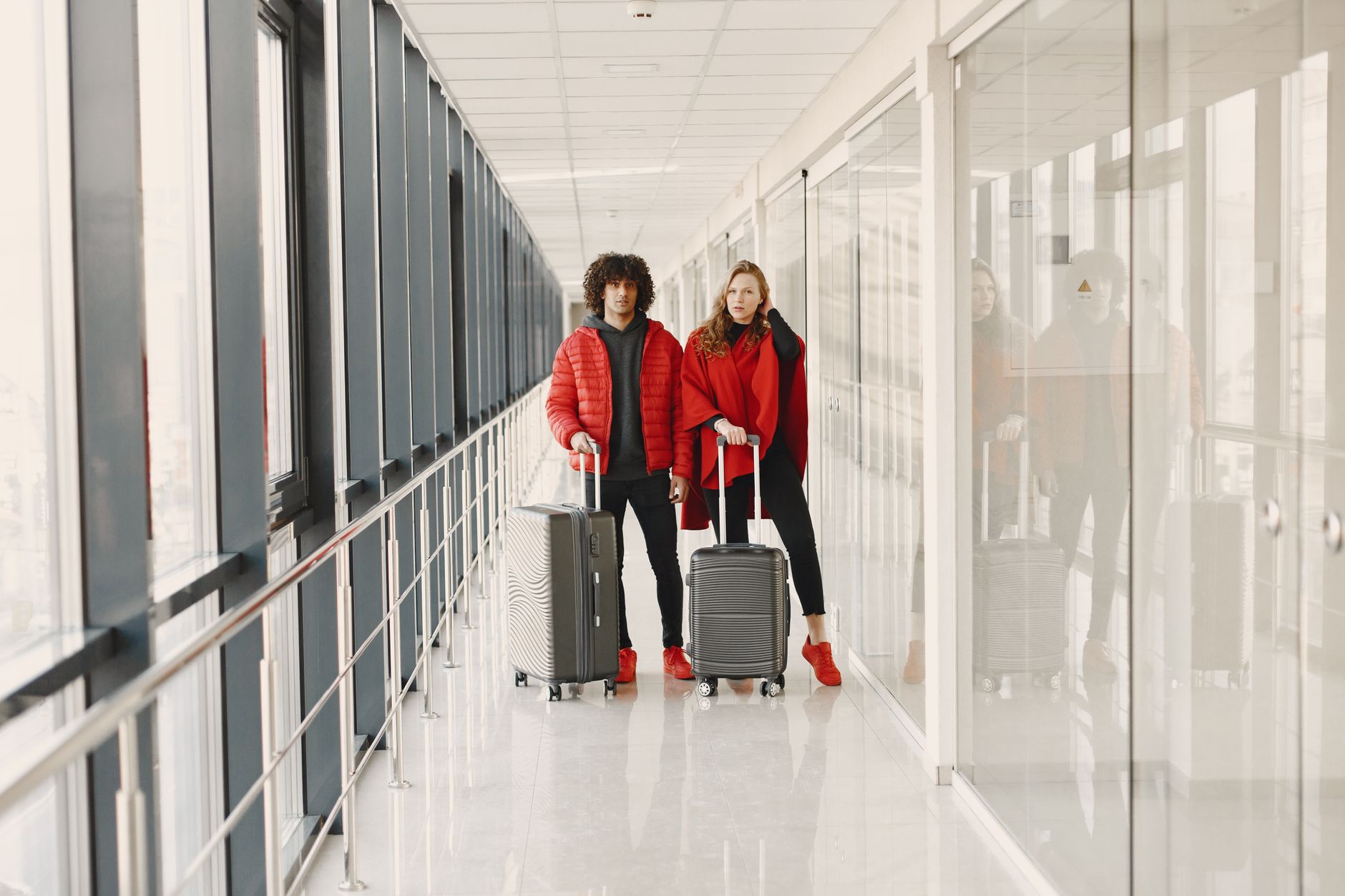
RIMOWA’s collaboration with Pokémon represents a rare intersection of two highly collectible worlds: luxury travel goods and one of the most valuable intellectual properties in modern culture. The Pokémon-branded RIMOWA luggage could become a legitimate collector flex because it combines the functional prestige of RIMOWA’s premium positioning with Pokémon’s massive collector fanbase, creating an item that holds value through both utility and scarcity. Unlike standard luggage that depreciates immediately after purchase, limited-edition branded RIMOWA pieces—particularly those featuring classic Pokémon characters—have historically appreciated in resale markets, with some vintage collaboration pieces selling for 2-3 times their original retail price within 18 months.
What makes this collaboration uniquely collectible compared to other Pokémon merchandise is RIMOWA’s heritage as a luxury brand with a restricted distribution model. RIMOWA doesn’t mass-produce; their collaborations remain intentionally limited, and their products are built to last decades. A collector acquiring a Pokémon RIMOWA luggage set today isn’t just buying a travel accessory—they’re acquiring a piece that could reasonably sit in a collection for 10+ years without degrading, maintaining its visual appeal and structural integrity in ways that standard Pokémon merchandise simply cannot.
Table of Contents
- How Limited Edition Luxury Collaborations Drive Collector Value
- The Dual-Use Advantage That Separates This From Pure Collectibles
- Pokémon’s Collector Infrastructure and Why It Matters for RIMOWA
- Comparing RIMOWA to Other Pokémon Luxury Collaborations
- The Condition Trap and Authentication Concerns
- Storage and Display Considerations That Impact Collector Value
- Market Timing and Future Outlook for Pokémon RIMOWA
- Conclusion
How Limited Edition Luxury Collaborations Drive Collector Value
The economics of luxury brand collaborations favor early collectors because initial scarcity creates demand that outpaces supply. When RIMOWA released their Fendi collaboration in 2020, original retail units became nearly impossible to find within months, with secondary market prices reaching $2,500-$3,200 for pieces that originally retailed at $1,400-$1,800. This pattern repeats consistently across luxury baggage collaborations, where brand cachet and rarity create a self-reinforcing cycle that drives value appreciation. pokémon‘s track record with luxury partnerships demonstrates this principle at scale. The Balenciaga Pokémon collection sold out across all major retailers within 2-3 weeks of launch, and resale prices immediately jumped 40-60% above retail.
The Louis Vuitton Pokémon capsule collection from 2021 saw even more dramatic appreciation, with some pieces reaching 3x retail value. RIMOWA’s entry into this space, combined with their existing collector base (luxury luggage collectors are known for acquiring entire series), amplifies these dynamics—you’re attracting both luggage collectors and Pokémon collectors simultaneously, which historically creates the strongest appreciation patterns. The key limitation here is that not all Pokémon RIMOWA pieces will appreciate equally. Standard colorways and designs will depreciate like regular luggage. Only the rarest characters, first-release editions, and items produced in the smallest batches are likely to maintain or gain value. A common Pokémon character in a basic color scheme may only hold 70-80% of its retail value in five years, while an exclusive limited release featuring Charizard or Mewtwo could realistically double.
The Dual-Use Advantage That Separates This From Pure Collectibles
Unlike most Pokémon collectibles—Pokémon cards, figures, or promotional merchandise—rimowa luggage serves a legitimate functional purpose. This dual nature creates unusual collector economics. A Charizard holographic card sitting in a graded slab is purely speculative; its value derives entirely from scarcity and demand. But a RIMOWA Pokémon suitcase can be used for travel while simultaneously appreciating as a collectible, which means the owner isn’t necessarily losing value through use. This functional advantage historically protects collector value against market downturns. When Pokémon card speculation crashed in 2022-2023, even rare cards lost 40-70% of their values because their only value proposition was speculation. Luxury goods with functional utility tend to hold value far better through market cycles.
A 2015 RIMOWA Essential suitcase—with no Pokémon branding, just functional design—still commands $600-$800 on the secondary market despite being eight years old, because people still need luggage. A Pokémon RIMOWA piece offers this same functional protection while adding speculative upside. However, the functional use creates a significant caveat: condition matters far more for appreciating pieces than it does for sealed collectibles. A mint-condition, never-used Pokémon RIMOWA suitcase could appreciate 80-120%. The same piece, if traveled with frequently and showing signs of use, might only hold 50-60% of retail value. This means collectors who genuinely use their pieces for travel are likely sacrificing significant appreciation potential compared to those who display them unused. The premium for unused condition on luxury luggage collaboration pieces typically runs 25-35% above used examples.
Pokémon’s Collector Infrastructure and Why It Matters for RIMOWA
Pokémon has built the most sophisticated collector ecosystem of any modern property, with established community standards, grading systems, online marketplaces, and price tracking. This existing infrastructure directly benefits any Pokémon-branded product. When you buy a limited-edition Pokémon RIMOWA suitcase, you’re entering a market where collectors actively track pricing, share information about rarity tiers, and engage in sophisticated trading. This community attention drives value discovery for rare pieces far faster than comparable luxury goods might experience. Consider the recent example of the Pokémon Center exclusive merchandise drops. Items that initially seemed like standard promotional goods—a Pokémon Center branded hoodie, for instance—sold out in 3-5 minutes and immediately traded on secondary markets at $180-$250, despite retailing for $55.
This isn’t because these items are inherently more valuable; it’s because the Pokémon collector community identifies scarcity patterns almost instantaneously. RIMOWA’s Pokémon luggage will benefit from this same attention. If RIMOWA produces 5,000 units of a standard design but only 500 units of a Shiny Charizard edition, collectors will identify and pursue that rarity tier within hours of release. This rapid market segmentation historically helps rare pieces appreciate faster and more steeply than they would in markets without this kind of organized collector infrastructure. A specific example: when Pokémon Company released the Pokémon Center exclusive Eevee plushies in different color variants, the community immediately identified which variants were rarest, and secondary market prices stratified from $45 for common colorways to $320 for rare regional variants—all for items that cost $15-$20 retail. RIMOWA will likely follow the same pattern, with early adopters who secured the rarest pieces seeing their investment multiply rapidly.
Comparing RIMOWA to Other Pokémon Luxury Collaborations
RIMOWA’s luggage strategy differs meaningfully from Balenciaga’s and Louis Vuitton’s Pokémon collaborations, and these differences affect collector value potential. Balenciaga produced higher volumes and focused on apparel and accessories—items that lose appeal and function quickly. Louis Vuitton’s pieces were more limited but entered a market already saturated with designer Pokémon goods. RIMOWA’s advantages: they’re entering the Pokémon market relatively late (meaning less direct competition), focusing on a product category (luggage) that doesn’t yet have established Pokémon benchmarks, and their brand appeals to a specific, high-income collector demographic. The Pokémon x New Balance sneaker collaboration provides an instructive comparison. When released, these retailed for $80-$120. Rare colorways now trade for $400-$600 in pristine condition.
The appreciation occurred because New Balance collectors and Pokémon collectors overlapped, and sneaker collecting has sophisticated secondary markets (StockX, Grailed, etc.). RIMOWA luggage has similar advantages: the collector communities overlap, and luxury goods resale platforms (Vestiaire Collective, 1stDibs, Fashionphile) are already established for RIMOWA pieces. The infrastructure exists to facilitate value discovery and trading. However, there’s a meaningful tradeoff: luggage is fundamentally less fashionable than sneakers or handbags, and Pokémon luggage appeals to a narrower collector audience than apparel would. A Pokémon RIMOWA suitcase appeals primarily to Pokémon collectors and luxury luggage collectors, whereas a Pokémon Balenciaga hoodie appeals to fashion collectors, Pokémon collectors, and casual consumers. This narrower appeal could actually help value appreciation—less casual demand means less dilution of the collector market—but it also means lower overall demand volume. Peak appreciation is likely smaller in absolute terms than Pokémon fashion collaborations, but the stability and consistency of value might be stronger.
The Condition Trap and Authentication Concerns
Collector luggage faces specific risks that pure collectibles avoid. Luggage accumulates damage through normal use: scratches on the polycarbonate shell, wear on handles and zippers, potential impacts that compromise structural integrity. Even minor damage significantly affects resale value on luxury goods. A RIMOWA suitcase with a small ding that doesn’t affect functionality might lose 20-30% of its value because luxury goods are graded heavily on visual perfection. This means actually using your Pokémon RIMOWA for its intended purpose—traveling, going through airport baggage systems—is almost certainly value-destructive. Authentication also presents a risk that pure Pokémon collectibles don’t face. RIMOWA luggage is valuable enough to counterfeit, and high-quality fakes of luxury luggage exist.
While counterfeits of Pokémon RIMOWA pieces won’t be widespread immediately (demand doesn’t yet exist), they will almost certainly appear once secondary market prices demonstrate strong appreciation. Future collectors will need to verify authenticity through RIMOWA’s serial numbers, manufacturing location codes, and material inspection. Buying from unknown sellers on secondary markets poses real risk of acquiring counterfeits, which would be entirely worthless. This is less of a concern with sealed, graded Pokémon cards, where the grading company’s authentication provides security. The authentication warning is particularly acute for high-value pieces. A Pokémon RIMOWA suitcase that appreciates to $3,000-$4,000 becomes a target for counterfeiters. Collectors should buy from authorized RIMOWA retailers, RIMOWA official resale channels, or reputable luxury goods platforms that offer authentication services. Private sellers on Facebook Marketplace or eBay, however reasonable their pricing, represent unquantifiable authentication risk.
Storage and Display Considerations That Impact Collector Value
How collectors store Pokémon RIMOWA luggage affects long-term value preservation. Unlike cards stored in acid-free holders, luggage requires proper environmental conditions. Polycarbonate shells can become brittle if stored in extreme cold or heat, and continuous direct sunlight exposure degrades printed graphics and color saturation. Collectors planning to hold pieces for appreciation should store them in climate-controlled environments, ideally in their original packaging or in archival-quality storage containers that prevent dust accumulation without trapping moisture.
Display presents a unique advantage for RIMOWA over most collectibles: the pieces are genuinely beautiful objects that enhance spaces aesthetically. While a sealed Pokémon card or figurine must remain sealed to maintain value, a RIMOWA suitcase can be displayed prominently in a home or office, serving both aesthetic and collection documentation purposes. High-end collectors sometimes feature their rarest RIMOWA pieces in home offices or entryways, which maintains condition while allowing full appreciation of the design. This contrasts with many collectibles that must be hidden away in storage to preserve value.
Market Timing and Future Outlook for Pokémon RIMOWA
The timing of RIMOWA’s Pokémon entry positions it advantageously relative to past Pokémon collaborations. The Pokémon collector market has matured significantly since 2020-2021, with more sophisticated understanding of what factors drive appreciation. Early adopters who secure rare variants during initial release windows have consistently seen the strongest appreciation on subsequent Pokémon partnerships. Waiting six months for secondary market availability typically means paying 40-60% premiums, so collectors interested in appreciation potential should prioritize acquiring pieces during official release periods.
Looking forward, RIMOWA’s success with Pokémon will likely drive additional collaborations. If this first collection appreciates as historical patterns suggest, RIMOWA will probably expand the line, introducing new character variants, seasonal designs, or special editions. The first generation of these pieces will almost certainly command the strongest premiums—subsequent releases will be compared against the original, making early pieces “the originals” in collector vernacular. This historical pattern held true for Supreme collaborations, luxury sneaker drops, and earlier Pokémon partnerships. Collectors who acquire first-release RIMOWA Pokémon luggage and hold for 3-5 years will likely see stronger appreciation than those buying from later expansion releases.
Conclusion
RIMOWA Pokémon luggage could reasonably become a collector flex because it merges luxury brand prestige, functional utility, existing collector infrastructure, and genuine scarcity into a single product. The historical precedent from both luxury brand collaborations and Pokémon partnerships suggests that limited-edition pieces, particularly rare character variants from the first release, could appreciate 80-150% within 3-5 years. However, this appreciation isn’t automatic—condition preservation, purchase of genuinely limited variants, and appropriate storage are essential for realizing value potential.
The path to making RIMOWA Pokémon luggage a successful collector investment requires approaching it differently than casual Pokémon merchandise. Buy early and directly from authorized sources, prioritize the rarest available variants, preserve condition carefully, and view utility and speculative appreciation as complementary rather than competing goals. For collectors willing to treat these pieces as long-term assets rather than travel gear, RIMOWA’s Pokémon luggage represents a rare opportunity where passion and potential financial appreciation align.
You Might Also Like
- Why the Pokémon Fossil Museum Could Be a Sleeper Travel Story
- Why Educational Pokémon Events May Become More Common
- Why Chicago’s Field Museum Pokémon Exhibition Could Draw Huge Crowds