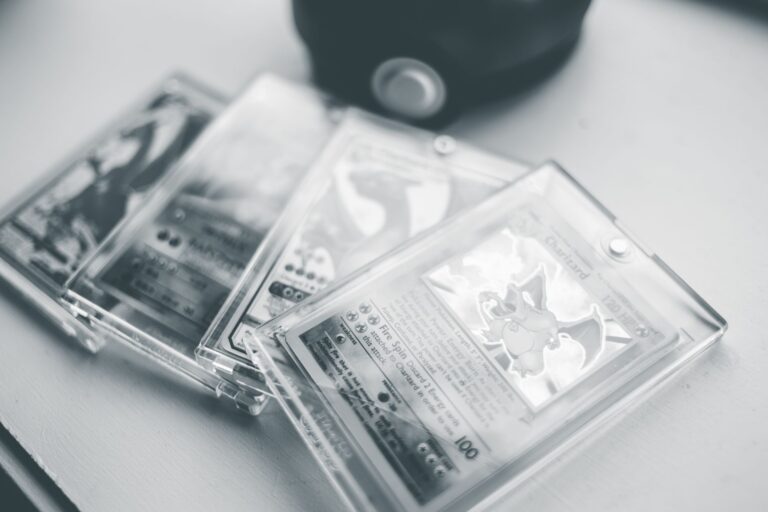
Premium collections have become increasingly popular among modern Pokemon card collectors because they offer a curated pathway into the hobby that combines convenience, value perception, and psychological appeal. Rather than spending months hunting individual cards or building a collection organically, collectors—particularly those entering the hobby in recent years—are drawn to premium products that promise higher-quality cards, exclusive items, and the satisfaction of owning something intentionally assembled. A collector purchasing a $200-300 premium box knows they’re getting sealed pack products with better odds, official presentation, and often exclusive promos that signal investment and status within the community.
The shift toward premium collections reflects how the Pokemon card market has matured. Twenty years ago, collectors built value through patience and luck. Today, the market has segmented into multiple tiers, with premium products serving collectors who value certainty, completeness, and the ability to showcase their investment. This trend accelerated during and after the 2020-2021 boom when millions of new collectors entered the hobby simultaneously, many with disposable income and less patience for hunting cards in bulk lots.
Table of Contents
- What Drives the Demand for Higher-End Collection Products?
- The Premium Market’s Impact on Card Prices and Accessibility
- How Premium Collections Shape Collection Completion and Grading Trends
- Building a Premium Collection Strategy Without Overspending
- The Risk of Premium Collection Saturation and Market Volatility
- The Social and Psychological Appeal of Premium Collections
- The Future of Premium Collections in a Maturing Market
- Conclusion
- Frequently Asked Questions
What Drives the Demand for Higher-End Collection Products?
The demand for premium collections stems from several converging factors that make them more attractive than standard retail releases. collectors recognize that premium boxes—whether special editions, anniversary releases, or elite trainer collections—typically contain packs with better pull rates and often include tangible bonuses like promos, art books, sleeves, or playmats. For someone buying a single box, the psychological certainty of knowing they’ll receive quality items outweighs the lower per-card cost of buying bulk vintage stock or standard booster boxes. Investment mentality plays a significant role in this trend. Modern collectors often approach Pokemon cards as alternative assets, similar to sports memorabilia or collectible toys.
Premium collections appeal to this mindset because they’re easier to photograph, grade, and resell as complete sets. A collector who purchases an Elite Trainer Box with premium sleeves and condition-sensitive cards can showcase a coherent collection rather than random cards purchased separately. The tangible presentation of premium products—the custom packaging, the included accessories, the exclusivity—creates perceived value that extends beyond the cards themselves. Additionally, social media has amplified the appeal of premium collections. Unboxing videos, collection showcase posts, and community recognition of rare or complete sets drive demand among younger collectors who want items worth displaying and discussing online. Premium products photograph well, come with built-in narratives, and signal serious commitment to the hobby, making them ideal for social sharing.

The Premium Market’s Impact on Card Prices and Accessibility
premium collections have fundamentally altered pricing dynamics in the secondary market. Because premium products often contain chase cards or exclusives only available in those boxes, prices for cards from those releases tend to increase beyond what standard releases command. For example, promotional Charizard cards from special collection boxes frequently sell for double or triple the price of the same card from standard booster packs, even if the card itself is identical. This creates a tier system where collectors perceive value not just in the card but in its provenance.
However, this premium pricing presents a significant limitation: accessibility for budget-conscious collectors has declined. New players or casual collectors cannot build a complete modern collection as cheaply as they could a decade ago, because premium products command higher prices both at retail and on resale. A player buying cards to play in tournaments faces higher entry costs because they’re competing against collectors who’ve invested heavily in premium sets. This bifurcation of the market—where premium items are increasingly expensive while lower-tier products remain accessible—has created a wealth-driven divide that wasn’t as pronounced when the hobby was purely price-competitive.
How Premium Collections Shape Collection Completion and Grading Trends
Premium collections have accelerated the trend of collectors pursuing graded, complete sets rather than loose individual cards. Because premium boxes come with fewer, higher-quality pulls, collectors are more likely to submit those cards for professional grading through services like PSA or BGS. This practice reinforces the premium market: a mint-graded card from a premium collection box commands higher prices than an ungraded copy of the same card from a standard release, even though they may be physically identical.
The completion aspect drives behavior too. Collectors buying premium collections report higher satisfaction when they’ve acquired all promotional variants or all cards from a specific themed set. This desire to “complete” a collection—rather than simply accumulate cards—encourages repeated purchases of premium products, especially when manufacturers release them in themed waves or series. For instance, collectors targeting all seven special edition Scarlet & Violet boxes will spend considerably more than someone who buys a single standard booster box, creating predictable revenue streams that manufacturers have learned to exploit.

Building a Premium Collection Strategy Without Overspending
The practical approach to purchasing premium collections involves establishing clear criteria before buying. Collectors should decide whether they’re pursuing premium products for investment potential, gameplay use, or collection completion, as each goal requires different purchasing strategies. Investment-focused buyers benefit from choosing limited-release premium products with exclusive artwork or packaging, as these tend to appreciate more consistently. A premium collection purchased at MSRP for $250 might resell for $350-400 within months if the set is discontinued and demand remains high, but standard premium boxes often languish on secondary markets without significant gains.
For collectors primarily interested in card quality rather than investment, purchasing premium products strategically—focusing on releases they genuinely want rather than every available option—prevents budget overrun. A practical middle ground involves buying one or two premium collections per year as special acquisitions rather than treating every release as essential. This approach balances the appeal of premium items with the financial reality that sustainable collecting requires restraint. Compare this to collectors who purchase five or six premium boxes monthly, spending $1,500-2,000 on products that may never appreciate beyond their purchase price.
The Risk of Premium Collection Saturation and Market Volatility
One critical limitation collectors face is the risk of premium market saturation. Manufacturers, recognizing the appeal of premium collections, have increased their release frequency dramatically. Where special collection boxes were once released quarterly, they now appear monthly or more frequently. This oversaturation drives prices down for older releases while making it financially impossible for the average collector to maintain a “complete” premium collection.
Collectors who bought premium boxes consistently find themselves with inventory that’s difficult to sell, especially if newer, more desirable premium releases have displaced older products in secondary markets. Market volatility also affects premium collections in ways that standard products don’t experience. When the broader Pokemon market experiences downturns—as occurred in late 2021 and 2022—premium products tend to lose value faster than their investment-focused buyers anticipated. A premium collection originally purchased for $300 might sell for $100-150 during market corrections, creating real losses for collectors who treat these purchases as investments. Additionally, the authenticity of premium products, while generally reliable from official retail channels, has become a concern in secondary markets, as counterfeiters increasingly target high-value premium boxes for reproduction.

The Social and Psychological Appeal of Premium Collections
Beyond monetary considerations, premium collections satisfy psychological needs that basic products cannot. The act of opening a premium box with superior packaging, exclusive items, and quality pulls creates an experience rather than a transaction. Collectors report greater satisfaction and sense of achievement from assembling a premium collection than from buying random lots of cards. This experiential value—the presentation, the unboxing, the social recognition—justifies the higher price point for many participants in the hobby.
The collectibility factor drives this appeal as well. Premium collections with unique packaging, numbered editions, or limited production runs become collectible in themselves, separate from the cards they contain. Collectors seek out complete runs of premium boxes from specific years or themes, storing the boxes unopened as collectible items alongside their graded cards. This dual-collection approach—pursuing both the cards and the premium packaging—represents a uniquely modern collecting evolution.
The Future of Premium Collections in a Maturing Market
As the Pokemon card market matures and stabilizes, premium collections will likely consolidate into clear tiers based on quality, rarity, and purpose. Manufacturers are learning that not every premium release succeeds financially, and future premium products will probably focus more narrowly on genuinely limited releases or gameplay-focused premium sets rather than flooding the market with countless variations.
This consolidation could actually improve the premium collection market by reducing noise and clarifying which products hold lasting appeal and investment potential. The integration of premium products into broader collecting ecosystems—combining them with grading services, authentication, and digital cataloging—suggests that future premium collections will offer more comprehensive ownership experiences. Collectors might eventually expect premium boxes to include digital tracking, authenticity certificates, or linked blockchain records of ownership, further separating premium products from standard releases and justifying continued price premiums.
Conclusion
Premium collections have become popular with modern Pokemon card collectors because they satisfy multiple simultaneous needs: they provide certainty, they offer experiential value, they facilitate investment thinking, and they enable social status signaling within collecting communities. For collectors with disposable income and limited time, premium boxes represent an efficient way to acquire quality cards and exclusive items without the hunting and waiting that characterized earlier collecting eras.
However, collectors should approach premium collections strategically rather than treating every release as essential. Understanding the difference between genuine limited releases and manufactured scarcity, establishing realistic spending limits, and recognizing the actual resale potential of premium products separates successful collectors from those who accumulate regrettable purchases. The premium collection market will continue evolving, but the fundamentals remain: quality, exclusivity, and emotional satisfaction drive demand, and informed collectors can navigate this segment without overleveraging their budgets.
Frequently Asked Questions
Are premium collections a good investment compared to standard booster boxes?
Premium collections can appreciate if they’re genuinely limited and feature exclusive cards, but many premium releases lose value within months. The investment potential depends more on the specific release than on the premium designation itself. Standard booster boxes from popular sets sometimes outperform premium products in the secondary market because they contain chase cards that drive collector demand.
Should I open premium collection boxes or keep them sealed?
This depends on your collecting goals. If you’re pursuing individual cards for your collection or want to experience the unboxing, open them. If you believe the box will appreciate or you prefer sealed collectibles, keep them sealed. Unopened premium boxes command premiums over opened boxes, but only if the market remains interested in that specific product.
How can I tell if a premium collection is authentic when buying from secondary sellers?
Authentic premium boxes have consistent packaging quality, properly centered cards, and verifiable sealing. Buy from established resellers with ratings and return policies when possible. Be particularly cautious with premium products at significant discounts, as these are common counterfeit targets. Request photos of inner packaging and cards before purchasing.
What’s the difference between a premium collection and a regular booster box?
Premium collections typically include higher-quality cards, additional promotional items, better packaging, and sometimes exclusive cards unavailable in standard releases. Regular booster boxes contain standard products without the extras. Premium collections cost significantly more but appeal to collectors seeking curated, higher-end products.
Are newer premium collections better investments than older ones?
Newer doesn’t mean better for investment. Older, discontinued premium collections often appreciate more because supply is limited and demand from collectors seeking nostalgic items remains stable. New premium releases have abundant supply, making price appreciation unlikely until they sell out and become unavailable.
Can I build a complete Pokemon collection using only premium products?
Technically yes, but it’s extremely expensive. Premium collections contain overlapping cards, and you’d need to purchase multiple boxes to ensure card completion. Most collectors combine premium products with standard releases and secondary market purchases to build complete collections cost-effectively.